Got a broken or unwanted blender? You don’t have to toss it in the trash. This guide walks you through recycling, donating, and proper disposal methods so you can clear kitchen clutter responsibly and protect the planet.
Key Takeaways
- Understanding How To Dispose Of A Blender: Provides essential knowledge
📑 Table of Contents
- Introduction: Why a Blender Deserves More Than a Trash Can
- 1. Assess the Condition of Your Blender
- 2. Donate a Working Blender
- 3. Recycle the Blender Properly
- 4. Dispose of a Non‑Recyclable Blender
- 5. Document the Process for Peace of Mind
- 6. Tips to Prevent Future Blender Waste
- Conclusion: A Simple Path to a Cleaner Kitchen and Planet
Introduction: Why a Blender Deserves More Than a Trash Can
Blenders sit on kitchen counters, smash smoothies, and churn soups. When they finally give out—or you simply upgrade—they become a surprisingly tricky piece of junk. Unlike a fork or a plate, a blender contains metal, plastic, glass, and sometimes electronic components that can’t just disappear in a landfill.
Knowing how to dispose of a blender the right way protects the environment, saves space, and may even put a little money back in your pocket. This article breaks down every practical option—repair, donation, recycling, and disposal—so you can make a confident, guilt‑free decision.
1. Assess the Condition of Your Blender
Is It Worth Repairing?
Before you think about tossing it, ask yourself:
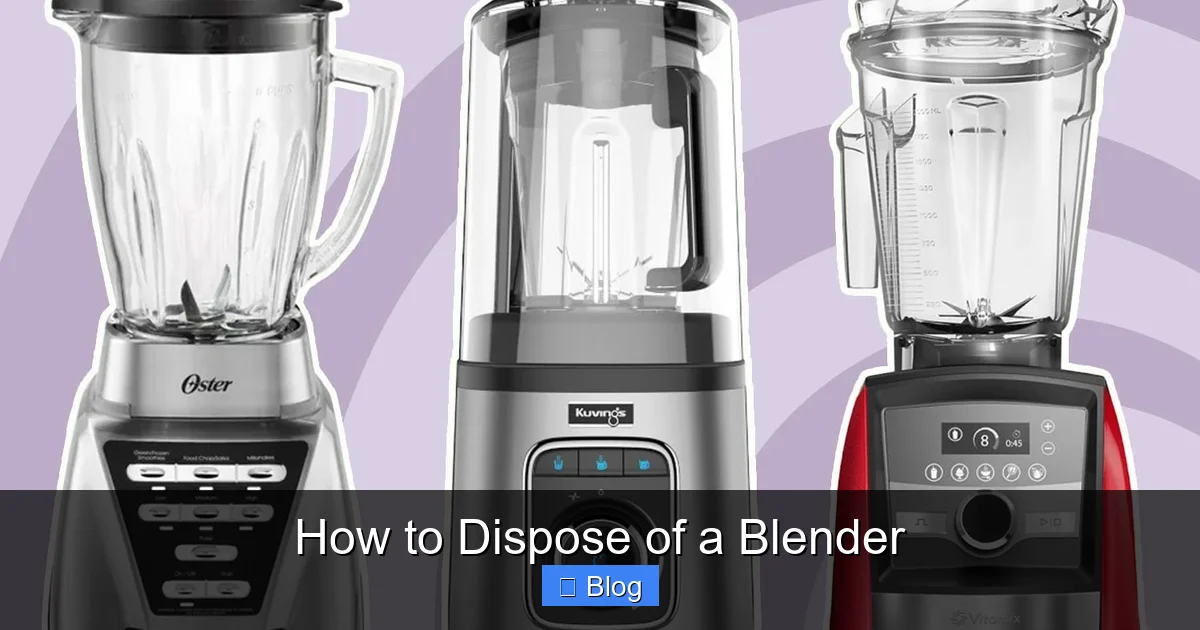
Visual guide about How to Dispose of a Blender
Image source: thespruceeats.com
- Does the motor hum but not spin?
- Is a blade dull or broken?
- Are the seals leaking?
Simple fixes—tightening a screw, replacing a seal, or swapping a blade—can extend life by years. Many manufacturers sell parts for as little as $5‑$15. Check the brand’s website or a local appliance parts store.
When Repair Isn’t Viable
If the motor is burnt out, the wiring is frayed, or the cost of parts exceeds half the price of a new blender, it’s time to move on. In that case, move to the next step: deciding whether to donate or recycle.
2. Donate a Working Blender
Who Accepts Used Kitchen Appliances?
Charities, shelters, and community kitchens love functional blenders. They can turn a simple donation into nutritious meals for families in need.
Visual guide about How to Dispose of a Blender
Image source: disposeofthings.com
- Goodwill & The Salvation Army: Accept most working appliances.
- Local Food Pantries: Often need blenders for soup programs.
- Habitat for Humanity ReStores: Sell donated items to fund projects.
How to Prepare Your Blender for Donation
1. Clean it thoroughly. Remove food residue to avoid pests.
2. Test all functions. Make sure the motor runs, the lid locks, and the blades spin.
3. Include accessories. If you have a travel cup or extra blade, pack them together.
4. Document the donation. Ask for a receipt; you may claim a tax deduction.
3. Recycle the Blender Properly
Why Recycling Beats Landfill
Blenders contain recyclable metals (steel, aluminum), high‑grade plastics, and sometimes glass. When recycled, these materials replace virgin resources, cutting down on mining and petroleum use.
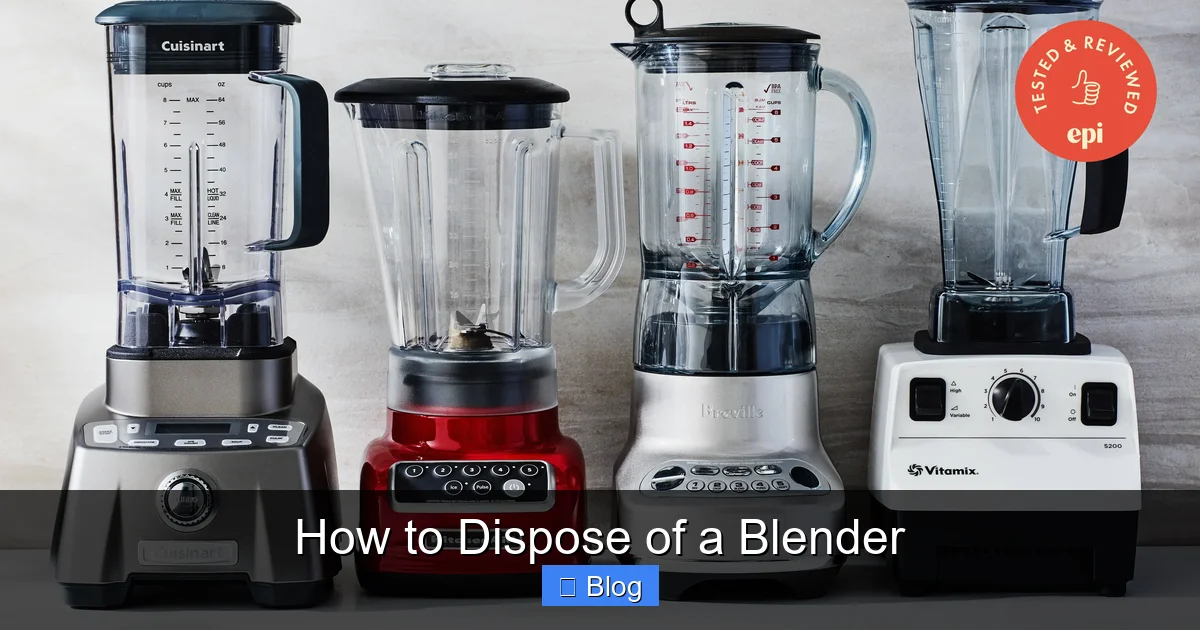
Visual guide about How to Dispose of a Blender
Image source: assets.epicurious.com
Step‑by‑Step Recycling Process
Step 1: Check Local E‑Waste Rules
Municipalities differ. Some have curbside pickup for large appliances; others require a drop‑off at a recycling center. Visit your city’s waste‑management website and search “appliance recycling” or “e‑waste disposal.”
Step 2: Separate the Parts
Removing the plastic jar, metal base, and any glass components makes sorting easier for recyclers.
- Plastic Jar: Usually #5 polypropylene (look for the “5” recycling symbol). Place it in the plastics bin if your program accepts it.
- Metal Base & Motor: These go in the metal scrap bin or a designated appliance recycling bin.
- Glass or Ceramic: If the blender has a glass jar, wrap it in newspaper and place it in the glass recycling bin.
Step 3: Remove Hazardous Elements
Some blenders have small batteries (in cordless models) or wiring with lead. Seal these in a plastic bag and label them “hazardous waste.” Many recycling centers have a separate collection for electronics.
Step 4: Drop Off or Schedule Pickup
Take the sorted parts to your nearest recycling facility or call a private e‑waste recycler. Many retailers (e.g., Best Buy, Home Depot) offer free appliance recycling days.
Finding a Certified Recycler
Look for certifications like R2 or e‑Stewards. These ensure the recycler follows strict environmental standards and doesn’t export hazardous waste overseas.
4. Dispose of a Non‑Recyclable Blender
When Recycling Isn’t an Option
Older blenders with mixed materials that cannot be separated, or those with broken electronic boards, may be deemed non‑recyclable by your local program.
Safe Landfill Disposal Tips
- Wrap it securely: Use old newspapers or a tarp to prevent sharp blades from injuring workers.
- Label “Do Not Crush”: Some landfills have crushing equipment that could cause hazards.
- Check for bulk‑waste fees: Some municipalities charge a small fee for large items.
Alternative: Upcycling Ideas
If you’re crafty, turn the blender’s motor into a small garden pump or use the plastic jar as a planter. A quick Google search for “blender upcycle projects” yields dozens of fun, free ideas.
5. Document the Process for Peace of Mind
Why Keep Records?
Having a paper trail helps you:
- Claim a tax deduction for charitable donations.
- Prove you complied with local disposal regulations (useful if you ever face a fine).
- Track the lifespan of appliances for future budgeting.
What to Save
Photographs of the blender before disposal, receipts from recycling centers, and donation acknowledgment letters. Store them digitally in a folder named “Appliance Disposals.”
6. Tips to Prevent Future Blender Waste
Choose Durable, Repairable Models
Look for brands that offer spare parts and have good warranty coverage. Stainless‑steel jars, detachable blades, and simple motor designs are easier to fix.
Maintain Your Blender
- Clean after each use to avoid motor strain.
- Run a “cleaning cycle” with warm water and a drop of dish soap weekly.
- Check the blade tightness monthly.
Plan for End‑of‑Life at Purchase
When buying, ask the retailer about take‑back programs. Some stores will accept the old unit when you purchase a new one, handling the recycling for you.
Conclusion: A Simple Path to a Cleaner Kitchen and Planet
Knowing how to dispose of a blender doesn’t have to be a headache. By assessing condition, exploring donation, separating recyclable parts, and following local e‑waste rules, you turn a potential landfill problem into a win for the environment. A little effort now means less waste later, and maybe even a tax deduction in your pocket. So, next time your blender quits, you’ll have a clear, friendly roadmap to handle it responsibly.
🎥 Related Video: How To Scrap A Blender 🍳
📺 Damion Richter
Description:** In this tutorial, we’ll show you how to responsibly scrap a blender and recycle its plastic components. Recycling old …
Frequently Asked Questions
Can I put a blender in my regular curbside trash?
Most cities discourage placing whole appliances in regular trash because they contain metal and electronics that belong in e‑waste programs. Check local guidelines first.
Is a broken blender still recyclable?
Yes. Even if the motor is dead, the metal base, plastic jar, and glass components can be recycled separately. Remove hazardous parts and follow your municipality’s recycling rules.
Do I need to remove the blades before recycling?
It’s a good idea. Sharp blades can be a safety hazard for workers. Unscrew or cut them off, wrap them in thick cardboard, and label them “sharp.”
Where can I donate a working blender?
Charities like Goodwill, local shelters, food pantries, and Habitat for Humanity ReStores often accept functional blenders. Call ahead to confirm their needs.
What if my city doesn’t have a blender recycling program?
Look for private e‑waste recyclers, retailer take‑back events, or regional recycling centers that accept small appliances. Many offer free drop‑off.
Can I upcycle a broken blender instead of throwing it away?
Absolutely! The motor can become a garden pump, the jar can serve as a planter, and the base can be turned into a DIY lamp. Search online for “blender upcycle projects” for inspiration.