How To Sharpen A Fillet Knife is an essential topic that provides valuable insights and practical knowledge for anyone interested in learning more about this subject.
Key Takeaways
- Choose the right angle: Maintain a 15‑20° bevel for optimal fillet precision.
- Use a whetstone: Soak a medium grit stone, then progress to fine grit for a polished edge.
- Maintain consistent strokes: Pull the blade toward you, keeping the angle steady on each pass.
- Check sharpness frequently: Test on a tomato or paper; adjust technique if needed.
- Hone after sharpening: Run a leather strop to remove burrs and enhance edge retention.
- Dry and oil the blade: Prevent rust and preserve the newly sharpened edge.
- Store safely: Use a sheath or magnetic strip to protect the blade between uses.
📑 Table of Contents
- Why a Sharp Fillet Knife Matters More Than You Think
- Understanding the Anatomy of a Fillet Knife
- Choosing the Right Sharpening Tools
- Step‑by‑Step Guide: How to Sharpen a Fillet Knife
- Common Mistakes and How to Avoid Them
- Data Table: Sharpening Frequency vs. Blade Type
- Pro Tips for Maintaining a Fillet Knife Like a Pro
- Conclusion
Why a Sharp Fillet Knife Matters More Than You Think
Imagine you’re slicing a delicate salmon fillet. The knife glides, the flesh parts cleanly, and you end up with perfect, buttery‑smooth pieces ready for the plate. Now picture the same task with a dull blade. You’ll see ragged edges, crushed fish, and a lot of frustration. That’s why learning how to sharpen a fillet knife is a game‑changer for anyone who loves cooking, fishing, or just wants to feel confident in the kitchen.
When I first started cooking, I treated my fillet knife like any other kitchen tool—just rinse it, dry it, and put it away. It wasn’t until I tried to fillet a trout and the knife snagged on the skin that I realized a sharp edge is essential. The difference between a dull and a razor‑sharp blade is not just about speed; it’s about safety, precision, and preserving the texture of the fish. In this post, I’ll walk you through everything you need to know how to sharpen a fillet knife—step by step, with real‑world tips you can start using today.
Understanding the Anatomy of a Fillet Knife
Blade Shape and Edge Geometry
A fillet knife typically has a thin, flexible blade that tapers to a fine point. The edge is usually ground at a 15‑20° angle on each side, giving it that ultra‑sharp, slicing capability. Knowing this geometry helps you set the right angle when you sharpen.
Visual guide about How to Sharpen a Fillet Knife
Image source: kitchenaim.com
Materials Matter
Most fillet knives are made from high‑carbon stainless steel. This combination offers corrosion resistance and the ability to hold a keen edge. However, the steel’s hardness can vary, influencing how often you’ll need to sharpen.
Handle Considerations
Ergonomic handles—often made of rubber, wood, or composite—provide grip even when wet. When you’re sharpening, make sure the handle stays dry to avoid slipping.
Choosing the Right Sharpening Tools
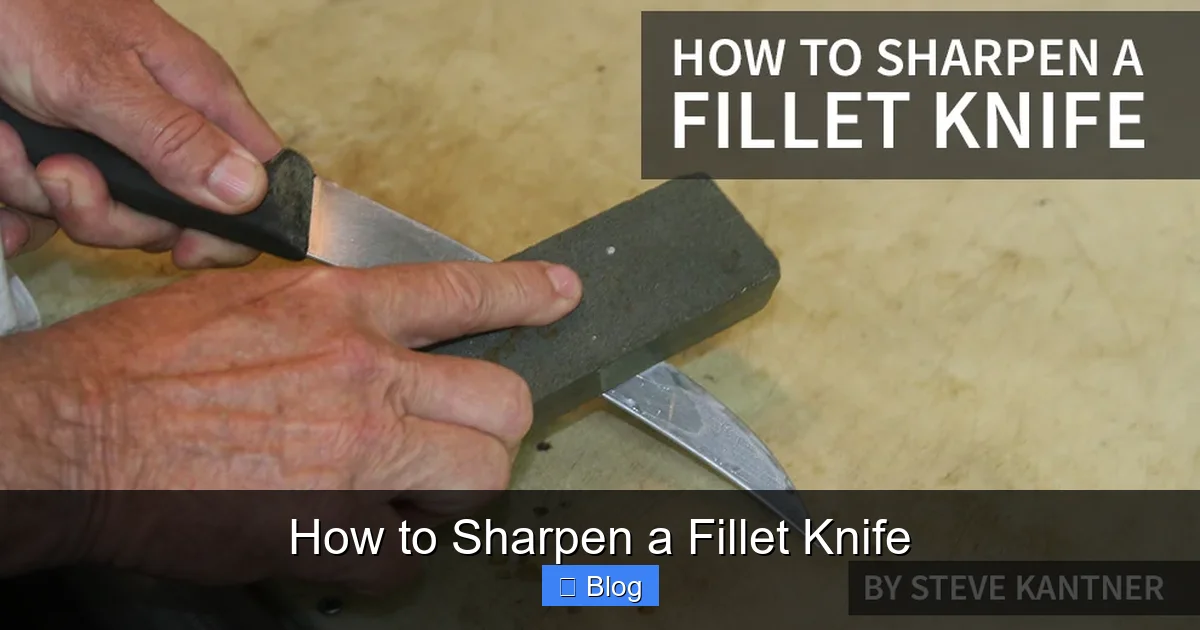
Sharpening Stones (Whetstones)
- Coarse (400‑800 grit): Removes nicks and reshapes the edge.
- Medium (1000‑3000 grit): Refines the bevel.
- Fine (6000‑8000 grit): Polishes for a razor‑sharp finish.
Whetstones give you the most control, especially for the delicate angle of a fillet knife.
Visual guide about How to Sharpen a Fillet Knife
Image source: i.cdn-surfline.com
Diamond Sharpening Rods
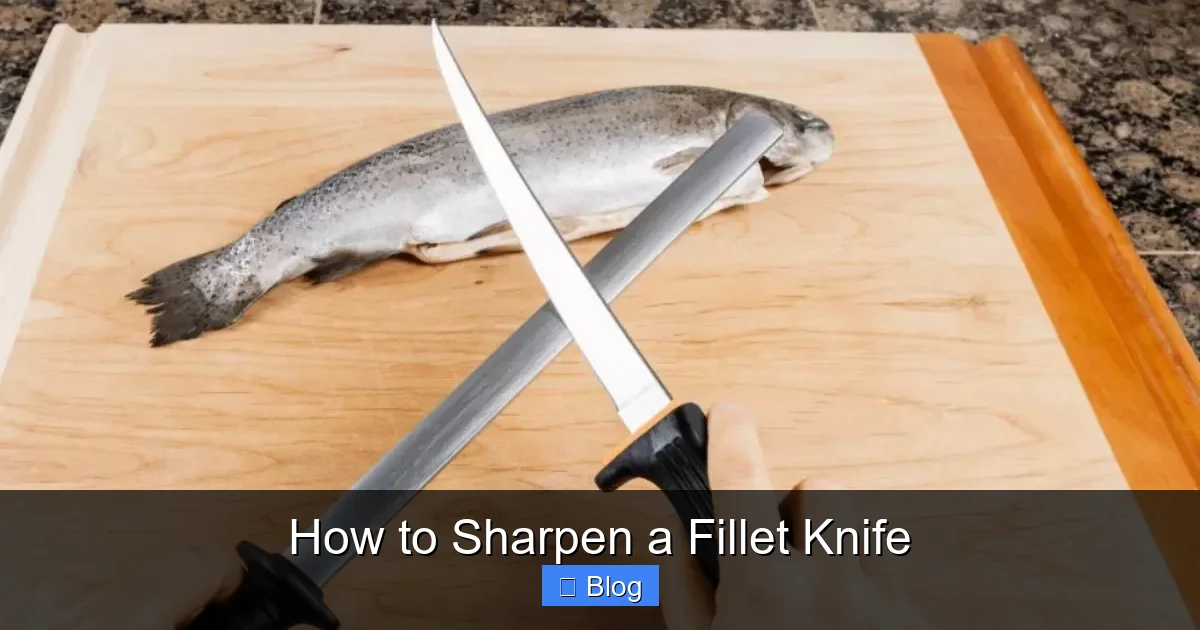
Diamond rods are fast and work well on hard steels. They’re great for quick touch‑ups, but they can be too aggressive for the fine edge of a fillet knife if you’re not careful.
Pull‑Through Sharpeners
These are convenient, but most have a fixed angle that’s too steep for a fillet knife. Use them only for emergency fixes, not regular maintenance.
Choosing the Best Option
For most home chefs, a set of whetstones (coarse, medium, fine) offers the perfect balance of precision and ease. If you’re on a budget or need speed, a diamond rod can supplement your stone routine.
Step‑by‑Step Guide: How to Sharpen a Fillet Knife
1. Prepare Your Workspace
- Lay a damp towel on a stable surface to prevent the stone from slipping.
- Fill a shallow dish with water (or oil if your stone requires it) and soak the stone for 10‑15 minutes.
- Place the stone on the towel, surface‑side up.
2. Set the Correct Angle
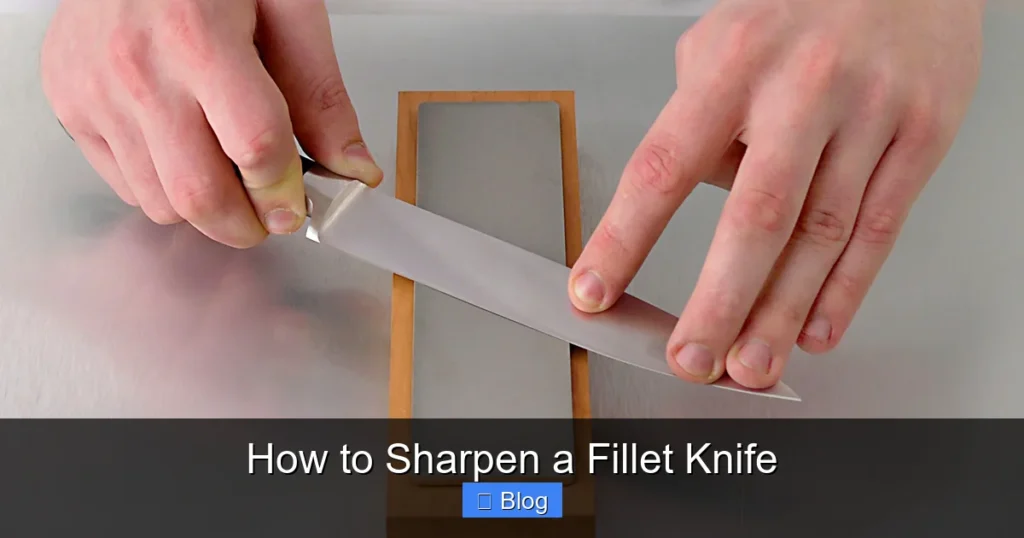
The key to sharpening a fillet knife is maintaining a consistent 15‑20° angle. A simple trick: hold the knife so the spine is roughly the thickness of a nickel above the stone. This visual cue helps you stay within the right range.
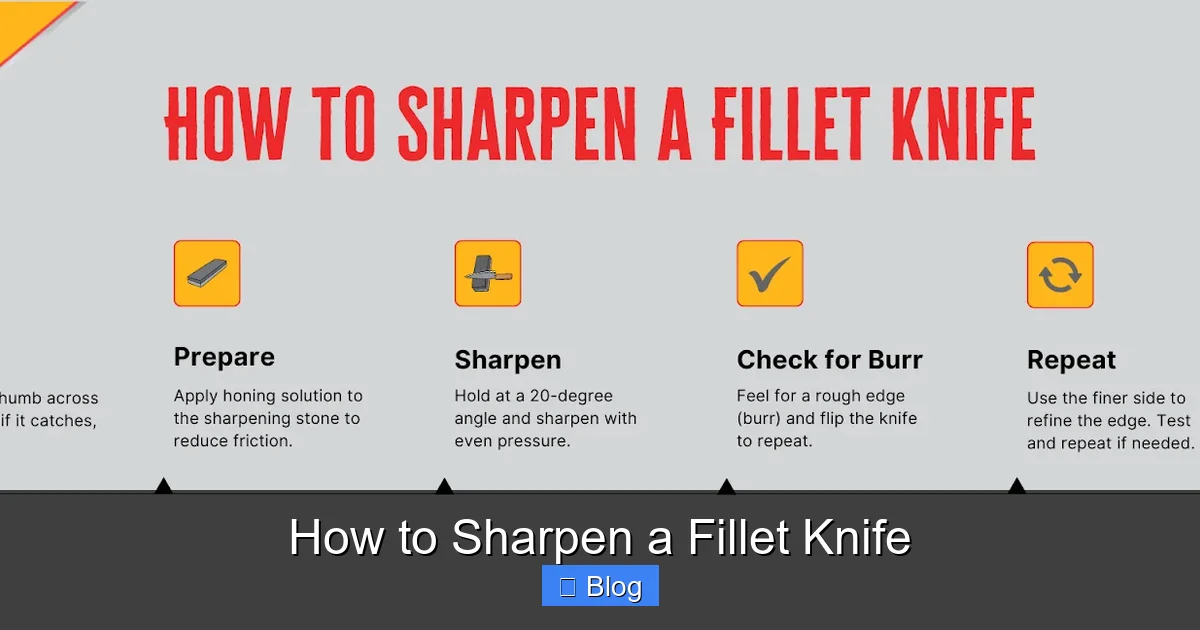
Visual guide about How to Sharpen a Fillet Knife
Image source: lh7-rt.googleusercontent.com
3. Start with the Coarse Grit
Hold the knife firmly by the handle, place the heel of the blade on the stone, and push forward as if you’re trying to slice a thin slice of bread off the stone. Keep the angle steady, and work from heel to tip in smooth, even strokes. Do 10‑12 strokes on each side.
4. Move to the Medium Grit
Flip the stone to the medium side. Repeat the same motion, but this time use lighter pressure. The goal is to refine the bevel, not to remove material. Again, 10‑12 strokes per side should suffice.
5. Polish with the Fine Grit
Switch to the fine stone for the final polish. This step creates a mirror‑like edge that glides through fish flesh effortlessly. Perform 15‑20 light strokes per side, ending each stroke with a gentle flick of the wrist to “burnish” the edge.
6. Test the Sharpness
There are three quick tests:
- Paper Test: Slice a piece of newspaper. A sharp edge will cut cleanly without tearing.
- Flesh Test: Gently press the edge against a tomato. It should slice through with barely any pressure.
- Water Droplet Test: Run a droplet of water across the blade; it should bead and roll off.
7. Clean and Store
Rinse the knife under warm water, dry it immediately, and apply a light coat of food‑safe oil if you store it for a while. This prevents rust and keeps the edge ready for the next fish.
Common Mistakes and How to Avoid Them
Using the Wrong Angle
If the angle is too steep (over 25°), you’ll create a blunt edge that chips easily. If it’s too shallow, the edge will be weak and roll over fish skin. Practice with a guide or angle‑finder tool until you feel comfortable.
Applying Too Much Pressure
Pressing hard can flatten the bevel and damage the thin blade. Let the stone do the work; light, consistent pressure yields a smoother edge.
Skipping the Fine Grit
Skipping polishing leaves microscopic burrs that can snag on delicate fish. The fine grit step is essential for a clean, effortless cut.
Neglecting Regular Maintenance
Even the best steel dulls over time. A quick touch‑up with a fine stone after every few uses keeps the edge in top shape and reduces the need for heavy grinding later.
Data Table: Sharpening Frequency vs. Blade Type
| Blade Material | Typical Use (hours/week) | Recommended Sharpening Frequency | Notes |
|---|---|---|---|
| High‑Carbon Stainless Steel | 2‑4 | Every 4‑6 weeks | Balances edge retention and corrosion resistance. |
| Carbon Steel (non‑stainless) | 2‑4 | Every 2‑3 weeks | Sharper initially but rusts if not oiled. |
| VG‑10 Stainless (premium) | 1‑2 | Every 6‑8 weeks | Excellent edge hold; less frequent sharpening. |
| Japanese Damascus | 1‑2 | Every 8‑10 weeks | Beautiful pattern; requires gentle handling. |
Pro Tips for Maintaining a Fillet Knife Like a Pro
Use a Honing Steel Between Sharpenings
A ceramic honing rod can realign the edge after each use, extending the time between full sharpenings.
Strop the Edge
After polishing with fine grit, run the blade on a leather strop loaded with a tiny amount of polishing compound. This removes any remaining burrs and adds a mirror finish.
Keep the Knife Dry
Even stainless steel can develop rust spots if left wet. Dry immediately after washing, and store in a knife block or on a magnetic strip with a protective sheath.
Invest in a Angle Guide
If you’re new to sharpening, a simple angle guide clips onto the spine and ensures you stay within the 15‑20° range.
Practice on Cheap Blades First
Before you sharpen your prized fillet knife, practice the technique on an inexpensive kitchen knife. This builds confidence and muscle memory.
Conclusion
Knowing how to sharpen a fillet knife isn’t just a skill; it’s a confidence booster that transforms a frustrating kitchen chore into a smooth, enjoyable experience. By understanding the knife’s anatomy, selecting the right tools, and following a consistent sharpening routine, you’ll keep your blade razor‑sharp, your fish flawless, and your cooking sessions stress‑free. Remember, a little maintenance goes a long way—so set aside a few minutes each week, and your fillet knife will thank you with every perfect slice.
🎥 Related Video: How a Fish Market Sharpens Knives
📺 Reed The Fishmonger
Learn how we sharpen knives at Captain Clay & Sons Seafood Market. Get the knife I use at www.reedthefishmonger.com …
Frequently Asked Questions
What is How To Sharpen A Fillet Knife?
How To Sharpen A Fillet Knife is an important topic with many practical applications and benefits.
How can How To Sharpen A Fillet Knife help me?
Understanding How To Sharpen A Fillet Knife can improve your knowledge and provide practical solutions.