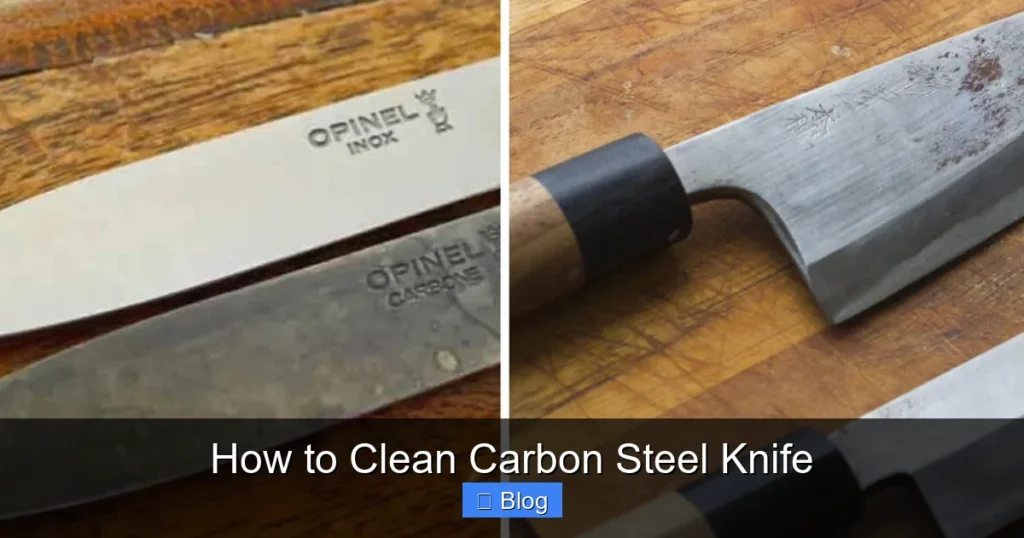
Keeping a carbon steel knife clean is essential for safety and longevity. In this guide, we break down the best cleaning methods, drying techniques, and preventive care to protect your blade from rust and corrosion. Follow our simple steps to enjoy a sharp, reliable knife for years to come.
Key Takeaways
- Immediate Drying: Moisture is the enemy of carbon steel—dry your knife right after washing.
- Gentle Cleaning: Use mild soap and a soft sponge; avoid harsh abrasives that can nick the blade.
- Regular Oil Application: A light coat of food‑grade oil prevents rust and keeps the edge sharp.
- Proper Storage: Hang, magnet, or use a knife block to keep blades from touching each other.
- Routine Inspection: Check for small chips, scratches, or early signs of corrosion every few weeks.
- Avoid Storing with Food: Never leave a carbon steel knife in a drawer with meats or acidic items.
- Use a Cleaning Brush: For hard‑to‑reach spots, a small brush can remove stuck-on food without damaging the blade.
📑 Table of Contents
Introduction
Carbon steel knives are prized for their edge retention, sharpness, and classic feel. However, that same material that makes them so great also makes them vulnerable to rust and corrosion. If you want your knife to stay sharp and safe, you need to learn how to clean it properly. This guide will walk you through the best practices, from washing and drying to oiling and storage.
We’ll keep things simple and practical. No fancy jargon—just clear, step‑by‑step instructions that anyone can follow. By the end, you’ll have a routine that keeps your carbon steel knife looking and working like new.
1. Why Carbon Steel Needs Special Care
What Makes Carbon Steel Different?
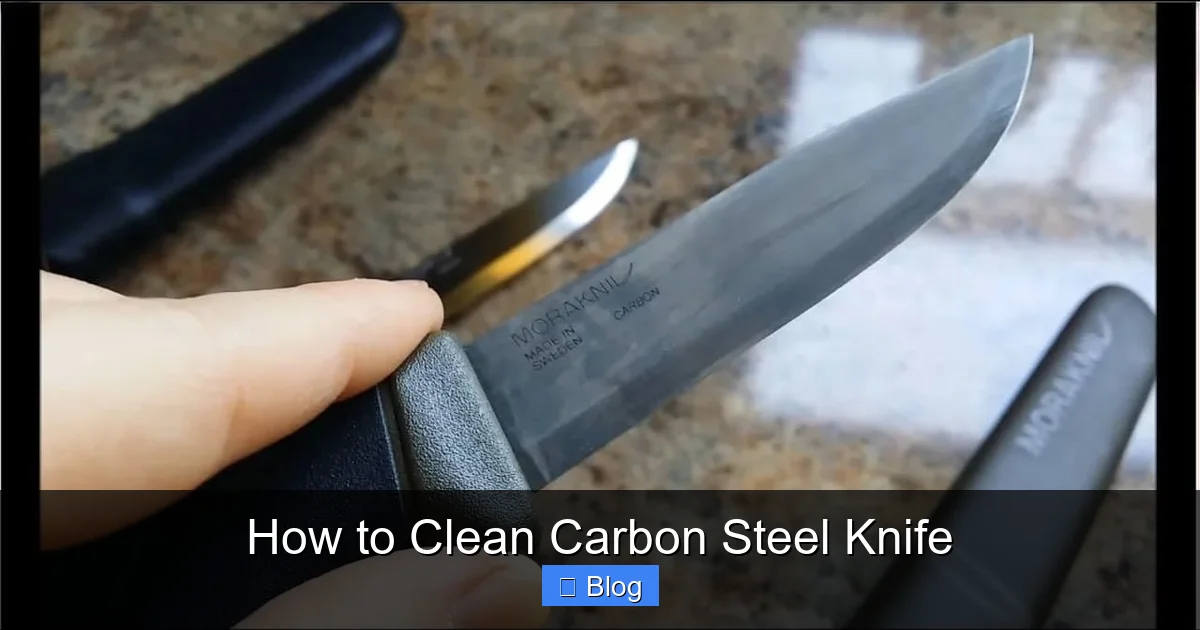
Carbon steel is an alloy of iron and carbon. The high carbon content gives it great hardness and the ability to hold a razor‑sharp edge. Unfortunately, it also means the metal is highly reactive with oxygen and moisture, leading to rust if left unchecked.
Visual guide about How to Clean Carbon Steel Knife
Image source: kenonionknives.com
Common Problems You’ll See
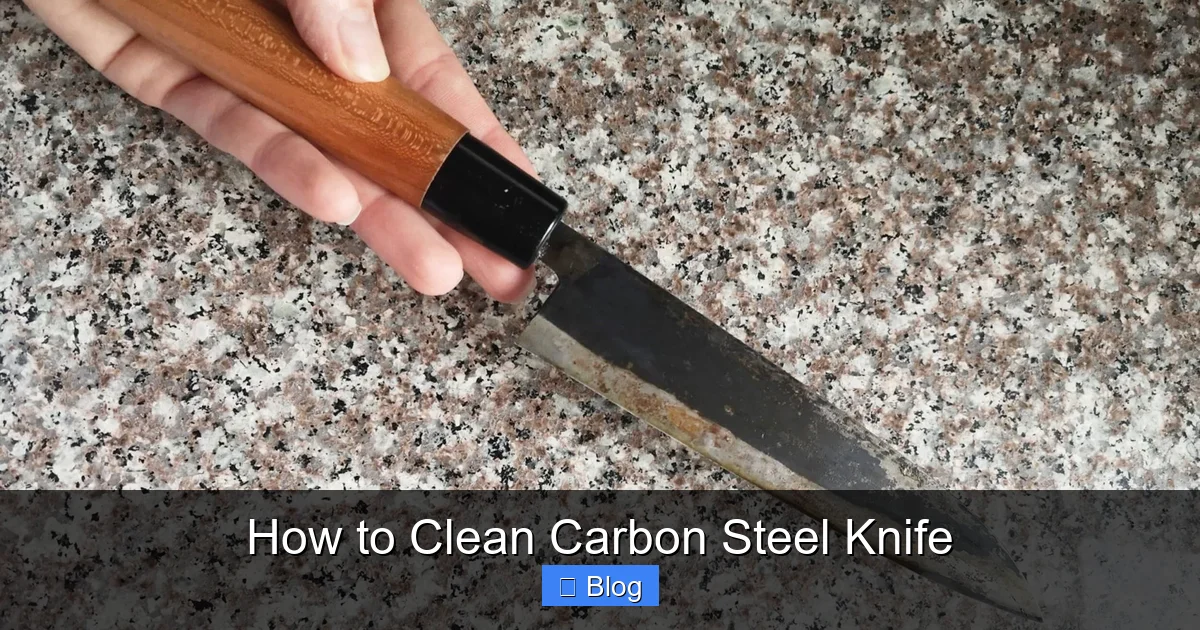
- Surface rust spots after washing.
- Stiff or dull edge after a few uses.
- Staining or discoloration over time.
- Cracks or chipping from improper handling.
Why Careful Cleaning Matters
Proper cleaning not only prevents rust but also keeps the blade’s performance at its peak. A clean, dry, and oiled blade is less likely to dull quickly, making every cutting task easier.
2. The Basic Cleaning Routine
Step 1: Rinse Immediately
After you finish using your knife, rinse it under running water. This removes large food particles that could trap moisture.
Visual guide about How to Clean Carbon Steel Knife
Image source: kenonionknives.com
Step 2: Wash with Mild Soap
Use a gentle dish soap and a soft sponge or a non‑metallic brush. Avoid steel wool, abrasive pads, or harsh detergents that can scratch the blade.
Step 3: Focus on the Edge
The edge is the most vulnerable area. Gently wipe the heel and tip with a damp cloth to remove fine particles. Don’t scrub hard; a light touch is enough.
Step 4: Rinse Thoroughly
Make sure all soap residue is gone. Residual soap can attract moisture and lead to corrosion.
Step 5: Dry Immediately
Use a clean towel or microfiber cloth to dry the blade and handle. Shake off excess water and pat the blade dry. Even a tiny drop of water can start rusting.
Step 6: Apply a Thin Coat of Oil
Choose a food‑grade oil—like mineral oil, olive oil, or a specialized knife oil. Lightly coat the blade with a paper towel. This creates a protective barrier against moisture.
Quick Tip: Use a Knife Brush
If you have a small brush, it’s handy for cleaning tight spots. The bristles can reach the heel and the edge without scratching.
3. Advanced Cleaning Techniques
Using Vinegar for Light Rust Removal
For very light rust spots, a short soak in white vinegar can help. Dip a soft cloth in vinegar, rub the rusted area, then rinse thoroughly. This method is gentle and effective for occasional touch‑ups.
Visual guide about How to Clean Carbon Steel Knife
Image source: nobliecustomknives.com
Drying in a Warm, Dry Environment
After washing, place the knife in a warm, dry spot to air‑dry completely. Avoid leaving it near a sink where humidity is high.
Polishing for Shine
Once the blade is dry and oiled, you can polish it with a fine steel wool (grade 0000) or a dedicated knife polish. Use a light touch and wipe in one direction only.
When to Re‑Oil
Check the blade every month. If it looks dull or you notice a slight sheen, reapply oil. A fresh coat every six months is a good rule of thumb.
4. Storage Solutions That Protect Your Knife
Hang It Up
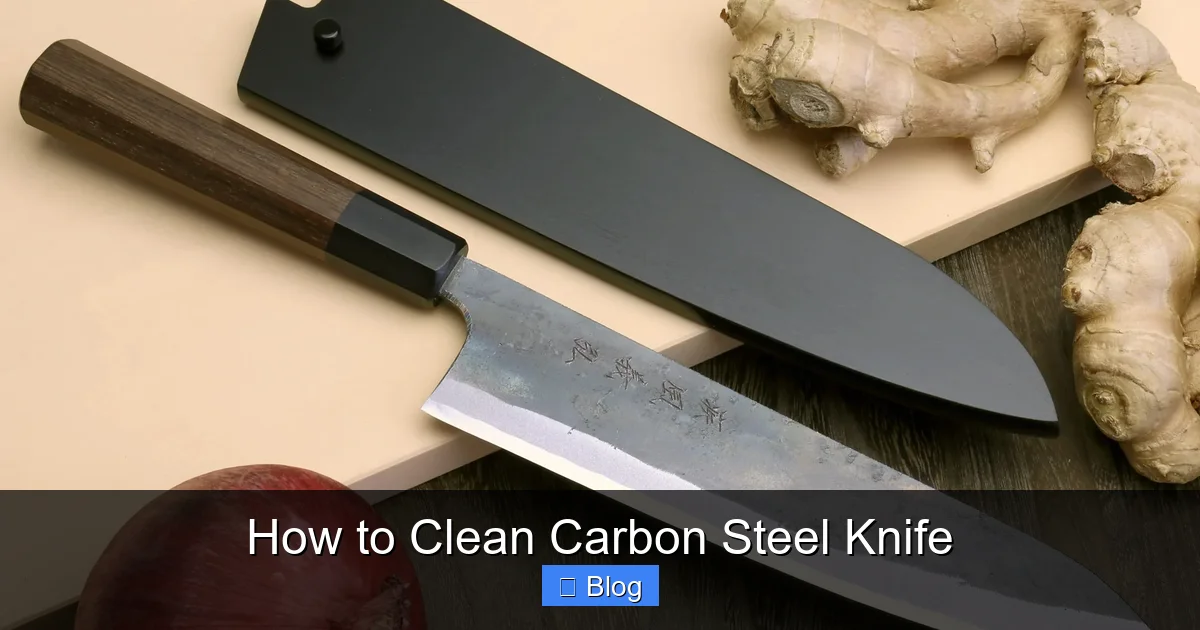
Use a magnetic knife strip or a wall‑mounted holder. Hanging keeps the blade off other metal surfaces and prevents accidental nicking.
Use a Knife Block
If you prefer a block, make sure the slots are deep enough so the blade doesn’t touch other knives. A block with a built‑in oil pocket is ideal.
Avoid Drawer Storage
Don’t store carbon steel knives in a drawer with other utensils. The blade can come into contact with other metal, causing scratches and potential rust.
Keep it Dry Indoors
Store knives in a dry place, away from humidity. A dehumidifier or silica gel packets in the kitchen can help control moisture levels.
5. Common Mistakes to Avoid
- Leaving the Knife Wet: Even a few minutes of dampness can start rust.
- Using Harsh Abrasives: Steel wool or abrasive sponges can damage the edge and strip protective coatings.
- Buying Cheap Oil: Cheap oils can leave a residue that attracts dirt.
- Storing Near Acidic Foods: Acid can accelerate corrosion.
- Ignoring Minor Scratches: Small chips can grow into larger rust spots if not treated.
Conclusion
Cleaning a carbon steel knife is simple if you follow a few key steps: rinse, wash gently, dry immediately, oil, and store properly. By giving your blade the care it deserves, you’ll keep it sharp, rust‑free, and ready for any kitchen task. Treat your knife like a tool of precision—clean, dry, and oil it every time, and it will reward you with years of reliable performance.
🎥 Related Video: How to keep your carbon steel knives from rusting
📺 Knifewear
Frequently Asked Questions
Do I need to use a special oil for my carbon steel knife?
No, a food‑grade oil such as mineral oil or a dedicated knife oil works well. Just apply a thin layer to create a moisture barrier.
Can I wash my carbon steel knife in the dishwasher?
It’s best to avoid dishwashers. The high heat and detergent can strip protective oils and cause rust.
How often should I oil my knife?
After each wash is ideal. If you don’t use it often, oil it every few months to keep the surface protected.
What if I see a small rust spot?
Use a fine steel wool or a vinegar soak to remove the spot, then rinse, dry, and oil immediately.
Can I store my knife in a drawer with other utensils?
Not recommended. The blade can touch other metal, causing scratches and corrosion. Store it on a magnetic strip or in a knife block.
Will using a non‑metallic brush damage the blade?
Using a soft, non‑metallic brush is fine. Just make sure it’s clean and does not have abrasive bristles that could nick the edge.