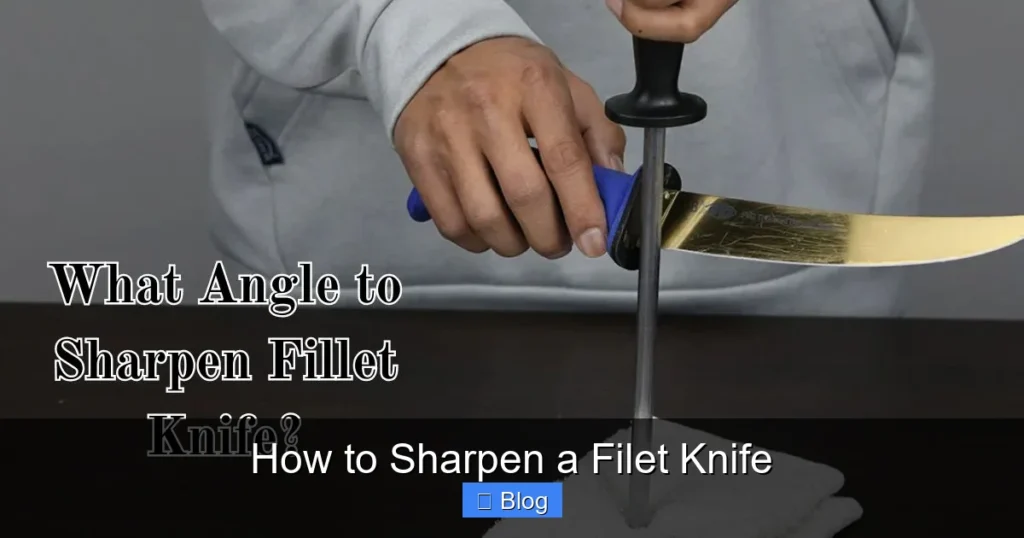
Sharpening a filet knife doesn’t have to be a mystery. With the right tools, a few simple steps, and a little patience, you can keep your blade as thin as a fish’s skin. Follow this guide and your knife will glide through fillets like butter.
Key Takeaways
- Right tools matter: A whetstone, ceramic rod, or guided sharpener will give the best results.
- Angle is everything: Aim for a 15‑20° bevel on each side for a true filet‑knife edge.
- Consistent strokes: Even, light strokes prevent uneven grinding and preserve blade geometry.
- Test the edge: Use the “paper test” or a tomato slice to verify sharpness before cooking.
- Maintain regularly: Light honing after each use extends the time between full sharpenings.
- Safety first: Secure the stone, keep fingers away from the edge, and work on a stable surface.
- Store properly: A blade guard or magnetic strip protects the edge and keeps it ready.
📑 Table of Contents
- Why a Sharp Filet Knife Is a Kitchen Game‑Changer
- What You Need Before You Start
- Understanding the Proper Sharpening Angle
- Step‑by‑Step: Sharpening With a Whetstone
- Alternative Methods: Ceramic Rods and Guided Sharpeners
- Maintaining Your Edge Between Sharpenings
- Common Mistakes and How to Fix Them
- Conclusion: Keep Your Fillet Knife Forever Sharp
Why a Sharp Filet Knife Is a Kitchen Game‑Changer
Imagine trying to slide a dull blade under the delicate flesh of a salmon. The skin tears, the meat crumbles, and the presentation suffers. A sharp filet knife, on the other hand, glides like a hot knife through butter. It gives you clean, precise cuts, reduces waste, and makes the whole filleting process feel effortless.
Most home cooks think a filet knife is “just another kitchen knife” and neglect its upkeep. The truth is, because the blade is thin and flexible, it dulls faster than a heavy chef’s knife. Regular sharpening keeps the edge thin, maintains flexibility, and protects the blade from chipping.
What You Need Before You Start
Essential Tools
- Whetstone (Japanese water stone): 1000‑grit for shaping, 3000‑6000‑grit for polishing.
- Ceramic honing rod: Great for quick touch‑ups between full sharpenings.
- Guided sharpening system: Perfect for beginners who want consistent angles.
- Lubricant: Water for water stones, oil for oil stones, or a light spray of honing oil.
- Cloth or towel: To wipe excess water and keep the work area tidy.
Safety Gear
- Cut‑resistant gloves (optional but helpful for beginners).
- Non‑slip mat or a sturdy cutting board to anchor the stone.
- Good lighting – a bright kitchen light or a portable LED lamp.
Understanding the Proper Sharpening Angle
The secret to a razor‑thin edge on a filet knife is the bevel angle. Most Western knives use a 20°‑25° angle per side. For a flexible filleting blade, aim for 15°‑20° on each side. A smaller angle yields a sharper edge but can be more fragile if you apply excessive force.
Visual guide about How to Sharpen a Filet Knife
Image source: shelf.guide
Visual guide about How to Sharpen a Filet Knife
Image source: thekitchenix.com
How to Find the Right Angle Without a Protractor
Place the blade flat on a table. Lift the heel of the knife until the edge forms a triangle that looks like a 1‑inch base and a 2‑inch height. That visual cue roughly equals a 15°‑20° angle. You can also use a simple angle guide that slides onto the spine of the knife.
Step‑by‑Step: Sharpening With a Whetstone
1. Prepare the Stone
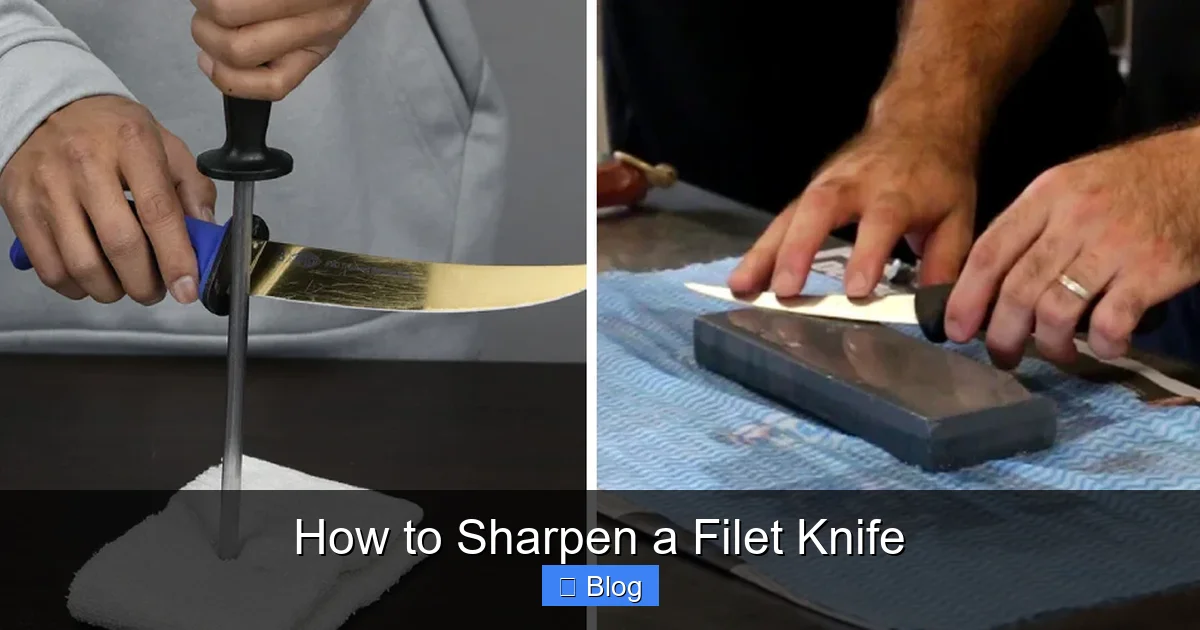
Soak a water stone for 10‑15 minutes until bubbles stop rising. If you’re using an oil stone, apply a thin coat of honing oil instead. Place the stone on a non‑slip mat with the coarse side (1000‑grit) facing up.
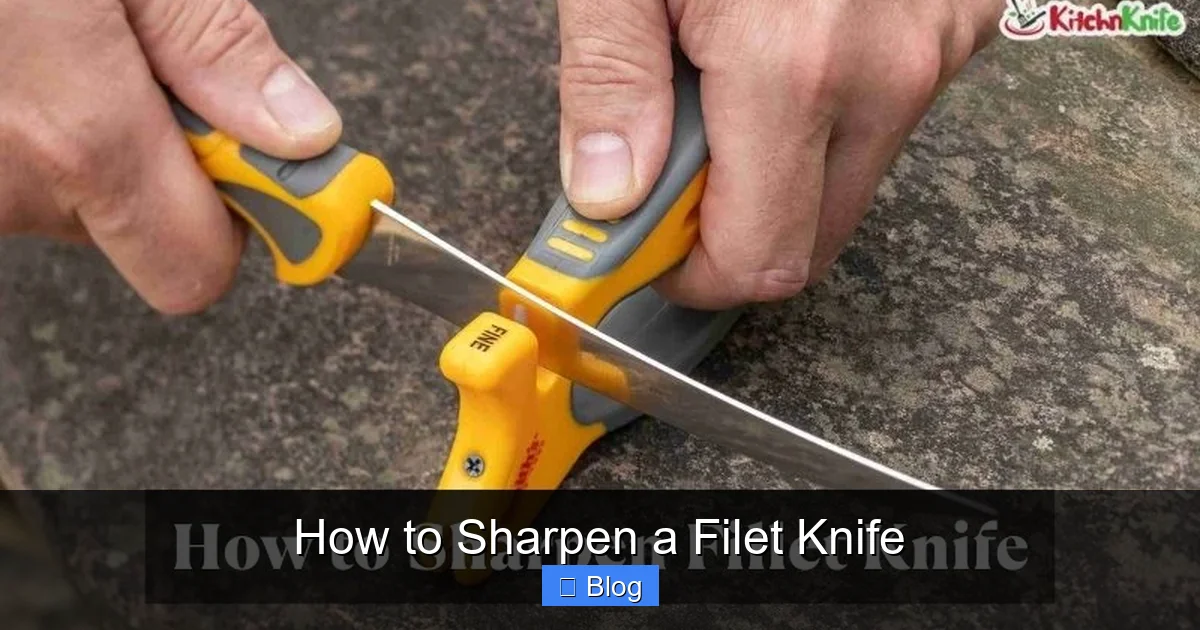
Visual guide about How to Sharpen a Filet Knife
Image source: kitchnknife.com
2. Position the Knife
Hold the knife by the handle with your dominant hand. Rest the heel of the blade on the stone, keeping the spine at the desired angle (15°‑20°). Your other hand lightly presses the flat side of the blade against the stone to maintain stability.
3. Sharpen the First Side
Push the blade away from you, sliding it across the stone as if you’re trying to slice a thin layer of water off the surface. Move from heel to tip in one smooth motion. Do 10‑12 strokes, then check the edge.
4. Flip and Repeat
Turn the knife over and repeat the same number of strokes on the opposite side, maintaining the same angle. Consistency is key; uneven strokes create a wavy edge.
5. Switch to Finer Grit
When the edge feels uniformly sharp, flip the stone to the 3000‑grit side. Repeat the same process—10‑12 strokes per side—until a fine, polished edge appears. For an ultra‑smooth finish, finish with a 6000‑grit stone.
6. Test the Edge
Use the “paper test”: hold a sheet of printer paper upright and gently slide the blade across. A properly sharpened filet knife will bite cleanly without tearing. You can also slice a ripe tomato; a sharp edge should cut through with little pressure.
Alternative Methods: Ceramic Rods and Guided Sharpeners
Using a Ceramic Honing Rod
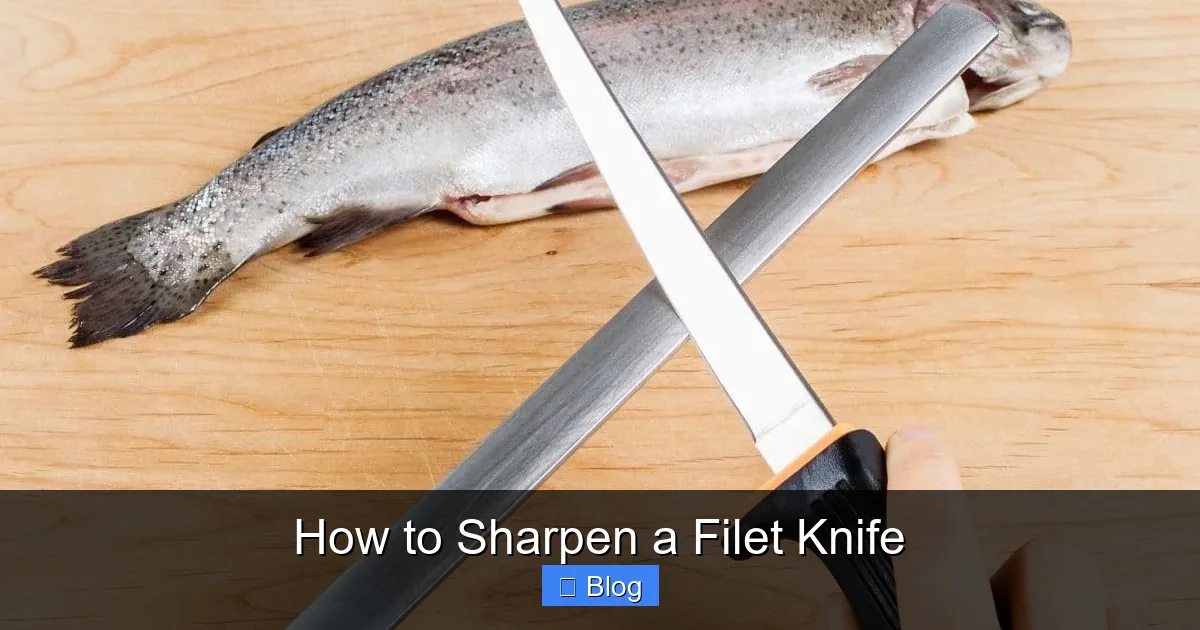
A ceramic rod is perfect for quick touch‑ups. Hold the rod vertically, place the heel of the knife against it at a 15°‑20° angle, and draw the blade down the rod in a sweeping motion. Do 5‑6 strokes per side. This method doesn’t remove much metal, so it’s ideal between full stone sharpenings.
Guided Sharpening Systems
Guided systems (like the Lansky or Edge Pro) have built‑in angle guides. You attach the knife, set the desired angle, and pull the blade through the abrasive plates. They’re user‑friendly and guarantee consistent angles, but they may remove more metal than a stone if overused.
Maintaining Your Edge Between Sharpenings
Honing After Every Use
After each filleting session, run the blade lightly over a fine ceramic rod or a leather strop. This realigns the microscopic teeth and extends the time before a full sharpening is needed.
Proper Cleaning and Drying
Rinse the knife with warm water, dry immediately with a soft cloth, and store it in a knife block or on a magnetic strip. Moisture left on the blade can cause corrosion, especially on high‑carbon steel.
Avoid Cutting Hard Materials
Never use a filet knife on bone, frozen fish, or hard vegetables. Doing so dulls the edge faster and can chip the thin blade.
Common Mistakes and How to Fix Them
- Wrong angle: If the edge feels “rounded,” you likely used too steep an angle. Return to a finer grit and re‑establish the 15°‑20° bevel.
- Uneven strokes: Unequal pressure creates a wavy edge. Count strokes and use a guide if needed.
- Skipping the polishing grit: Skipping from 1000‑grit to a finished edge leaves microscopic burrs that feel “scratchy.” Always finish on a 3000‑6000‑grit stone.
- Using a dull stone: Over‑used stones lose their abrasive quality. Flatten your stone periodically with a flattening stone or a lapping plate.
Conclusion: Keep Your Fillet Knife Forever Sharp
Sharpening a filet knife is a simple, satisfying routine once you have the right tools and a clear process. By respecting the delicate angle, using consistent strokes, and maintaining the edge between sessions, you’ll enjoy smoother filleting, less waste, and a knife that feels like an extension of your hand. Treat your blade with care, and it will reward you with years of effortless fish prep.
🎥 Related Video: How a Fish Market Sharpens Knives
📺 Reed The Fishmonger
Learn how we sharpen knives at Captain Clay & Sons Seafood Market. Get the knife I use at www.reedthefishmonger.com …
Frequently Asked Questions
How often should I sharpen my filet knife?
For a home cook, a full stone sharpening every 6‑12 months is typical. Light honing after each use keeps the edge ready and reduces the need for frequent full sharpenings.
Can I use a regular kitchen sharpening stone for a filet knife?
Yes, a standard 1000‑/3000‑grit whetstone works well. Just be mindful of the lower angle (15°‑20°) required for the thin blade.
Is it safe to sharpen a serrated filet knife?
Most filet knives are not serrated. If yours has a tiny serrated edge, use a ceramic rod designed for serrations or a specialized serrated sharpener.
What’s the difference between honing and sharpening?
Honing realigns the existing edge without removing much metal, while sharpening grinds away metal to create a new edge.
Do I need to oil my filet knife after sharpening?
Lightly oiling a high‑carbon steel blade prevents rust. Stainless steel typically does not require oil, but a quick wipe with food‑safe oil can add protection.
Can I sharpen a ceramic filet knife?
Ceramic blades require a diamond stone or a dedicated ceramic sharpener. Traditional water stones will not work on ceramic material.