Keeping your Coolina knives in top shape is simple when you follow the right routine. From proper washing to regular honing, this guide walks you through every step so your blades stay sharp, rust‑free, and ready for any cooking challenge. Follow these practical tips and enjoy years of flawless performance.
Key Takeaways
- Gentle cleaning: Hand‑wash with mild soap; avoid dishwashers to prevent corrosion.
- Regular honing: Use a honing steel after each use to maintain edge alignment.
- Proper sharpening: Sharpen with a whetstone or quality electric sharpener every 6‑12 months.
- Dry storage: Store knives in a magnetic strip or knife block and keep them completely dry.
- Oil the blades: Light food‑grade oil prevents rust on high‑carbon steel cores.
- Avoid harsh acids: Limit contact with citrus, tomatoes, and salt‑heavy foods to protect the steel.
- Regular inspection: Check handles and rivets for wear; tighten or replace as needed.
📑 Table of Contents
- Introduction: Why Proper Care Matters
- 1. Cleaning Your Coolina Knife the Right Way
- 2. Drying and Preventing Rust
- 3. Honing: Keeping the Edge Aligned
- 4. Sharpening: Restoring the Edge
- 5. Storage Solutions That Protect Your Blade
- 6. Maintaining Handles and Overall Knife Health
- Conclusion: Your Coolina Knives Will Thank You
Introduction: Why Proper Care Matters
Coolina knives are celebrated for their razor‑sharp edges, ergonomic handles, and beautiful Japanese‑style craftsmanship. But even the finest blade can lose its edge, develop rust, or suffer handle damage if you don’t give it the love it deserves. The good news? Caring for a Coolina knife is easy—think of it as a short daily ritual rather than a chore.
In this article we’ll walk through every step, from the moment you finish chopping onions to the time you store the knife for the night. You’ll learn how to wash, dry, hone, sharpen, oil, and store your knives so they stay as sharp as the day you bought them. Let’s dive in!
1. Cleaning Your Coolina Knife the Right Way
Hand‑wash, Never Dishwasher
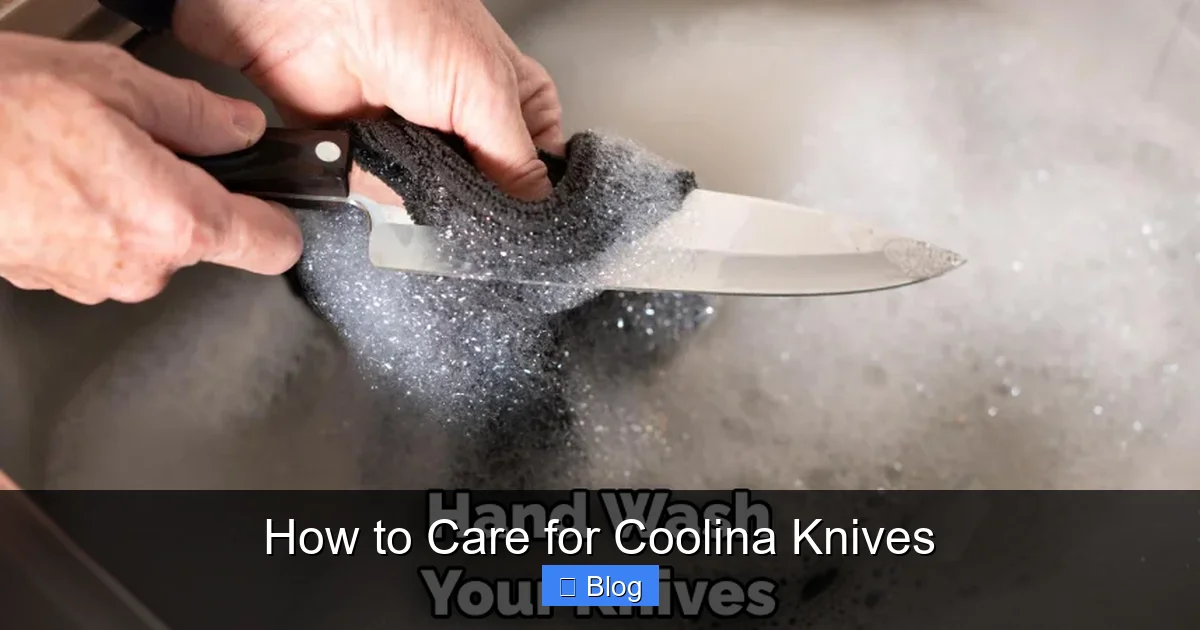
The dishwasher is tempting, but the high heat and harsh detergents can strip the protective coating on the blade and damage the handle. Always wash your Coolina knife by hand.

Visual guide about How to Care for Coolina Knives
Image source: i.ytimg.com
- Step 1: Fill a sink with warm water and a drop of mild dish soap.
- Step 2: Use a soft sponge or cloth—never steel wool—to gently scrub the blade.
- Step 3: Rinse quickly with clean water.
- Step 4: Pat dry with a lint‑free towel.
Dealing with Stubborn Stains
If food residue sticks, soak the blade for 30 seconds in warm, soapy water. For tougher spots, make a paste of baking soda and water, apply it with a soft brush, then rinse.
Avoiding Acidic Damage
Acidic foods like lemon, vinegar, or tomato sauce can etch the steel if left on the blade for long periods. Rinse the knife promptly after cutting such ingredients.
2. Drying and Preventing Rust
Why Complete Drying Is Crucial
Even a few drops of water can cause rust on the high‑carbon core of many Coolina knives. After washing, always make sure the blade is completely dry before storing.
Visual guide about How to Care for Coolina Knives
Image source: thekitchenix.com
Best Drying Techniques
- Pat‑dry method: Use a soft, absorbent towel to blot the blade, edge, and handle.
- Air‑dry boost: Hold the knife at a slight angle over the sink for a few seconds to let any remaining moisture evaporate.
Light Oil Application
For extra protection, apply a thin layer of food‑grade mineral oil or camellia oil. Put a few drops on a soft cloth and rub the blade in a sweeping motion. The oil creates a barrier that repels moisture.
3. Honing: Keeping the Edge Aligned
What Honing Actually Does
Honing does not remove metal; it simply realigns the microscopic teeth that get bent during use. Think of it as straightening a bent fence rather than rebuilding it.
Visual guide about How to Care for Coolina Knives
Image source: thekitchenix.com
Choosing a Honing Steel
Coolina recommends a medium‑grit (around 3000) ceramic or steel honing rod. A magnetic strip with a built‑in steel works well for quick daily touch‑ups.
Honing Technique
- Hold the steel vertically with the tip resting on a stable surface.
- Place the knife heel against the steel at a 15‑20° angle.
- Draw the blade down the steel, moving from heel to tip, while maintaining the angle.
- Repeat 5‑8 strokes on each side.
- Finish with a gentle wipe to remove any metal filings.
Do this after each cooking session; the habit will become second nature.
4. Sharpening: Restoring the Edge
When to Sharpen
If you notice the blade slipping or needing more force, it’s time to sharpen. Most home cooks sharpen their Coolina knives every 6‑12 months, depending on usage.
Sharpening Tools
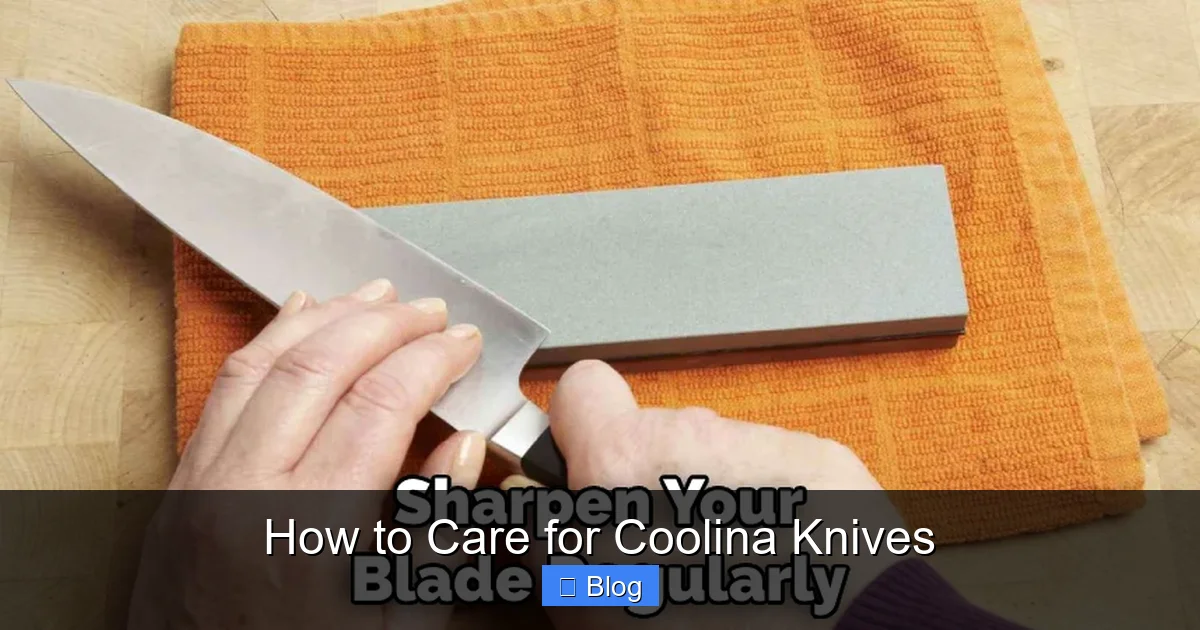
- Whetstone: Offers the most control. Use a two‑sided stone (coarse 1000 grit, fine 3000‑6000 grit).
- Electric Sharpener: Convenient for quick jobs; choose a model with adjustable angles for Japanese‑style knives.
- Pull‑through Sharpener: Simple but can remove more steel than needed; best for occasional touch‑ups.
Step‑by‑Step Whetstone Sharpening
- Soak the stone in water for 10 minutes.
- Place the stone on a non‑slip mat, coarse side up.
- Hold the knife at a 15° angle (use a guide if needed).
- Push the blade forward across the stone, covering the entire edge.
- Repeat 10‑15 strokes, then flip to the fine side for polishing.
- Rinse the blade, dry, and oil.
Maintaining the Edge After Sharpening
After sharpening, hone the blade a few times to remove any burrs. Store the knife properly (see next section) to keep the edge sharp longer.
5. Storage Solutions That Protect Your Blade
Why Storage Matters
Improper storage can dull the edge, nick the blade, or stress the handle. Choose a method that keeps each knife separate and stable.
Popular Storage Options
- Magnetic Strip: Keeps knives visible and accessible; ensure the magnet is strong enough for the weight.
- Knife Block: Classic wooden blocks work well; avoid overcrowding.
- Blade Guard or Sheath: Ideal for drawer storage; choose a snug, non‑abrasive material.
- Custom Drawer Inserts: Provide individual slots and protect both blades and handles.
Best Practices
- Store knives with the edge up on a magnetic strip.
- Keep the block dry and clean; wipe it down monthly.
- Never toss knives into a drawer without a guard.
- Separate high‑carbon and stainless steel knives to avoid cross‑contamination of rust.
6. Maintaining Handles and Overall Knife Health
Inspecting Handles
Coolina handles are made from pakkawood, resin‑filled wood, or stainless steel. Check for cracks, loose rivets, or excessive wear every few months.
Fixing Loose Rivets
If a rivet feels wobbly, tighten it with a small screwdriver or replace it with a matching screw. A tight handle prevents blade movement and reduces fatigue.
Cleaning Non‑Metal Handles
Wipe wooden or pakkawood handles with a damp cloth; avoid soaking. Apply a light coat of food‑safe oil once a month to keep the wood from drying out.
Professional Servicing
Even with diligent home care, a professional sharpening or inspection once a year can extend the life of your Coolina knives. Look for a reputable cutlery shop that understands Japanese‑style blades.
Conclusion: Your Coolina Knives Will Thank You
Taking a few minutes each day to clean, dry, hone, and store your Coolina knives properly will pay off in years of effortless slicing, dicing, and chopping. Remember the core steps: hand‑wash, pat dry, oil lightly, hone after each use, sharpen when needed, and store safely. With these habits, your knives will stay razor‑sharp, rust‑free, and a joy to use—just like the day you first unwrapped them.
Enjoy cooking with confidence, knowing your Coolina knives are in the best possible hands—the yours.
🎥 Related Video: How to clean Coolina knives 🧼 #hawktuah #viral #asmr #packing
📺 TheMysteriousPacker
Frequently Asked Questions
How often should I hone my Coolina knives?
Hone them after each cooking session or at least once a day if you use the knife frequently. Honing keeps the edge aligned without removing metal.
Can I put my Coolina knives in the dishwasher?
No. The high heat and harsh detergents can damage the blade’s coating and handle. Always hand‑wash and dry immediately.
What type of oil is best for preventing rust?
Food‑grade mineral oil or camellia oil works well. Apply a thin layer after cleaning and drying to create a moisture barrier.
Is a ceramic honing steel safe for Coolina knives?
Yes, a medium‑grit ceramic rod (around 3000) is safe and effective for daily edge maintenance on Coolina blades.
How do I know when my knife needs sharpening?
If the blade slides or requires more pressure to cut, it’s time to sharpen. A simple paper test—if the knife tears rather than slices—also indicates dullness.
Can I store my knives in a drawer without a guard?
It’s not recommended. Without a guard, the blades can knock against each other, dulling the edges and potentially causing injuries.