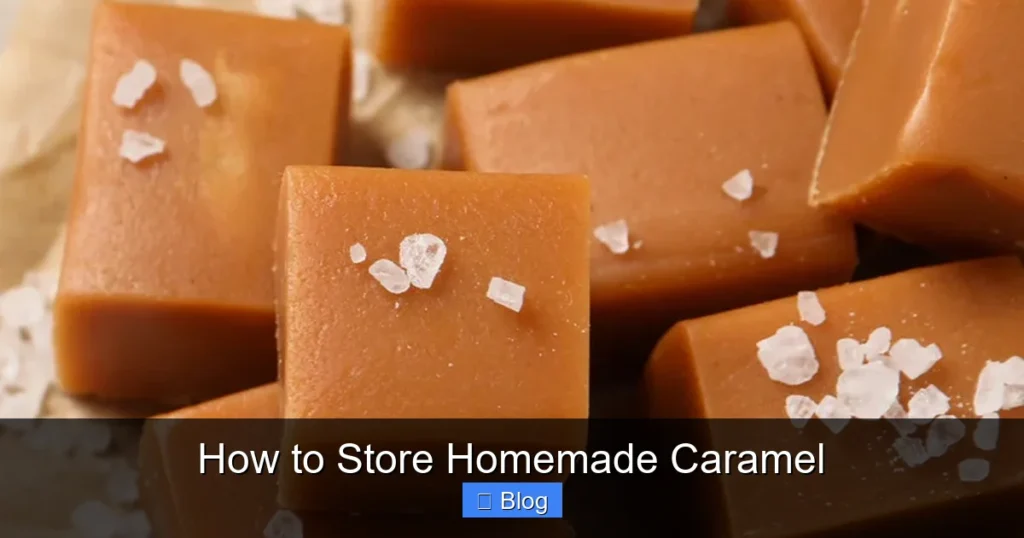
Homemade caramel is a treat worth saving, but improper storage can turn it grainy or stale. This guide shows you how to store homemade caramel safely in the fridge, freezer, and even at room temperature, plus handy tips for reheating and repurposing leftovers. Follow these simple steps and keep your caramel perfect for any occasion.
Key Takeaways
- Cool before you seal: Let caramel reach room temperature before refrigerating or freezing to prevent condensation.
- Airtight matters: Use glass jars or heavy‑duty plastic containers with tight lids to keep air out.
- Short‑term vs. long‑term: Refrigerated caramel lasts 2‑3 weeks; frozen caramel can keep 3‑6 months.
- Reheat gently: Warm caramel slowly in a saucepan or microwave, stirring often to restore smoothness.
- Portion control: Freeze caramel in silicone molds or ice‑cube trays for easy, single‑serve portions.
- Avoid moisture: Store away from strong odors and humidity to preserve flavor.
- Revive grainy caramel: Add a splash of cream or butter and whisk to bring back that silky texture.
📑 Table of Contents
- Introduction: Why Proper Storage Is a Game‑Changer
- 1. The Science Behind Caramel Shelf Life
- 2. Storing Caramel at Room Temperature
- 3. Refrigerating Homemade Caramel
- 4. Freezing Homemade Caramel for Long‑Term Storage
- 5. Troubleshooting Common Issues
- 6. Creative Ways to Use Leftover Caramel
- Conclusion: Keep Your Caramel Perfect, Anytime
Introduction: Why Proper Storage Is a Game‑Changer
Making caramel at home feels like a little kitchen magic. The sweet, buttery aroma fills the house, and the glossy sauce looks like liquid gold. But the excitement can fade quickly if the caramel isn’t stored right. A few hours in the wrong container and it can turn grainy, develop a skin, or absorb unwanted flavors.
Whether you’re a weekend baker who whips up a batch for a birthday cake or a candy enthusiast who loves drizzling caramel over popcorn, knowing how to store homemade caramel will let you enjoy that perfect texture for weeks—or even months. This article breaks down every storage method, from the fridge to the freezer, and gives you practical tips you can start using today.
1. The Science Behind Caramel Shelf Life
What happens to caramel over time?
Caramel is essentially melted sugar combined with butter, cream, and sometimes corn syrup. The high sugar concentration makes it hygroscopic, meaning it attracts moisture from the air. When moisture gets in, sugar crystals can form, turning smooth caramel into a grainy mess.
Temperature and oxidation
Heat speeds up oxidation, which can cause off‑flavors. Cold temperatures slow down both oxidation and moisture migration, which is why refrigeration and freezing are the go‑to methods for longer storage.
2. Storing Caramel at Room Temperature
When is it okay?
If you plan to use the caramel within 24‑48 hours, a cool, dry place works fine. This is common for small batches meant for topping a dessert the same day.
Best containers
- Glass jars with screw lids: They create a tight seal and don’t leach flavors.
- Ceramic or stainless‑steel tins: Good for short‑term storage if you keep them covered.
Tips to keep it smooth
- Cover the surface with a thin layer of melted chocolate or a sheet of wax paper to block air.
- Store away from direct sunlight and heat sources.
- Keep the container in a pantry that stays below 70 °F (21 °C).
3. Refrigerating Homemade Caramel
How long can it last?
In the fridge, properly sealed caramel stays fresh for 2‑3 weeks. The cold environment slows oxidation and prevents sugar crystals from forming.
Step‑by‑step refrigeration guide
- Cool completely: Let the caramel sit at room temperature for about 30 minutes. Hot caramel creates steam, which leads to condensation once sealed.
- Choose the right container: Use a glass jar, a BPA‑free plastic container, or a resealable silicone bag.
- Seal tightly: Press the lid down firmly to eliminate any air pockets.
- Label with date: Write the preparation date on the lid so you know when it’s time to discard.
Reheating refrigerated caramel
When you’re ready to use it, place the sealed jar in a bowl of warm water for 5‑10 minutes, then stir. Alternatively, microwave in 15‑second bursts, stirring after each burst until smooth.
4. Freezing Homemade Caramel for Long‑Term Storage
Why freeze?
Freezing stops all chemical reactions, preserving flavor and texture for up to 6 months. It’s perfect for bulk batches or when you want a ready‑to‑use stash for holidays.
Preparation before freezing
- Portion it out: Spoon caramel into silicone ice‑cube trays or mini muffin tins. This makes defrosting quick.
- Wrap each piece: Once solid, pop the caramel cubes onto parchment paper and wrap them individually in plastic wrap.
- Bag it: Place the wrapped pieces in a freezer‑safe zip‑top bag, removing as much air as possible.
Freezer‑safe containers
- Heavy‑duty freezer bags (preferably vacuum‑sealed).
- Rigid plastic containers with snap‑tight lids.
- Glass jars rated for freezer use (e.g., mason jars with wide mouths).
Defrosting and using frozen caramel
- Transfer the desired amount to the refrigerator overnight, or
- Place the sealed bag in a bowl of warm water for 10‑15 minutes.
- Warm gently in a saucepan over low heat, stirring constantly.
Never microwave frozen caramel directly; it can heat unevenly and become grainy.
5. Troubleshooting Common Issues
Grainy or “crystallized” caramel
If your caramel turns grainy after storage, add a tablespoon of heavy cream or butter, then whisk over low heat until smooth. The added fat helps dissolve sugar crystals.
Skin forming on the surface
A thin skin is a sign of exposure to air. To prevent it, press a piece of parchment paper directly onto the surface before sealing the container.
Off‑flavors or odors
Strong-smelling foods (onions, garlic, spices) can transfer flavors. Store caramel away from such items, and use airtight containers.
6. Creative Ways to Use Leftover Caramel
Quick desserts
- Drizzle over ice cream or frozen yogurt.
- Swirl into coffee or hot chocolate for a caramel latte.
- Use as a dip for apple slices, pretzels, or popcorn.
Cooking hacks
Stir a spoonful into pancake batter for caramel‑infused breakfast, or mix into mashed sweet potatoes for a sweet‑savory side.
Gift ideas
Package small jars of caramel with a handwritten label. They make lovely homemade gifts for holidays or thank‑you notes.
Conclusion: Keep Your Caramel Perfect, Anytime
Knowing how to store homemade caramel turns a fleeting kitchen delight into a lasting pantry staple. By cooling the caramel first, sealing it in airtight containers, and choosing the right temperature—room, fridge, or freezer—you can keep that silky texture and buttery flavor for weeks or months. Remember the simple reheating tricks, and you’ll always have a ready‑to‑pour sauce for desserts, drinks, or snacks. So the next time you make a batch, store it right, and enjoy that golden goodness whenever the craving hits.
🎥 Related Video: Homemade Salted Caramel!
📺 Butternut Bakery
This foolproof Homemade Salted Caramel recipe uses only 5 ingredients! It’s so easy to make but creates a rich salted caramel …
Frequently Asked Questions
Can I store caramel at room temperature for more than two days?
It’s not recommended. Caramel left at room temperature beyond 48 hours can develop a skin, absorb moisture, and become grainy. For longer storage, refrigerate or freeze.
Do I need to add preservatives to keep caramel fresh?
No. Proper sealing, cooling, and refrigeration or freezing are enough to preserve flavor and texture without additives.
What type of container is best for freezing caramel?
Use freezer‑safe zip‑top bags, silicone molds, or heavy‑duty plastic containers. Ensure the container is airtight to prevent freezer burn.
How can I tell if frozen caramel has gone bad?
If the caramel smells sour, has visible mold, or shows freezer burn (white patches), discard it. Otherwise, it should be safe up to six months.
Is it okay to microwave caramel to reheat it?
Yes, but only in short bursts (15‑20 seconds) and with frequent stirring. Overheating can cause scorching and graininess.
Can I add flavors (like sea salt or vanilla) after storing caramel?
Absolutely. Stir in a pinch of sea salt, a splash of vanilla extract, or a drizzle of bourbon after reheating for an extra flavor boost.