Yes, you can microwave coffee, but you need to be careful about heat levels and container choice. Reheating coffee in the microwave is quick, but it often changes the taste and aroma if you do it wrong. Using a microwave-safe mug and heating in short bursts helps protect your drink and your appliance. This guide will show you exactly how to reheat coffee without ruining the flavor. You will also learn why fresh coffee always tastes better than reheated coffee.
We have all been there. You pour a fresh cup of coffee in the morning. You get busy with work, chores, or kids. An hour later, your coffee is cold and sad. You want that warm, comforting drink back. So you look at the microwave and wonder if it is okay to use it. The short answer is yes, but there are some important details you need to know. Can you microwave coffee without ruining it? The truth is that you can, but the results depend on how you do it.
Microwaving coffee is fast and convenient. It saves you from brewing a whole new pot. But heat changes coffee. Coffee contains delicate oils and acids. These give your drink its unique flavor and smell. When you apply high heat, those compounds break down. The result can be a bitter, flat, or strange-tasting cup. That is why many coffee lovers say reheated coffee never tastes the same. Still, if you do it the right way, you can enjoy a warm cup without too much flavor loss.
In this guide, we will walk through everything you need to know. We will talk about safety, taste, the best containers, and simple steps to follow. We will also cover common mistakes and expert tips. By the end, you will know exactly how to reheat your coffee with confidence. You will also learn when it might be better to just brew a fresh cup instead.
Key Takeaways
- Safe heating matters: Always use a microwave-safe mug to avoid chemicals or cracks.
- Heat in short bursts: 30-second intervals prevent overheating and boiling over.
- Flavor changes are normal: Microwaving can make coffee taste more bitter or acidic.
- Avoid boiling: Letting coffee boil ruins the taste and can burn you.
- Fresh is best: Cold brew or fresh coffee usually beats reheated coffee.
- Stir before drinking: Microwaves heat unevenly, so stirring helps balance the temperature.
- Watch the milk: If your coffee has milk, heat gently to avoid separating the dairy.
📑 Table of Contents
Can You Microwave Coffee Safely?
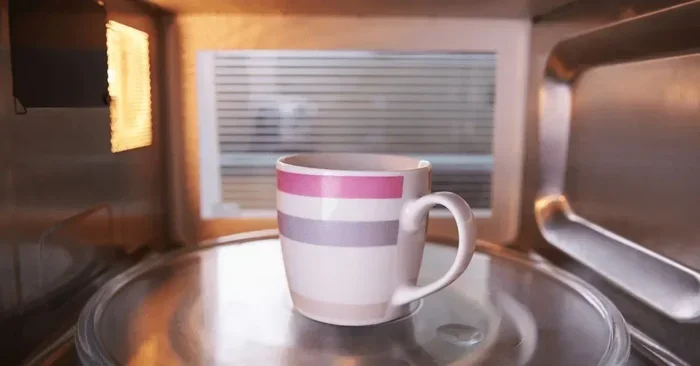
Safety comes first when you heat any food or drink. Coffee is mostly water, so it does not pose the same risks as some other items. But the container you choose matters a lot. Not all mugs are made for microwave use. Some ceramics have metallic paint or cracks that can cause problems. Some plastics can melt or release chemicals when heated. That is why you should always check the label or the bottom of your mug. Look for words like microwave-safe before you press start.
Another safety concern is superheating. This happens when liquid gets hotter than its boiling point without actually bubbling. Then, when you move the cup or add something to it, the coffee can suddenly erupt. This can burn your hands or face. To avoid this, never heat coffee for too long at once. Also, place a non-metal object like a wooden stir stick in the cup if your microwave allows it. This gives bubbles a place to form and lowers the risk of sudden boiling.
Choosing the Right Mug
The mug you use can make or break your reheating experience. A good microwave-safe mug spreads heat evenly and does not react to high temperatures. Ceramic and glass are usually great choices. Avoid mugs with gold or silver trim unless the label says they are microwave-safe. Metal can spark in the microwave and damage the appliance. You should also avoid cracked mugs because heat can make the cracks worse.
If you love coffee on the go, you might wonder about travel mugs. Many travel mugs are not designed for the microwave. Some have metal parts or insulated walls that block heat. Others have plastic lids that can warp. Before you microwave a travel mug, read the manufacturer instructions carefully. When in doubt, pour the coffee into a simple ceramic mug instead. For more guidance on choosing the right vessel, you can check out our article on the best microwave safe coffee mug with lid.
How to Microwave Coffee the Right Way
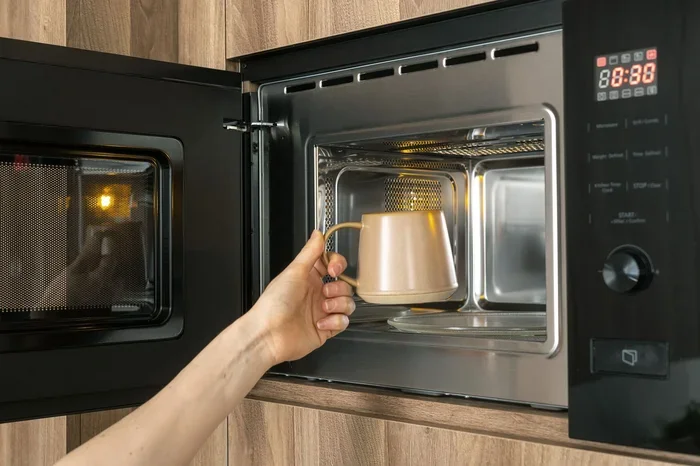
Reheating coffee is simple when you follow a few smart steps. The biggest mistake people make is zapping their cup for too long. Coffee does not need a long heat session. It just needs a gentle warm-up. Start with a clean, microwave-safe mug. Pour the coffee into the mug if it is not already in one. Make sure the coffee level is not too close to the rim. This gives it room to move without spilling over.
Visual guide about microwave coffee mug kitchen
Image source: fluentincoffee.com
Set your microwave to medium power if possible. High power can heat too fast and cause hot spots. Heat the coffee for about 30 seconds first. Then check the temperature. If it is still cold, add another 15 to 30 seconds. Repeat this process until the coffee is warm enough for you. This slow method helps protect the flavor and reduces the chance of boiling. After heating, stir the coffee well. Microwaves often heat unevenly, so stirring helps spread the warmth throughout the cup.
Best Time and Power Settings
There is no single perfect time for every cup. The right setting depends on your microwave, your mug, and how much coffee you have. A small cup usually needs less time than a large mug. A good starting point is 30 seconds at medium power. If your microwave does not have power levels, just use shorter bursts. It is better to underheat and add more time than to overheat and ruin the drink.
Here is a simple approach you can follow:
- Heat for 30 seconds at medium power
- Stir the coffee gently
- Check the temperature with your hand or a spoon
- Add 15 to 30 seconds if needed
- Stir again before drinking
This method gives you more control. It also helps you avoid a scalding hot cup that tastes harsh. If you want a more precise result, you can use a food thermometer. Aim for a warm drinking temperature rather than a boiling one. Most people enjoy coffee between 130 and 160 degrees Fahrenheit. Boiling coffee can taste burnt and may even damage some mugs over time.
Does Microwaving Coffee Ruin the Taste?
This is the big question for most coffee drinkers. The honest answer is that microwaving can change the taste, but it does not always ruin it. Coffee flavor comes from a mix of compounds. Heat affects those compounds. When you reheat coffee, some of the brighter, lighter notes can fade. At the same time, bitter notes can become more noticeable. This is why reheated coffee sometimes tastes flat or sharp.

Visual guide about microwave coffee mug kitchen
Image source: coffeexplore.com
The longer coffee sits, the more its flavor changes. Old coffee also picks up odors from the air and from the container it sits in. If your coffee has been sitting out for hours, the taste may already be off before you even microwave it. In that case, the microwave is not the only problem. The age of the coffee matters too. Fresh coffee will always give you a better result than coffee that has been sitting on the counter all morning.
Why Coffee Flavor Changes
Coffee contains acids, oils, and aromatic compounds. These elements create the rich smell and taste we love. Heat can break down some of these compounds. It can also cause the oils to separate or feel heavier on the tongue. When you microwave coffee, the heat may not spread evenly at first. That can create hot spots where the flavor changes more quickly. Stirring helps, but it cannot fully reverse the chemical changes that happen during reheating.
Milk and sugar also play a role. If you drink black coffee, the changes may be more obvious. If you add milk, the dairy can behave differently under heat. Milk can scald or develop a skin if it gets too hot. That can make the whole cup taste less smooth. If your coffee has creamer or milk, heat it gently and watch it closely. You can learn more about safe microwave habits in our guide on can you microwave Ziploc bags safely, which explains how different materials react to heat.
Common Mistakes When Reheating Coffee
Even though microwaving coffee is easy, people still make mistakes. These mistakes can lead to bad taste, spills, or even minor safety issues. Knowing what to avoid will save you time and frustration. Here are some of the most common problems and how to prevent them.

Visual guide about microwave coffee mug kitchen
Image source: m.media-amazon.com
Overheating and Boiling Over
One of the biggest mistakes is heating coffee for too long. People often set the microwave for one or two minutes and walk away. That is usually too much for a single cup. Coffee can boil over quickly once it gets too hot. This creates a mess and can burn you when you clean it up. It also makes the coffee taste harsh. Short bursts are much safer and more effective.
Using the Wrong Container
Another common mistake is using a mug that is not microwave-safe. Some mugs look fine but have hidden metal trim or glazes that react to microwaves. Others are made from materials that crack under heat. If your mug gets very hot on the outside, that is a warning sign. It may not be the right choice for reheating. Always check the mug before you use it. If you are unsure, switch to a simple glass or ceramic cup.
Ignoring Stirring
Many people forget to stir their coffee after heating. That is a problem because microwaves do not heat evenly. You might get a cup where the top is warm but the bottom is still cold. Or you might get a small pocket of very hot liquid. Stirring helps balance the temperature and improves the taste. It only takes a second, but it makes a big difference.
Expert Tips for Better Reheated Coffee
If you want the best possible result, a few small tricks can help. These tips do not require special equipment. They just rely on good habits and a little attention. Try these ideas the next time you reheat your coffee.
Add Fresh Elements
One easy way to improve reheated coffee is to add a fresh touch. A splash of hot water can soften the flavor if the coffee has become too strong or bitter. A little fresh milk or cream can also smooth out the taste. Some people like to add a tiny pinch of salt to reduce bitterness. It sounds strange, but it can help balance the flavor without making the coffee taste salty.
Reheat Only What You Will Drink
Do not reheat a huge pot of coffee just to save time. It is better to pour out the amount you want and heat that. Reheating a large batch increases the chance of uneven heating and flavor loss. It also means the rest of the coffee may sit and cool down again. Heating a smaller amount gives you more control and a better drinking experience.
Keep Your Microwave Clean
A clean microwave works better and smells better. Old coffee spills or food residue can affect the air inside the appliance. They can also cause unwanted odors when you heat your cup. Wipe down the inside of your microwave regularly. If you want to know how to deal with pests or odors in your appliance, you may find our article on how to get rid of ants in microwave useful for keeping your kitchen space clean and safe.
When It Is Better to Brew Fresh Coffee
Sometimes reheating is not the best choice. If your coffee has been sitting out for a long time, the flavor may already be poor. In that case, a fresh cup will almost always taste better. Coffee is at its best soon after brewing. The aroma is stronger, the acids are balanced, and the oils are still fresh. That is why many coffee fans prefer to brew a new cup instead of reheating an old one.
If you find yourself reheating coffee often, you might want to change your routine. Consider brewing a smaller amount in the morning. Or use a thermal carafe to keep your coffee warm without a heater. A good coffee maker or a smart office setup can also help. If you work in an office, a well-planned coffee and microwave station for office use can make your daily routine easier and more enjoyable.
There are also times when cold coffee is actually a good thing. Cold brew coffee is smooth and less acidic. If you do not mind cold drinks, you might enjoy coffee cold instead of reheating it. That can save time and reduce waste. The best choice depends on your taste and your schedule.
Quick Tips for Microwaving Coffee
- Use short heating bursts instead of one long cycle.
- Stir after each burst to spread the heat evenly.
- Choose a simple ceramic or glass mug for the safest results.
- Avoid metal trim unless you are sure it is microwave-safe.
- Do not let the coffee boil because it affects taste and safety.
- Add a splash of fresh water or milk if the flavor feels off.
- Clean your microwave regularly to prevent odors and stains.
Conclusion
So, can you microwave coffee? Yes, you can, and it is usually safe when you use the right mug and heat it carefully. The key is to go slow, stir well, and avoid boiling the coffee. If you follow a few simple steps, you can enjoy a warm cup without making a mess or burning yourself. That said, reheating does change the flavor. Coffee is a fresh-brewed experience, and old coffee will never taste exactly the same as a new cup.
If you reheat coffee often, try to keep the process gentle and controlled. Use a microwave-safe cup, heat in short bursts, and finish with a good stir. If the taste still disappoints you, it may be time to brew a fresh cup or adjust your coffee routine. With a little care, you can make the most of your leftover coffee and still enjoy a comforting warm drink.
Frequently Asked Questions
Is it safe to microwave coffee in a ceramic mug?
Yes, it is usually safe if the mug is labeled microwave-safe. Avoid ceramic mugs with metallic paint or cracks, because those can cause sparks or break under heat. When in doubt, use a simple glass or plain ceramic cup.
Can you microwave coffee with milk in it?
You can, but you should heat it gently to avoid separating or scalding the milk. Use shorter bursts and stir between each one. If the milk gets too hot, the texture can change and the coffee may taste less smooth.
Why does microwaved coffee taste bitter?
Microwaving can break down some of the delicate flavor compounds in coffee. It can also create hot spots that make certain parts of the cup taste harsher. Stirring and using lower power settings can help reduce bitterness.
How long should I microwave a cup of coffee?
Start with about 30 seconds at medium power, then check the temperature. Add 15 to 30 seconds more only if needed. The exact time depends on your microwave, your mug, and how much coffee you have.
Can microwaving coffee damage the microwave?
It usually will not if you use a microwave-safe mug and avoid overheating. Problems can happen if you use metal trim or let coffee boil over inside the appliance. Keeping the microwave clean and using short heating times helps prevent issues.
Is it better to reheat coffee or brew a fresh cup?
Fresh coffee almost always tastes better because the aroma and flavor are still vibrant. Reheating is convenient, but it can flatten the taste. If you have time, brewing a new cup is the best choice for flavor.