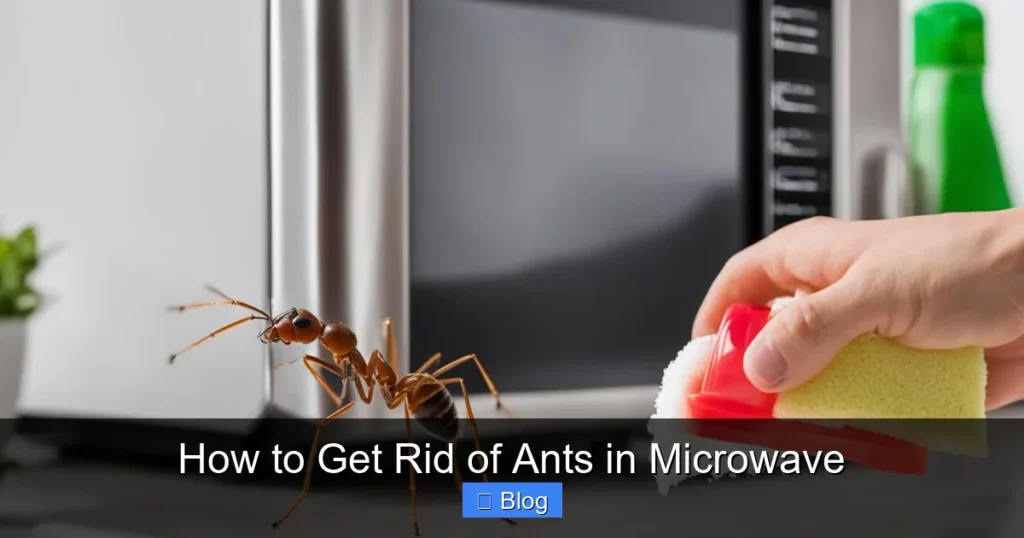
Discovering ants in your microwave can feel gross, but you can fix it fast with safe cleaning and natural deterrents. Unplug your unit, deep clean every crumb, and block entry points to send ants packing for good.
You walk into your kitchen. You open the microwave door. Then you see them. Ants. They crawl across the glass turntable. They march along the rubber seal. Your stomach turns. You wonder how they got inside. You also worry if the food you just warmed is safe. Take a breath. This problem is common. It is also fixable. You can learn how to get rid of ants in microwave without using dangerous chemicals or breaking your appliance. In this guide, you will discover simple steps that work fast. We will talk about safe cleaning, natural repellents, and smart habits that keep ants away for good. You do not need fancy tools. You just need a little time and some household supplies. Let us get started and take your kitchen back from these tiny invaders.
Ants are small. They can squeeze through gaps you cannot even see. A few crumbs left behind after heating popcorn are like a buffet to them. The warmth of the machine also feels cozy. That is why they move in. The good news is that you do not have to live with them. Learning how to get rid of ants in microwave starts with understanding why they came. Once you know that, you can kick them out and make sure they stay out. Keep reading for a step-by-step plan that is safe, easy, and friendly to your home.
You might feel embarrassed. Do not. Ants visit the cleanest homes. They are hunters. They hunt for food. Once they find it, they tell their friends. The trick is to stop the message. Clean the food. Kill the trail. Block the door. That is exactly what we will do together.
Key Takeaways
- Unplug first: Always disconnect the power before adding any moisture near your microwave to avoid shock and protect the circuits.
- Erase scent trails: White vinegar breaks down the pheromone lines ants follow, so wiping with a vinegar cloth stops the colony march.
- Wash removable parts: Clean the turntable and roller ring separately with hot, soapy water and dry them fully before returning them.
- Avoid harsh chemicals: Never spray bug killer or bleach inside a food appliance; stick to dish soap, vinegar, and natural deterrents.
- Block their paths: Cinnamon, coffee grounds, or food-grade diatomaceous earth around the base act as barriers ants refuse to cross.
- Know when to call a pro: If ants keep emerging from vents or the control panel, they may be nesting inside the chassis, which is dangerous to open alone.
- Build daily habits: A ten-second wipe after each use and keeping food covered removes the feast that attracts ants in the first place.
📑 Table of Contents
Why Ants Choose Your Microwave
First, let us think like an ant. Ants need food, water, and shelter. Your kitchen offers all three. The microwave sits on your counter. It is close to food. It has hidden crumbs. It is warm after use. That makes it a perfect target. When one ant finds a snack, it leaves a scent trail. That trail tells the whole colony where to go. Soon, a few ants become dozens. Before you know it, you have ants in microwave every time you turn around.
Heat and Grease Are Magnets
After you warm up soup or reheat pizza, the inside of your microwave holds grease. You might not see it, but ants do. They love the smell of fats and oils. The outside of the unit also collects splatter. The bottom and sides can feel warm for a while after cooking. Ants feel that heat and think they found a safe home. If your microwave sits near a sugar jar or bread box, the problem gets worse. Ants will set up a trail between their nest and your machine. Even a thin film of butter on the ceiling can feed many ants. That is why wiping is never a waste of time. It is the first defense.
Tiny Openings You Might Miss
Most microwaves have vents. These vents help hot air escape. They also let ants crawl inside. The space around the door seal is another entry point. Ants are flat. They can slip through cracks that are thinner than a coin. If your microwave sits under a cabinet, ants may drop down from above. They can also climb the power cord like a highway. Knowing these paths helps you block them later. It also shows why a simple wipe is not always enough when you want to get rid of ants in microwave spaces for good. Check the back of the unit. There are often grilles there. Those grilles are doors for ants. They are hard to see because the microwave sits against the wall. Slide the machine out slowly. Look at the back. You might be shocked at how many trails start there.
Step One: Unplug and Empty the Machine
Before you touch any cleaning spray, you must unplug the microwave. This step is non-negotiable. Water and electricity do not mix. You will use damp cloths and liquids to clean. A plugged-in machine raises the risk of shock. It also protects the microwave from damage if moisture seeps into the wrong spot. Pull the plug from the wall. Move the unit away from the backsplash if you can. Give yourself room to work. You need to see every corner.
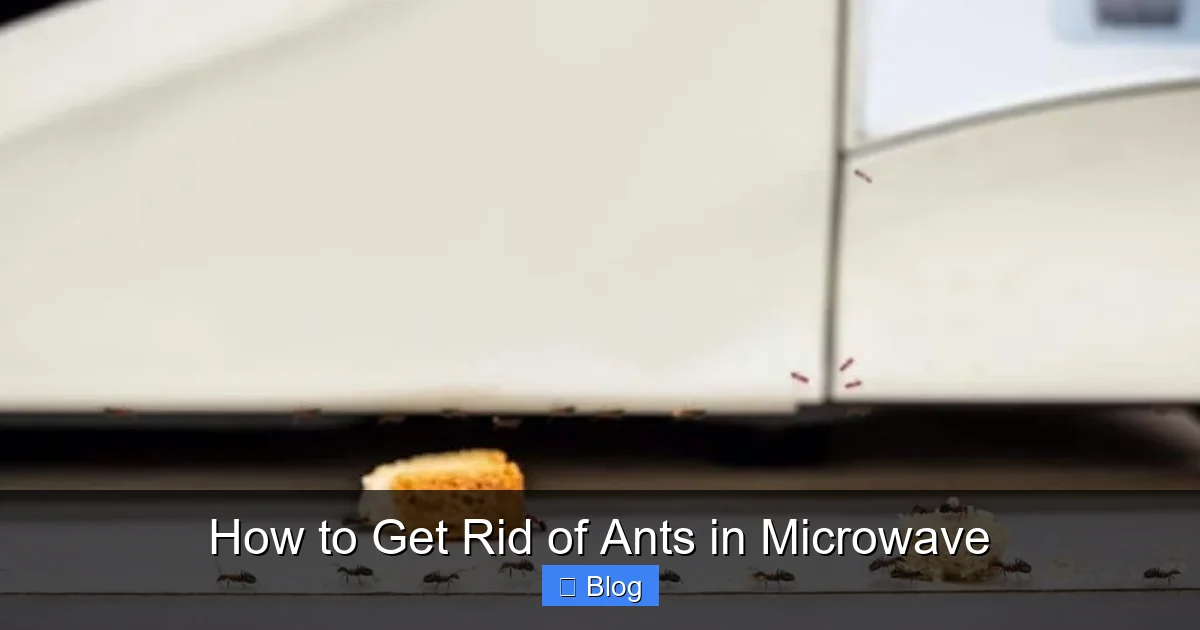
Visual guide about How to Get Rid of Ants in Microwave
Image source: foodwine.com
Remove the Turntable and Roller Ring
Take out the glass plate inside. Carry it to the sink. Wash it with warm, soapy water. Use a sponge to scrub off any film or stuck bits. Rinse it well. Dry it completely with a towel. Wet glass can be slippery. It can also shock the electronics if you put it back damp. Remove the small plastic roller ring too. Wash it the same way. Check the slot where the ring sits. Often, crumbs collect there. Wipe that area with a dry paper towel first. Then use a slightly damp cloth to pick up the rest. Let the parts air dry on a dish rack for ten minutes. Do not rush this. Water and electronics are a bad mix. A dry turntable is a safe turntable.
Check the Power Cord and Wall Area
Look at the cord. Ants sometimes travel along it. Wipe the cord with a damp soapy cloth. Dry it after. Look at the outlet and the wall behind the microwave. If you see a trail of ants there, wipe it down with vinegar water. This destroys their scent trail. It also cleans the zone so fewer ants want to return. When you want to get rid of ants in microwave areas, you have to treat the whole space, not just the inside of the box. Use a flashlight. Shine it behind the microwave. Look for droppings or live ants. If the wall is dirty, wash it. A clean wall means fewer reasons for ants to stay.
Step Two: Deep Clean Every Surface
Now comes the real work. You need to remove every crumb, smear, and scent mark. Ants talk with chemicals. If you leave their trail behind, more ants will follow it. Use simple cleaners. You do not need bleach. In fact, strong chemicals inside a microwave can leave fumes that get into your food. Stick to dish soap, hot water, and white vinegar.
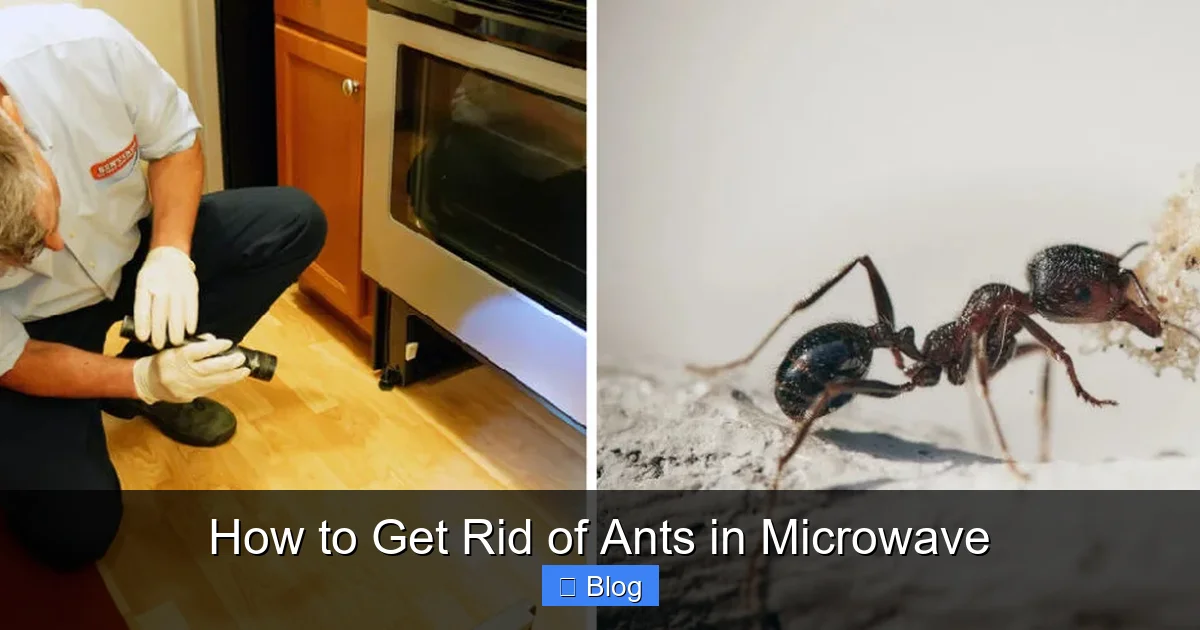
Visual guide about How to Get Rid of Ants in Microwave
Image source: thekitchenix.com
Soap and Water Method
Fill a bowl with hot water. Add a few drops of dish soap. Soak a clean rag. Wring it out so it is damp, not dripping. Wipe the ceiling of the microwave. Wipe the walls. Wipe the floor. Do not forget the corners. Food explodes in microwaves. It lands in spots you never notice. Move your hand in slow circles. Rinse the rag often. Change the water if it gets greasy. Repeat until the inside feels clean and no longer slick. If you see a stubborn spot, let the soapy water sit on it for one minute. Then wipe again. Soft scrubbing works better than harsh chemicals.
The Vinegar Wipe to Erase Trails
Mix white vinegar and water in equal parts. You can put this in a spray bottle. Do not spray it directly into the vents. Instead, spray it onto a cloth. Then wipe the interior. The vinegar smell fades, but ants hate it while it lasts. More importantly, vinegar breaks down the pheromone trails ants use to navigate. Without those trails, the colony gets lost. They stop marching toward your machine. This step is key if you truly want to get rid of ants in microwave and keep them from coming back tomorrow. Wipe the door inside and out. Wipe the handle. The handle gets touched with food hands all day. It is a crumb magnet.
Scrub the Rubber Seal
The rubber gasket around the door is a hotspot. It grips food particles every time you open and close the door. Use a soft toothbrush dipped in soapy water. Gently scrub the folds of the seal. Flip the seal if possible to clean the hidden side. Dry it with a paper towel. A dry seal also closes better. That leaves fewer gaps for ants to exploit. If the seal is cracked or loose, consider replacing it. A tight seal helps cooking and blocks bugs. You can order seals online by searching your microwave model number. It is a cheap fix that helps a lot.
Step Three: Safe Natural Repellents
Cleaning removes the welcome mat. Now you need to post a no-ants-allowed sign. The best way is with strong natural scents. These do not harm your food or your appliance. You can use things from your pantry. Just keep powders and liquids away from the vents and electrical parts. Safety first.
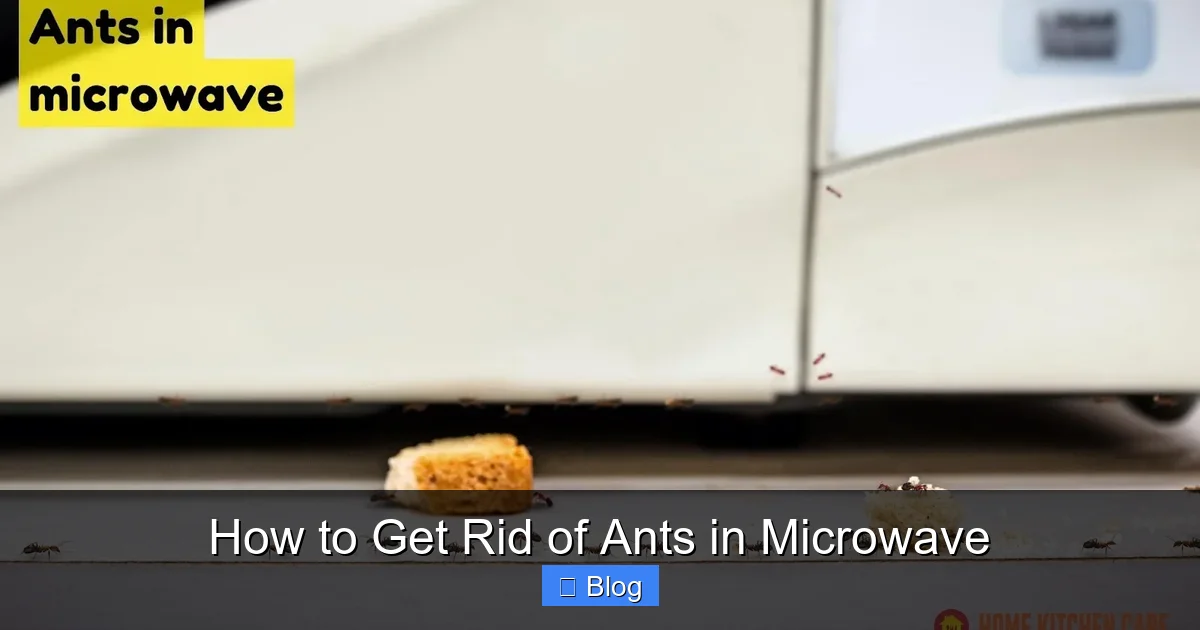
Visual guide about How to Get Rid of Ants in Microwave
Image source: homekitchencare.com
Lemon Juice Wipes
Ants dislike citrus. Squeeze half a lemon into a cup of water. Dip a cloth in the mix. Wipe the outside of the microwave. Wipe the counter around it. Wipe the front panel and handle. Let it air dry. Your kitchen will smell fresh. Ants will turn away. You can repeat this every few days. It is safe and cheap. This is a great way to get rid of ants in microwave zones without buying poison. You can also drop lemon peels near the back of the counter. Change them every few days so they stay potent. The oils in the peel release a scent ants avoid.
Cinnamon and Coffee Grounds Around the Base
Another trick is to place a line of ground cinnamon or used coffee grounds at the back of the counter. Put these behind the microwave if there is space. Ants will not cross these strong-smelling barriers. Remember, do not put loose powder inside the microwave. Only use powders outside and around the base. They act like a fence. Refresh the line once a week or after you wipe the counters. If you have a pet, use cinnamon instead of coffee grounds. Coffee can make some dogs sick. Cinnamon is generally safer in small amounts.
Food-Grade Diatomaceous Earth
Food-grade diatomaceous earth is a powder made from tiny fossils. It is safe around humans but sharp to insects. Sprinkle a thin layer behind your microwave and under the cabinet if you can move the unit safely. It dries out ants that crawl over it. Always use food-grade, not the kind meant for pools. Keep it dry. If it gets wet, it stops working. This powder helps get rid of ants in microwave surroundings by cutting off their travel paths. Wear a mask when you sprinkle it. You do not want to breathe the dust. After a week, vacuum it up and add a fresh layer if ants persist.
Peppermint Oil Spray
Mix ten drops of peppermint oil with one cup of water. Shake well. Spray the counter and the outside of the microwave. Do not spray inside. Peppermint is a strong ant deterrent. It also makes your kitchen smell like a candy cane. Reapply after cleaning the counters. Essential oils lose strength fast. You will need to refresh often. Keep the spray bottle under the sink so it is handy. One quick spray each morning can save you a big headache later.
Step Four: Find Where They Are Coming From
Sometimes ants live inside the walls. They use your microwave as a rest stop. You can clean the machine daily and still see ants. That means the source is outside the appliance. You have to play detective. Look around your kitchen. Follow the ant trail backward if you can. Most trails lead to a window, a door frame, or a crack in the wall.
Seal Cracks and Gaps
Use caulk to close cracks along the backsplash. Check the seam where the counter meets the wall. Ants walk along these edges. If the gap is wide, add some caulk. Smooth it with your finger. Let it dry. You can also check under the sink. A leaky pipe gives ants the water they need. Fix drips. Dry the cabinet. Remove the water source and the ants lose interest. Look at window sills too. Old windows have tiny gaps. Seal those with caulk or weather stripping. Even a gap the width of a dime is a highway for ants.
Inspect Cabinets and Pantry
Ants love open cereal boxes and loose sugar. Check your nearby cabinets. Are there crumbs on the shelves? Is there an open bag of bread? Seal dry goods in plastic or glass containers. Wipe cabinet shelves with vinegar water. Move the microwave if needed and clean the counter underneath. Old spills act like a map for ants. Erasing that map is part of the plan to get rid of ants in microwave and kitchen areas forever. Throw away any infested boxes. If ants got into your flour, do not save it. Toss it outside in a sealed bag. Clean the shelf with soap. Start fresh.
Step Five: When Ants Nest Inside the Microwave
This is the worst-case scenario. You clean and clean, but ants keep coming out of the vents or control panel. That usually means they built a nest inside the chassis. The chassis is the metal shell that houses the wires and magnetron. You cannot open this safely at home. Microwaves hold a high-voltage capacitor. Even unplugged, it can shock you badly. Do not take the cover off. Do not poke screwdrivers inside.
Signs of an Internal Colony
Look for ants near the top or side vents that do not go away after cleaning. Listen for odd buzzing. Smell a musty scent near the vents. See piles of tiny debris that look like sawdust. These clues point to ants living inside the walls of the machine. If you spot these signs, you need to act fast. Unplug the unit. Move it away from food prep areas. You may need to decide between professional help and replacement. Sometimes you see ants carrying white pupae. That is a sure sign of a nest. Pupae are baby ants. They only stay inside a nest. If you see them coming from your appliance, the nest is inside.
Call a Professional or Replace the Unit
A pest expert can advise you. Sometimes they can treat the area safely. Other times, the risk is too high. Microwaves are not built to be taken apart and cleaned like a car engine. If the infestation is deep inside, buying a new microwave might be the smarter choice. It sounds extreme, but your safety matters more than saving a small appliance. Either way, do not ignore an internal nest. It can attract more pests and even damage the wiring. Getting help is the final step to get rid of ants in microwave units that have become a full colony home. Compare the cost of a new microwave to the cost of an electrician and pest expert. Often, a new unit is cheaper and safer.
Step Six: Build Ant-Prevention Habits
You have cleaned. You have sealed cracks. You have set up barriers. Now you need daily habits so the ants never return. Prevention is always easier than removal. A few small changes in your routine can save you hours of work later.
Wipe After Every Use
It only takes ten seconds. After you heat food, check the floor of the microwave. Did soup bubble over? Did butter splatter? Wipe it right then. Use a damp paper towel. Dry the spot. This removes the food source before ants ever smell it. Make it a family rule. Everyone in the home should do this. The less food left inside, the less reason ants have to visit. Keep a stack of paper towels or a microfiber cloth nearby. If the cloth is handy, you will use it. If you have to hunt for a rag, you will skip the step. Make it easy.
Cover Your Food
When you reheat food, put a lid or a paper towel over the bowl. This stops splatter. It also traps food smells. Ants have amazing noses. If they cannot smell the food from outside, they are less likely to approach. Covered food also heats more evenly. It is a win-win habit. You can buy cheap microwave covers that sit on top of bowls. They catch splatter. They go in the dishwasher. A small investment now saves a lot of cleaning later.
Take Out the Trash Often
Your kitchen trash sits near the microwave most likely. If the bin has food wrappers, ants will loiter around. They might explore outward and find your appliance. Empty the trash every night. Clean the bin with soap once a week. Keep recycling clean too. Soda cans and jars with sticky residue lure ants in fast. Rinse jars before recycling. This one step cuts down ant traffic more than you would think.
Store Food in Sealed Containers
Do not leave fruit, bread, or snacks out on the counter. Put them in the fridge or in airtight bins. Ants will scout your counters at night. If they find nothing, they move on. A clean counter is the best defense. Combine this with the other steps and you will get rid of ants in microwave trouble permanently. Glass jars with rubber seals work best. Ants cannot chew through glass. They can chew through thin plastic bags. Invest in sturdy bins. Label them. Your pantry will look nicer and stay pest-free.
Check Seasonally
Ant activity rises in spring and summer. In hot months, they look for water and cool shelter. Check your barriers monthly. Replace cinnamon lines. Add fresh diatomaceous earth. Inspect seals. A five-minute check once a month stops a return invasion. You will sleep better knowing your kitchen is guarded.
Ants in your microwave can ruin your appetite. They can make you feel like your whole kitchen is dirty. But now you know the truth. They are just looking for crumbs and warmth. You have the power to remove both. You also know how to erase their trails with vinegar. You know how to block their paths with cinnamon or diatomaceous earth. You know when to call a pro if the nest is inside the machine. Most of all, you know that daily habits like wiping splatters and covering food stop the problem before it starts.
It does not take harsh chemicals. It does not take expensive gadgets. It takes a little time and care. Follow these steps today. Your microwave will be clean. Your food will be safe. And those tiny ants will have to find somewhere else to live. You deserve a kitchen that feels clean and calm. An ant-free microwave is a great place to start.
Now that you know how to get rid of ants in microwave spaces the safe way, pass these tips to a friend who needs them. When everyone in the house learns to wipe, cover, and seal, your kitchen stays protected. Here is to stress-free reheating and happy cooking from now on.
🎥 Related Video: How to Get Rid of Red Ants from Your Microwave
📺 Hack It Perfect
Are you searching for How to get rid of red ants from your microwave safely and permanently? If you’ve noticed red ants crawling …
Frequently Asked Questions
Can ants survive inside a microwave while it is running?
Most ants will not survive long if the microwave runs, but some may hide in cool spots near vents. It is not a safe or reliable way to kill them. Always unplug the unit and clean instead.
Is it safe to spray bug spray inside my microwave?
No. Chemicals can soak into the walls and contaminate your food. They can also damage electrical parts. Use soap, vinegar, and natural deterrents only.
Why do ants keep coming back after I clean?
They follow scent trails that you might miss. They may also have a nest nearby in a wall or cabinet. Keep wiping with vinegar and seal all cracks.
Can I use bleach to clean ants out of my microwave?
Bleach is too harsh for a food appliance. It leaves strong fumes and can ruin seals. Stick with dish soap and vinegar for safety.
Will ants in my microwave make my food unsafe?
Ants can carry bacteria on their bodies. While a few ants may not poison you, they are not sanitary. Clean the unit well to protect your meals.
How do I know if ants are nesting inside my microwave?
If ants crawl from the vents even after deep cleaning, they likely live inside. You may also see sawdust-like debris near the back. Call a professional because the internal parts carry dangerous voltage.