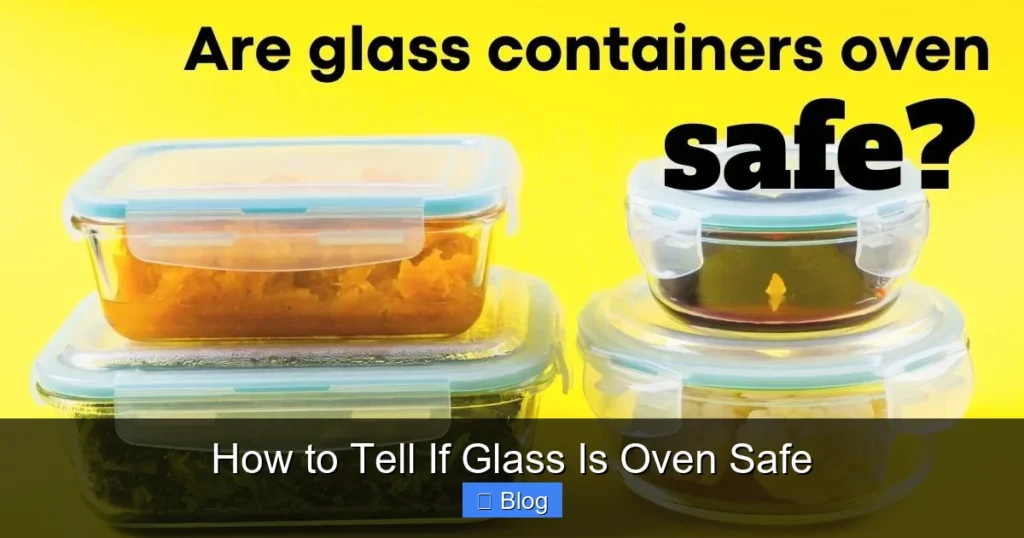
Oven-safe glass isn’t universal—not all glass can withstand high temperatures. This article breaks down how to identify oven-safe glass by checking labels, materials, and conducting simple tests. Always prioritize safety to prevent breakage or harm.
Key Takeaways
- Check for labels: Look for explicit “oven safe” markings or temperature ratings on the glass.
- Know the material: Borosilicate or tempered glass is typically oven-safe, while regular glass may not be.
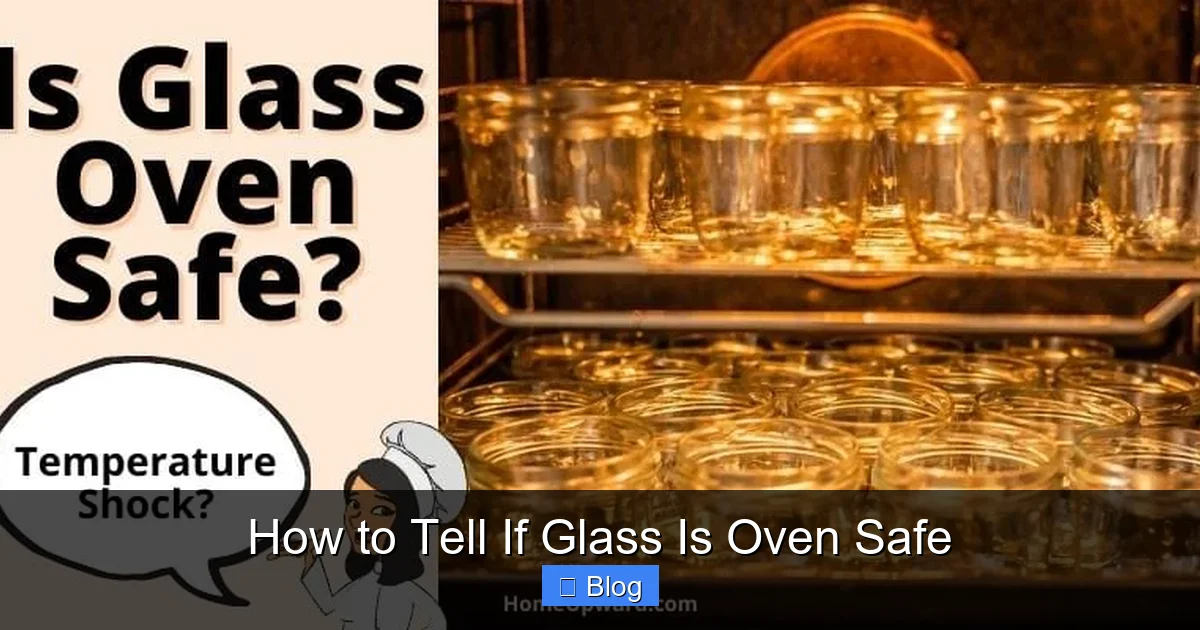
- Avoid sudden temperature changes: Thermal shock can crack even oven-safe glass.
- Test with cold water: A quick method to check for cracks or weaknesses before heating.
- Consult the manufacturer: If unsure, contact the brand for confirmation on oven safety.
- Use caution with old glass: Cracks or chips can compromise safety, even if previously used.
📑 Table of Contents
Why Oven-Safe Glass Matters
Using the right glass in the oven isn’t just about convenience—it’s about safety. Glass that isn’t oven-safe can shatter, release harmful particles, or even cause fires. Whether you’re baking a casserole, roasting vegetables, or reheating leftovers, knowing whether your glass can handle the heat is crucial. Many people assume all glass is oven-safe, but that’s a dangerous misconception. The truth is, glass varies in composition and durability, and what works for one dish might not work for another.
Understanding how to tell if glass is oven safe starts with recognizing that not all glass is created equal. Some types of glass, like borosilicate or tempered glass, are specifically designed to withstand high temperatures. Others, like regular soda-lime glass, are not. This distinction isn’t just about the brand or price tag—it’s about the material itself. For example, a glass dish labeled “oven safe” might still have limitations, such as a maximum temperature or time it can handle. Ignoring these details can lead to accidents in the kitchen.
The good news is that there are clear ways to determine if your glass is oven-safe. By following simple steps—checking labels, testing the material, and understanding the science behind glass durability—you can confidently use glass in your oven without risk. This guide will walk you through each of these methods, ensuring you have the knowledge to make safe, informed decisions.
How to Read Labels and Markings
Visual guide about How to Tell If Glass Is Oven Safe
Image source: thekitchenix.com
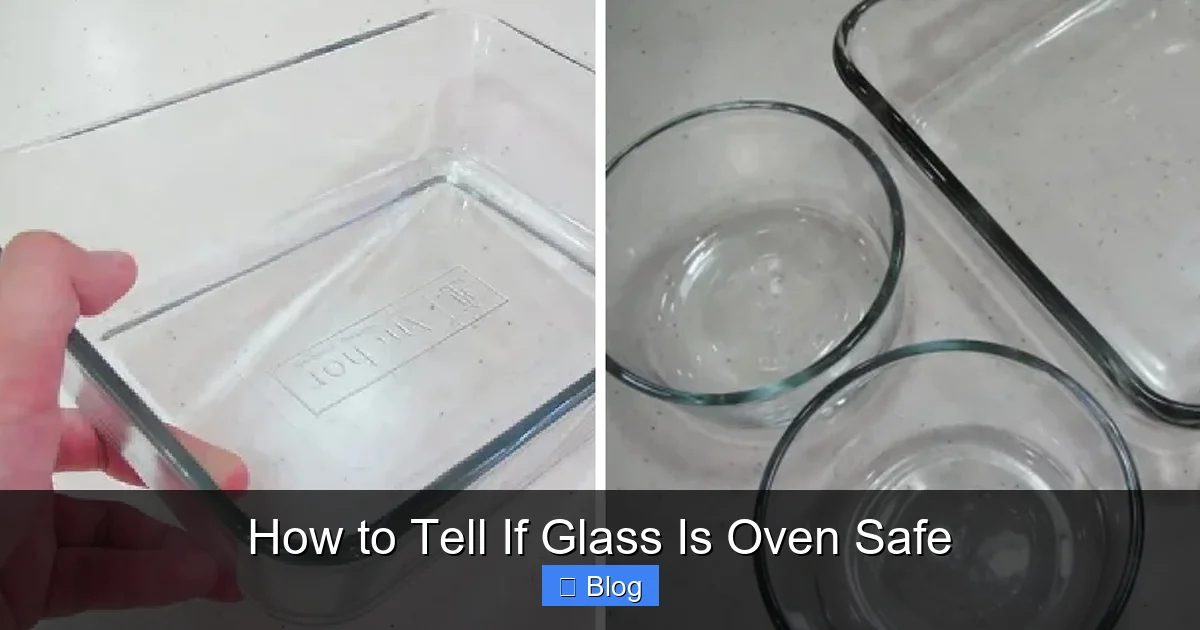
One of the easiest ways to tell if glass is oven safe is by checking the labels or markings on the product. Most oven-safe glass items, especially those from reputable brands, will have clear instructions or symbols indicating their heat resistance. These labels might include phrases like “oven safe up to 400°F” or “suitable for baking.” However, not all labels are created equal, and some may be vague or misleading.
Look for specific temperature ratings: A label that states a maximum temperature (e.g., “up to 500°F”) is a strong indicator of oven safety. If the glass doesn’t have a temperature range, it’s safer to assume it’s not designed for high heat.
Check for symbols: Some manufacturers use icons or symbols to denote oven safety. For example, a flame or oven symbol might be present. These are often accompanied by text explaining the safe temperature range.
Avoid vague claims: Phrases like “heat resistant” or “suitable for cooking” without specific details are red flags. These terms are too broad and don’t guarantee safety in an oven.
It’s also important to note that labels can wear off over time, especially with frequent use. If you’re unsure about the markings, don’t risk using the glass in the oven. Instead, check the manufacturer’s website or contact customer service for clarification.
Common Labels to Look For
Here are some common labels and symbols you might encounter:
- “Oven Safe” or “Baking Safe”: These are straightforward indicators, but always check the temperature range.
- “Up to [X]°F”: This specifies the maximum temperature the glass can handle. For example, “up to 450°F” means it’s safe for most oven recipes.
- “Tempered Glass”: Tempered glass is stronger and more heat-resistant than regular glass, making it a good candidate for oven use.
- “Borosilicate Glass”: This type of glass is specifically designed for high-temperature applications, including ovens.
What to Do If There Are No Labels
If your glass doesn’t have any markings, you’ll need to use other methods to determine its safety. One approach is to look at the material itself. For instance, if the glass is thick and heavy, it might be more likely to be oven-safe. Alternatively, you can perform a simple test (which we’ll cover later) to check for cracks or weaknesses.
Understanding Material Composition
Visual guide about How to Tell If Glass Is Oven Safe
Image source: homeupward.com
🎥 Related Video: How do you know if a bowl is heat-safe?
📺 People·WHYS
More About How Can You Tell If A Glass Is Microwave Safe? • How do you know if a bowl is heat-safe?
Frequently Asked Questions
What is How To Tell If Glass Is Oven Safe?
How To Tell If Glass Is Oven Safe is an important topic with many practical applications.