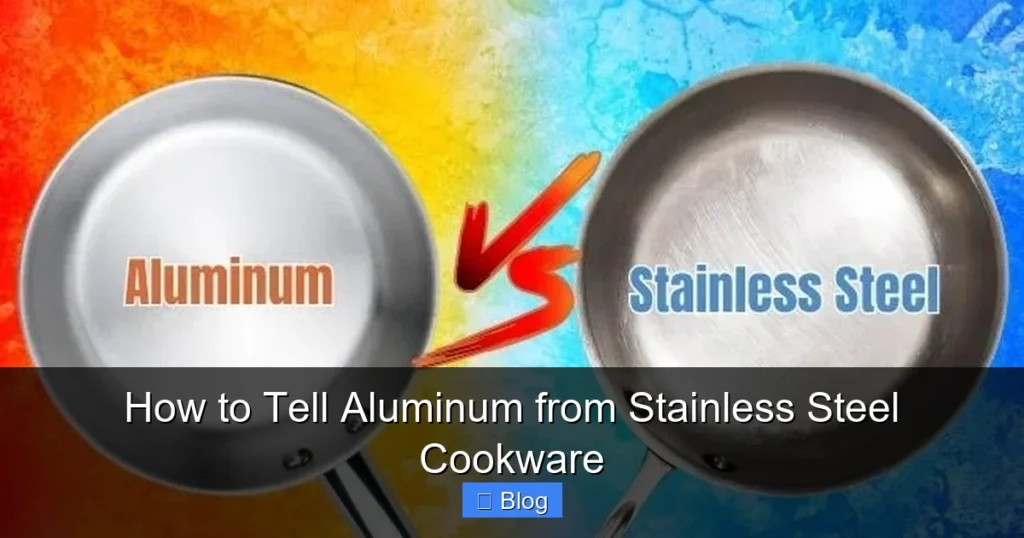
Distinguishing between aluminum and stainless steel is easy once you know what to look for. By using a magnet test, checking the weight, and examining the color, you can quickly identify your cookware to ensure you use the right cleaning and cooking methods.
Have you ever looked at your kitchen cabinets and wondered, “Wait, is this pan aluminum or stainless steel?” It happens to the best of us. At a quick glance, they both look like shiny, silver-colored metal. But while they look similar, they behave very differently when it comes to heat, durability, and how you clean them.
Knowing the difference isn’t just about being a kitchen expert. It is actually a matter of safety and cookware longevity. For example, putting an aluminum pan in the dishwasher can ruin its finish, and using a non-magnetic pan on an induction stove simply won’t work. If you are trying to organize your kitchen or buy new gear, you need a foolproof way to tell them apart.
In this guide, we are going to walk through every single trick in the book. From the famous magnet test to the “weight feel,” we will show you exactly how to tell aluminum from stainless steel cookware. By the end of this article, you will be able to identify your pans in seconds, even if the labels have worn off over the years.
Key Takeaways
- The Magnet Test: Most stainless steel is magnetic, while aluminum is never magnetic.
- Weight Difference: Aluminum is significantly lighter than stainless steel of the same size.
- Color Cues: Aluminum often has a duller, matte grey look, whereas stainless steel is bright and mirror-like.
- Reaction to Acid: Aluminum can react with acidic foods, whereas stainless steel is non-reactive.
- Price Point: Stainless steel is generally more expensive due to its durability and composition.
- Induction Compatibility: Only magnetic stainless steel (and some specialized aluminum) works on induction stoves.
📑 Table of Contents
The Basics: What Exactly Are These Metals?
Before we dive into the tests, let’s get a little bit of background. Understanding what these metals are helps you understand why they look and feel the way they do. When you know the “why,” the “how” becomes much easier.
What is Aluminum Cookware?
Aluminum is a lightweight, silver-white metal. Its biggest claim to fame is how it handles heat. Aluminum is a fantastic conductor. This means it heats up very quickly and spreads that heat evenly across the surface. This is why many professional chefs love aluminum for specific tasks.
However, aluminum is a “soft” metal. It can dent more easily than steel. It is also reactive. If you cook a tomato sauce in a raw aluminum pan, the acid in the tomatoes can react with the metal. This can sometimes leave a metallic taste in your food or cause the pan to discolor. To fix this, many companies make “hard-anodized” aluminum, which creates a hard shell that stops the reaction.
What is Stainless Steel Cookware?
Stainless steel isn’t actually a single metal. It is an alloy. This means it is a mixture of iron, chromium, and nickel. The chromium is the secret ingredient. It creates an invisible layer of oxide on the surface that prevents the metal from rusting or corroding. That is why it is called “stainless.”
Stainless steel is much tougher than aluminum. It can handle high heat, it doesn’t react with acidic foods, and it stays shiny for years. The downside? Stainless steel by itself is actually a poor conductor of heat. To fix this, high-end stainless steel pans often have an aluminum or copper “core” sandwiched between layers of steel. This gives you the durability of steel with the heating power of aluminum.
The Fastest Way to Tell Aluminum from Stainless Steel Cookware
If you are in a rush, you don’t need a chemistry kit to figure this out. There are a few “quick-fire” tests you can do right now in your kitchen. Most people start with these three methods because they take less than ten seconds.
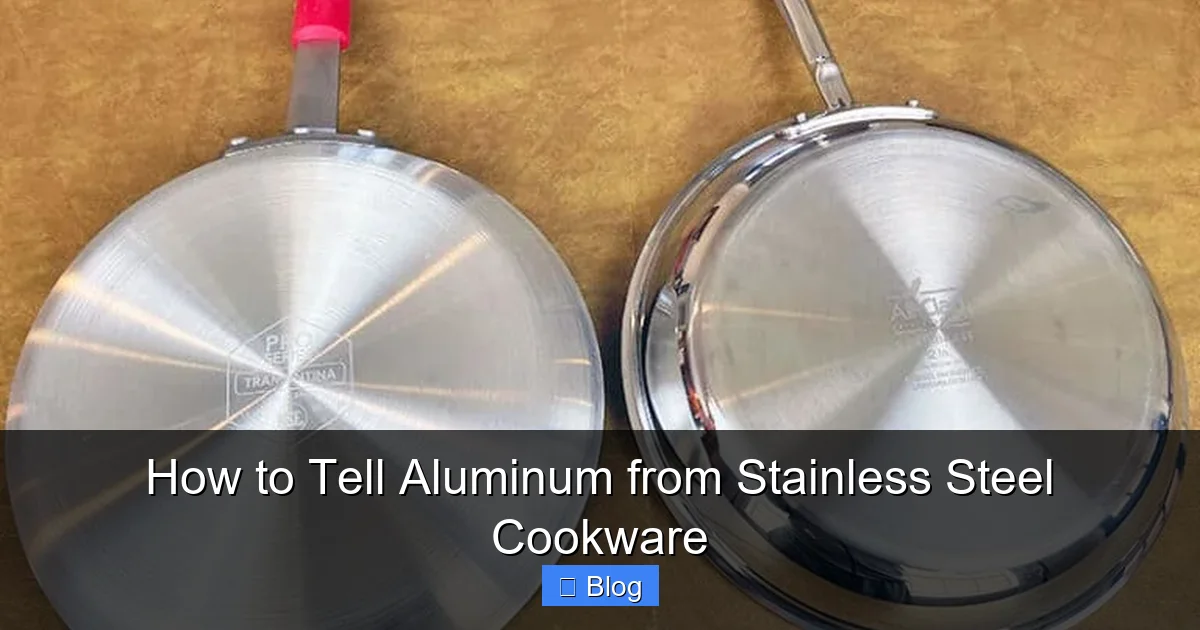
Visual guide about How to Tell Aluminum from Stainless Steel Cookware
Image source: prudentreviews.com
The Magnet Test
This is the gold standard for home cooks. Grab a simple refrigerator magnet and touch it to the bottom or the side of the pan. If the magnet sticks firmly, you are likely dealing with stainless steel. If the magnet does not stick at all, it is almost certainly aluminum.
Wait, why doesn’t my stainless steel pan stick? You might be wondering why some of your “steel” pans aren’t magnetic. Some high-grade stainless steel (like the 300 series) is non-magnetic. However, aluminum is never magnetic. So, if it sticks, it is steel. If it doesn’t stick, it could be aluminum or a specific type of stainless steel. If you are unsure, move on to the next test.
The Weight Test
Pick up an aluminum pan in one hand and a stainless steel pan in the other. Do you feel the difference? Aluminum is incredibly light. It feels almost “airy” compared to steel. Stainless steel is much denser and heavier. If the pan feels substantial and heavy for its size, it is likely stainless steel.
Keep in mind that some very thick aluminum pans can feel heavy, and some very thin stainless steel pans can feel light. But generally, if you have two pans of the same size and one feels significantly lighter, that light one is the aluminum one.
The Visual Inspection
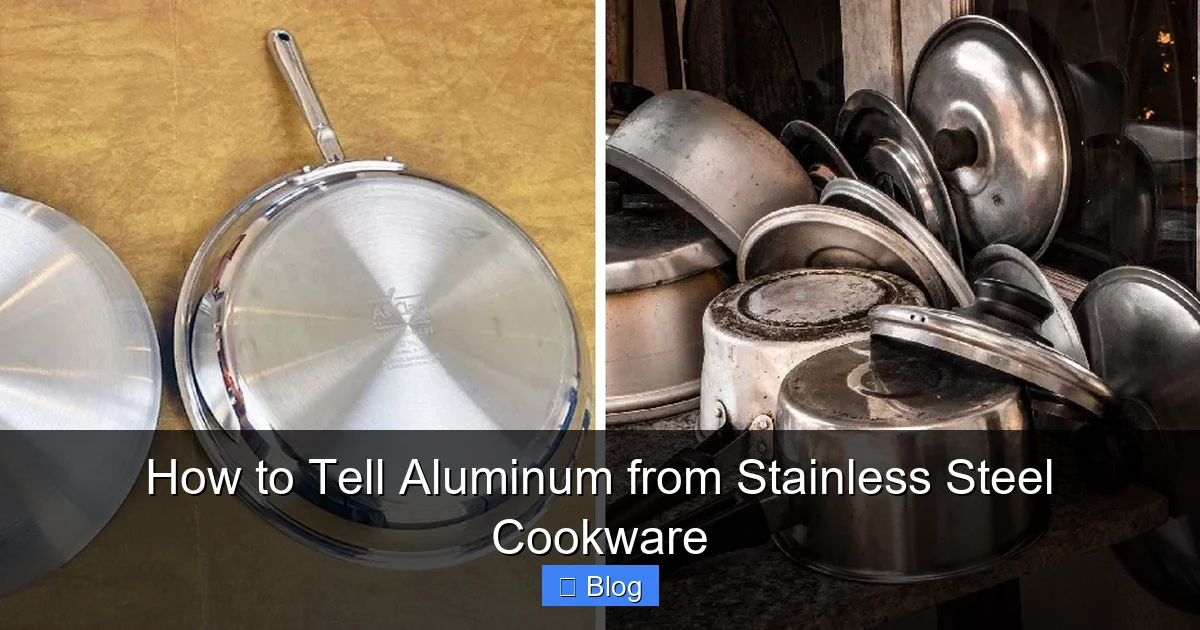
Look closely at the finish. Stainless steel usually has a bright, mirror-like shine. It looks polished and crisp. Aluminum has a more “matte” or dull grey appearance. Even when aluminum is polished, it has a softer, more muted glow than the sharp brilliance of stainless steel.
Check the edges and the handles. Aluminum pans often have a more rounded, cast look, especially if they are cast aluminum. Stainless steel pans often have sharper, cleaner lines and a very smooth, reflective surface.
Deep Dive: Advanced Identification Methods
Sometimes the quick tests aren’t enough. Maybe you have a pan with a composite bottom, or maybe the finish is so old you can’t tell by looking. In these cases, we need to look at the details.
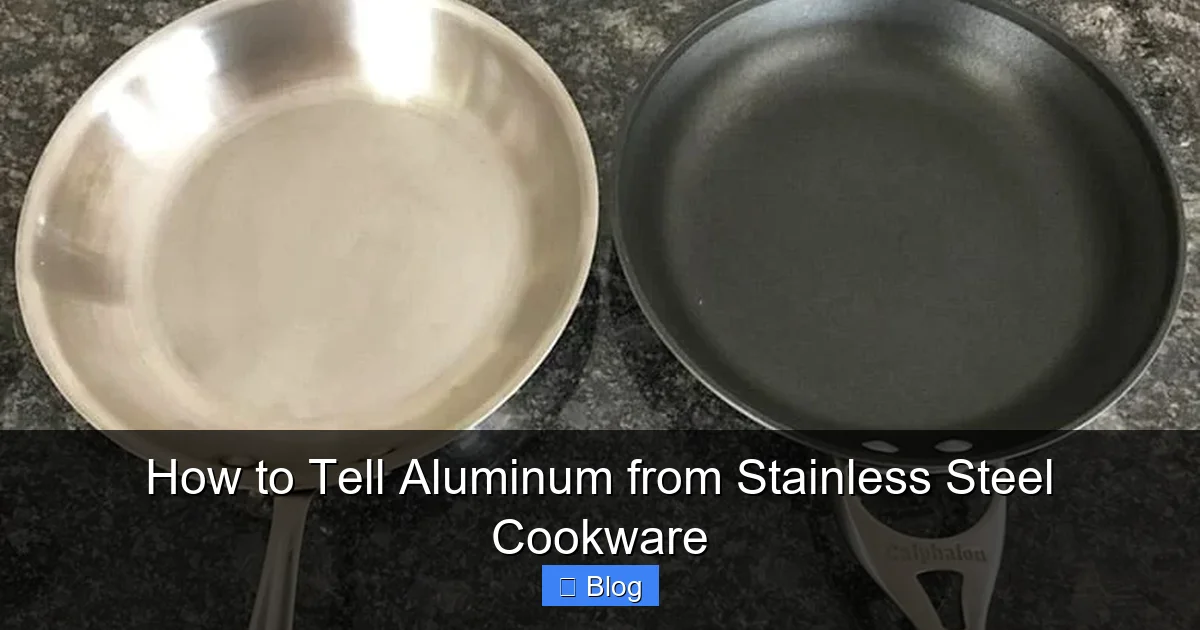
Visual guide about How to Tell Aluminum from Stainless Steel Cookware
Image source: prudentreviews.com
Checking for Markings and Stamps
Most manufacturers stamp their cookware. Flip the pan over and look at the bottom. Look for words like “Stainless Steel,” “18/10,” “T-fal,” or “All-Clad.”
If you see “18/10” or “18/8,” you have stainless steel. Those numbers refer to the percentage of chromium and nickel. If you see “Anodized,” it is aluminum. If there are no markings, don’t worry. We have more tests.
The “Sound” Test
This sounds strange, but it works. Gently tap the side of the pan with a metal spoon. Listen to the ring. Stainless steel produces a high-pitched, clear “ping” sound. It rings like a bell. Aluminum produces a duller, shorter “thud” sound. It doesn’t vibrate as much as steel does.
The Scratch Test (Use Caution!)
If you have an old pan and you really don’t care about a tiny mark, you can try a scratch test. Find a hidden spot on the bottom. Use a hard object to make a tiny scratch. Aluminum is a soft metal, so it scratches very easily. The scratch will look light grey. Stainless steel is much harder; it is more difficult to scratch, and the mark will look like a sharp, thin line.
Comparing Performance: Which One Should You Use?
Now that you know how to tell aluminum from stainless steel cookware, you might be wondering which one is actually better. The truth is, both have their place in a kitchen. It depends on what you are cooking.
Visual guide about How to Tell Aluminum from Stainless Steel Cookware
Image source: thekitchenix.com
When to Use Aluminum
Aluminum is perfect for tasks where you need fast, even heat. Because it doesn’t have “hot spots,” it is great for:
- Melting butter or chocolate: It heats up quickly and evenly.
- Sautéing vegetables: You can get the pan hot fast to sear the outside of your veggies.
- Baking: Aluminum baking sheets are the industry standard because they don’t warp and they bake evenly.
When to Use Stainless Steel
Stainless steel is the workhorse of the kitchen. It is the best choice for:
- Searing meat: Stainless steel can handle very high temperatures without warping, making it perfect for getting a brown crust on a steak.
- Acidic sauces: Since it is non-reactive, you can simmer tomato sauce or lemon-based dishes for hours without changing the flavor.
- Long-term durability: If you want a pan that will last 30 years, go with stainless steel.
Maintenance and Care: Why Identification Matters
Identifying your pans is critical because you cannot clean them the same way. If you treat aluminum like stainless steel, you might ruin your cookware.
Cleaning Aluminum
Avoid the dishwasher. This is the most important rule. The harsh chemicals in dishwasher detergents react with aluminum, turning it a dark, chalky grey. Once this happens, it is very hard to reverse. Always hand-wash aluminum with mild soap and a soft sponge.
Also, avoid using steel wool on aluminum. Because it is a soft metal, steel wool will leave deep scratches that can trap food and bacteria. Stick to nylon scrubbers.
Cleaning Stainless Steel
Stainless steel is much more forgiving. It is generally dishwasher safe. However, to keep that mirror shine, hand-washing is still a good idea. If you get “rainbow” stains (which are just mineral deposits from water), you can easily remove them with a splash of vinegar.
You can use more aggressive scrubbers on stainless steel than you can on aluminum. If you have burnt-on food, a bit of baking soda and a scrub pad will usually take it right off without damaging the metal.
Summary Comparison Guide
To make it easy, let’s summarize the differences in a way that you can remember. If you are standing in your kitchen right now, just run through this mental checklist.
First, the Magnet: Sticks? $\rightarrow$ Stainless Steel. Doesn’t stick? $\rightarrow$ Likely Aluminum.
Second, the Weight: Heavy? $\rightarrow$ Stainless Steel. Light? $\rightarrow$ Aluminum.
Third, the Look: Mirror shine? $\rightarrow$ Stainless Steel. Matte grey? $\rightarrow$ Aluminum.
Fourth, the Sound: High ping? $\rightarrow$ Stainless Steel. Dull thud? $\rightarrow$ Aluminum.
By using these four steps, you will never be confused again. You can confidently organize your cabinets and ensure that your favorite pans last for a lifetime.
Conclusion
Learning how to tell aluminum from stainless steel cookware is a simple skill that makes a big difference in your cooking. Whether you are checking for induction compatibility or making sure you don’t ruin a pan in the dishwasher, these tests are your best friend. Remember, the magnet test is your fastest bet, but the weight and visual cues provide the confirmation you need.
Both metals offer unique benefits. Aluminum gives you speed and efficiency, while stainless steel gives you durability and versatility. By knowing exactly what you have in your drawers, you can choose the right tool for every recipe. Now, go grab a magnet and start identifying your gear!
🎥 Related Video: Do you use aluminum cookware?😱
📺 Younger with Marshal
Do you use aluminum cookware? Here’s a quick demonstration showing the difference between cooking in aluminum and …
Frequently Asked Questions
How can I tell if my pan is aluminum or stainless steel without a magnet?
The easiest way is the weight test. Aluminum is significantly lighter than stainless steel. You can also check the color; aluminum is usually a duller grey, while stainless steel is bright and reflective.
Is all stainless steel magnetic?
No, not all stainless steel is magnetic. Some high-quality grades (like 304 or 316) are non-magnetic. However, aluminum is never magnetic, so if a magnet sticks, it is definitely steel.
Can I put aluminum pans in the dishwasher?
It is not recommended. Dishwasher detergents are too harsh for aluminum and can cause the pan to oxidize, turning it a dark grey or black color. Always hand-wash aluminum to keep it looking new.
Why does my aluminum pan change color when I cook tomatoes?
Aluminum is a reactive metal. The acid in tomatoes reacts with the aluminum, which can cause the metal to leach into the food or cause the pan to discolor. This is why stainless steel is preferred for acidic sauces.
Which is better for induction stoves?
Stainless steel is generally better, but only if it is magnetic. If the pan isn’t magnetic, the induction stove won’t recognize it. Some aluminum pans have a magnetic steel plate bonded to the bottom to make them work on induction.
How do I remove the grey oxidation from an aluminum pan?
You can often remove oxidation by boiling a mixture of water and cream of tartar or lemon juice in the pan. The acid helps break down the oxidation and restore the shine, though it may not return to its original factory finish.