Can you drink coffee during intermittent fasting? The short answer is yes, but only if you keep it simple. Plain black coffee has almost no calories and will not break your fast. Adding sugar, milk, cream, or flavored syrups can stop your fasted state and reduce the benefits you want. This guide explains exactly what is safe, what to avoid, and how to enjoy your morning cup without derailing your progress.
Many people start their fasting journey with one big question in mind. That question is usually about their morning routine. If you love your first cup of the day, you want to know if it fits your plan. The good news is that plain coffee can usually stay in your routine. The key is keeping it simple and avoiding extra ingredients that add calories or trigger digestion.
Intermittent fasting works by giving your body a longer stretch of time without food. During that stretch, your insulin levels can stay lower and your body can shift into fat-burning mode more easily. Even a small amount of certain foods or drinks can change that process. That is why the details matter. A cup of black coffee is very different from a latte with syrup and whipped cream.
In this guide, we will break down what you can drink, what you should avoid, and how to make coffee work for your fasting schedule. We will also cover common concerns like caffeine, hydration, appetite, and sleep. By the end, you will have a clear plan for enjoying coffee without guessing.
Key Takeaways
- Black coffee is fasting-safe: Plain coffee with no additives contains negligible calories and generally will not break your fast.
- Watch what you add: Sugar, milk, cream, butter, and flavored syrups can trigger an insulin response and end your fasted state.
- Caffeine affects people differently: Some people feel energized, while others experience jitters, anxiety, or sleep disruption.
- Hydration matters: Coffee is mildly diuretic, so drink water alongside it to stay properly hydrated during fasting windows.
- Timing plays a role: Drinking coffee too late in the day can interfere with sleep, which may hurt fasting results and recovery.
- Artificial sweeteners are debated: Some zero-calorie sweeteners may still affect gut health or insulin sensitivity in certain individuals.
- Listen to your body: If coffee causes stomach pain, headaches, or dizziness during fasting, adjust your intake or consult a professional.
📑 Table of Contents
Can You Drink Coffee During Intermittent Fasting
The simplest answer is yes, you can drink coffee during intermittent fasting if you keep it black. A cup of black coffee contains very few calories. Because of that, it usually does not provide enough energy to break your fast in a meaningful way. For most people, it will not spike insulin the way food does. That makes it a popular choice during fasting windows.
Still, the word “usually” matters. Fasting is not only about calories. It is also about how your body responds to what you consume. Some people are more sensitive than others. A drink that works well for one person may cause hunger, stomach discomfort, or cravings in someone else. So the best approach is to start with the basics and pay attention to your own results.
If your goal is weight loss, metabolic health, or better appetite control, black coffee is generally a safe option. If your goal is strict autophagy or a very specific fasting protocol, you may want to be more careful. In those cases, less is often better. The safest path is to keep your drinks minimal and predictable.
What Makes Coffee Fasting-Friendly
Black coffee works well during fasting because it is low in calories and easy to keep plain. It also gives many people a sense of routine. That routine can make fasting feel more manageable, especially in the morning. When you do not feel like you are giving up your favorite habit, it is easier to stick with your plan.
Another reason coffee is popular is that it may help suppress appetite for a short period. Some people find that a cup of coffee reduces early-morning hunger. That can make the first few hours of a fast feel smoother. Of course, this effect varies from person to person. It is helpful, but it is not a guarantee.
Coffee also contains antioxidants and other bioactive compounds. While that does not make it a replacement for food, it does mean coffee can be part of a healthy lifestyle when used wisely. The main idea is to treat it as a simple, low-calorie drink rather than a disguised snack.
When Coffee May Break Your Fast
Coffee can stop being fasting-friendly the moment you add calorie-containing ingredients. Even a small splash of milk or a teaspoon of sugar can introduce enough energy to affect your fast. If your fasting goal is strict, those additions may matter more than you think. The safest approach is to avoid anything that tastes sweet, creamy, or rich unless you are in your eating window.
It is also possible that some additives affect digestion or gut response even if the calorie count seems tiny. Flavored syrups, creamers, and specialty coffee drinks often contain more than just flavor. They may include sugars, oils, thickeners, or other ingredients that your body has to process. That is why a “little bit” can still create a problem if you are trying to stay in a clean fasted state.
Another issue is behavior. For some people, flavored coffee triggers cravings for more food. Once the taste of sweetness enters the picture, it may be harder to stay disciplined. If that sounds familiar, plain coffee may be a better choice for your fasting routine.
What You Can Add to Coffee While Fasting
If you want to keep your coffee fasting-friendly, the best option is to keep it plain. Black coffee is the safest starting point. If black coffee feels too strong or bitter, you can try small adjustments that do not add meaningful calories. The goal is to avoid turning your drink into a meal replacement.

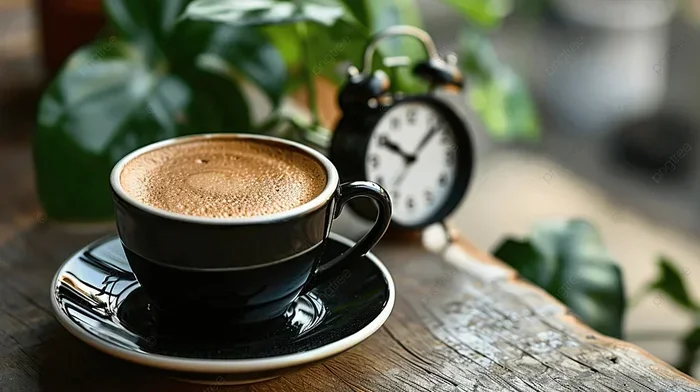
Visual guide about black coffee and clock
Image source: thumbs.dreamstime.com
Here are a few options that many fasters use carefully:
- Plain black coffee: The most common and simplest choice.
- A very small amount of spice: A pinch of cinnamon or nutmeg can add flavor without adding calories.
- Ice or cold brew: Cold coffee can feel smoother and less acidic for some people.
- Water dilution: Adding hot water can make the drink milder without changing the fasting effect.
These options are not magic. They simply help you enjoy coffee while keeping your intake low. If you are unsure, test one change at a time. That way, you can notice whether it affects your hunger, energy, or progress.
Spices and Flavor Boosters
A little spice can make coffee more enjoyable without making it heavy. Cinnamon is a popular choice because it adds warmth and a mild sweet note. Nutmeg, cardamom, and unsweetened cocoa powder are also used by some people. The key is to use only a small amount. You want flavor, not a dessert.
Spices can be helpful if you are trying to move away from sweet coffee habits. They give you variety without relying on sugar or syrup. Just keep in mind that flavored powders sometimes contain added ingredients. If you buy a spice blend, check the label. Pure spices are usually the safer choice during fasting.
Cold Brew and Iced Coffee Options
Cold brew coffee can be a great option if you prefer a smoother taste. It is often less bitter than hot coffee, which may make it easier to drink plain. Iced coffee can also be refreshing, especially if you are fasting during warmer months or in a warm environment.
Just be careful with pre-made iced coffee drinks. Many of them contain milk, sweeteners, or flavored syrups. If you make your own iced coffee at home, you have more control. Brew it strong, chill it, and keep it plain. That way, you get the taste you want without the hidden extras.
What You Should Avoid in Your Coffee
When you are fasting, the safest rule is to avoid anything that adds noticeable calories or sweetness. Coffee can stay simple, but many popular coffee drinks are really closer to desserts. If you are trying to keep your fast clean, it is best to leave those out.

Visual guide about black coffee and clock
Image source: thumbs.dreamstime.com
Here are common additions to avoid during your fasting window:
- Sugar: It adds calories and can affect blood sugar quickly.
- Milk or cream: Even small amounts contain calories and some protein or fat.
- Flavored syrups: These often contain sugar or other sweeteners.
- Whipped cream: It turns a simple drink into a richer, higher-calorie one.
- Bulletproof-style additions: Butter, oils, and heavy cream can add substantial calories.
- Sweetened plant milks: Many of them contain added sugar or other ingredients.
If you are in your eating window, those additions may be perfectly fine. The issue is mainly during the fasting period. Once your fast is over, you can enjoy a richer coffee as part of your meal or snack. The key is knowing which window you are in and choosing accordingly.
Sweeteners and Creamers
Sweeteners are one of the biggest gray areas in fasting discussions. Some people use zero-calorie sweeteners and feel fine. Others notice cravings, digestive changes, or a stronger desire for sweet foods later. Because responses vary, it is smart to be cautious. If you are trying to simplify your fast, skipping sweeteners is often the easiest path.
Creamers can be tricky too. Many liquid creamers are designed to taste sweet and rich. Even if the label sounds harmless, the ingredient list may tell a different story. Some contain sugars, thickeners, or oils. If you want the safest option, use nothing at all during the fast. If you need a creamier drink, save it for your eating window.
Bulletproof-Style Coffee and Calories
Bulletproof-style coffee is popular in some low-carb and keto communities. It usually includes added fats such as butter or oil. While some people enjoy it, it is not a low-calorie drink. In fact, it can contain enough calories to break a fast in the traditional sense. That does not mean it is bad for everyone, but it does mean it is not the same as black coffee.
If your fasting plan is mainly about reducing calorie intake or giving your digestion a break, adding fat may work against that goal. If your plan is more flexible and you are using coffee as part of a specific dietary approach, you may already know how it fits your routine. Either way, it helps to be intentional. Do not assume that a coffee with added fats behaves like plain coffee.
How Coffee Affects Your Fasting Results
Coffee can influence your fasting experience in several ways. For some people, it supports focus and energy. For others, it creates discomfort or makes hunger feel stronger. There is no single response that fits everyone. That is why it helps to think about coffee as a tool, not a rule.

Visual guide about black coffee and clock
Image source: png.pngtree.com
One common benefit is convenience. A simple cup of coffee can make a fasting morning feel more normal. That sense of routine can reduce the feeling of deprivation. Another possible benefit is short-term appetite suppression. Some people feel less hungry after coffee, which can make it easier to extend the fast a little longer.
On the other hand, coffee can also cause problems if you overdo it. Too much caffeine may lead to jitters, anxiety, or a racing heart. It can also affect sleep if you drink it too late. Poor sleep can make fasting harder because it may increase cravings and lower your energy the next day. Balance matters more than extremes.
Energy, Appetite, and Focus
Many people use coffee for mental clarity. During fasting, that effect can feel especially useful. When you are not digesting food, some people report feeling more alert after caffeine. Coffee may also help you stay productive while your body adjusts to the fasting window. If that sounds helpful, black coffee can be a simple way to support your morning.
Appetite response is more individual. Some people feel less hungry after coffee. Others feel more aware of their stomach or even a little shaky. If coffee makes you feel overly hungry or uneasy, it may not be the best fasting companion for you. You can adjust the strength, timing, or amount to see what works best.
Hydration and Caffeine Sensitivity
Coffee has a mild diuretic effect for many people. That means it can make you lose more water through urination. During fasting, hydration is important because you are not getting fluids from food as often. If you rely only on coffee, you may not be drinking enough plain water. A good habit is to pair coffee with water throughout the day.
Caffeine sensitivity also matters. Some people tolerate coffee well. Others feel nervous, restless, or unable to focus after even a small amount. If you are sensitive, fasting may amplify those feelings because your body is already under a different routine. In that case, you may want to limit your intake or drink it earlier in the day.
Best Coffee Habits for Intermittent Fasting
If you want coffee to support your fasting routine, a few simple habits can make a big difference. You do not need a complicated plan. You just need a consistent approach that fits your goals and your body.
Here are some practical habits to try:
- Keep it black during the fast: Make plain coffee your default during fasting hours.
- Drink water too: Aim for steady hydration between coffee cups.
- Avoid late-day caffeine: Stop drinking coffee early enough to protect your sleep.
- Watch your portion size: One or two cups may feel fine, but too much can cause discomfort.
- Separate coffee from your eating window if needed: If you enjoy richer drinks, save them for later.
- Track how you feel: Notice hunger, energy, sleep, and digestion after changes.
These habits are simple, but they can help you stay consistent. The best routine is the one you can actually maintain. If your coffee habits make fasting easier, they are probably working. If they make you feel worse, it may be time to adjust.
Timing Your Coffee Intake
Timing can matter more than people expect. An early cup may help you start the day with focus and energy. A late cup may interfere with sleep, especially if you are sensitive to caffeine. Since sleep affects hunger, recovery, and overall wellness, it is worth protecting. If you notice trouble falling asleep, try moving your last cup earlier.
Timing also matters if you combine coffee with exercise. Some people like to drink coffee before a workout during their fast. That can work well for some, but not everyone. If you feel lightheaded or uncomfortable, reduce the amount or wait until after you have eaten. Your body will tell you what it prefers if you pay attention.
Listening to Your Body
The best fasting advice is often the simplest: listen to your body. If coffee makes you feel calm, focused, and comfortable, it may be a good fit. If it makes you feel anxious, hungry, or unwell, something needs to change. That change could be less caffeine, no additives, earlier timing, or more water.
It also helps to remember that fasting is not an all-or-nothing test. You can learn what works through small adjustments. Try one change at a time. Give your body a few days to respond. Then decide whether your coffee routine is helping or hurting your progress.
Common Coffee Mistakes During Fasting
Even with good intentions, it is easy to make small mistakes that affect your results. Most of them come from assuming coffee is always harmless. It usually is, but only when you keep it simple and mindful.
Here are some common mistakes to avoid:
- Adding hidden calories: Cream, sugar, and syrups can quietly break your fast.
- Drinking too much caffeine: Excess caffeine can lead to jitteriness and poor sleep.
- Ignoring hydration: Coffee alone is not enough to keep you well hydrated.
- Using sweet flavors too often: Sweet taste can increase cravings for some people.
- Expecting coffee to fix hunger: Coffee may help a little, but it is not a real meal replacement.
- Overcomplicating the routine: Simple habits are easier to maintain than complex ones.
If you avoid these mistakes, your coffee habit is much more likely to support your fasting plan. The goal is not perfection. The goal is consistency with choices that make sense for your body.
Quick Tips for Coffee and Fasting
Here are a few fast, practical tips you can use right away:
- Start with black coffee before experimenting with anything else.
- Check ingredient labels on creamers, syrups, and flavored blends.
- Keep your last caffeinated drink earlier in the day if sleep is an issue.
- Drink a glass of water with or after your coffee.
- If you feel off during fasting, simplify your drinks first.
- Use coffee as a support tool, not the center of your plan.
These small habits can make fasting feel smoother. They also reduce the chances of accidental mistakes that could slow your progress.
Expert Insights on Coffee and Fasting
Experts often say that the main issue during fasting is what you consume, not whether you consume something flavorful. Plain coffee is usually viewed as acceptable because it is low in calories and unlikely to disrupt a fast in a major way. At the same time, experts also stress that individual response matters. What feels fine for one person may not feel fine for another.
Another common point is that fasting should be sustainable. If coffee helps you stick with your plan, that is useful. If it creates stress, discomfort, or sleep problems, it may be worth adjusting. The healthiest routine is usually the one you can maintain over time without feeling miserable.
Experts also remind people that fasting is only one part of overall health. Sleep, hydration, movement, and balanced meals still matter. Coffee can fit into that bigger picture, but it should not replace the basics. Think of it as a helpful habit, not a shortcut.
Key Takeaways
To wrap it all up, black coffee is generally compatible with intermittent fasting when you keep it plain. The real challenge is avoiding extras that add calories, sweetness, or digestive triggers. If you stay mindful of what goes into your cup, coffee can be a simple and enjoyable part of your routine.
Remember to watch your caffeine timing, stay hydrated, and pay attention to how your body responds. If coffee helps you feel steady and focused, keep it. If it causes problems, adjust it. The best fasting plan is the one that works for your life and your body.
So, can you drink coffee during intermittent fasting? Yes, in most cases you can, as long as you keep it black and simple. That small habit can make fasting easier without undermining your goals.
Frequently Asked Questions
Can I drink black coffee while intermittent fasting?
Yes, plain black coffee is usually fine during intermittent fasting because it has very few calories. It is unlikely to break your fast if you do not add sugar, milk, or other ingredients.
Will a small amount of milk or cream break my fast?
It can, especially if your fasting goal is strict. Even a small splash adds calories and may affect your fasted state, so it is safer to save milk or cream for your eating window.
Is flavored coffee safe during fasting?
It depends on what is in the flavor. If the coffee contains syrups, sugar, or sweeteners, it may break your fast or trigger cravings. Plain coffee with a pinch of spice is usually a safer choice.
Can coffee help suppress appetite during a fast?
For some people, coffee can reduce hunger for a short time. However, the effect varies, and it is not a replacement for proper nutrition once your eating window begins.
How much coffee is too much during intermittent fasting?
That depends on your caffeine tolerance and how you feel. If you notice jitters, anxiety, poor sleep, or stomach discomfort, you may be drinking too much for your body.
Should I drink water with coffee while fasting?
Yes, hydration is important during fasting, and coffee alone may not be enough. Drinking water alongside coffee can help you stay balanced and avoid dehydration.