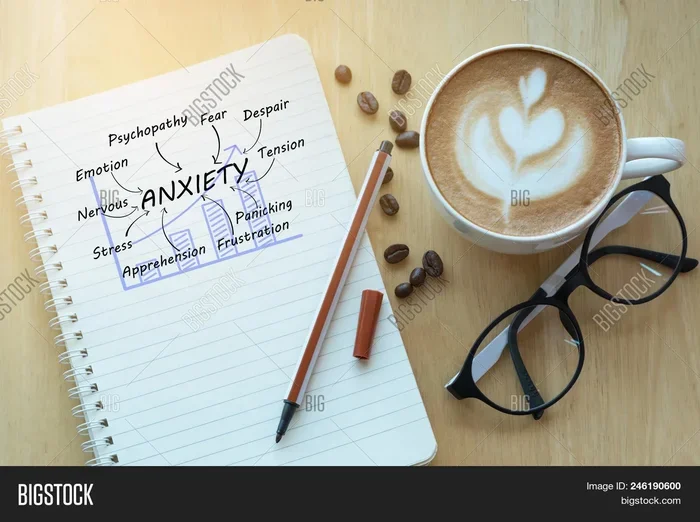
Can coffee cause anxiety? For many people, the answer is yes, especially when caffeine triggers your fight-or-flight response. This article explains exactly how your morning cup impacts stress hormones, who is most at risk, and practical steps you can take to sip smarter without the panic.
Many of us start the day with a warm mug in hand. It feels comforting, familiar, and ready to wake us up. But if you have ever felt your heart race, your thoughts speed up, or your chest tighten after a cup, you may have asked yourself a simple question: can coffee cause anxiety? The short answer is yes, it can, and the reason sits deep in how caffeine interacts with your brain and body.
This guide breaks down the science in plain language. You will learn why coffee affects people differently, what signs suggest your brew is feeding your stress, and how you can keep enjoying coffee without letting it run your nerves. We will also share practical tips, common mistakes to avoid, and a few expert insights that make the whole topic easier to navigate.
Key Takeaways
- Caffeine stimulates the nervous system: It raises adrenaline and cortisol, which can mimic or worsen anxiety symptoms.
- Dose matters more than you think: Even moderate amounts can trigger jitters, racing thoughts, or panic in sensitive individuals.
- Timing and tolerance play a big role: Drinking coffee on an empty stomach or late in the day often intensifies stress responses.
- Genetics affect how you process caffeine: Slow metabolizers feel stronger and longer-lasting effects from the same cup.
- You do not have to quit completely: Small adjustments like switching to half-caff, choosing smaller servings, or pairing coffee with food can reduce anxiety.
- Track your personal triggers: Keeping a simple caffeine and mood log helps you find your comfortable limit.
- Talk to a professional if needed: If coffee consistently sparks panic or disrupts sleep, a doctor or therapist can help you build a safer routine.
📑 Table of Contents
- Why Can Coffee Cause Anxiety Is Such a Common Question
- The Science Behind Can Coffee Cause Anxiety and Your Nervous System
- How Much Caffeine Is Too Much When It Comes to Anxiety
- Who Is Most Likely to Feel Anxious After Coffee
- Smart Ways to Enjoy Coffee Without Triggering Anxiety
- When to Cut Back or Talk to a Professional
- Final Thoughts on Can Coffee Cause Anxiety
Why Can Coffee Cause Anxiety Is Such a Common Question
Coffee is everywhere. It shows up in offices, kitchens, cafes, and late-night study sessions. Because so many people drink it daily, it is easy to assume it is harmless for everyone. Yet caffeine is a powerful stimulant, and stimulants do not affect every body the same way. Some people feel focused and calm after a cup. Others feel shaky, restless, or mentally scattered. That difference is why the question can coffee cause anxiety keeps coming up again and again.
The truth is that coffee does not create anxiety out of nowhere. Instead, it can amplify existing stress, disrupt your sleep, and push your nervous system into overdrive. If you already deal with worry, panic, or high stress, coffee can act like fuel on a small flame. If you are generally relaxed and sleep well, you may handle the same cup without much trouble. Your personal response depends on many moving parts, and understanding them helps you make better choices.
How Caffeine Talks to Your Brain
Caffeine works by blocking a chemical called adenosine. Adenosine normally builds up during the day and tells your brain that it is time to rest. When caffeine steps in and blocks that signal, your brain stays awake and alert. That is the helpful part. The tricky part is that caffeine also nudges your body to release adrenaline and cortisol, two hormones tied to the fight-or-flight response.
When those hormones rise, your heart may beat faster, your breathing may shallow, and your muscles may tense. In small amounts, this can feel like productive energy. In larger amounts, or in sensitive people, it can feel like nervousness, irritability, or even a mini panic attack. This is the core reason can coffee cause anxiety is not just a casual worry. The chemistry is real, and the physical sensations can be strong.
The Difference Between Energy and Anxiety
It helps to separate true energy from jittery stimulation. Real energy usually feels steady. You can focus, move, and complete tasks without feeling wired. Jittery stimulation feels different. Your hands may tremble, your thoughts may loop, and your body may feel like it is waiting for something to happen. When coffee pushes you from energy into that overstimulated zone, anxiety symptoms often show up.
This is why some people say coffee makes them productive, while others say it makes them uneasy. Both experiences are valid. The difference often comes down to dose, timing, tolerance, and your unique body chemistry.
The Science Behind Can Coffee Cause Anxiety and Your Nervous System
If you want to understand can coffee cause anxiety on a deeper level, it helps to look at the nervous system. Your nervous system has two broad modes. One mode helps you rest, digest, and recover. The other mode helps you react quickly to danger. Caffeine tilts the balance toward the alert, reactive mode. For a short time, that can be useful. But if the tilt is too strong, your body may act as if it faces a threat even when you are just sitting at your kitchen table.

Visual guide about coffee cup anxiety concept
Image source: thumbs.dreamstime.com
This reaction is not imaginary. Your body releases stress hormones, your blood pressure may rise slightly, and your heart rate may increase. Those changes can feel very similar to anxiety. If you are already prone to worry, your brain may read those sensations as danger and spiral from there. In other words, coffee can create physical signals that your mind then interprets as anxiety.
Cortisol, Adrenaline, and the Jitters
Adrenaline gives you a quick burst of readiness. Cortisol helps your body manage stress over a longer stretch. Both are useful in real emergencies. Both can be frustrating when they show up before a meeting, a commute, or a quiet evening at home. After coffee, some people notice a fast heartbeat, sweaty palms, or a sense of mental urgency. Those are classic signs that the stimulant effect is leaning toward overstimulation.
If you are sensitive, even a normal cup can feel intense. If you drink a large coffee, a second cup, or a strong brew, the effect can grow quickly. That is why can coffee cause anxiety often depends on how much caffeine enters your system and how fast your body clears it.
Why Some People Feel It More Than Others
People process caffeine at different speeds. Some break it down quickly and feel only a mild lift. Others break it down slowly and feel the effects for hours. Genetics play a role here, along with age, liver function, medications, and overall health. If you are a slow metabolizer, the same latte that feels gentle to your friend may leave you tense and restless.
Stress load matters too. If you are already exhausted, grieving, overwhelmed, or sleeping poorly, your body has less room to absorb stimulation. A cup that feels fine on a relaxed weekend may feel harsh during a busy week. That is one reason coffee and anxiety can seem inconsistent. The coffee may be similar, but your body is not.
How Much Caffeine Is Too Much When It Comes to Anxiety
There is no single magic number that fits everyone. Still, general guidance suggests that many healthy adults can tolerate up to about 400 milligrams of caffeine per day without major issues. That is roughly the amount in four standard cups of coffee, though brew strength varies a lot. If you are asking can coffee cause anxiety, the more useful question may be how much caffeine your body handles before you feel uneasy.
Visual guide about coffee cup anxiety concept
Image source: i.etsystatic.com
For some people, 200 milligrams is plenty. For others, even a small cup is enough to trigger symptoms. The safe range is personal. It depends on your weight, sensitivity, sleep quality, stress level, and whether you are combining coffee with other stimulants like energy drinks, certain supplements, or pre-workout products.
Reading the Signs That You Have Crossed Your Limit
Your body usually gives you warnings before anxiety gets out of hand. Watch for these clues:
- Racing heart or pounding chest: Your pulse feels faster or harder than normal.
- Restlessness: You sit down but still feel like you need to move.
- Tension: Your jaw, shoulders, or stomach feel tight.
- Rapid thoughts: Your mind jumps from idea to idea without settling.
- Irritability: Small annoyances feel bigger than they should.
- Sleep disruption: You struggle to fall asleep or wake up too early.
If these signs show up regularly after coffee, your body may be telling you that the dose is too high or the timing is off. That does not mean coffee is bad for you forever. It means your current routine may need a tweak.
Small Cups, Big Effects
A lot of people do not realize how quickly caffeine adds up. A large drip coffee can contain much more caffeine than a small espresso drink, even though espresso tastes stronger. Cold brew can also be very concentrated. If you are trying to figure out can coffee cause anxiety, start by looking at serving size and strength, not just the number of cups.
It also helps to remember that coffee is not the only source of caffeine. Tea, soda, chocolate, and some medications can contribute too. The total load matters more than any single drink.
Who Is Most Likely to Feel Anxious After Coffee
Not everyone reacts the same way. Some groups are more likely to notice anxiety after caffeine. If you are in one of these groups, the question can coffee cause anxiety may be especially relevant to you.
Visual guide about coffee cup anxiety concept
Image source: i.etsystatic.com
People Already Prone to Anxiety
If you often worry, overthink, or experience panic symptoms, caffeine can make those patterns louder. The physical sensations from coffee can blend with your existing stress response and create a stronger sense of unease. This does not mean you must avoid coffee entirely, but it does mean you may need a gentler approach.
Poor Sleepers and Night Owls
Sleep deprivation makes the nervous system more reactive. When you are tired, your body is already struggling to regulate mood and stress. Adding caffeine can temporarily mask fatigue while increasing agitation. That is a rough combination. If you regularly stay up late or wake up exhausted, coffee may feel more destabilizing than refreshing.
Fast Metabolizers and Slow Metabolizers
Slow metabolizers often feel caffeine longer and more intensely. They may notice anxiety, insomnia, or stomach discomfort hours after a drink. Fast metabolizers may get a quick boost and then return to baseline without much trouble. If you suspect you are a slow metabolizer, pay attention to how long coffee affects you, not just how it feels in the first twenty minutes.
People Under High Stress
When life is already demanding, your stress hormones have less room to rise and fall smoothly. Coffee can add another layer of stimulation on top of a packed schedule, a tough job, or a difficult season of life. During those times, even a usual amount of coffee may feel like too much.
Smart Ways to Enjoy Coffee Without Triggering Anxiety
If you love coffee but hate the jitters, you do not have to choose between your mug and your peace of mind. Small changes often make a big difference. Here are practical ways to reduce the chance that coffee will stir up anxiety.
Start With a Smaller Dose
Try a smaller serving and see how you feel. A half-cup or a milder drink may give you enough warmth and flavor without overwhelming your system. If you usually drink a large mug, downsizing can be one of the easiest experiments to try.
Pair Coffee With Food
Drinking coffee on an empty stomach can make the stimulant effect feel sharper. Food slows absorption and gives your body a steadier ride. A simple breakfast with protein, healthy fat, or complex carbs can soften the impact. You do not need a huge meal. Even a few bites can help.
Watch the Clock
Late coffee can interfere with sleep, and poor sleep can increase anxiety the next day. If you are sensitive, set a caffeine cutoff time that protects your bedtime. For many people, stopping in the early afternoon works well. If you still feel wired at night, move the cutoff earlier.
Choose Milder Options
Not all coffee drinks are equal in strength. You can experiment with:
- Half-caff blends: These mix regular and decaf for a gentler lift.
- Lighter servings: A small cup may be enough for your needs.
- Decaf: It keeps the ritual without the full caffeine load.
- Tea or matcha: These offer a different caffeine experience that some people find calmer.
If you are asking can coffee cause anxiety, it may help to treat your drink choices like a personal experiment. Try one change at a time and notice what happens.
Build a Calmer Coffee Ritual
How you drink coffee matters too. Rushing through a hot mug while checking emails can add stress to stimulation. A slower routine can make the experience feel more grounding. Sit down if you can. Breathe between sips. Give yourself a quiet minute before jumping into the day. This small pause can reduce the sense of urgency that sometimes comes with caffeine.
Track Your Response
A simple note on your phone can reveal a lot. Write down what you drank, how much, when you drank it, and how you felt afterward. Over time, patterns appear. You may learn that a morning cup is fine but an afternoon one ruins your sleep. You may discover that a strong cold brew is too much, while a mild drip coffee feels comfortable. Data makes the question can coffee cause anxiety easier to answer for your own body.
When to Cut Back or Talk to a Professional
Sometimes the best move is to reduce caffeine, at least for a while. If coffee regularly leaves you anxious, sleepless, or emotionally unsettled, a break can help you reset. You might try a week with less caffeine or a few days with none at all. Pay attention to how your body responds. If your anxiety eases, you have learned something valuable.
There are also times when it is wise to seek support. If you experience frequent panic attacks, severe sleep loss, or anxiety that interferes with work and relationships, coffee may be only one piece of the puzzle. A healthcare professional can help you look at the full picture and build a plan that fits your needs.
Common Mistakes People Make
- Assuming more coffee means more energy: Too much caffeine can backfire and leave you tired and tense.
- Ignoring total caffeine from other sources: Soda, tea, chocolate, and supplements add up.
- Drinking coffee too late: Evening caffeine can quietly damage sleep and next-day mood.
- Blaming coffee for everything: Stress, sleep, hydration, and nutrition also affect anxiety.
- Quitting cold turkey without a plan: A sudden stop can cause headaches and irritability for some people.
Expert Insights Worth Remembering
Experts often say that caffeine is not the enemy for everyone. It is a tool that can help or hinder depending on the person using it. The key is self-awareness. If coffee supports your focus without upsetting your mood, it may be a good fit. If it pushes you toward tension and worry, it is smart to adjust. Your goal is not perfection. Your goal is a routine that helps you feel steady.
It also helps to remember that anxiety has many triggers. Coffee can be one of them, but it is rarely the only one. Sleep, movement, food, stress, and expectations all matter. When you look at the whole picture, it becomes easier to make changes that actually stick.
Final Thoughts on Can Coffee Cause Anxiety
So, can coffee cause anxiety? For many people, yes, especially when the dose is high, the timing is late, or the body is already stressed. Caffeine can raise alertness, but it can also raise heart rate, tension, and worry when the balance tips too far. That does not mean coffee is off-limits. It means your relationship with coffee should fit your body, not someone else’s habit.
The best approach is simple and practical. Start small. Eat something with your coffee. Watch the clock. Notice how you feel. If needed, switch to milder drinks or cut back for a while. If anxiety stays strong even after changes, talk to a professional and explore the bigger picture. With a little attention, you can keep your coffee ritual enjoyable and your nerves much calmer.
Frequently Asked Questions
Why does coffee make me feel anxious even when I drink only one cup?
One cup can still trigger anxiety if you are sensitive to caffeine, already stressed, or drinking it on an empty stomach. Your body may release more stress hormones than you expect, which can create jittery, uneasy feelings.
How long does coffee-induced anxiety usually last?
It often lasts as long as the caffeine is active in your system, which can be a few hours for some people and much longer for slow metabolizers. The strongest feelings usually show up within the first hour or two after drinking it.
Can switching to decaf help if coffee causes my anxiety?
Yes, decaf can help many people keep the coffee ritual without the full stimulant effect. It is not completely caffeine-free, but it usually contains far less, which can reduce jitters and nervous feelings.
Is tea a calmer alternative if I am worried about anxiety?
For some people, tea feels gentler because it often contains less caffeine and includes compounds that may feel more soothing. Matcha and green tea can still stimulate, so it helps to test your personal response instead of assuming all tea is the same.
What should I do if coffee consistently triggers panic symptoms?
Try reducing your intake, drinking it earlier, and pairing it with food to see whether the symptoms ease. If panic keeps happening or starts affecting your daily life, it is a good idea to speak with a healthcare professional.
Can I build a tolerance so coffee stops causing anxiety?
Tolerance can change how strongly you feel caffeine, but it does not guarantee that anxiety will disappear. Some people still feel uneasy even after regular use, especially if their stress, sleep, or genetics make them more sensitive.