
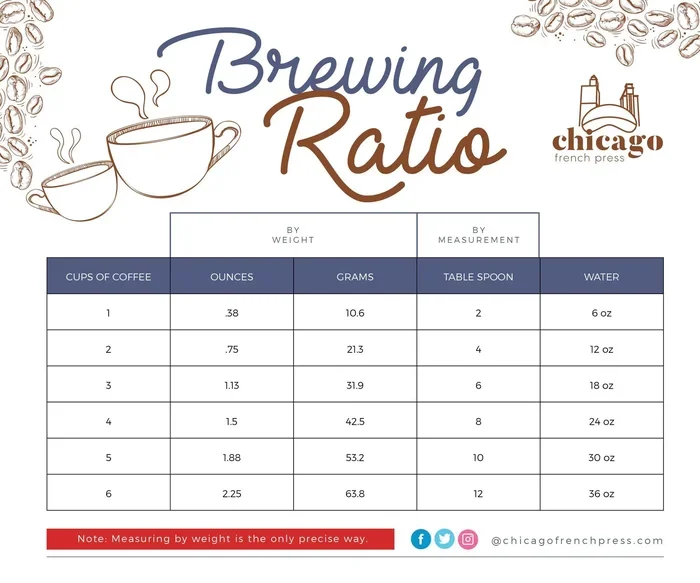
Making great coffee starts with how much coffee to use per cup. Too little, and your brew tastes weak. Too much, and it turns bitter. The golden ratio helps you find balance every time. This guide breaks down simple measurements, scoop rules, and brewing tips for consistent results.
Key Takeaways
- Start with the golden ratio: Use about 1 to 2 tablespoons of coffee per 6 ounces of water for a balanced cup.
- Adjust for taste: Stronger coffee needs more grounds, while lighter coffee needs less.
- Use fresh beans: Freshly ground coffee gives better flavor and aroma than pre-ground options.
- Measure consistently: A kitchen scale or standard scoop helps you repeat the same taste daily.
- Watch water quality: Clean, filtered water improves taste and reduces off-flavors.
- Try different methods: Drip, pour-over, and French press each work best with slight ratio changes.
- Avoid common mistakes: Overpacking grounds or using stale coffee can ruin an otherwise good brew.
📑 Table of Contents
- How Much Coffee to Use per Cup for a Great Brew
- Understanding the Golden Ratio for Coffee
- How Many Scoops of Coffee Per Cup of Water
- How to Measure Coffee in a Coffee Maker
- Choosing the Best Cup to Drink Coffee Out Of
- Common Mistakes When Brewing Coffee at Home
- Expert Insights for Better Coffee Every Day
- Final Thoughts on How Much Coffee to Use per Cup
How Much Coffee to Use per Cup for a Great Brew
Making a good cup of coffee does not need to be hard. You just need a simple plan. The right amount of coffee changes the whole taste. Too little grounds, and the drink feels thin. Too many grounds, and the cup turns harsh. If you have ever asked how much coffee to use per cup, you are not alone. This question comes up every morning in kitchens around the world.
The good news is that you do not need fancy tools to get started. A basic measuring spoon works well. A small kitchen scale works even better. Once you learn a simple starting point, you can adjust from there. You can make the cup stronger or lighter. You can match the taste to your mood. You can even change the ratio for different brewing methods.
This guide will help you build a steady routine. You will learn a reliable starting ratio. You will see how scoops compare to grams. You will also learn how water, grind size, and bean freshness affect flavor. By the end, you will feel confident every time you brew.
Understanding the Golden Ratio for Coffee
Visual guide about Coffee brewing measurement ratio
Image source: i.pinimg.com
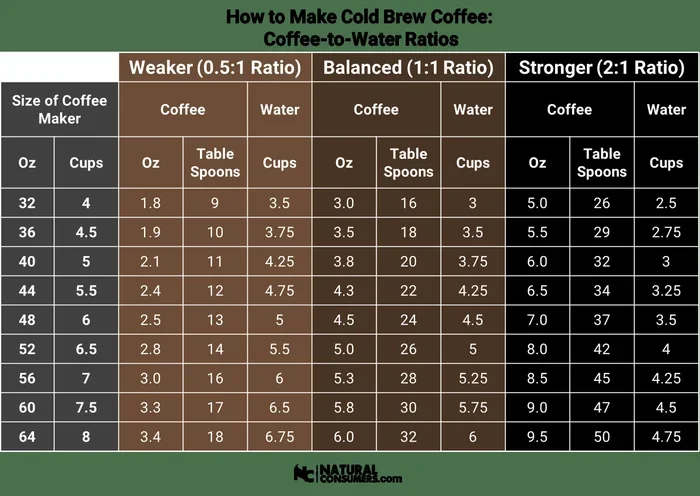
The easiest way to start is with a simple rule of thumb. Many coffee lovers use a ratio of 1 to 2 tablespoons of coffee for every 6 ounces of water. This is a solid starting point for most drip coffee makers. If you like a bolder cup, move toward 2 tablespoons. If you want a softer taste, start with 1 tablespoon.
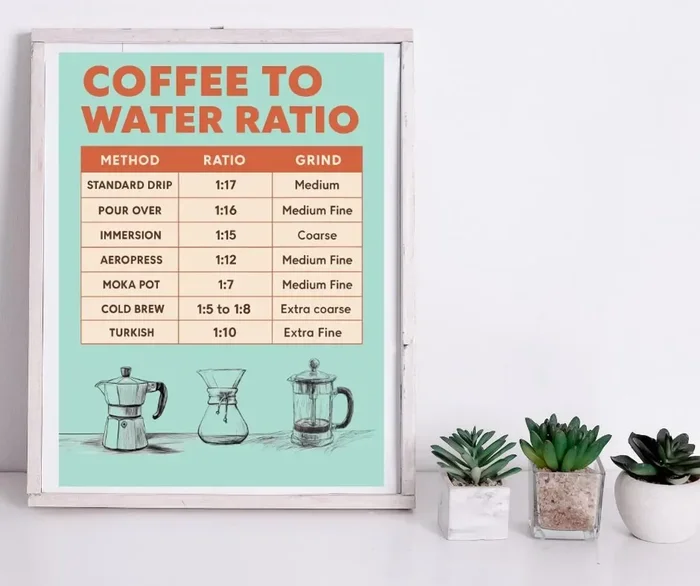
Some people prefer to think in grams. A common starting point is about 1 gram of coffee for every 15 to 18 grams of water. This range gives you a balanced cup with good flavor. If you want a stronger brew, use a 1 to 15 ratio. If you want something lighter, try 1 to 18. Small changes make a big difference.
It helps to remember that coffee-to-water ratio matters more than exact spoon counts. Different beans roast differently. Some beans taste denser. Some taste lighter. So the same spoon amount may taste different from one bag to the next. That is why tasting and adjusting is so useful.
Why the Ratio Matters
The ratio controls strength and extraction. Strength is how bold the coffee tastes. Extraction is how much flavor gets pulled from the grounds. If you use too little coffee, the water pulls too much from the grounds and can taste sharp. If you use too much coffee, the cup may taste heavy or muddy.
A balanced ratio gives you a smooth cup with clear flavor. You get enough body without the bitterness taking over. This is why many home brewers stick to a simple range at first. Once you know your preferred strength, you can fine-tune the amount.
Quick Tips for Starting Out
- Start simple: Use 1 to 2 tablespoons of coffee per 6 ounces of water.
- Taste first: Try a small batch before making a full pot.
- Adjust in small steps: Add or remove half a tablespoon at a time.
- Keep notes: Write down what you used and what you liked.
How Many Scoops of Coffee Per Cup of Water
Visual guide about Coffee brewing measurement ratio
Image source: thecoffeemillroasters.com
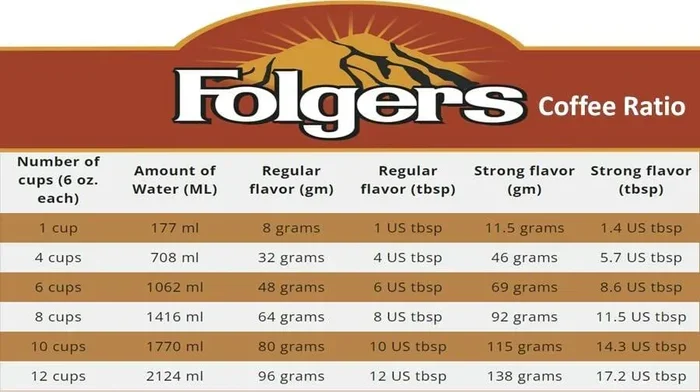
If you do not want to weigh your coffee, scoops can work well. A standard coffee scoop usually holds about 1 tablespoon of grounds. That makes the math easy. For a typical 6-ounce cup, one level scoop is a good start. For a stronger cup, use one heaping scoop or two level scoops.
Still, not all scoops are the same size. Some are larger. Some are smaller. Some coffee makers include their own scoop, which may not match a real tablespoon. So it is smart to check the size once. You can compare the scoop to a measuring spoon. That quick check saves confusion later.
If you want a more detailed scoop guide, you can read more in our article on how many scoops of coffee per cup of water. It breaks the topic down in a simple way and helps you match scoops to different cup sizes.
Scoop Rules That Help
- Use level scoops: A level scoop is easier to repeat than a heaping one.
- Check scoop size: Compare it to a tablespoon if you are unsure.
- Keep the same scoop: Using one scoop every time makes your results more consistent.
- Adjust for roast: Darker roasts may taste stronger, so you may want a little less coffee.
How to Measure Coffee in a Coffee Maker
Visual guide about Coffee brewing measurement ratio
Image source: i.etsystatic.com
Measuring coffee in a coffee maker is easy once you know the water lines. Many machines mark the carafe in cups, but those cups are often smaller than a full 8-ounce mug. That can be confusing. A machine cup is usually around 5 to 6 ounces. So if you want a full 8-ounce mug, you may need to brew more water than you expect.
A good habit is to measure the water first. Decide how many ounces you want to drink. Then match the coffee to that amount. If you use a 1 to 2 tablespoon rule, you can calculate quickly. For example, if you want 12 ounces of water, use 2 to 4 tablespoons of coffee.
If you want a more precise method, a kitchen scale is very helpful. Weigh the water and weigh the coffee. This removes guesswork. It also makes it easier to repeat a great cup on busy mornings. When you measure this way, you are using a simple coffee brewing ratio that stays steady every time.
Practical Measuring Steps
- Decide your cup size: 6 ounces, 8 ounces, or more.
- Measure the water: Use the carafe marks or a separate measuring cup.
- Add coffee: Start with 1 to 2 tablespoons per 6 ounces of water.
- Brew and taste: Adjust next time if the cup is too weak or too strong.
If you want extra help with machine measurements, our guide on how to measure coffee in a coffee maker explains the process in a clear, step-by-step way.
Choosing the Best Cup to Drink Coffee Out Of
The cup you use changes the experience too. A mug that is too small can make your coffee cool fast. A large cup can dilute the taste if you keep adding hot water. The shape of the cup can also affect how the aroma reaches you. That may sound small, but smell is a big part of flavor.
For most people, a sturdy mug with a comfortable handle works well. If you drink coffee slowly, a cup that holds heat longer is useful. If you prefer a lighter drink, a smaller cup may be better. The right cup depends on how you enjoy your coffee each day.
If you want help picking a good mug, check our article on best cup to drink coffee out of. It covers simple features that make a cup more enjoyable for daily use.
What to Look For in a Coffee Cup
- Heat retention: A thicker wall can keep coffee warm longer.
- Comfortable grip: A good handle makes sipping easier.
- Right size: Match the cup to your usual serving size.
- Easy to clean: Simple shapes are quicker to wash.
Common Mistakes When Brewing Coffee at Home
Even a good recipe can go wrong if a few small things are missed. One common mistake is using too little water for the amount of coffee. That creates a very strong, sometimes bitter cup. Another mistake is using too much water, which makes the coffee taste thin and dull.
Another issue is stale coffee. Old grounds lose aroma and flavor fast. If your coffee tastes flat, the beans may have been open too long. Grinding right before brewing helps a lot. Fresh grounds release more pleasant flavors during brewing.
People also forget about grind size. A grind that is too fine can make drip coffee taste harsh. A grind that is too coarse can make it taste weak. If your coffee tastes off, the grind may be part of the problem. Small changes in grind can improve the cup a lot.
Quick Fixes for Common Problems
- Too strong: Use less coffee or add a little more water next time.
- Too weak: Use a bit more coffee or check your brew time.
- Bitter taste: Try a coarser grind or slightly less coffee.
- Flat taste: Use fresher beans or grind just before brewing.
Expert Insights for Better Coffee Every Day
If you want better coffee without much effort, focus on consistency. Use the same amount of water. Use the same coffee amount. Use the same grind if possible. When you keep things steady, it becomes much easier to spot what you like.
Temperature matters too. Very hot water can pull out harsh flavors. Water that is too cool may not extract enough. A moderate brewing temperature usually gives the best result for everyday coffee. You do not need to overthink it, but avoid boiling water hitting the grounds directly if you can.
Clean equipment also makes a difference. Old oils and residue can change the flavor. A quick wash after brewing keeps the taste clean. If your coffee starts tasting strange, check the machine, the filter, and the carafe. Clean tools often solve small flavor problems.
Simple Habits That Improve Taste
- Use fresh beans: Smell them before brewing. They should smell rich, not dull.
- Store coffee well: Keep it sealed and away from heat and moisture.
- Try small changes: Change one thing at a time so you know what helped.
- Trust your palate: Your taste matters more than any perfect rule.
Final Thoughts on How Much Coffee to Use per Cup
The best answer to how much coffee to use per cup is simple: start with a steady ratio, then adjust to your taste. A good beginning is 1 to 2 tablespoons of coffee for every 6 ounces of water. From there, you can make the cup stronger, lighter, or smoother. The goal is not perfection. The goal is a cup you enjoy every day.
Remember that the ratio is only one part of the brew. Fresh beans, clean water, the right grind, and a good cup all matter too. When these pieces work together, your coffee tastes better with less effort. Keep your method simple. Make small changes. Write down what works. In a short time, you will have a routine that feels easy and reliable.
If you want to explore more kitchen tips and brewing guides, you can browse more helpful articles on our site. Coffee is a daily ritual for many people, and a few smart habits can make that ritual much more enjoyable.
Frequently Asked Questions
How much coffee should I use for one 8-ounce cup?
For an 8-ounce cup, start with about 1.5 to 2.5 tablespoons of coffee. If you want a stronger cup, use a little more grounds. If you want a milder cup, use a little less.
Is one scoop of coffee enough for one cup?
One level scoop is usually enough for a 6-ounce cup, but not always for a larger mug. If your cup is bigger, you may want one and a half scoops or two scoops for better balance.
How do I make coffee less bitter?
Use a little less coffee, a coarser grind, or slightly cooler brewing water. Fresh beans and clean equipment can also help reduce bitter flavors.
Should I measure coffee by weight or scoops?
Weight is more precise, but scoops are easier for quick mornings. If you want the same taste every day, a scale is helpful. If you want speed, a consistent scoop works well.
Does the brewing method change how much coffee I need?
Yes, different methods can taste best with slightly different ratios. Drip coffee, pour-over, and French press may each need small adjustments for the best flavor.
Why does my coffee taste weak even when I use enough grounds?
The grind may be too coarse, the water may be too cool, or the brew time may be too short. Freshness also matters, since stale coffee can taste weak even when the amount is right.



