

Coffee jitters usually last between 30 minutes and 6 hours, depending on your caffeine sensitivity and how much you consumed. This uncomfortable buzz happens when your central nervous system overreacts to too much stimulant intake. You can ease the shaking by drinking water, eating a balanced snack, and taking a slow walk. Understanding your personal tolerance helps you enjoy your morning brew without the unpleasant side effects.
We have all been there. You grab your favorite mug, take a few quick sips, and suddenly your hands start to tremble. Your heart beats faster. Your mind races. You just want the feeling to stop. If you are asking how long do coffee jitters last, you are not alone. This common reaction happens when your body gets more stimulant than it can handle at once. The good news is that the feeling always passes. The better news is that you can often shorten it and prevent it next time.
This guide breaks down everything you need to know in simple terms. You will learn why the shaking happens, what affects the length of the feeling, and what you can do right now to feel better. We will also cover smart habits that help you enjoy your daily cup without the uncomfortable side effects. Keep reading to get clear, practical answers that actually work.
Key Takeaways
- Duration varies: Most people feel coffee jitters for 30 minutes to 6 hours after drinking caffeine.
- Caffeine half-life matters: Your body takes about 5 hours to process half the caffeine in your system.
- Symptoms differ by person: Shaking, racing heart, anxiety, and restlessness are common signs of too much stimulant.
- Hydration helps: Drinking water and eating food can speed up comfort and reduce harsh effects.
- Know your limit: Most adults handle 400 mg of caffeine daily, but sensitive people need much less.
- Prevention works: Sip slowly, choose smaller servings, and avoid drinking on an empty stomach.
- When to seek help: Chest pain, severe dizziness, or trouble breathing need immediate medical attention.
📑 Table of Contents
What Are Coffee Jitters and Why Do They Happen
Coffee jitters are the physical and mental side effects of too much caffeine hitting your system too fast. Caffeine is a natural stimulant. It wakes up your brain and body by blocking a calming chemical called adenosine. When that block happens, your nervous system gets a sudden boost of energy. For many people, that boost feels great. For others, it feels like shaking, nervousness, and a racing heart.
The reaction is not dangerous for most healthy adults. It is simply your body telling you that the dose was higher than your comfort level. Think of it like turning up the volume on a speaker. A little boost sounds fine. Too much boost creates distortion. Your body reacts the same way to too much stimulant.
Common Symptoms to Watch For
The signs can show up within 15 to 45 minutes after you drink your coffee. They often peak before they slowly fade. Here are the most common symptoms:
- Shaky hands or legs: A fine tremor that makes simple tasks feel awkward.
- Fast heartbeat: Your pulse feels stronger or quicker than normal.
- Restlessness: You feel unable to sit still or focus calmly.
- Nervous energy: Your mind jumps from thought to thought.
- Upset stomach: Some people feel mild nausea or a fluttery belly.
- Sweating: A light sweat can appear even when the room is cool.
Why Some People Feel It More Than Others
Not everyone reacts the same way. Your genetics, body weight, sleep level, and usual caffeine habits all play a role. Some people break down caffeine slowly. Others clear it quickly. If you rarely drink coffee, even a small cup can feel intense. If you drink it every day, your body may have built a tolerance. That tolerance changes how strong the feeling seems.
Your stomach contents matter too. Drinking coffee on an empty stomach often makes the effects hit faster and harder. Food slows down absorption. That simple fact can make a big difference in how intense the experience feels.
How Long Do Coffee Jitters Last
The short answer is that how long do coffee jitters last depends on your body and your dose. For most people, the uncomfortable feeling starts within 30 minutes and fades over the next few hours. A mild case may disappear in under an hour. A stronger case can linger for 4 to 6 hours. In rare cases, sensitive people may feel residual restlessness until bedtime.

Visual guide about coffee cup energy boost
Image source: thumbs.dreamstime.com
The reason the feeling lasts so long is that caffeine stays in your system for a while. Your liver breaks it down gradually. The average half-life is about 5 hours. That means if you consume 200 mg of caffeine, you still have about 100 mg active in your body after 5 hours. The jitters usually fade before the caffeine is fully gone, but the timeline gives you a clear picture of why patience matters.
The Peak and Fade Timeline
Here is a simple timeline you can expect in a typical case:
- 0 to 30 minutes: Caffeine enters your bloodstream. You may feel more alert, then slightly shaky.
- 30 to 60 minutes: Effects often peak. Heart rate may rise. Hands may tremble. Focus may feel scattered.
- 1 to 3 hours: The strongest sensations usually begin to soften. You may still feel wired, but less intense.
- 3 to 6 hours: Most people feel much better. The remaining caffeine keeps working, but the uncomfortable edge is mostly gone.
Factors That Change the Duration
Several everyday factors can stretch or shorten the experience. Knowing them helps you predict what your body will do.
- Amount consumed: More caffeine usually means stronger and longer symptoms.
- Body size and metabolism: Smaller bodies and slower metabolisms often feel effects longer.
- Tolerance level: Regular drinkers may feel shorter, milder symptoms than occasional drinkers.
- Food in the stomach: A meal slows absorption and can soften the peak.
- Hydration: Being well hydrated supports normal body function and comfort.
- Stress and sleep: High stress or poor sleep can make the same dose feel worse.
- Other sources of caffeine: Soda, tea, energy drinks, and chocolate add to the total load.
Coffee Jitter Symptoms You Should Know
Recognizing the symptoms early helps you respond faster. The feeling is uncomfortable, but it is usually manageable at home. The key is to stay calm and avoid adding more stimulant.

Visual guide about coffee cup energy boost
Image source: thumbs.dreamstime.com
Physical Signs
The body often speaks first. You may notice your hands moving in small, quick motions. Your shoulders may feel tense. Your breathing might become shallow. Some people feel a light flutter in the chest or a stronger pulse at the wrist. These signs are common and usually fade as the caffeine level drops.
Mental and Emotional Signs
Your mind can feel unusually busy. You may jump between tasks without finishing one. Some people feel a wave of worry that seems out of proportion to the moment. Others feel irritable or overly alert. This mental buzz is part of the stimulant effect. It typically softens as your body processes the caffeine.
When Symptoms Feel More Intense
A large dose can make the experience feel much stronger. Strong coffee, multiple cups, or caffeine pills can push the sensation from mild to intense. Mixing caffeine with high stress or lack of sleep can also amplify the feeling. If you are sensitive, even a normal cup can feel like too much.
How to Get Rid of Coffee Jitters Fast
You cannot erase caffeine from your body instantly. Your liver needs time to do its job. Still, you can make the waiting period much easier. These simple steps help your body and mind settle down.
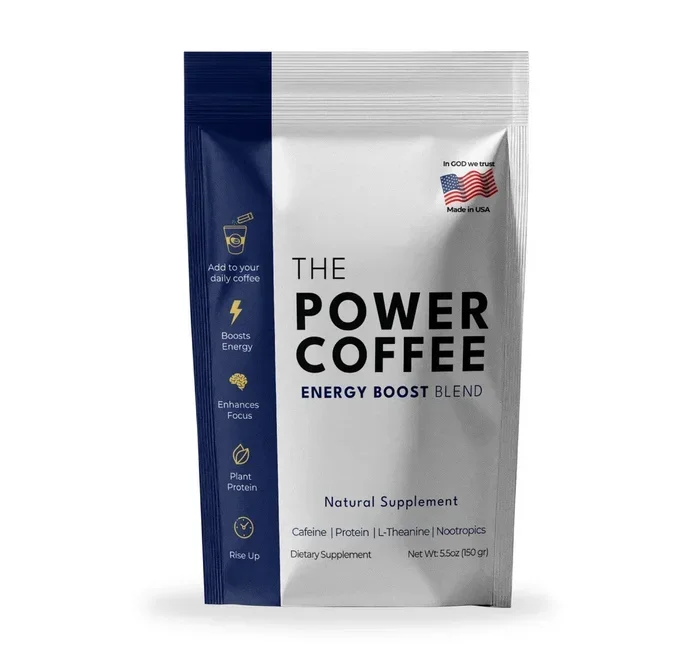
Visual guide about coffee cup energy boost
Image source: thepowercoffee.com
Drink Water
Water supports normal body function and helps you feel more comfortable. Sip steadily rather than chugging. Hydration does not flush caffeine out instantly, but it helps reduce the dry, wired feeling that often comes with too much stimulant.
Eat a Balanced Snack
Food slows the absorption of any remaining caffeine and steadies your blood sugar. Choose something simple and nourishing. A piece of fruit, a few nuts, yogurt, or whole-grain toast works well. Avoid sugary treats that spike your energy and then crash it.
Move Gently
A slow walk can help burn off nervous energy. Keep it light and steady. You do not need a hard workout. Gentle movement helps your body relax and gives your mind something calm to focus on.
Try Slow Breathing
Deep, slow breaths tell your nervous system to calm down. Try breathing in for four counts and out for six counts. Repeat for a few minutes. This simple habit lowers tension and makes the shaking feel less intense.
Avoid More Caffeine
This sounds obvious, but it is easy to forget. Do not reach for another cup, an energy drink, or a caffeinated soda. Give your body time to clear what it already has. Adding more only extends the feeling.
Quick Tips for Fast Relief
- Sip water every 10 to 15 minutes.
- Eat a small snack with protein or fiber.
- Take a 10-minute walk outside if you can.
- Use slow breathing to lower tension.
- Rest in a quiet room if you feel overstimulated.
- Wait it out. Time is the most effective fix.
How to Prevent Coffee Jitters Next Time
Prevention is easier than dealing with the feeling after it starts. A few small changes can make your coffee routine much smoother.
Know Your Personal Limit
Most healthy adults can handle up to 400 mg of caffeine per day. That is roughly four small cups of brewed coffee. However, your personal comfort may be lower. If you feel shaky after one cup, that is your body giving you useful feedback. Listen to it.
Sip Slowly
Drinking a cup quickly sends caffeine into your system faster. That sharp rise often triggers the jitters. Sip over 20 to 30 minutes instead. A slower pace gives your body time to adjust.
Pair Coffee With Food
A light meal or snack before or with your coffee can soften the impact. Protein, fiber, and healthy fats work well. This simple habit can turn a rough experience into a smooth one.
Choose Smaller Servings
If a full mug causes problems, try a smaller cup. You can always enjoy a second small serving later if you still want more. Smaller portions give you more control over how you feel.
Watch Hidden Caffeine
Coffee is not the only source. Tea, soda, energy drinks, chocolate, and some snacks contain caffeine too. Add them up if you are sensitive. A few small sources can combine into a larger total dose than you expect.
Common Mistakes to Avoid
- Drinking on an empty stomach: This often makes the effects hit harder.
- Chugging in a rush: Fast intake creates a sharp spike.
- Ignoring your own tolerance: Other people’s habits are not your guide.
- Stacking multiple sources: Coffee plus energy drinks can overwhelm your system.
- Using caffeine to replace sleep: Rest is the real fix for fatigue.
When Coffee Jitters Become a Concern
For most people, the feeling is temporary and manageable. Still, there are times when you should pay closer attention. If the sensation feels extreme or includes warning signs, do not ignore it.
Signs That Need Attention
Seek medical help right away if you notice chest pain, trouble breathing, fainting, or a very fast and irregular heartbeat that does not settle. Severe dizziness, confusion, or vomiting that will not stop also deserve prompt care. These signs are uncommon, but they matter.
Special Situations
Some people need to be more careful with caffeine. Pregnant individuals, people with heart conditions, and those who struggle with anxiety may need lower limits. If you take certain medicines, caffeine can interact with them too. When in doubt, ask a healthcare professional what amount is safe for you.
Expert Insights
Most caffeine side effects come from dose and timing, not from the coffee itself. Small changes in how you drink often make the biggest difference. If you love coffee but hate the jitters, the solution is usually not to quit entirely. It is to adjust the amount, the pace, and the timing. That balanced approach lets you keep the flavor and energy you enjoy while avoiding the uncomfortable spike.
Key Takeaways for Safe Enjoyment
- Start with a smaller serving and see how you feel.
- Eat something before or with your coffee.
- Spread your intake across the day instead of one big dose.
- Track your total caffeine from all sources.
- Give yourself time to wind down after a cup.
- Stop and seek help if warning signs appear.
Conclusion
So, how long do coffee jitters last? For most people, the uncomfortable shaking and racing feeling fade within a few hours, often between 30 minutes and 6 hours. The exact length depends on how much you drank, how sensitive you are, and what else is happening in your body. While you wait, simple steps like drinking water, eating a snack, and taking slow breaths can help you feel better faster.
The best approach is to learn your personal comfort zone. Sip slowly, pair your coffee with food, and keep an eye on your total caffeine from other sources. With a few small habits, you can keep enjoying your favorite drink without the unpleasant spike. If the feeling ever feels too intense or includes serious symptoms, get medical help right away. Otherwise, a little patience and a few smart choices are usually all you need.
Frequently Asked Questions
How long do coffee jitters last for most people?
For most people, coffee jitters last between 30 minutes and 6 hours. The feeling usually peaks within the first hour and then slowly fades as your body processes the caffeine.
What helps coffee jitters go away faster?
Drinking water, eating a small balanced snack, and taking a gentle walk can help you feel better sooner. Slow breathing also calms your nervous system while your body clears the caffeine.
Why do coffee jitters happen?
They happen when caffeine stimulates your nervous system more than your body is comfortable with. This can cause shaking, a faster heartbeat, restlessness, and a busy mind.
Can coffee jitters be dangerous?
They are usually not dangerous for healthy adults, but extreme symptoms should not be ignored. Seek medical help if you have chest pain, trouble breathing, fainting, or a very fast irregular heartbeat.
Do coffee jitters mean I am caffeine sensitive?
They can. Feeling shaky after a normal amount of coffee may mean you are more sensitive to caffeine than average. Your genetics, sleep, stress level, and tolerance all affect how you respond.
How can I prevent coffee jitters next time?
Drink smaller servings, sip slowly, and avoid drinking on an empty stomach. Watching your total caffeine from tea, soda, and energy drinks also helps you stay within your comfort zone.



