A standard cup of coffee contains about 95 milligrams of caffeine, but the exact amount varies widely based on bean type, roast level, and brewing method. Light roasts generally have more caffeine than dark roasts, and espresso packs more caffeine per ounce than drip coffee. Understanding your coffee caffeine content helps you manage energy, avoid jitters, and enjoy your daily brew with confidence.
You reach for your morning mug expecting that familiar boost. You want to know exactly what you are putting into your body. The truth is that how much caffeine is in a cup of coffee depends on many small details. It is not a single fixed number. It changes with the bean, the roast, the grind, the water, and the brewing time. Once you understand these pieces, you can predict your caffeine intake and choose the right cup for your day.
Most people think a cup of coffee always gives the same kick. That idea is too simple. A small home brew differs from a large café drink. A light roast differs from a dark roast. Even two cups made from the same bag can taste and feel different. In this guide, we will break down the real numbers, explain why they shift, and show you how to control your caffeine consumption without giving up your favorite drink.
By the end, you will know the typical caffeine range for common coffee styles. You will also learn how to read your own habits and adjust your routine. If you love strong coffee, you can find ways to get more energy. If you want a gentler lift, you can choose lighter options. Let us start with the basics and build from there.
Key Takeaways
- Average caffeine content: An 8-ounce cup of brewed coffee typically contains 95 milligrams of caffeine, though it can range from 70 to 140 milligrams.
- Bean variety matters: Robusta beans contain nearly twice the caffeine of Arabica beans, making bean type a major factor in your cup strength.
- Roast level affects caffeine: Light roasts retain slightly more caffeine than dark roasts because longer roasting times break down some caffeine compounds.
- Brew method changes results: Espresso delivers more caffeine per ounce, while drip coffee and French press methods extract caffeine differently based on contact time and pressure.
- Serving size is key: Larger mugs and coffee shop servings can contain 200 to 400 milligrams of caffeine, so always check your cup size.
- Decaf is not caffeine-free: Decaffeinated coffee still contains about 2 to 5 milligrams of caffeine per cup, which matters for sensitive drinkers.
- Timing and tolerance vary: Your body processes caffeine at different rates based on genetics, weight, and habitual intake, so listen to your own energy signals.
📑 Table of Contents
What Is the Average Caffeine Content in a Cup of Coffee
When people ask about coffee caffeine content, they usually want a quick number. For a standard 8-ounce cup of brewed coffee, the average sits near 95 milligrams. This number works as a useful baseline. It helps you compare drinks and plan your daily intake. Still, you should treat it as a guide, not a strict rule.
The range is wider than most people expect. Some cups land around 70 milligrams. Others reach 140 milligrams or more. The difference comes from how the coffee is made and what goes into it. A light, quick brew may stay on the lower side. A long extraction with fine grounds may push higher. Even the water temperature can change the final result.
It helps to think in simple terms. Brewed coffee caffeine levels depend on extraction. Water pulls caffeine out of the grounds over time. More contact usually means more caffeine. That is why a quick pour-over can differ from a long French press cycle. The same bean can produce different results in different cups.
If you want a reliable starting point, use 95 milligrams for an 8-ounce cup. Then adjust based on your drink. A small mug may hold less liquid and less caffeine. A large travel cup may hold far more. The size of the cup matters just as much as the brew itself.
Why the Numbers Vary So Much
You may notice that your coffee feels stronger on some days. That is normal. Many small factors shift the caffeine content in brewed coffee. The grind size changes how fast water moves through the grounds. The water ratio changes how concentrated the cup becomes. Even the freshness of the beans can play a role.
Here are the main reasons the numbers move:
- Bean type: Different coffee plants produce beans with different natural caffeine levels.
- Roast depth: Longer roasting changes the bean structure and reduces some caffeine.
- Brew time: Longer contact between water and grounds usually extracts more caffeine.
- Water temperature: Hotter water can pull more compounds from the coffee.
- Serving size: A bigger cup means more liquid and often more caffeine.
These factors work together. That is why two people can brew the same bag of coffee and still get different results. Small changes in your routine add up. Once you know this, you can make better choices without guessing.
Quick Comparison of Common Coffee Styles
Different coffee drinks carry different caffeine amounts. The table below gives a simple snapshot. Use it as a reference when you compare your usual drinks.
| Coffee Style | Typical Serving | Approximate Caffeine |
|---|---|---|
| Drip brewed coffee | 8 ounces | 95 milligrams |
| Espresso | 1 ounce | 63 milligrams |
| Instant coffee | 8 ounces | 60 milligrams |
| Decaffeinated coffee | 8 ounces | 2 to 5 milligrams |
| Cold brew | 8 ounces | 100 to 200 milligrams |
This table shows why drink style matters. Espresso looks small, but it is concentrated. Cold brew can be very strong because it often uses a high coffee-to-water ratio. Instant coffee usually sits lower on the scale. Decaf is the gentlest option, but it is not completely empty.
How Bean Type and Roast Affect Caffeine Levels
The bean itself is the starting point for every cup. Arabica vs Robusta caffeine is one of the biggest differences in coffee. Arabica beans are popular for their smoother flavor and balanced profile. Robusta beans contain more caffeine and often taste bolder and more bitter. If you want a stronger lift, Robusta-based blends can deliver more caffeine per cup.
Visual guide about fresh cup of coffee on table
Image source: as1.ftcdn.net
Many commercial blends mix both beans. That means the final caffeine level depends on the ratio. A blend with more Robusta will usually be higher in caffeine. A pure Arabica cup will usually be lower. This is one reason coffee from different brands can feel so different, even when the brew method is the same.
Light Roast vs Dark Roast Caffeine
Roast level also changes the story. Many people assume dark roast has more caffeine because it tastes stronger. Flavor strength and caffeine are not the same thing. In fact, light roast vs dark roast caffeine usually favors the light roast in small but meaningful ways.
During roasting, the bean loses water and expands. Some caffeine breaks down as the roast gets longer and hotter. Light roasts spend less time under heat, so they keep slightly more caffeine by weight. Dark roasts taste bolder, but they may have a touch less caffeine in the same serving size.
The difference is not huge, but it is real. If you drink a lot of coffee, those small differences can matter over time. If you want the highest caffeine per cup, choose a lighter roast and measure carefully. If you prefer a smoother, deeper flavor, a darker roast may suit you better, even if it is slightly lower in caffeine.
Practical Tips for Choosing Beans
If caffeine is your main goal, look at the label and the blend. Ask yourself what matters more: flavor or strength. Then choose the bean that fits your priority. Here are a few simple tips:
- Check the bean type: Robusta-heavy blends usually give more caffeine.
- Notice the roast: Lighter roasts often preserve more caffeine by weight.
- Buy fresh: Fresh beans taste better and brew more consistently.
- Store beans well: Keep them sealed and away from heat to protect flavor and quality.
You do not need to become a coffee expert to make smart choices. A little attention goes a long way. Once you know your bean and roast, you can predict your cup with much more confidence.
Brewing Methods and Their Impact on Caffeine
How you brew changes how much caffeine ends up in your cup. Espresso caffeine per ounce is high because the drink is concentrated. A single shot is small, but it packs a strong punch for its size. Drip coffee is less concentrated, but the larger serving size often gives you more total caffeine.
Visual guide about fresh cup of coffee on table
Image source: thumbs.dreamstime.com
French press coffee sits in a different spot. The grounds steep directly in the water for several minutes. That longer contact can extract a solid amount of caffeine. The result is a full-bodied cup with a steady lift. Pour-over methods can also vary a lot depending on pour speed, grind, and filter type.
Why Brew Time and Grind Size Matter
Caffeine extraction is not instant. Water needs time to move through the coffee and pull compounds into the cup. Finer grounds expose more surface area, so extraction can happen faster. Coarser grounds slow the process down. If you change the grind without changing the time, your cup can shift noticeably.
This is why consistency matters. If you want a reliable caffeine level, keep your grind and brew time steady. If you want more caffeine, you can use a finer grind or a longer steep. If you want less, you can coarsen the grind or shorten the brew. Small adjustments give you control.
Cold Brew and Other Styles
Cold brew has become very popular because it tastes smooth and often feels strong. It usually steeps for many hours, sometimes overnight. That long contact time can create a concentrated coffee base. When served diluted, the caffeine can still be high, depending on the ratio.
Other styles, like instant coffee, tend to sit lower on the caffeine scale. Instant coffee is convenient, but it often extracts less than a full brew cycle. If you want a quick cup with a moderate lift, instant can work. If you want a stronger boost, a fresh brew usually does better.
Quick Tips for Brew Control
- Match grind to method: Use finer grinds for shorter brews and coarser grinds for longer ones.
- Watch the ratio: More coffee per cup usually means more caffeine.
- Keep time consistent: Brew time is a major lever for caffeine extraction.
- Taste and adjust: Your ideal cup may need a small tweak, not a full reset.
If you enjoy experimenting, try one change at a time. Change the grind first. Then check the brew time. Then look at the ratio. This simple process helps you find the cup that fits your energy needs.
Serving Size and Daily Caffeine Intake
One of the easiest ways to misjudge caffeine is to ignore serving size. A small home mug and a large café cup are not the same drink. Daily caffeine intake depends on how many cups you drink and how large they are. Two small cups may give you less caffeine than one giant iced coffee.
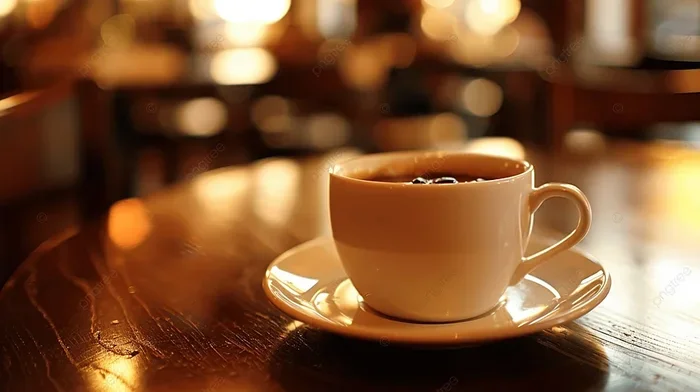
Visual guide about fresh cup of coffee on table
Image source: png.pngtree.com
Coffee shop drinks can be tricky. Some are larger than they look. Some include extra shots of espresso. Some use strong blends or concentrated bases. If you are tracking your caffeine, it helps to think in total milligrams, not just in cup count.
How Much Is Too Much
Most healthy adults can handle a moderate amount of caffeine without trouble. Many people enjoy several cups a day and feel fine. Still, sensitivity varies. Some people feel alert after a small amount. Others need more to notice a change. Your body, weight, sleep, and habits all play a role.
If you want a simple rule, pay attention to how you feel. If you get jitters, a racing heart, or trouble sleeping, your intake may be too high for you. If you feel steady and focused, your current level may be a good fit. The goal is balance, not extremes.
Managing Your Coffee Habit
You do not have to quit coffee to manage caffeine. You can adjust your routine in smart ways. Try these ideas:
- Choose smaller servings: A smaller cup can lower your total caffeine without ending your ritual.
- Mix regular and decaf: This cuts caffeine while keeping the coffee flavor you enjoy.
- Watch the timing: Earlier cups may affect your day less than late-afternoon drinks.
- Track your patterns: Notice which drinks help you and which make you feel too wired.
If you want more help with measuring your coffee and keeping your brew consistent, you may find it useful to read how to measure coffee in a coffee maker. A steady recipe makes it easier to predict your caffeine from cup to cup.
Decaf Coffee and Common Caffeine Myths
Decaf is a helpful option for people who want coffee flavor with less stimulation. But decaf does not mean zero caffeine. Decaf coffee caffeine amount usually stays around 2 to 5 milligrams per 8-ounce cup. That is small, but it is not empty. For most people, that tiny amount is harmless. For very sensitive drinkers, it can still matter.
This is why decaf works well as a lower-caffeine choice, not a total removal. If you drink several cups of decaf, the small amounts can add up a little. Still, compared with regular coffee, it is a much gentler path.
Common Myths About Coffee Caffeine
There are a few myths that keep people from making good choices. Let us clear them up.
- Myth: Dark roast always has more caffeine. Strong flavor is not the same as high caffeine.
- Myth: All espresso drinks are the highest in caffeine. Espresso is concentrated, but total caffeine depends on serving size.
- Myth: Decaf has no caffeine at all. It has a small amount, just much less than regular coffee.
- Myth: More bitter coffee means more caffeine. Bitterness comes from many compounds, not caffeine alone.
Once you see past these myths, the picture becomes clearer. You can choose based on real factors instead of guesses. That makes your coffee routine more useful and more predictable.
Expert Insight on Caffeine and Coffee
If you want a steadier relationship with coffee, think about consistency. Use the same bean type when you can. Keep your brew method familiar. Notice how your body responds at different times of day. Over time, you will learn what works for you.
It also helps to remember that caffeine is only one part of the coffee experience. Flavor, warmth, ritual, and focus all matter too. A good cup can support your day in more than one way. The best routine is the one that fits your energy, your taste, and your schedule.
How to Estimate Caffeine in Your Own Cup
You do not need a lab to make a reasonable estimate. Start with the basics. Ask yourself what bean you used, how it was roasted, how you brewed it, and how large the cup is. Then use the average numbers as a guide. From there, adjust based on your own experience.
For example, a light-roast drip coffee in an 8-ounce mug may sit near the middle of the usual range. A strong Robusta blend brewed with a long steep may move higher. A small espresso may feel intense, but the total caffeine may still be lower than a large mug of drip coffee. Context matters.
Simple Ways to Stay Consistent
- Use the same mug: This keeps your serving size more stable.
- Measure your grounds: A consistent coffee-to-water ratio helps control strength.
- Note your brew time: Keep it steady if you want repeatable results.
- Write down what works: A small note can save you from guessing later.
If you ever want to compare different coffee styles more closely, you can also explore how many scoops of coffee per cup of water. That kind of guidance helps you keep your brew measured and your caffeine more predictable.
When to Choose Lower-Caffeine Options
There are times when a lighter caffeine load makes sense. Late evenings are an obvious one. So are days when you feel stressed or sensitive. Pregnancy, sleep troubles, and stomach sensitivity can also make people choose gentler options. In those moments, decaf, half-caf, or a smaller cup can be a smart move.
You can also switch bean types or roast levels to soften the effect. A smoother Arabica cup with a darker roast may feel easier on some days. The point is to match the drink to the moment. Coffee should support your day, not disrupt it.
Conclusion
So, how much caffeine is in a cup of coffee? For most people, the best starting answer is about 95 milligrams for an 8-ounce cup of brewed coffee. But that number is only the beginning. Bean type, roast level, brew method, and serving size all change the final result. Espresso, cold brew, instant coffee, and decaf each bring a different caffeine profile.
The best approach is simple. Learn the basics, notice your own response, and adjust with purpose. If you want more energy, choose a stronger bean, a lighter roast, or a larger brew. If you want less, choose decaf, a smaller cup, or a shorter extraction. With a little attention, you can make coffee work for your body and your day.
Your ideal cup is the one that gives you the right lift without the unwanted side effects. Keep your routine steady, watch your serving size, and trust your own signals. That is how you turn coffee from a mystery into a useful part of your daily life.
Frequently Asked Questions
How much caffeine is in a regular 8-ounce cup of coffee?
A typical 8-ounce cup of brewed coffee contains about 95 milligrams of caffeine, though the amount can range from 70 to 140 milligrams depending on the bean, roast, and brew method.
Does light roast coffee have more caffeine than dark roast?
Usually, yes, but the difference is small. Light roasts tend to keep slightly more caffeine by weight because longer roasting can reduce some caffeine, while dark roasts often taste stronger without having more caffeine.
Is espresso higher in caffeine than drip coffee?
Espresso has more caffeine per ounce, but a standard shot is small, so the total caffeine may still be less than a full mug of drip coffee. The larger serving size of drip coffee often gives you more caffeine overall.
How much caffeine is in decaf coffee?
Decaf coffee is not completely caffeine-free. It usually contains about 2 to 5 milligrams of caffeine per 8-ounce cup, which is much lower than regular coffee but not zero.
Do Robusta beans really have more caffeine than Arabica beans?
Yes, Robusta beans generally contain more caffeine than Arabica beans. That is why blends with more Robusta often produce a stronger caffeine effect and a bolder, more bitter taste.
How can I lower the caffeine in my coffee without stopping completely?
You can choose smaller servings, use more decaf or half-caf coffee, pick a darker roast, or shorten the brew time a little. These small changes can reduce caffeine while still letting you enjoy your coffee ritual.