
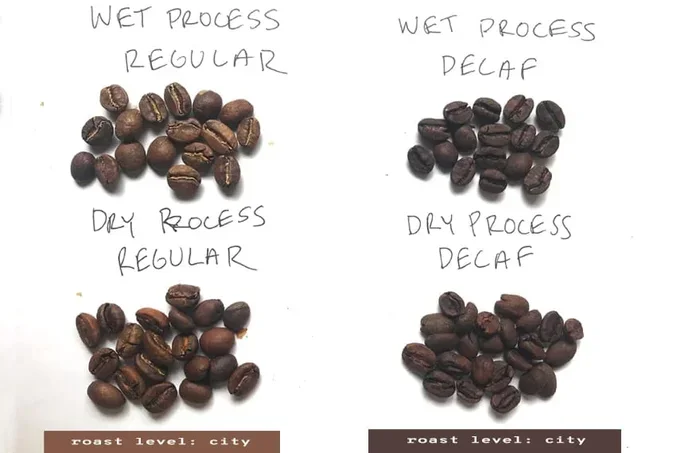
Not all coffee contains the same amount of caffeine. Some brews are naturally low, while others pack a strong punch. Decaffeinated coffee still holds trace amounts, but it is far from regular coffee. Learning how bean type, roast, and brewing method change caffeine helps you choose the right cup for your day.
If you drink coffee every morning, you probably care about how much energy it gives you. Maybe you want a strong boost before work. Maybe you want something gentle later in the day. That leads to a simple question: does all coffee have caffeine? The short answer is no, not in the same way. Some coffee has a lot. Some has very little. And decaf is not completely caffeine-free.
Coffee is more complex than it looks. The bean, the roast, the grind, the water, and the brewing method all change the final cup. Even two cups from the same bag can taste different and contain different caffeine levels. That is why people often feel confused when one drink wakes them up and another does not.
In this guide, we will break it all down in a simple way. You will learn what caffeine really is, why coffee varies, and how to choose a cup that fits your needs. Whether you want a strong pick-me-up or a low-caffeine option, you can make a smarter choice once you understand the basics.
Key Takeaways
- Key Takeaway 1: Not every coffee has the same caffeine level, and some options are naturally low.
- Key Takeaway 2: Decaf coffee is not 100% caffeine-free, but it contains only tiny amounts.
- Key Takeaway 3: Robusta beans usually contain more caffeine than Arabica beans.
- Key Takeaway 4: Brewing method, water temperature, and steep time change caffeine extraction.
- Key Takeaway 5: Lighter roasts often keep slightly more caffeine than darker roasts by volume.
- Key Takeaway 6: Serving size and coffee concentration matter just as much as the bean itself.
- Key Takeaway 7: If you want less caffeine, choose decaf, shorter brew times, or smaller servings.
📑 Table of Contents
- Does All Coffee Have Caffeine? The Simple Answer
- How Much Caffeine Is in Different Types of Coffee
- Decaf Coffee and Caffeine Content
- What Affects Caffeine Levels in Coffee
- How to Choose Lower Caffeine Coffee Options
- Common Mistakes People Make About Coffee and Caffeine
- Expert Insights on Coffee and Caffeine
- Key Takeaways
- Conclusion
Does All Coffee Have Caffeine? The Simple Answer
When people ask, does all coffee have caffeine, they usually want to know whether every cup will affect their energy, sleep, or focus. The truth is that most coffee does contain caffeine, but the amount can vary a lot. Regular coffee naturally contains caffeine because the coffee bean itself contains it. That means a normal cup of brewed coffee, espresso, or instant coffee will usually give you some caffeine.
However, not all coffee drinks are the same. Some are made from beans that are naturally higher in caffeine. Some are brewed longer, which can pull more caffeine into the cup. And some are made from decaffeinated beans, which have had most of the caffeine removed. So the real answer is that coffee usually has caffeine, but the level depends on many factors.
It also helps to think about what you mean by coffee. If you mean the drink made from coffee beans, then yes, it usually has caffeine unless it is decaf. If you mean every possible coffee-based drink, then the answer changes again. A small espresso may have less caffeine than a large mug of drip coffee. A weak instant coffee may have less than a strong cold brew. The drink style matters a lot.
Why Coffee Usually Contains Caffeine
Coffee beans naturally produce caffeine as part of the plant. In simple terms, caffeine is a natural compound that helps protect the plant. When we brew coffee, water pulls that compound out of the grounds and into your cup. That is why coffee is known for giving people a boost.
The amount you get depends on how much caffeine was in the bean to begin with and how efficiently it was extracted. A light, gentle brew may leave some caffeine behind. A long, strong brew may extract more. This is one reason people get different results from the same coffee beans.
What Decaf Really Means
Decaf is where things get interesting. Many people think decaf means zero caffeine. It does not. Decaffeinated coffee has had most of the caffeine removed, but tiny amounts can remain. For most people, that small amount is not enough to feel like regular coffee. Still, if you are very sensitive, it can matter.
If you are wondering does all coffee have caffeine, decaf is the best example of coffee that comes close to being caffeine-free. It is a useful option for people who love the taste of coffee but want less stimulation. It is also helpful for anyone who wants a cup in the evening without staying awake all night.
How Much Caffeine Is in Different Types of Coffee
If you want to understand caffeine, it helps to compare common coffee types. Different drinks carry different amounts, and the size of the drink matters too. A small strong coffee may have less total caffeine than a large mild coffee. That surprises many people.
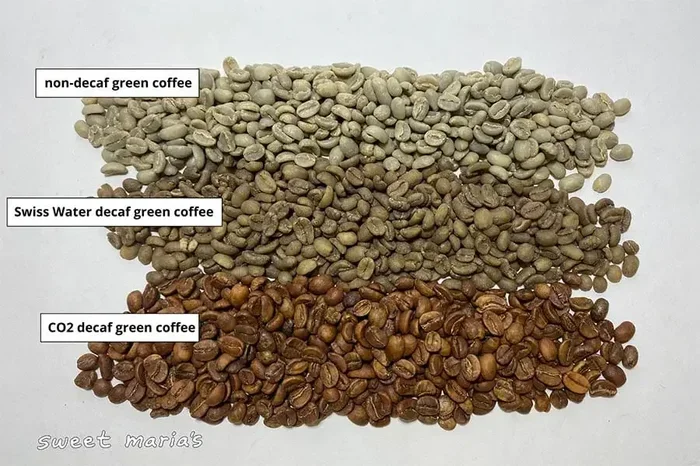
Visual guide about decaf and regular coffee beans
Image source: library.sweetmarias.com
Here is a general comparison of common coffee drinks. These numbers can vary, but they give you a useful starting point.
| Coffee Type | Typical Caffeine Range | Notes |
|---|---|---|
| Drip brewed coffee | About 80 to 120 mg per 8 oz | Common household coffee, moderate strength |
| Espresso | About 60 to 80 mg per 1 oz shot | Strong taste, smaller serving |
| Instant coffee | About 30 to 90 mg per cup | Varies by brand and preparation |
| Cold brew | Often higher per serving | Long brew time can increase strength |
| Decaf coffee | Very low, usually a few mg | Not completely caffeine-free |
As you can see, the drink type changes the result. Espresso tastes strong, but it is served in a small amount. Drip coffee may taste milder, but the larger serving can mean more caffeine overall. Cold brew can be especially potent if it is made with a high coffee-to-water ratio.
Brewing Method Matters
The way you brew coffee changes how much caffeine ends up in the cup. Water contact time is a big factor. The longer the water sits with the grounds, the more caffeine it can extract. That is why cold brew can be strong even though it uses cold water. It steeps for a long time.
Temperature also matters. Hot water usually extracts compounds faster than cold water. But temperature alone does not decide everything. The grind size, the amount of coffee used, and the brewing method all work together. A coarse grind in a quick brew may produce a different result from a fine grind in a slow brew.
Bean Type Plays a Role Too
Not all coffee beans are the same. Arabica and Robusta are the two most common types people hear about. Robusta beans generally contain more caffeine than Arabica beans. That means a blend with more Robusta may give you a stronger caffeine effect.
This is one reason coffee flavor and caffeine level do not always match. A smooth, mild-tasting coffee may still have a decent amount of caffeine. A bold, intense coffee may not always be the highest in caffeine. Taste and caffeine are related, but they are not the same thing.
Decaf Coffee and Caffeine Content
Decaf coffee is one of the most common answers when people ask whether all coffee has caffeine. It is the clearest example of coffee that has been changed on purpose to reduce caffeine. The process removes most of the caffeine before the beans are roasted or after, depending on the method.
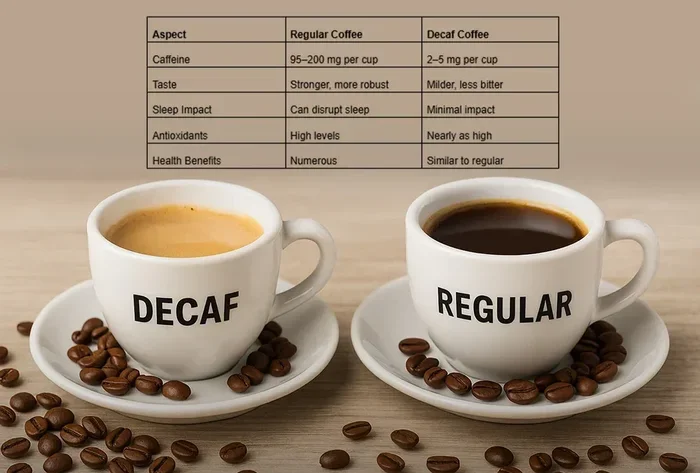
Visual guide about decaf and regular coffee beans
Image source: cdn.shopify.com
Even after decaffeination, a small amount of caffeine usually remains. That means decaf is not completely empty of caffeine. For most drinkers, the difference is huge compared with regular coffee. For very sensitive people, even a little caffeine may be noticeable.
Who Should Choose Decaf
Decaf can be a smart choice if you enjoy coffee flavor but want to limit caffeine. It may also suit people who drink coffee later in the day. If caffeine keeps you awake, decaf can feel like a safer evening option. It also helps if you are trying to cut back without giving up coffee entirely.
If you are trying to avoid caffeine as much as possible, it helps to check the brand and the brew. Different decaf coffees can vary. Some taste richer, some lighter. Some may retain slightly more caffeine than others. So if you are strict about caffeine, it is worth paying attention to the details.
Does Decaf Still Taste Like Coffee
Yes, decaf can still taste very much like coffee. The flavor depends on the bean, the roast, and the brew. Some decaf coffees taste excellent and full-bodied. Others may taste a little flatter, depending on how they were processed. Good brewing makes a big difference.
If you want the best result, start with fresh beans and a clean brew method. Use the right water temperature and the right amount of coffee for your taste. Decaf can be just as enjoyable as regular coffee when it is prepared well.
What Affects Caffeine Levels in Coffee
If you are trying to figure out does all coffee have caffeine in the same way, this section matters a lot. Several factors work together to decide the final amount. You can think of it like a recipe with many small choices.
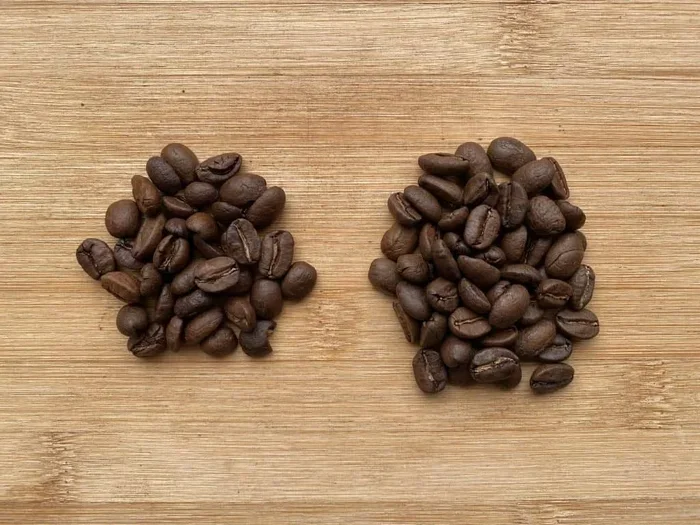
Visual guide about decaf and regular coffee beans
Image source: yourdreamcoffee.com
Here are the main factors that change caffeine levels:
- Bean variety: Some beans naturally contain more caffeine than others.
- Roast level: Roast can affect flavor and slightly change caffeine by volume.
- Grind size: Finer grinds can change extraction speed and strength.
- Water temperature: Hotter water usually extracts more quickly.
- Brew time: Longer contact often means more extraction.
- Coffee-to-water ratio: More coffee grounds usually means stronger coffee.
- Serving size: A bigger cup may contain more caffeine overall.
Roast Level and Caffeine
People often argue about whether light roast or dark roast has more caffeine. The answer is a little nuanced. By weight, the difference may be small. By scoop or volume, lighter roast can sometimes seem a bit higher in caffeine because the beans are denser. Darker roasts are often less dense because they are roasted longer.
In everyday terms, the roast matters, but it is not the biggest factor for most people. The amount of coffee you use and the brewing method usually matter more. So if you are choosing coffee for caffeine reasons, do not focus only on roast color.
Grind Size and Extraction
Grind size affects how water interacts with the coffee. Finer grinds expose more surface area, so water can extract compounds more quickly. That can make coffee taste stronger and can increase caffeine extraction in some methods. Coarser grinds are often used for slower methods like French press or cold brew.
If your coffee tastes weak, the grind may be too coarse for your method. If it tastes harsh or bitter, the grind may be too fine or the brew may be too long. Adjusting grind size is one of the easiest ways to change your cup.
How to Choose Lower Caffeine Coffee Options
If you want less caffeine, you have several practical options. You do not have to stop drinking coffee completely. You can make small changes that add up. The best choice depends on why you want less caffeine.
Here are some simple ways to lower caffeine in your routine:
- Choose decaf or a blend with more decaf in it.
- Use a smaller serving size.
- Brew for less time if the method allows it.
- Use fewer coffee grounds for a milder cup.
- Pick a coffee style that naturally runs lower in caffeine.
- Avoid very strong concentrates if you are sensitive.
Smart Habits for Caffeine Sensitivity
If caffeine affects your sleep, anxiety, or stomach, it helps to be intentional. Try drinking coffee earlier in the day. Try a smaller cup first and see how you feel. If you love the taste but not the buzz, decaf can be a great middle ground.
It also helps to pay attention to hidden caffeine sources. Some coffee drinks are made with added ingredients or concentrated bases. A drink may taste smooth but still be strong. Reading the menu or checking the product details can help you avoid surprises.
When Strong Coffee Makes Sense
On the other hand, there are times when a stronger cup is exactly what you want. If you need a clear boost in the morning or before a long task, a standard coffee may work well. Just remember that bigger is not always better. Too much caffeine can make you feel jittery or uncomfortable.
A balanced approach is usually best. Think about your goal for the day. Then choose the coffee type and size that matches it. That way, coffee becomes a helpful habit instead of a problem.
Common Mistakes People Make About Coffee and Caffeine
There are a few common mistakes people make when thinking about caffeine. These mistakes can lead to confusion, especially if you are trying to control your intake.
- Mistake 1: Assuming decaf has no caffeine at all.
- Mistake 2: Thinking strong taste always means more caffeine.
- Mistake 3: Ignoring serving size.
- Mistake 4: Using the same brew settings for every goal.
- Mistake 5: Forgetting that different beans can vary.
The Taste Trap
One big mistake is believing that bold flavor always equals high caffeine. Sometimes it does, and sometimes it does not. A coffee can taste intense because of roast, blend, or brewing, not just because of caffeine. That is why it helps to look at the whole picture instead of judging by taste alone.
The Serving Size Trap
Another common trap is focusing only on the drink type and forgetting the size. A small espresso can have less total caffeine than a large mug of drip coffee. If you are comparing drinks, always think about how much you are actually drinking.
Expert Insights on Coffee and Caffeine
If you want a practical way to think about coffee, focus on consistency and awareness. The same coffee can give different results if you change the grind, water, or brew time. That means small adjustments can make a big difference over time.
It also helps to treat caffeine like a personal tolerance issue. Some people handle more than others. Some feel awake after a small cup. Others need more to notice a change. There is no single perfect amount for everyone. The best routine is the one that fits your body and your day.
If you want better coffee at home, start with simple habits. Use fresh beans. Keep your equipment clean. Measure your coffee and water in a consistent way. These basics improve taste and make your caffeine level more predictable.
Quick Tips for Better Coffee Choices
- Try decaf in the afternoon if you want flavor without a big boost.
- Use a smaller cup if you are trying to lower caffeine.
- Compare coffee by serving size, not just by type.
- Experiment with brew time if you want a milder cup.
- Pay attention to how your body reacts after each drink.
Key Takeaways
Before you finish, here are the most important points to remember. These ideas can help you answer the question does all coffee have caffeine with more confidence.
- Takeaway 1: Most coffee has caffeine, but the amount varies a lot.
- Takeaway 2: Decaf has very little caffeine, but not always zero.
- Takeaway 3: Bean type, brew method, and serving size all matter.
- Takeaway 4: Taste alone does not tell you the caffeine level.
- Takeaway 5: You can lower caffeine with simple changes.
- Takeaway 6: The best coffee choice depends on your goal and tolerance.
Conclusion
So, does all coffee have caffeine? Most coffee does, but not in the same amount. Regular coffee usually gives you a noticeable boost. Decaf gives you much less. And the final caffeine level depends on the bean, the roast, the brew, and the size of the cup. Once you understand those pieces, coffee becomes easier to manage.
The best approach is to match your coffee to your needs. If you want energy, choose a regular brew and pay attention to serving size. If you want flavor with less stimulation, try decaf or a milder preparation. If you are sensitive, make small changes and see how your body responds.
Coffee should fit your day, not control it. When you know what affects caffeine, you can enjoy your cup with more confidence and less guesswork.
Frequently Asked Questions
Does all coffee have caffeine?
Most coffee has caffeine, but the amount varies by bean, brew, and serving size. Decaf coffee has only a small amount left after processing.
Is decaf coffee completely caffeine-free?
No, decaf is not completely caffeine-free. It has most of the caffeine removed, but tiny amounts can still remain in the cup.
Which coffee has the most caffeine?
Coffee with more Robusta beans, a higher coffee-to-water ratio, or a longer brew time often has more caffeine. A large serving can also mean more total caffeine.
Does darker roast coffee have less caffeine?
Not always. The difference can be small, and it depends on whether you compare by weight or by volume. Brew method and serving size often matter more.
Why does some coffee feel stronger than other coffee?
That can happen because of caffeine level, brew strength, serving size, or how sensitive you are that day. Taste and caffeine are related, but they are not the same thing.
How can I drink coffee with less caffeine?
You can choose decaf, use a smaller cup, brew for less time, or use fewer coffee grounds. A milder coffee style can also help if you want less stimulation.



