
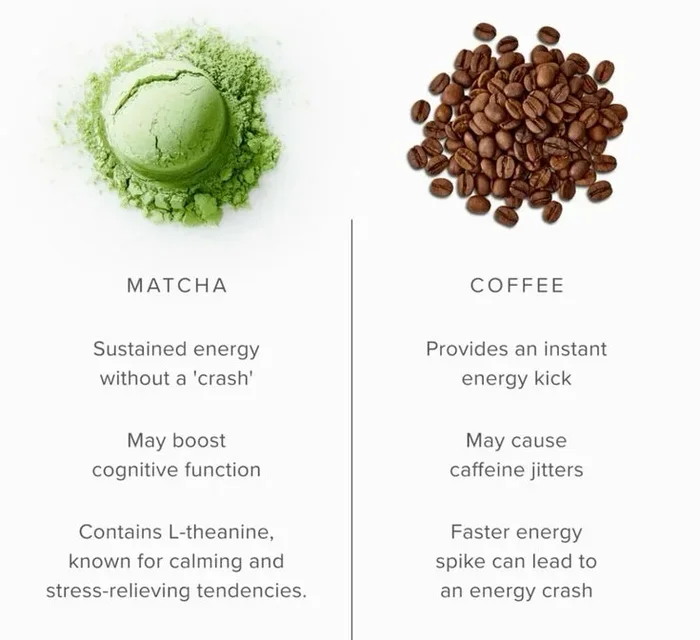
Matcha and coffee both deliver a solid energy boost, but they affect your body in very different ways. When you compare how much caffeine in matcha compared to coffee, you will find that a standard cup of coffee usually contains more caffeine per serving, while matcha offers a slower, longer-lasting release thanks to its natural L-theanine content. Understanding these differences helps you pick the right drink for your daily routine, your focus goals, and your overall wellness habits.
If you have ever stood in the kitchen wondering how much caffeine in matcha compared to coffee, you are not alone. Both drinks fuel millions of mornings, but they do not hit your system the same way. Coffee often feels like a fast jumpstart, while matcha tends to feel like a smoother, more balanced push. The real difference comes down to caffeine amount, absorption speed, and the extra compounds that ride along with each sip.
In this guide, we will break down the numbers, the feelings, and the practical choices so you can stop guessing and start picking the drink that truly fits your day. You will learn what changes the caffeine count, why matcha can feel gentler, and how to choose between them based on your energy needs, your stomach, and your daily routine.
Key Takeaways
- Caffeine content varies by serving: A typical cup of coffee usually contains more caffeine than a standard bowl of matcha, but matcha packs a stronger punch per gram of powder.
- Energy release feels different: Coffee gives a quick spike, while matcha provides a calm, steady lift that lasts longer without the crash.
- L-theanine changes the experience: This amino acid in matcha smooths out caffeine jitters and supports better focus and relaxation at the same time.
- Brewing method matters: Water temperature, steeping time, and serving size all change the final caffeine count in both drinks.
- Health benefits go beyond caffeine: Matcha brings antioxidants and gentle stimulation, while coffee offers its own rich antioxidant profile and digestion support.
- Your body reacts uniquely: Genetics, tolerance, sleep habits, and stomach sensitivity all shape how you respond to each beverage.
- Best choice depends on your goal: Pick coffee for a fast wake-up call, and choose matcha for sustained focus, smoother energy, and a lighter stomach feel.
📑 Table of Contents
- Understanding Caffeine Basics in Coffee and Matcha
- How Much Caffeine in Matcha Compared to Coffee: The Real Numbers
- Why Matcha and Coffee Feel So Different
- What Changes the Caffeine Count in Your Cup
- Choosing Between Matcha and Coffee for Your Routine
- Common Mistakes When Comparing Caffeine in Matcha and Coffee
- Expert Insights for a Smarter Caffeine Choice
- Final Thoughts on How Much Caffeine in Matcha Compared to Coffee
Understanding Caffeine Basics in Coffee and Matcha
Caffeine is a natural stimulant that wakes up your brain and body by blocking the tiredness signals that build up during the day. When people ask how much caffeine in matcha compared to coffee, they usually want a simple number. The truth is a little more nuanced, because both drinks vary a lot depending on how they are prepared, how strong the starting ingredients are, and how large the serving size happens to be.
Coffee beans naturally contain caffeine, and that caffeine survives the roasting and brewing process. Matcha is made from finely ground green tea leaves, which also contain caffeine, but the whole leaf is consumed instead of just steeping leaves and tossing them out. That means matcha often delivers more caffeine per gram than a single steeped tea bag, though a typical cup of matcha still usually sits below a standard cup of coffee.
What Counts as a Standard Serving
Serving size changes everything. A small demitasse of espresso is not the same as a large drip coffee, and a light dusting of matcha is not the same as a full bowl. For a fair comparison, it helps to think in common household servings:
- Typical brewed coffee: around 8 ounces
- Espresso shot: around 1 ounce
- Matcha bowl or latte: often around 2 to 8 ounces of liquid, plus 1 to 2 teaspoons of powder
When you compare these servings, coffee usually wins on raw caffeine per cup. But if you compare by weight of the base ingredient, matcha can be surprisingly concentrated. That is why the question of how much caffeine in matcha compared to coffee does not have one perfect answer. It depends on what you pour into your cup and how you prepare it.
Why the Numbers Shift So Much
Several simple factors move the caffeine count up or down:
- Bean or leaf variety: Different coffee beans and tea plants naturally contain different caffeine levels.
- Roast level: Darker roasts can taste stronger, but they do not always contain much more caffeine than lighter roasts.
- Grind size and brew time: Finer grinds and longer contact with water usually extract more caffeine.
- Matcha quality: Ceremonial grade matcha is often made from younger leaves, which can affect both flavor and caffeine content.
- Water temperature: Hotter water can pull more compounds out of coffee grounds or tea powder.
Because of all these moving parts, two cups that look identical can still land at different caffeine levels. That is why it helps to think in ranges instead of fixed numbers.
How Much Caffeine in Matcha Compared to Coffee: The Real Numbers
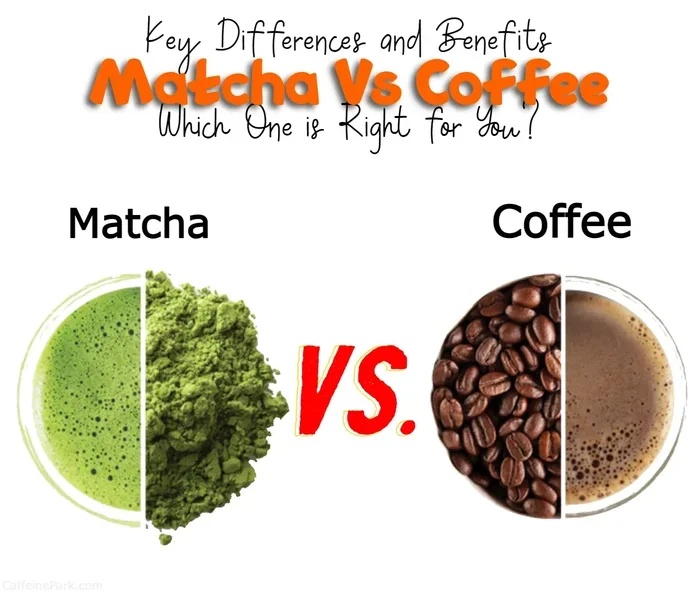
Let’s get into the heart of the question: how much caffeine in matcha compared to coffee? While exact numbers vary, the general pattern is pretty consistent. Coffee commonly delivers more caffeine per typical cup, while matcha usually sits a bit lower but still offers a meaningful boost.
Visual guide about Matcha and coffee comparison
Image source: caffeinepark.com
A standard cup of brewed coffee often lands somewhere in the range of 80 to 100 milligrams of caffeine, though many cups go higher depending on brew strength and size. Espresso contains caffeine too, but because the serving is small, the total per shot is lower than a full mug of drip coffee. Matcha usually falls below a full coffee mug, but it can still provide a noticeable lift, especially if you use a generous amount of powder or drink a larger matcha latte.
Coffee Caffeine Range
Coffee is the heavy hitter in many morning routines. The caffeine content can climb quickly when you choose a large mug, a strong brew, or a second cup later in the day. Some common patterns include:
- Drip coffee: Often moderate to high caffeine per cup
- Espresso: Concentrated flavor with less total caffeine per shot
- Cold brew: Can be very high depending on brew ratio and serving size
- Instant coffee: Usually lower than freshly brewed, but still variable
If your goal is a strong, quick wake-up call, coffee often feels like the more direct option. It can push you awake fast, which is exactly why so many people rely on it first thing in the morning.
Matcha Caffeine Range
Matcha brings a different style of energy. The caffeine amount is usually lower per typical serving than a full coffee cup, but it is still significant. More importantly, matcha does not arrive alone. It comes packaged with plant compounds that can change how the caffeine feels once it enters your body.
A few matcha patterns worth knowing:
- Traditional bowl: Moderate caffeine from a small amount of powder
- Matcha latte: Caffeine depends on how much powder is used
- Lighter serving: Gentle boost with less total caffeine
- Stronger serving: More caffeine, but still often below a large coffee
If you want a gentler lift that feels less abrupt, matcha is often the more comfortable choice. It can support focus without the sharp edge that some people feel from coffee.
Why Matcha and Coffee Feel So Different
Numbers only tell part of the story. A lot of people compare how much caffeine in matcha compared to coffee and then notice that the experience feels completely different. You might drink a cup of coffee and feel alert fast. Then you try matcha and feel focused in a calmer, more even way. That difference is not imaginary. It comes from how the caffeine is delivered and what else is in the cup.
Visual guide about Matcha and coffee comparison
Image source: getthegloss.com
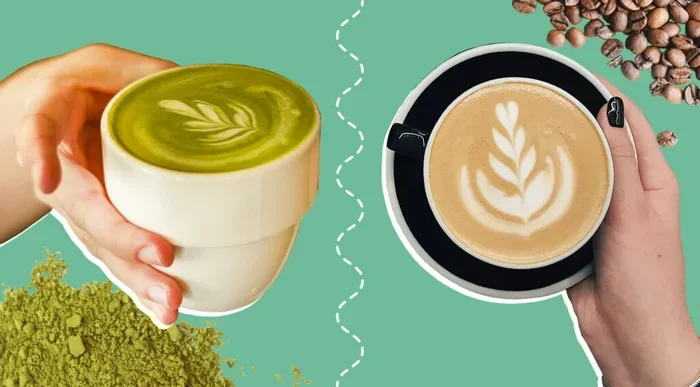
Coffee tends to release caffeine quickly, especially when you drink it on an empty stomach. That can create a fast rise in alertness, which is great when you need immediate energy. The tradeoff is that some people also feel nervousness, a faster heartbeat, or a crash later on. Matcha usually feels smoother because its caffeine is absorbed more gradually, and because it contains other compounds that influence the way your body handles stimulation.
The Role of L-Theanine
One of the biggest reasons matcha feels different is an amino acid called L-theanine. This compound is naturally found in tea and is especially notable in shade-grown tea leaves used for matcha. L-theanine is often linked with calm focus, and it can soften the sharp edge of caffeine.
Think of it this way:
- Coffee: More direct stimulation, faster kick
- Matcha: Caffeine plus L-theanine, which can support a steadier feeling
- Result: Matcha may feel less jittery for some people
This does not mean matcha is weak. It means the stimulation may feel more balanced. For tasks that need sustained attention, that balanced feel can be a real advantage.
Antioxidants and Other Plant Compounds
Both coffee and matcha contain beneficial plant compounds, but they are not the same. Coffee is known for its own antioxidant profile, while matcha is often praised for catechins and other green tea compounds. These are not a replacement for good sleep, food, or hydration, but they do add to the overall picture of why people enjoy these drinks beyond caffeine alone.
Some people choose coffee for taste and tradition. Others choose matcha for its earthy flavor and calmer energy. Many people keep both in their routine and use each one for a different purpose.
What Changes the Caffeine Count in Your Cup
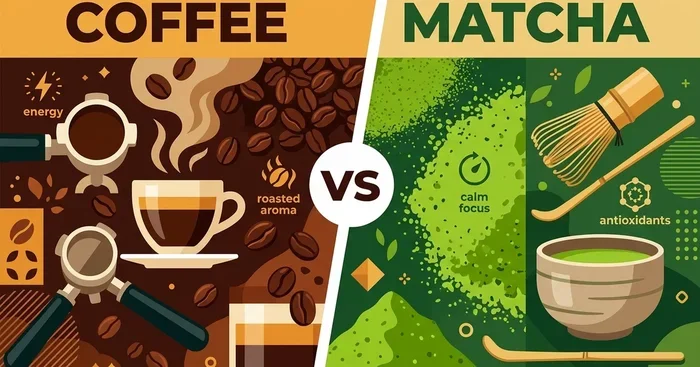
If you want a more accurate answer to how much caffeine in matcha compared to coffee, you have to look at your own habits. The drink you make at home may not match a café drink, and a café drink may not match another café drink. Small choices stack up quickly.
Visual guide about Matcha and coffee comparison
Image source: xwiccqnbhaitvojyabpg.supabase.co
Preparation Method Matters
The way you prepare the drink changes the final result more than many people realize. For coffee, brew time, grind, water ratio, and temperature all matter. For matcha, how much powder you use, how well you whisk it, and how much liquid you add all affect the strength.
A few examples:
- Strong coffee: More grounds, longer extraction, or a smaller cup can increase caffeine concentration
- Light coffee: Shorter brew or more water can reduce the caffeine per sip
- Strong matcha: More powder means more caffeine
- Mild matcha: Less powder and more milk or water can soften the effect
Serving Size Is the Hidden Variable
This is one of the easiest mistakes to make. People often compare one small coffee with one large matcha drink, or one strong matcha bowl with a weak coffee. That can make the comparison misleading. To compare fairly, keep the serving size in mind and ask yourself what you actually drink on a normal day.
If you usually drink a large mug of coffee, you may be getting more caffeine than from a typical matcha serving. If you usually drink a strong matcha preparation, the gap may be smaller than you expect.
Bean, Leaf, and Quality Differences
Not all coffee beans are identical, and not all matcha is identical either. Coffee from different regions can taste and behave differently. Matcha can also differ based on growing conditions, leaf age, and processing. Higher-quality matcha often has a smoother taste and a more noticeable presence, which can make the caffeine feel more refined even if the total amount is still moderate.
If you are sensitive to caffeine, these differences matter even more. A drink that feels fine one day may feel too strong another day if you are tired, stressed, or running on less food than usual.
Choosing Between Matcha and Coffee for Your Routine
So how do you decide between them? The best choice depends on what kind of energy you want and how your body reacts. When people ask how much caffeine in matcha compared to coffee, they are often really asking which drink fits their lifestyle better. That is a smart question, because the best drink is not always the one with the highest caffeine.
Here is a simple way to think about it:
- Need a fast wake-up? Coffee may be the better short-term boost
- Want smoother focus? Matcha may feel more balanced
- Sensitive to jitters? Matcha can be easier on some stomachs and nerves
- Prefer a bold, familiar taste? Coffee has a wider range of roasts and styles
- Like a calm, ritualistic drink? Matcha can feel more mindful and steady
When Coffee Makes More Sense
Coffee is a great fit when you want a quick, familiar lift and you tolerate caffeine well. It works well for busy mornings, early workouts, or moments when you need to wake up fast. It also offers a lot of variety, from light roasts to dark roasts, from espresso to cold brew, so you can adjust flavor and strength to your taste.
A few situations where coffee may be the better pick:
- You need a sharp increase in alertness
- You enjoy strong, roasted flavors
- You want a fast, simple drink
- You are already used to coffee and handle it well
When Matcha Makes More Sense
Matcha can be a better fit when you want a more even energy feel, especially for work, study, or longer stretches of focus. It can also be a nice option if coffee feels too harsh for your stomach or too stimulating for your nerves. Many people like matcha because it gives them a noticeable lift without feeling too aggressive.
A few situations where matcha may be the better pick:
- You want steady focus over a longer stretch
- You dislike the jittery feeling some coffees create
- You enjoy a smoother, earthier flavor
- You want a drink that feels lighter and more calming
Mixing Both Into Your Week
You do not have to choose just one. Some people keep coffee for early mornings and use matcha later in the day when they want a softer boost. Others rotate based on mood, schedule, or how much caffeine they want that day. That flexible approach can help you avoid overdoing it while still getting the benefits of both drinks.
If you do mix them, pay attention to total caffeine from all sources. Soda, tea, energy drinks, and even some snacks can add up faster than you think.
Common Mistakes When Comparing Caffeine in Matcha and Coffee
A lot of confusion comes from comparing the wrong things. If you want a clear answer to how much caffeine in matcha compared to coffee, avoid these common traps.
- Comparing unequal servings: A small espresso is not the same as a large latte
- Assuming taste equals caffeine: Strong flavor does not always mean more caffeine
- Ignoring other ingredients: Milk, sweeteners, and extras change the experience
- Forgetting personal tolerance: Your body may react very differently from someone else’s
- Treating both drinks as identical stimulants: They may feel different because of more than caffeine alone
The smartest approach is to compare what you actually drink, not just what looks similar on paper. That gives you a much more useful answer.
Expert Insights for a Smarter Caffeine Choice
If you want to get the most out of either drink, a few simple habits help. Start by noticing how you feel after each one. Do you get calm focus, or do you feel wired? Do you crash later, or does the energy fade gently? Your own response matters more than a generic number.
It also helps to think about timing. A strong coffee right before a busy morning can be useful. A matcha break in the middle of the day may feel more supportive if you want focus without too much stimulation. Listen to your energy patterns instead of forcing one drink to do every job.
Another useful insight is that consistency matters. If you drink the same type of coffee or matcha most days, you will learn its effect on your body much faster. That makes it easier to adjust serving size, timing, and strength without guessing.
Final Thoughts on How Much Caffeine in Matcha Compared to Coffee
When it comes to how much caffeine in matcha compared to coffee, coffee usually delivers more caffeine per typical cup, while matcha offers a more moderate boost with a smoother feel. But the better question is not only which drink has more caffeine. It is which drink gives you the kind of energy you want.
Coffee is often the stronger, faster option. Matcha is often the calmer, more balanced one. Both can fit into a healthy routine, and both can support your day when you use them thoughtfully. The best choice is the one that matches your body, your schedule, and the kind of focus you need.
If you are still deciding, try a simple experiment. Drink each one on a normal day, notice how you feel after thirty minutes, then again a few hours later. That real-world test will tell you more than any single comparison table ever could.
Frequently Asked Questions
Does matcha have more caffeine than coffee?
Usually not per typical cup. A standard cup of coffee often contains more caffeine than a standard bowl of matcha, though matcha can still give you a noticeable boost. The exact amount depends on serving size, preparation, and the strength of the drink.
How much caffeine is in a cup of matcha?
The amount varies, but matcha generally provides a moderate dose of caffeine that is often lower than a full cup of coffee. Using more powder increases the caffeine, while a lighter serving keeps it gentler. Quality, leaf type, and preparation also affect the final count.
Why does matcha feel calmer than coffee?
Matcha contains caffeine along with compounds like L-theanine, which is often associated with calm focus. This combination can make the energy feel smoother and less abrupt than the faster spike many people get from coffee.
Is matcha better than coffee for focus?
It depends on what kind of focus you want. Coffee may be better when you need a quick wake-up, while matcha may feel better for longer, steadier concentration. Some people use both at different times of the day for different goals.
Can I drink matcha if I am sensitive to caffeine?
Maybe, but you should start with a small serving and see how your body reacts. Matcha can still contain enough caffeine to affect sensitive people, though many find it easier to tolerate than coffee because of the way it feels in the body.
Which has more caffeine, espresso or matcha?
That depends on how you compare them. A single espresso shot is small, so its total caffeine may be lower than a larger matcha drink. If you compare by concentration, espresso is very strong, but total caffeine per serving is what usually matters most.



