A standard cup of brewed coffee contains between 95 and 165 milligrams of caffeine, depending on the bean type and brewing method. Espresso packs more punch per ounce, while instant coffee usually delivers less. Understanding these numbers helps you track your daily intake and avoid unwanted side effects. This guide breaks down the exact amounts so you can drink smarter.
Many people start their day with a hot cup of joe. It wakes you up and gives you energy. But have you ever stopped to ask how many milligrams of caffeine does coffee have? The answer is not simple. It changes based on many things. You might drink a light roast or a dark roast. You might use a French press or a drip machine. Each choice changes the chemical content in your mug.
Knowing the numbers helps you stay healthy. Too much stimulant can make you feel jittery. It can ruin your sleep at night. On the other hand, too little might not give you the boost you need. We will look at the science behind the bean. We will also look at different brewing styles. This information empowers you to make better choices. You can enjoy your drink without worry.
Key Takeaways
- Brewed Coffee Range: An 8-ounce cup of regular coffee typically contains 95 to 165 milligrams of caffeine.
- Espresso Concentration: A single shot of espresso has about 63 milligrams, but it is much smaller in volume.
- Bean Type Matters: Robusta beans contain nearly twice the caffeine of Arabica beans.
- Roast Level Myth: Light roast coffee often retains slightly more caffeine than dark roast by volume.
- Instant Coffee Variance: One cup of instant coffee usually has between 30 and 90 milligrams of caffeine.
- Safe Daily Limit: Most healthy adults can safely consume up to 400 milligrams of caffeine per day.
- Decaf Is Not Zero: Decaffeinated coffee still contains small amounts, usually 2 to 15 milligrams per cup.
📑 Table of Contents
Understanding Caffeine Content in Brewed Coffee
Brewed coffee is the most common way people consume this stimulant. When you pour hot water over grounds, the chemical dissolves into the liquid. The amount varies widely. A standard 8-ounce cup is the baseline for most studies. This size helps us compare different methods fairly.
Most experts agree on a general range. An average cup falls between 95 and 165 milligrams. This is a broad spectrum. Several factors influence where your cup lands within this range. The type of bean is the biggest factor. The grind size matters too. Even the water temperature plays a role in extraction.
Arabica vs. Robusta Beans
The species of the bean dictates the natural potency. Arabica beans are very popular. They taste smoother and have less acid. They also have less caffeine. Robusta beans are harder to grow. They taste stronger and more bitter. They contain almost double the amount of caffeine compared to Arabica.
Many commercial blends mix both types. This balances flavor and cost. If you want a stronger kick, look for Robusta blends. If you want better taste, stick with pure Arabica. Knowing the bean type helps you predict the strength. It is a key variable in the equation.
Light Roast vs. Dark Roast
There is a common myth about roasting. Many people think dark roast has more caffeine. This is not entirely true. The roasting process burns off some water and mass. It does not remove much caffeine. However, beans lose density as they roast longer.
When you measure by scoop, light roast beans are denser. You get more beans in a scoop. This means more caffeine per scoop. If you weigh your beans, the difference is negligible. The caffeine content remains stable during roasting. The main difference is in the flavor profile. Light roasts taste fruitier. Dark roasts taste smokier.
How Many Milligrams of Caffeine Does Coffee Have in Espresso?
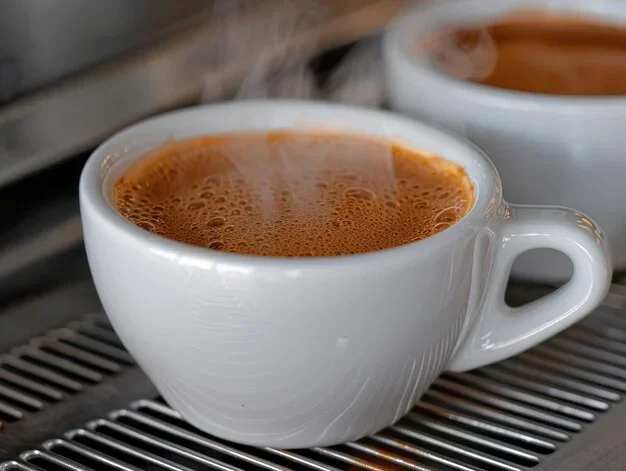
Espresso is a concentrated form of coffee. It uses high pressure to extract flavors quickly. The serving size is very small. A typical shot is only one ounce. Because it is concentrated, the amount per ounce is high.
Visual guide about fresh brewed cup of coffee
Image source: img.freepik.com
A single shot of espresso contains about 63 milligrams of caffeine. A double shot will have around 125 milligrams. This seems lower than a full cup of brewed coffee. Remember that the volume is much less. You are drinking less liquid overall.
Many drinks use espresso as a base. Lattes and cappuccinos often use double shots. This means your milk drink could have 125 milligrams or more. The milk dilutes the flavor. It does not reduce the stimulant content. You still consume the same amount of caffeine.
Cold Brew Concentrations
Cold brew is another popular option. It steeps for many hours at low temperatures. This method extracts different compounds. It often results in a very strong concentrate. You usually mix this concentrate with water or milk.
The final caffeine content depends on the ratio. If you drink the concentrate straight, it is very strong. A diluted cup might match regular brewed coffee. Some studies show cold brew can have higher levels. It can reach up to 200 milligrams per cup. Always check the serving size on the bottle.
Instant Coffee and Specialty Drinks
Instant coffee is convenient. You just add hot water. It is made from brewed coffee that is freeze-dried. The process removes some flavor compounds. It also affects the stimulant levels.
Visual guide about fresh brewed cup of coffee
Image source: wallpapers.com
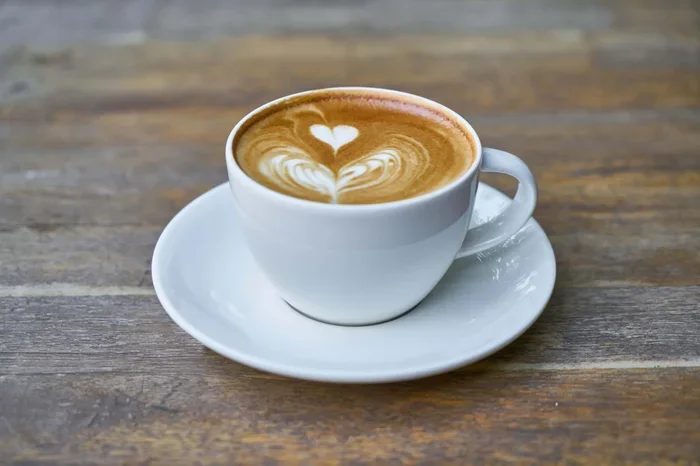
One cup of instant coffee usually has between 30 and 90 milligrams. This is generally lower than freshly brewed coffee. The exact amount depends on the brand. Some brands add extra ingredients. Others use specific bean blends. Check the label if you are tracking your intake.
Specialty drinks vary widely. A coffee shop brew might be stronger than home brew. Baristas often use more grounds per water ratio. They aim for a robust flavor. This increases the caffeine concentration. A shop-bought cup could easily hit 200 milligrams.
Factors That Influence Caffeine Levels
Many variables change the final number in your cup. It is not just about the bean. The brewing method extracts different amounts. Time and temperature are critical. Water quality also matters.
Visual guide about fresh brewed cup of coffee
Image source: static.vecteezy.com
Here are the main factors to consider:
- Brewing Time: Longer contact between water and grounds extracts more caffeine.
- Water Temperature: Hotter water extracts compounds more efficiently.
- Grind Size: Finer grinds expose more surface area to the water.
- Coffee-to-Water Ratio: Using more grounds increases the strength significantly.
- Brand Variations: Different brands use different blends and roasting levels.
The Role of Brewing Method
Different tools produce different results. A French press allows oils to remain in the cup. This creates a fuller body. The caffeine content is similar to drip coffee. A percolator cycles water through the grounds repeatedly. This can lead to higher extraction levels.
Paper filters trap some oils and compounds. This makes drip coffee cleaner. It does not significantly reduce caffeine. Metal filters allow more particles through. This might increase the body and strength. Choosing the right method helps you control your intake.
If you need precise measurements, learn how to measure coffee in a coffee maker. Consistent measuring leads to consistent caffeine levels. This helps you avoid surprises in your daily routine.
Health Guidelines and Safe Consumption
Moderation is key for good health. Most health organizations have set guidelines. They suggest a limit for healthy adults. Exceeding this limit can cause negative side effects. You might feel anxious or restless.
The general safe limit is 400 milligrams per day. This equals about four cups of brewed coffee. This is for healthy adults. Pregnant women should limit their intake further. They are often advised to stay under 200 milligrams. Always consult a doctor for personal advice.
Your body weight matters too. Smaller individuals might feel effects sooner. Genetics also play a role. Some people metabolize caffeine slowly. Others process it very quickly. Listen to your body signals. If you feel shaky, it is time to stop.
Signs You Have Had Too Much
Your body tells you when you have had enough. Pay attention to these warning signs. Ignoring them can lead to discomfort. It is better to slow down early.
- Insomnia: Trouble falling or staying asleep at night.
- Jitters: Feeling shaky or nervous in your hands.
- Rapid Heartbeat: Your heart feels like it is pounding.
- Upset Stomach: Acid reflux or general nausea.
- Headaches: Caffeine withdrawal or overdose can cause pain.
Managing Your Daily Intake
Tracking your consumption helps you stay within limits. You do not need to quit coffee. You just need to be aware. Swap high-caffeine drinks for lower ones. Try decaf in the afternoon. This helps you sleep better at night.
Decaf is not completely free of stimulants. It still has small amounts. Usually, it contains 2 to 15 milligrams per cup. This is negligible for most people. But for sensitive individuals, it adds up. If you are very sensitive, avoid it after noon.
Proper storage ensures your beans stay fresh. Fresh beans extract more consistently. Learn how to store coffee filters and beans properly. Stale coffee might taste weak. You might use more grounds to compensate. This increases your caffeine intake unintentionally.
Sometimes you need to upgrade your equipment. Old machines might not brew correctly. They might under-extract the coffee. If you want consistent results, check your gear. If it is broken, you might need to dispose of old coffee maker units responsibly. A new machine can improve your brewing accuracy.
For those who want a stronger kick, blending might help. Some people mix coffee with fats for energy. This is popular in keto diets. If you are interested, read about how to make bulletproof coffee without blender. This changes the drink entirely. It adds calories but sustains energy longer.
Ultimately, understanding how many milligrams of caffeine does coffee have allows you to enjoy it responsibly. You can pick the right bean. You can choose the right brew. You can drink at the right time. This knowledge turns a habit into a tool. Use it to fuel your day without crashing later.
Frequently Asked Questions
Does dark roast coffee have more caffeine than light roast?
By weight, the caffeine content is nearly the same. However, light roast beans are denser. If you measure by scoop, light roast often has slightly more caffeine per cup.
How much caffeine is in a decaf coffee?
Decaf coffee is not completely caffeine-free. A typical cup contains between 2 and 15 milligrams of caffeine. This is much lower than regular coffee but not zero.
Is espresso stronger than regular coffee?
Espresso has more caffeine per ounce. However, a standard serving of brewed coffee is larger. A full cup of brewed coffee often has more total caffeine than a single shot.
Can coffee caffeine content vary by brand?
Yes, brands use different bean blends and roasting levels. Some commercial brands use Robusta beans for higher potency. Always check the packaging if specific numbers are listed.
What is the maximum caffeine I should drink per day?
Healthy adults should limit intake to 400 milligrams per day. This is roughly equivalent to four 8-ounce cups of brewed coffee. Pregnant women should consult a doctor for lower limits.
Does brewing time affect caffeine levels?
Yes, longer brewing times generally extract more caffeine. Methods like cold brew steep for hours. This can result in a higher concentration depending on the water ratio used.
=== CONCLUSION ===
Understanding how many milligrams of caffeine does coffee have is essential for mindful consumption. The numbers vary based on beans, roasts, and brewing methods. Brewed coffee averages 95 to 165 milligrams per cup. Espresso is concentrated but served in smaller shots. Instant coffee offers a milder option.
You can manage your intake by tracking your cups. Stick to the 400 milligram daily limit for safety. Listen to your body for signs of overconsumption. Choose Arabica beans for less potency or Robusta for more. Adjust your brew time and ratio to suit your needs.
Coffee is a wonderful part of daily life. It boosts focus and energy. But knowledge is power. Use this guide to make informed choices. Enjoy your next cup with confidence and control.