
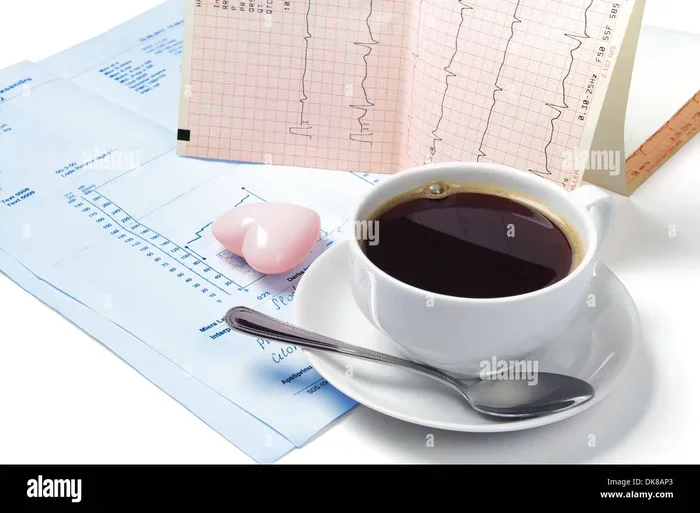
Does coffee raise heart rate? For most healthy adults, a moderate cup of coffee causes only a brief, mild increase in pulse that fades quickly. Caffeine stimulates your nervous system and releases adrenaline, which can make your heart beat a little faster. If you already have a sensitive heart, high blood pressure, or anxiety, you may notice stronger effects. Learning your personal tolerance and tracking how your body responds helps you enjoy coffee safely.
This is a comprehensive guide about Does Coffee Raise Heart Rate.
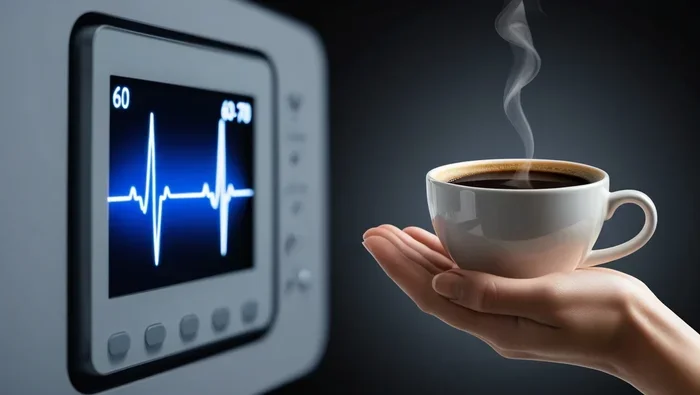
Visual guide about coffee cup heart rate monitor
Image source: sessioncoffeedenver.com
Visual guide about coffee cup heart rate monitor
Image source: c8.alamy.com
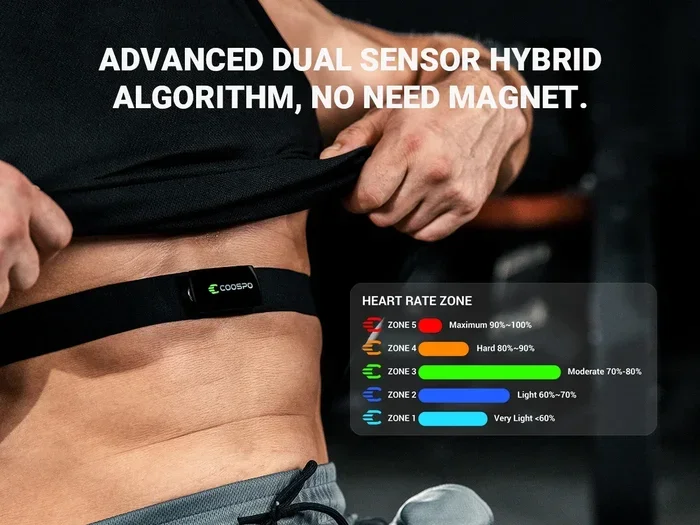
Visual guide about coffee cup heart rate monitor
Image source: cdn.shopify.com
Key Takeaways
- Caffeine triggers a short-term pulse increase: Most people see a small rise in heart rate that peaks within an hour and fades as the caffeine clears.
- Tolerance matters a lot: Regular coffee drinkers often feel less of a heartbeat change than occasional drinkers because the body adapts over time.
- Dose and speed of consumption change the effect: Drinking a large coffee quickly or choosing high-caffeine blends can cause a sharper spike than sipping a standard cup slowly.
- Underlying health conditions amplify the response: People with arrhythmias, anxiety, thyroid issues, or high blood pressure may notice stronger palpitations and should monitor intake.
- Timing and hydration play a role: Coffee on an empty stomach, poor sleep, dehydration, or combining caffeine with other stimulants can intensify heart rate changes.
- Moderation keeps coffee heart-friendly for most: Staying within a reasonable daily caffeine range and paying attention to your body helps you enjoy coffee without unnecessary stress on your heart.
[FEATURED_IMAGE_PLACEHOLDER]
Does Coffee Raise Heart Rate? Understanding the Caffeine Connection
You reach for a warm mug to wake up, but then you feel a flutter in your chest. That quick thump can make you wonder if your favorite drink is changing how your heart works. The short answer is yes, coffee can raise your heart rate, but the effect is usually mild and temporary for most people.
Caffeine is the main reason behind that faster pulse. It acts like a gentle alarm for your nervous system. When you drink it, your body releases adrenaline, which tells your heart to beat a little more often and with a bit more force. This is a normal response, and it often fades as the caffeine wears off.
Not everyone feels the same way. Some people sip a latte and notice nothing. Others feel a noticeable jump in pulse after a single cup. Your genetics, daily habits, stress level, and overall health all shape how your body handles caffeine. That is why the same coffee can feel calming to one person and jittery to another.
If you want to know whether coffee is affecting your heart in a way that matters, the best approach is to pay attention to your own body. Track how you feel after different amounts. Note whether you feel fine, a little wired, or genuinely uncomfortable. That personal data is often more useful than a generic rule.
How Caffeine Affects Your Heart and Pulse
Caffeine does not just wake up your brain. It also nudges your cardiovascular system. Once it enters your bloodstream, it blocks certain signals that normally help your body relax. At the same time, it encourages a temporary rise in adrenaline and norepinephrine. These are the chemicals that prepare your body for action.
That chemical shift can lead to a few common changes:
- A slightly faster heartbeat
- A stronger feeling of each heartbeat
- Mild changes in blood pressure
- A brief boost in alertness and energy
For most healthy adults, these changes are small and short-lived. Your heart rate may rise a little, then settle back down as your body breaks down the caffeine. The biggest effect usually happens within the first hour or so after drinking coffee.
The amount of caffeine matters too. A standard cup of brewed coffee usually contains more caffeine than a small espresso shot, even though espresso tastes stronger. Serving size, brew method, and bean type all change the final caffeine count. If you drink a large mug or a highly concentrated blend, you may feel a stronger pulse response than if you drink a modest cup.
Your body also processes caffeine at its own pace. Some people clear it quickly. Others hold onto it longer. If caffeine stays in your system longer, the heart rate effect may last longer too. That is one reason why two people can drink the same coffee and have very different experiences.
Why Some People Feel Heart Palpitations After Coffee
Palpitations are the sensation that your heart is pounding, fluttering, or skipping. They can feel scary, but they are often harmless when they happen occasionally. Coffee can trigger that feeling when your body is especially sensitive to caffeine or when you have had too much too quickly.
A few common reasons coffee may make your heart feel more active include:
- Drinking coffee on an empty stomach
- Having poor sleep the night before
- Feeling stressed or anxious before your cup
- Using other caffeine sources too, like soda or energy drinks
- Being naturally sensitive to stimulants
Sometimes the issue is not the coffee alone. It is the combination of caffeine with fatigue, stress, dehydration, or a rushed morning routine. If your body is already running on empty, caffeine can feel more intense. That can make your heart seem louder or faster than usual.
If palpitations happen only once in a while and pass quickly, they may just be a sign that you had a bit too much caffeine for that moment. If they happen often, feel strong, or come with dizziness, chest discomfort, or shortness of breath, it is wise to talk with a healthcare professional.
Does Coffee Raise Heart Rate More in Sensitive People?
Yes, sensitivity makes a big difference. Some people are simply more reactive to caffeine. Their bodies may respond with a stronger pulse increase, more noticeable jitters, or a longer-lasting effect. This does not mean coffee is bad for them. It just means they may need to be more careful with portion size and timing.
A few factors can increase caffeine sensitivity:
- Genetics and natural metabolism speed
- Low regular caffeine intake
- Certain medications or supplements
- Higher stress or anxiety levels
- Existing heart rhythm concerns
People who do not drink coffee often often feel the effect more strongly. Their bodies are not used to caffeine, so the same cup can feel more stimulating. Regular coffee drinkers may notice less of a heartbeat change because their system has adapted.
Age and overall health can also matter. If someone has a condition that affects the heart or blood pressure, caffeine may feel more noticeable. That does not automatically mean coffee is unsafe, but it does mean personal guidance is important. A clinician can help determine what amount fits a specific health situation.
The Role of Adrenaline and Stimulant Effects
Adrenaline is one of the key players in the coffee-and-heart-rate story. When caffeine stimulates your system, adrenaline can rise and give your body a burst of readiness. That burst can be helpful when you need focus or energy. It can also make your heart feel like it is working a little harder.
This stimulant effect is usually brief. Once caffeine levels start to drop, the body gradually returns to its normal rhythm. For many people, that means a small, temporary bump rather than a long-lasting problem.
Still, the feeling can be uncomfortable if you are sensitive. You might notice:
- A faster resting pulse
- A stronger heartbeat in your chest or neck
- More awareness of your heart after sitting quietly
- Restlessness or trouble settling down
If you want to reduce that feeling, try spreading your coffee intake across the day instead of drinking a lot at once. A slower pace often gives your body more time to adjust.
How Much Coffee Is Too Much for Your Heart Rate?
There is no single number that fits everyone. What feels fine for one person may feel like too much for another. That said, many people do best when they keep caffeine within a moderate range and pay attention to how their body responds.
A practical way to think about it is this: if your heart rate feels uncomfortably fast, if you feel shaky, or if your sleep suffers, you may be having more caffeine than your body likes. The goal is not to avoid coffee entirely. The goal is to find the amount that gives you energy without creating unpleasant side effects.
Helpful signs that you may want to cut back include:
- Frequent palpitations after coffee
- Feeling wired, anxious, or restless
- Trouble falling asleep or staying asleep
- Headaches or irritability when you skip coffee
- Stomach upset along with a racing heart
If you are trying to figure out your own limit, start by noticing what happens after one cup. Then compare that with what happens after two. Keep the experiment simple. Write down how you feel at 30 minutes, one hour, and later in the day. That kind of observation is often more useful than guessing.
Daily Caffeine Limits and Personal Tolerance
Personal tolerance is one of the most important pieces of the puzzle. Two people can drink the same amount of coffee and have very different reactions. One person may feel calm and focused. Another may feel their heart pounding.
If you are new to coffee or returning after a break, it helps to begin with a smaller amount. You can always increase slowly if your body handles it well. If you already drink coffee daily, your tolerance may be higher, but that does not mean you should ignore uncomfortable symptoms.
A few ways to gauge tolerance:
- Check whether one cup feels comfortable
- Notice if larger servings create a stronger pulse response
- Pay attention to late-day coffee and sleep quality
- See whether stress or lack of sleep makes caffeine feel stronger
If you want a steadier experience, consistency can help. Drinking similar amounts at similar times makes it easier to spot real changes in how your body reacts. Random large swings in caffeine intake can make the heart rate effect harder to predict.
Coffee, Heart Rate, and Underlying Health Conditions
For many people, coffee is a safe daily habit. For others, extra caution makes sense. If you already deal with heart rhythm concerns, high blood pressure, thyroid issues, anxiety, or other health challenges, caffeine may feel more intense and may deserve more attention.
That does not mean coffee is automatically off-limits. It means the margin for comfort may be smaller. A person with a sensitive system might feel a stronger heartbeat after a smaller cup. Someone else may need to avoid caffeine at certain times, such as during periods of poor sleep or high stress.
If you have a known heart condition or you are unsure how caffeine fits into your health picture, it is smart to ask a clinician. They can help you decide whether your current intake is reasonable or whether you should adjust it.
A few situations where extra care is especially useful:
- You notice frequent irregular heartbeats
- You have been told to monitor blood pressure closely
- You experience anxiety that worsens after caffeine
- You are pregnant or managing a health condition that changes caffeine tolerance
- You take medications that may interact with stimulants
Even when coffee is generally fine, listening to your body is still important. If a drink consistently makes you feel unwell, that is useful information. Your comfort and safety matter more than anyone else’s coffee routine.
When to Talk to a Doctor About Coffee and Heart Symptoms
Most coffee-related heartbeat changes are mild and temporary. But some symptoms deserve attention. If your heart feels unusually fast, irregular, or hard, and the feeling does not settle quickly, it is worth getting checked.
You should also pay attention if coffee-related symptoms come with:
- Chest pain or pressure
- Dizziness or lightheadedness
- Shortness of breath
- Fainting or near-fainting feelings
- A very strong or persistent irregular rhythm
These signs do not automatically mean something serious is happening, but they do mean you should not ignore them. A healthcare professional can help you understand whether caffeine is a trigger, whether there is another cause, and what steps make sense for you.
If you are ever unsure, it is better to pause and ask than to keep pushing through discomfort. Coffee should support your day, not leave you worried about your heart.
Practical Ways to Enjoy Coffee Without Overstimulating Your Heart
If you love coffee but want a calmer heartbeat response, a few small changes can make a big difference. You do not have to give up your mug. You just need a smarter approach.
Try these simple habits:
- Start with a smaller cup instead of a large one
- Drink coffee more slowly rather than all at once
- Avoid stacking caffeine from multiple sources
- Have coffee with food if it upsets your stomach or feels too strong
- Stay hydrated throughout the day
- Notice whether poor sleep makes caffeine feel more intense
- Choose a lower-caffeine option if you are sensitive
Another helpful strategy is to pay attention to timing. A coffee early in the day may feel easier on your system than one late in the afternoon, especially if you are sensitive. Late caffeine can also affect sleep, and poor sleep can make your heart feel more reactive the next day.
If you enjoy variety, you can also experiment with brew strength. A lighter cup may give you the flavor and ritual you like with less stimulation. For some people, that is enough to reduce the heartbeat effect while still keeping coffee in their routine.
Smarter Coffee Habits for a Calmer Pulse
If your goal is a steadier heart rate, consistency is your friend. Try to keep your coffee pattern predictable. That makes it easier to notice what truly affects you.
A few habits that often help:
- Use the same size cup most days
- Track how many caffeinated drinks you have in a day
- Avoid rushing through several cups back-to-back
- Pair coffee with a calm morning routine instead of a stressful one
- Watch for combinations that make you feel more stimulated
It can also help to think about the whole picture, not just the coffee itself. Sleep, hydration, food, stress, and activity all influence how your heart responds. When those pieces are in better balance, caffeine often feels less intense.
If you ever want to reduce the effect without quitting coffee, try a short experiment. Cut back slightly for a few days and see whether your pulse feels calmer. Then adjust again based on what you learn. Small changes often reveal a lot.
Common Myths and Misunderstandings About Coffee and Heart Rate
Coffee is one of the most talked-about drinks in the world, so it is no surprise that myths pile up around it. One common misunderstanding is that any rise in heart rate means coffee is dangerous. That is not true for most people. A temporary increase can be normal and harmless.
Another myth is that everyone reacts the same way. In reality, caffeine sensitivity varies a lot. Some people barely notice coffee. Others feel it quickly. That variation is why personal observation matters more than a one-size-fits-all rule.
People also sometimes assume that stronger-tasting coffee always means more caffeine. Taste can be misleading. Brew method, serving size, and bean type all matter. A drink that tastes bold may not always be the highest-caffeine option.
It is also easy to confuse a short-term stimulant effect with a long-term heart problem. Feeling your heart beat faster after coffee is not the same as having an unsafe heart condition. Still, if the feeling is strong, repeated, or paired with other symptoms, it deserves attention.
The healthiest mindset is balanced. Coffee can be part of a normal routine for many people. At the same time, it is wise to respect your own body’s signals. If something feels off, adjust the habit instead of ignoring it.
Key Takeaways for Coffee Lovers Who Watch Their Heart Rate
If you want the big picture, keep this in mind: coffee can raise your heart rate, but for many people the effect is modest and temporary. The real question is not whether coffee changes your pulse at all. The real question is how much change your body can handle comfortably.
The best approach is personal and practical:
- Notice how your heart feels after different amounts of coffee
- Keep your intake moderate if you are sensitive
- Avoid large spikes in caffeine throughout the day
- Pay attention to sleep, stress, and hydration
- Seek guidance if symptoms feel strong or concerning
When you treat coffee as a habit you can adjust, it becomes easier to enjoy. You can keep the comfort, flavor, and energy without letting your heartbeat become a source of worry.
Final Thought: Listen to Your Body and Enjoy Coffee Wisely
Coffee does not have to be an all-or-nothing decision. For most people, the goal is simply to find a comfortable balance. If your pulse rises a little and you feel fine, that may be perfectly normal. If your heart feels overly fast, fluttery, or uncomfortable, that is your cue to slow down and reassess.
The most useful habit is awareness. Notice your patterns. Respect your tolerance. Make small changes when needed. And if you ever have doubt about what your heart is telling you, get a professional opinion.
That way, you can keep enjoying your coffee with more confidence and less guesswork.
Frequently Asked Questions
Why does my heart beat faster after drinking coffee?
Coffee contains caffeine, which stimulates your nervous system and can temporarily increase adrenaline. That often causes a short-lived rise in heart rate, especially if you drink coffee quickly or are sensitive to caffeine.
Is a faster heart rate after coffee dangerous?
For most healthy people, a mild and temporary increase is not dangerous. But if the heartbeat feels very fast, irregular, or comes with chest pain, dizziness, or shortness of breath, you should get medical advice.
How long does coffee keep your heart rate elevated?
The effect usually peaks within about an hour and then fades as your body clears the caffeine. How long it lasts depends on your metabolism, the amount you drank, and your personal sensitivity.
Can I reduce coffee’s effect on my heart rate?
Yes. You can try a smaller cup, sip more slowly, avoid extra caffeine from other drinks, and have coffee with food. Better sleep, hydration, and lower stress can also make caffeine feel less intense.
Does decaf coffee raise heart rate too?
Decaf usually has very little caffeine, so it is less likely to raise heart rate. Some people may still react to the small amount that remains, but the effect is typically much weaker than regular coffee.
Should I stop drinking coffee if I feel palpitations?
Not necessarily, but you should pay attention. If palpitations are mild and brief, cutting back may help. If they happen often, feel strong, or come with other worrying symptoms, talk to a healthcare professional before continuing your usual intake.



