How big is a cup of coffee? It depends on where you drink it. A standard measuring cup holds 8 ounces, but most coffee mugs hold 10 to 12 ounces. Coffee shop sizes vary even more, with small drinks starting at 8 ounces and large ones reaching 20 ounces. Understanding coffee cup size helps you brew better and avoid weak or strong coffee.
Welcome to the world of coffee. It is a morning ritual for millions of people. You wake up, walk to the kitchen, and pour a hot cup. But have you ever stopped to ask a simple question? How big is a cup of coffee?
The answer is not as simple as it seems. A cup in your kitchen might be different from a cup at a cafe. Even coffee makers use different measurements. This confusion can change how your coffee tastes. It can also change how much caffeine you drink.
In this guide, we will break it all down. We will look at standard sizes, mug shapes, and brewing tips. You will learn how to measure coffee like a pro. By the end, you will know exactly what size cup works best for you.
Key Takeaways
- Standard Measurement: A official cup of coffee is 8 fluid ounces, but most mugs hold more.
- Mug Capacity: Typical coffee mugs range from 8 to 12 ounces in size.
- Coffee Shop Sizes: Small, medium, and large drinks can range from 8 to 20 ounces.
- Brewing Ratio: Use 1 to 2 tablespoons of coffee grounds per 6 ounces of water.
- Health Impact: Caffeine intake depends on cup size, so track your ounces.
- Consistency Matters: Use the same mug each time for consistent taste.
- International Differences: Cup sizes vary by country and brewing method.
📑 Table of Contents
The Standard Measurement of a Cup
When we talk about cooking, a cup has a clear meaning. In the United States, one cup equals 8 fluid ounces. This is the standard used in most recipes. It is also the baseline for many coffee instructions.
However, coffee has its own rules. The Specialty Coffee Association suggests a different ratio. They often use 6 ounces of water for a standard cup of coffee. This smaller amount helps balance the flavor. It prevents the drink from tasting weak or watery.
Here is a quick look at common measurements:
- 1 US Cup: 8 fluid ounces
- 1 Coffee Cup (Standard): 6 to 8 fluid ounces
- 1 Metric Cup: 250 milliliters (about 8.5 ounces)
Why does this matter? If your coffee maker says “cup,” it might mean 5 to 6 ounces. This is smaller than a kitchen measuring cup. Knowing this helps you add the right amount of water. You can find more details on how to measure coffee in a coffee maker to get it right.
Common Mug Sizes and Capacities
Most of us do not use measuring cups for our morning brew. We use mugs. A mug is a large cup with a handle. It is designed for hot drinks like coffee or tea.
Visual guide about coffee cup size comparison
Image source: homenish.com
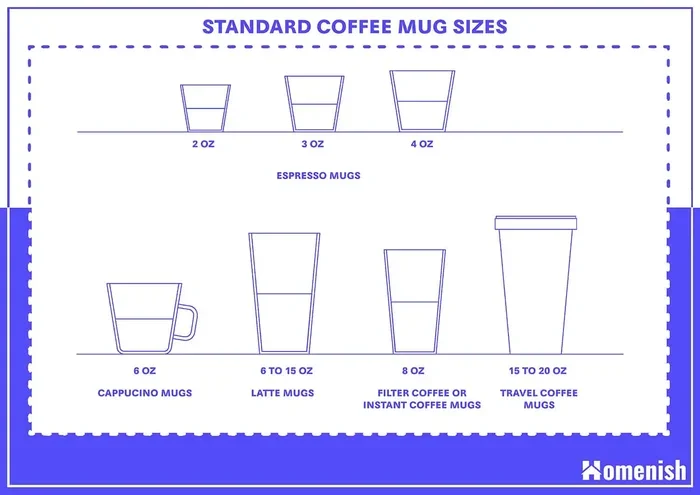
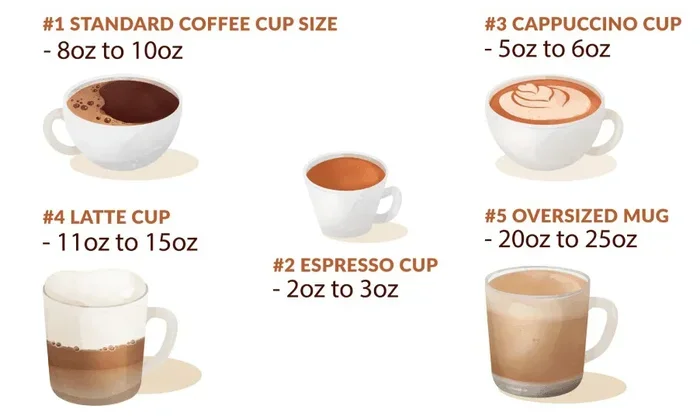
Mug sizes vary a lot. There is no single standard for mugs. Some are small and cozy. Others are huge and keep you warm for hours. The average coffee mug holds between 8 and 12 ounces. But you can find mugs that hold much more.
Here are common mug categories:
- Small Mug: 8 ounces. Good for a quick espresso or small latte.
- Standard Mug: 10 to 12 ounces. The most common size for drip coffee.
- Large Mug: 14 to 16 ounces. Great for people who want a big drink.
- Oversized Mug: 20 ounces or more. Often used for iced coffee or travel.
The shape of the mug also matters. A tall, narrow mug holds heat longer. A wide, shallow mug cools down faster. The material changes things too. Ceramic mugs keep coffee hot. Glass mugs let you see the color. Travel mugs often have lids to prevent spills.
If you love your morning drink, the best cup to drink coffee out of depends on your style. Some people like a classic handle. Others prefer a smooth rim for sipping. The size should match how much you drink. If you finish a 12-ounce mug quickly, try a smaller one. If you sip slowly, a larger mug works well.
Coffee Shop Sizes Explained
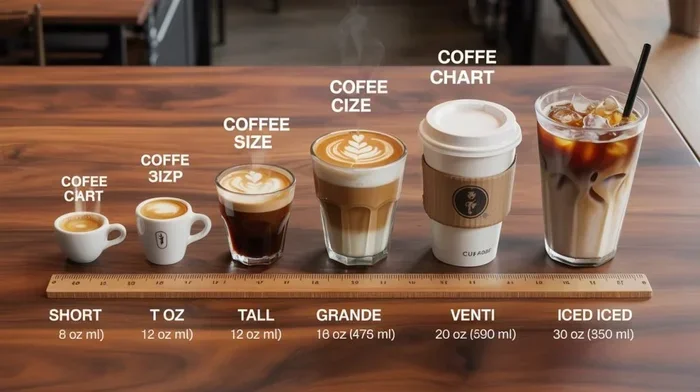
Walking into a coffee shop can be confusing. The menu lists sizes with names like Short, Tall, Grande, and Venti. These names differ by chain. They also differ by country. But they all point to specific ounce amounts.
Visual guide about coffee cup size comparison
Image source: cdn.shopify.com
Let us look at a popular example. Many large chains use these standard sizes for hot drinks:
- Small (Short): 8 ounces
- Medium (Tall): 12 ounces
- Large (Grande): 16 ounces
- Extra Large (Venti): 20 ounces
Cold drinks often come in larger sizes. This is because ice takes up space. A 20-ounce cold cup might only have 12 ounces of liquid. The rest is ice. This changes the strength of the drink as the ice melts.
Why do shops offer so many sizes? It gives you choice. You can get a small taste or a large boost. But bigger is not always better. A large cup of coffee has more caffeine. It also has more acidity. If you have a sensitive stomach, a smaller size might feel better.
When you order, think about your needs. Do you want a quick pick-me-up? Choose a small size. Do you need to stay awake for hours? A larger cup might help. Just remember that how big is a cup of coffee at a shop can be much larger than at home.
Brewing Ratios and Coffee Strength
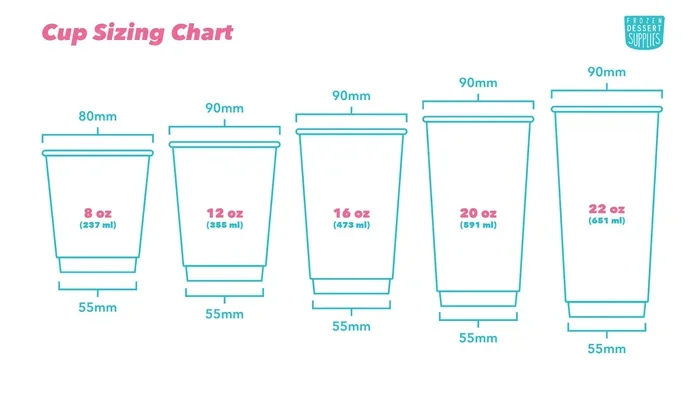
The size of your cup changes the taste of your coffee. This is because of the ratio. The ratio is the balance between coffee grounds and water. If you use too much water, the coffee tastes weak. If you use too little, it tastes strong.
Visual guide about coffee cup size comparison
Image source: coffeevibe.org
A good rule of thumb is the golden ratio. This is often 1 part coffee to 16 parts water. In simple terms, use 1 to 2 tablespoons of coffee per 6 ounces of water. This makes a balanced cup. You can adjust this based on your taste.
Here is a simple guide for different cup sizes:
- 8 Ounce Cup: Use 1.5 to 2 tablespoons of grounds.
- 10 Ounce Mug: Use 2 to 2.5 tablespoons of grounds.
- 12 Ounce Mug: Use 2.5 to 3 tablespoons of grounds.
- 16 Ounce Large: Use 3 to 4 tablespoons of grounds.
You can also weigh your coffee. A scale gives the most accurate results. Try 10 grams of coffee for every 180 milliliters of water. This is a great way to get consistency. If you want to learn more, check out how many scoops of coffee per cup of water for easy measuring tips.
The brewing method also plays a role. A French press needs a coarser grind. A drip machine works with a medium grind. Espresso uses a fine grind and very little water. Each method changes the flavor. But the ratio stays important. Keep your ratio steady, and your coffee will taste great every time.
Health Considerations and Caffeine Content
Coffee is more than a tasty drink. It affects your body. The size of your cup changes how much caffeine you get. Caffeine is a natural stimulant. It helps you feel awake and focused. But too much can cause jitters or sleep problems.
A standard 8-ounce cup of brewed coffee has about 95 milligrams of caffeine. This number can change. Light roasts often have slightly more caffeine. Dark roasts might taste stronger but have less. The bean type matters too. Robusta beans have more caffeine than Arabica beans.
Here is what different cup sizes might contain:
- 8 Ounces: About 95 mg of caffeine.
- 12 Ounces: About 140 mg of caffeine.
- 16 Ounces: About 190 mg of caffeine.
- 20 Ounces: About 240 mg of caffeine.
Health experts suggest limits. Most adults can safely have up to 400 milligrams of caffeine per day. That is about four 8-ounce cups. But everyone is different. Some people feel awake with just one cup. Others need more to feel the same effect.
Watch your total intake. Remember that other drinks have caffeine too. Tea, soda, and energy drinks all add up. If you feel anxious or cannot sleep, try a smaller cup. You can also switch to decaf. It tastes like coffee but has very little caffeine.
Also, think about what you add to your coffee. Sugar, cream, and syrups add calories. A large sweetened drink can have as many calories as a meal. If you watch your weight, a plain black coffee in a moderate size is a good choice.
Tips for Choosing the Right Cup Size
Now you know the numbers. But how do you pick the right cup for your daily routine? Here are some practical tips to help you decide.
Think about your habits. Do you drink coffee fast or slow? If you gulp it down, a smaller cup is fine. If you sip for an hour, get a larger mug. This keeps your drink warm longer.
Match your brewer. Your coffee maker has a limit. A single-serve machine makes about 8 to 12 ounces. A large drip pot can make 12 cups or more. Make sure your mug fits the amount you brew. You do not want to pour a full pot into a tiny cup.
Consider your hands. A mug should feel comfortable. It should fit your hand well. The handle should be easy to grip. If the mug is too heavy, it might spill. If it is too light, it might tip over.
Think about storage. Large mugs take up space in the cupboard. If you have a small kitchen, choose a standard size. You can always buy a big travel mug for days when you need more.
Check the material. Ceramic is classic and keeps heat well. Stainless steel is great for travel. Glass looks nice but cools faster. Pick the material that fits your lifestyle.
Keep consistency in mind. Try to use the same cup each morning. This helps you learn how much coffee you like. You will know exactly how many scoops to use. You can also learn how to store coffee filters to keep your brewing supplies fresh.
If you are in the market for new drinkware, look for quality. A good mug lasts for years. It should not chip or crack easily. The rim should feel smooth on your lips. These small details make your coffee time better.
Common Mistakes When Measuring Coffee
Even experienced coffee lovers make mistakes. Here are some common errors and how to fix them.
- Using a random mug as a measure. Your favorite mug might hold 14 ounces, not 8. This throws off your ratio. Use a measuring cup once to check your mug size.
- Ignoring the coffee maker’s definition of a cup. Many machines define a cup as 5 or 6 ounces. If you follow package instructions, adjust for this smaller size.
- Changing grind size without changing the ratio. A finer grind extracts more flavor. You might need less coffee. A coarser grind needs more coffee. Adjust as you experiment.
- Forgetting about ice. Iced coffee needs extra strength. The ice melts and dilutes the drink. Brew a stronger concentrate for iced coffee.
- Using old coffee grounds. Stale grounds taste flat. They do not extract well. Fresh beans make a better cup, no matter the size.
Avoid these mistakes, and your coffee will taste better. You will also waste less coffee. It is a win for your taste buds and your budget.
Expert Insights on Cup Sizes
Coffee experts agree on one thing. Consistency is key. Baristas use scales and timers. They measure everything carefully. You can do the same at home without fancy tools.
Start with a standard ratio. Then tweak it. If your coffee tastes weak, add more grounds. If it tastes bitter, use less. Keep notes on what works. Write down the cup size, the amount of coffee, and the taste. After a few tries, you will find your perfect brew.
Experts also say water quality matters. Clean, filtered water tastes better. It makes the coffee flavor shine. Hard water can leave mineral buildup in your machine. This affects the taste over time. Clean your coffee maker regularly.
Temperature is another factor. Coffee should brew between 195 and 205 degrees Fahrenheit. Too hot, and it burns the grounds. Too cool, and it under-extracts. Most modern machines handle this well. If you brew manually, use a thermometer.
Finally, enjoy the process. Coffee is a ritual. The size of your cup is part of that ritual. Whether you like a small demitasse or a big travel mug, the best size is the one that makes you happy.
Conclusion
So, how big is a cup of coffee? The answer depends on your context. A standard measuring cup is 8 ounces. A coffee shop small is often 8 ounces too. But most home mugs hold 10 to 12 ounces. Large drinks can go up to 20 ounces or more.
Understanding these sizes helps you brew better coffee. You can match your grounds to your water. You can choose the right mug for your habits. You can also manage your caffeine intake. All of this leads to a better coffee experience.
Next time you pour a drink, think about the size. Try a different mug. Adjust your ratio. Taste the difference. Coffee is personal. The perfect cup is the one that fits your life and your taste. Enjoy every sip.
Frequently Asked Questions
Is a cup of coffee 8 ounces?
A standard US cup is 8 fluid ounces. However, many coffee makers define a cup as 6 ounces. Coffee shops also use different sizes, so it is best to check the specific measurement.
How many ounces is a standard coffee mug?
A standard coffee mug usually holds 10 to 12 ounces. Some small mugs hold 8 ounces, while large travel mugs can hold 20 ounces or more.
What size cup is best for brewing coffee?
The best size depends on your taste and caffeine needs. A 6 to 8-ounce cup is great for a balanced brew. If you want a larger drink, use a 10 to 12-ounce mug and adjust the coffee ratio.
Does cup size affect caffeine content?
Yes, a larger cup holds more coffee, which means more caffeine. An 8-ounce cup has about 95 mg of caffeine, while a 16-ounce cup can have nearly double that amount.
Why do coffee shops use different size names?
Coffee shops use names like Short, Tall, or Grande to make sizes easy to remember. These names correspond to specific ounce amounts, which vary by chain and location.
How do I measure coffee for a large mug?
Use the golden ratio of 1 part coffee to 16 parts water. For a 12-ounce mug, try 2.5 to 3 tablespoons of coffee grounds. Adjust based on how strong you like your drink.