
Many people ask can coffee spike blood sugar, and the answer depends on how you drink it. Black coffee usually has little effect, but added sugar or cream can raise glucose levels quickly. Understanding how caffeine interacts with your body helps you make smarter choices for better health and steady energy throughout the day.
If you love your morning cup of joe, you have probably wondered can coffee spike blood sugar. It is a common question, especially for people who track their glucose levels or manage diabetes. Coffee is one of the most popular drinks in the world, and many of us rely on it to start the day. But does that daily habit affect your blood sugar in ways you do not expect?
The short answer is that plain coffee usually does not cause a big rise in blood sugar. However, the full picture is a bit more nuanced. What you put in your coffee, how much caffeine you consume, and your own body chemistry all play a role. In this guide, we will break down what the science says, look at the different factors that matter, and share practical tips so you can enjoy your coffee without worrying about unwanted glucose spikes.
Key Takeaways
- Black coffee is low in carbs: Plain brewed coffee contains almost no carbohydrates, so it rarely raises blood sugar on its own.
- Caffeine may affect insulin sensitivity: Some studies show caffeine can temporarily reduce how well your body uses insulin, which might raise glucose levels after meals.
- Additives are the real problem: Sugar, flavored syrups, sweetened creamers, and even some milk alternatives can cause quick blood sugar spikes.
- Timing matters for some people: Drinking coffee right before or after a meal may change how your body handles glucose, especially if you have diabetes.
- Decaf is a safer choice for sensitive individuals: If caffeine affects your readings, switching to decaffeinated coffee can help you enjoy the taste without the stimulant effect.
- Monitor your own response: Everyone reacts differently, so checking your blood sugar before and after coffee gives you personal insight into how it affects you.
- Pair coffee with protein or fiber: Drinking coffee alongside a balanced snack or meal can help slow glucose absorption and reduce sudden spikes.
📑 Table of Contents
- Understanding the Connection Between Coffee and Blood Sugar
- The Real Culprit: What You Add to Your Coffee
- How Caffeine May Affect Insulin and Glucose Levels
- Who Should Pay Extra Attention to Coffee and Blood Sugar
- Smart Ways to Enjoy Coffee Without Spiking Glucose
- Comparing Common Coffee Choices and Their Blood Sugar Impact
- Expert Insights and Common Mistakes to Avoid
Understanding the Connection Between Coffee and Blood Sugar
When people ask can coffee spike blood sugar, they are often thinking about the drink itself. Plain black coffee is very low in carbohydrates and calories. A typical cup of brewed coffee contains less than one gram of carbs, which means it has almost no direct impact on glucose levels. For most healthy people, drinking black coffee will not cause a measurable spike in blood sugar.
However, coffee is not just water and coffee beans. It contains caffeine, antioxidants, and other natural compounds that can influence how your body handles glucose. Caffeine is a stimulant that affects your nervous system, your metabolism, and even how your cells respond to insulin. Insulin is the hormone that helps move sugar from your bloodstream into your cells for energy. When insulin sensitivity changes, your blood sugar can behave differently after you eat.
Research on caffeine and blood sugar has produced mixed results. Some studies suggest that caffeine may temporarily reduce insulin sensitivity, which means your body might need more insulin to handle the same amount of carbohydrates. This effect is usually mild and short-lived in healthy people. But for someone with insulin resistance or diabetes, even a small change can matter. That is why the question can coffee spike blood sugar does not have a one-size-fits-all answer.
What the Research Says About Caffeine and Glucose
Scientists have studied caffeine and blood sugar for years. Some findings show that caffeine can raise blood sugar slightly after a meal, especially in people who already have trouble managing glucose. Other studies show little to no effect in healthy adults. The difference often comes down to factors like how much caffeine is consumed, whether the person is used to caffeine, and what else is in the drink.
It also helps to think about tolerance. If you drink coffee every day, your body may adapt to the caffeine over time. Regular coffee drinkers sometimes show less of a blood sugar response than people who rarely drink it. This does not mean coffee is completely neutral for everyone, but it does suggest that your personal habits shape the outcome.
Another important point is that coffee contains antioxidants, such as chlorogenic acid. Some research suggests these compounds may actually support better blood sugar control over the long term. So while caffeine might have a short-term effect, other parts of coffee could offer benefits. This is why the overall relationship between coffee and glucose is still being studied.
The Real Culprit: What You Add to Your Coffee
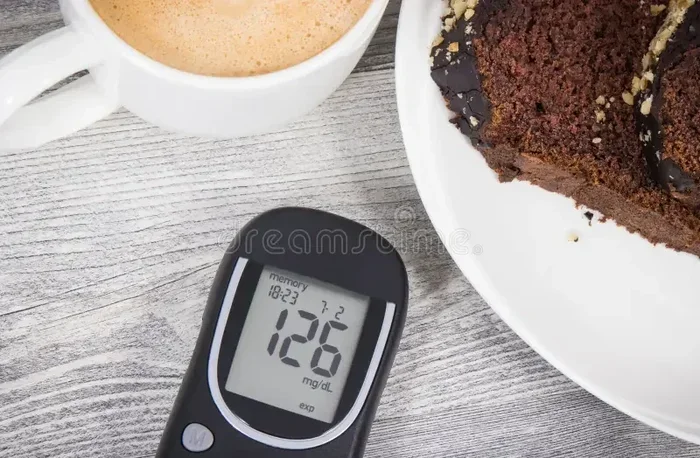
If you are trying to figure out can coffee spike blood sugar, the biggest factor is often not the coffee itself. It is what you put in it. Many popular coffee drinks are loaded with sugar, flavored syrups, whipped cream, and sweetened milk alternatives. These additions can turn a nearly zero-carb beverage into a high-sugar treat that raises blood glucose quickly.

Visual guide about coffee cup blood sugar meter
Image source: thumbs.dreamstime.com
Even small amounts of added sugar can matter if you are monitoring your levels closely. A teaspoon of sugar here, a pump of vanilla syrup there, and suddenly your coffee has several grams of carbohydrates. For someone with diabetes, those grams can add up fast, especially if coffee is part of a morning routine that already includes other foods.
Milk and cream also contain some natural sugar in the form of lactose. Regular cow’s milk has a small amount of carbs, and heavier use of milk or cream can contribute to your total intake. Plant-based milks vary widely too. Some are unsweetened and very low in carbs, while others have added sugar or higher carbohydrate content from ingredients like rice or flavored blends.
Common Coffee Additions That Can Raise Blood Sugar
Here are some common additives that can make coffee affect your glucose more than you might expect:
- Sugar and brown sugar: These are the most obvious sources of quick-digesting carbohydrates.
- Flavored syrups: Many coffee shop syrups are made with sugar and can add several grams of carbs per pump.
- Sweetened creamers: Some liquid and powdered creamers contain added sugar and other carbohydrates.
- Whipped cream and dessert toppings: These can add sugar, fat, and extra calories that change how your body processes the drink.
- Sweetened plant milks: Flavored oat milk, vanilla almond milk, and similar options may contain added sugars.
- Honey, agave, and other natural sweeteners: Even though they sound healthy, they still raise blood sugar because they are forms of sugar.
If you want to keep your coffee blood-sugar friendly, the easiest step is to look at the label or ask what is in your drink. Small changes can make a big difference. Unsweetened alternatives, a splash of regular milk, or a zero-calorie sweetener can help you keep the flavor you like without the extra carbs.
How Caffeine May Affect Insulin and Glucose Levels
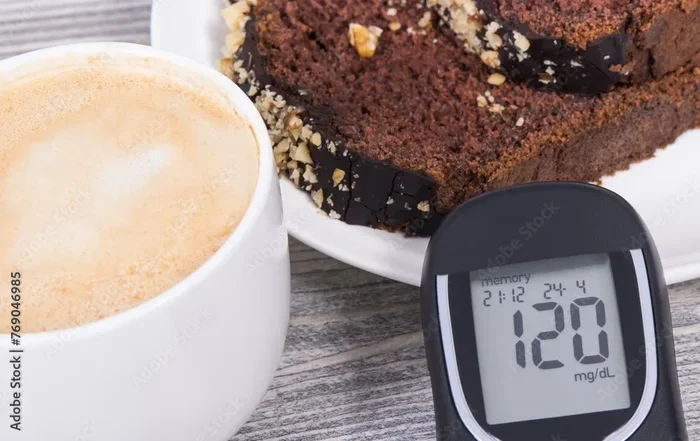
Caffeine does more than help you feel awake. It also triggers a mild stress response in the body. This can increase adrenaline, which may cause your liver to release stored glucose into your bloodstream. That is one reason some people notice a small rise in blood sugar after drinking strong coffee, especially if they consume a lot of caffeine at once.
Visual guide about coffee cup blood sugar meter
Image source: as2.ftcdn.net
For people with diabetes, this effect can be more noticeable. If your body already struggles to produce enough insulin or use it effectively, the added glucose from your liver combined with reduced insulin sensitivity can lead to higher readings. This does not mean you must give up coffee entirely. It just means you may need to pay attention to how your body responds.
There is also a difference between occasional caffeine use and daily use. Someone who rarely drinks coffee may feel the effects more strongly than someone who has built up a tolerance. If you are trying to understand can coffee spike blood sugar in your own life, it helps to think about your usual intake, your sleep, your stress level, and what you eat with your coffee.
Decaf Coffee and Blood Sugar Response
Decaffeinated coffee is an interesting middle ground. Since most of the caffeine is removed, decaf usually does not trigger the same adrenaline-related response. For people who are sensitive to caffeine, decaf can be a good way to enjoy coffee flavor without as much impact on alertness or possible glucose changes.
Decaf still contains many of the same antioxidants found in regular coffee, so it may offer some of the same long-term dietary benefits. If you notice that regular coffee makes you feel jittery or seems to affect your blood sugar readings, decaf is worth considering. You can also mix regular and decaf to reduce your total caffeine while keeping the taste you enjoy.
Who Should Pay Extra Attention to Coffee and Blood Sugar
Not everyone needs to worry about coffee in the same way. Healthy people with normal insulin function often tolerate coffee without any noticeable blood sugar issues. But some groups should be more mindful, especially if they are trying to manage a health condition or optimize their energy levels.

Visual guide about coffee cup blood sugar meter
Image source: thumbs.dreamstime.com
People with type 1 diabetes, type 2 diabetes, prediabetes, or insulin resistance may see more noticeable effects from caffeine and from the foods they pair with coffee. Pregnant individuals, people with high stress levels, and those who are especially sensitive to stimulants may also want to watch their intake. If you fall into one of these groups, tracking your response is a smart move.
Practical Signs Your Coffee May Be Affecting You
It is not always obvious when coffee is influencing your blood sugar. You may want to pay attention if you notice patterns like these:
- Your glucose readings are higher after coffee than they are on days you skip it.
- You feel shaky, restless, or unusually hungry after your morning cup.
- Your coffee habit includes sugary additions that line up with higher blood sugar numbers.
- You drink large amounts of coffee and have trouble keeping your energy steady.
- You notice changes when you switch from regular coffee to decaf.
These signs do not prove that coffee is causing a problem by itself. They simply suggest it may be worth experimenting with your routine. Small adjustments can help you figure out what works best for your body.
Smart Ways to Enjoy Coffee Without Spiking Glucose
If you want to keep coffee in your routine while protecting your blood sugar, there are several simple strategies. The goal is not to make coffee complicated. It is to make it fit your health goals without losing the comfort and flavor you enjoy.
Start by choosing the simplest version of coffee that still tastes good to you. Black coffee is the most blood-sugar friendly option because it has almost no carbohydrates. If black coffee feels too bitter, try a lighter roast, a different brew method, or a small splash of unsweetened milk. These tweaks can improve the flavor without adding much sugar.
Better Coffee Habits for steadier Blood Sugar
Here are some practical habits that can help:
- Keep additives low: Use less sugar, or switch to unsweetened creamers and milks.
- Watch portion sizes: A large flavored latte can have far more carbs than a small cup of drip coffee.
- Try unsweetened alternatives: Cinnamon, vanilla extract, or unsweetened cocoa can add flavor with very little impact on glucose.
- Pair coffee with balanced food: Eating protein, fiber, or healthy fats with your coffee can help slow sugar absorption from any carbs you do consume.
- Limit very large doses of caffeine: If you are sensitive, smaller servings may feel better and reduce possible glucose effects.
- Check your numbers if needed: If you track blood sugar, test before and after coffee to see your personal pattern.
Another helpful idea is to think about your overall morning routine. Coffee alone may not be the issue. It might be the combination of coffee, a sugary breakfast, and a rushed start to the day. When you build a more balanced morning, coffee usually fits more easily into a stable blood sugar pattern.
Quick Tips for Coffee Lovers Who Track Glucose
If you like to keep things simple, these quick tips can help you stay on track:
- Drink water alongside coffee to stay hydrated.
- Read ingredient lists on creamers and packaged coffee drinks.
- Ask for fewer pumps of syrup when ordering out.
- Experiment with decaf if regular coffee seems to bother you.
- Keep your coffee routine consistent so it is easier to spot patterns.
Comparing Common Coffee Choices and Their Blood Sugar Impact
Not all coffee drinks are created equal. Some are basically brewed coffee with very few carbs. Others are closer to dessert. The table below gives a general comparison so you can see how different choices may affect your blood sugar.
| Coffee Choice | Typical Carb Impact | Likely Blood Sugar Effect |
|---|---|---|
| Black brewed coffee | Very low | Minimal for most people |
| Coffee with a splash of milk | Low | Small, usually manageable |
| Coffee with sugar or syrup | Moderate to high | Can raise blood sugar noticeably |
| Flavored latte with sweetened milk | Moderate to high | More likely to affect glucose |
| Decaf black coffee | Very low | Minimal, with less caffeine effect |
| Sweetened iced coffee drink | High | More likely to cause a spike |
This table is a general guide, not a strict rule. Your body, your portion size, and your overall diet all matter. Still, it shows why the question can coffee spike blood sugar often comes down to the type of coffee you choose and what you add to it.
Expert Insights and Common Mistakes to Avoid
One common mistake is assuming all coffee drinks are the same. A plain cup of coffee and a sugary specialty drink can have very different effects on your body. Another mistake is focusing only on the coffee and forgetting about the rest of the meal. Blood sugar is influenced by the full picture, including breakfast foods, activity, stress, sleep, and medication if you take any.
Experts often recommend consistency. If you drink coffee daily, keep your routine fairly steady so you can notice real changes more easily. It also helps to be honest about portion sizes. A “little sugar” can become a lot when it is added every day. If you are trying to learn whether can coffee spike blood sugar applies to you, careful observation is more useful than guesses.
Key Takeaways for Daily Coffee Drinkers
Here is what to remember as you build better habits:
- Plain coffee is usually low-impact for blood sugar.
- Additives often cause the biggest changes.
- Caffeine may affect insulin sensitivity in some people.
- Your personal response matters more than general rules.
- Small, consistent changes are easier to maintain than drastic ones.
If you are still wondering can coffee spike blood sugar, the best answer is that coffee itself is usually not the main problem. The bigger risk comes from added sugars, large portions, and individual sensitivity to caffeine. With a little attention, most people can enjoy coffee as part of a balanced routine.
Coffee can be a comforting, enjoyable part of your day without working against your health goals. The key is to know what is in your cup, notice how your body responds, and make choices that fit your needs. When you do that, you can keep your morning ritual while staying more confident about your blood sugar control.
Frequently Asked Questions
Can black coffee raise blood sugar levels?
Plain black coffee usually has very little effect on blood sugar because it contains almost no carbohydrates. Most people can drink it without a noticeable glucose spike, though caffeine may affect insulin sensitivity in some individuals.
Why does coffee sometimes raise blood sugar after meals?
Caffeine can temporarily affect how your body uses insulin and may prompt your liver to release more glucose. This can make blood sugar rise a bit more than expected, especially if you already have insulin resistance or diabetes.
Do flavored coffee drinks spike blood sugar more than regular coffee?
Yes, flavored coffee drinks often contain sugar, syrups, and sweetened milk, which add carbohydrates and can raise blood sugar faster. A plain coffee is usually much lower in carbs than a sweetened latte or iced coffee drink.
Is decaf coffee better for blood sugar control?
Decaf coffee may be a better choice for people who are sensitive to caffeine because it has very little stimulant effect. It still offers coffee flavor and antioxidants, but it is less likely to trigger caffeine-related changes in glucose handling.
Can I drink coffee if I have diabetes?
Many people with diabetes can still enjoy coffee, especially if they keep it simple and watch what they add to it. It is helpful to monitor your own response, since caffeine and additives can affect people differently.
What is the best way to sweeten coffee without spiking blood sugar?
Unsweetened flavorings, a small amount of low-carb sweetener, or spices like cinnamon can add taste with less impact on blood sugar. Choosing unsweetened milk or creamer can also help keep carbohydrates lower than sugary syrups or sweetened creamers.



