Many people wonder if their daily brew is behind that uncomfortable chest burn. Can coffee cause heartburn? Yes, it often can, especially when you drink it on an empty stomach or choose highly acidic blends. The good news is that small changes in how you brew, what you drink, and when you sip can make a big difference. This guide breaks down the real reasons coffee triggers acid reflux and shares easy, practical fixes you can try today.
If you love your morning cup but dread that burning feeling afterward, you are not alone. Many coffee lovers ask the same question: can coffee cause heartburn? The short answer is yes. For some people, coffee relaxes the muscle that keeps stomach acid where it belongs. When that muscle loosens, acid can travel upward and create that familiar burn in your chest or throat.
This does not mean you must give up coffee forever. In many cases, the issue comes down to what kind of coffee you drink, how much you have, and when you drink it. A few small changes can turn a painful routine into a comfortable one. Let us walk through why this happens and what you can do about it.
Key Takeaways
- Coffee can trigger heartburn: Caffeine and natural acids relax the valve between your stomach and esophagus, letting acid escape upward.
- Brew method matters: Dark roasts, cold brew, and low-acid beans often cause less discomfort than bright, light roasts or strong espresso.
- Timing and habits count: Drinking coffee on an empty stomach or lying down shortly after sipping raises your risk of acid reflux.
- Additives can make it worse: Heavy cream, sugary syrups, and large servings may slow digestion and increase stomach pressure.
- You do not have to quit completely: Most people find relief by adjusting portion size, choosing gentler brews, or pairing coffee with food.
- Watch for personal triggers: Heartburn causes vary by person, so tracking what you drink and how you feel helps you spot patterns fast.
- Simple swaps help a lot: Low-acid coffee, smaller cups, and water between servings can reduce burning without sacrificing your daily ritual.
📑 Table of Contents
Why Can Coffee Cause Heartburn in the First Place
Coffee is more than just caffeine and flavor. It contains natural acids and plant compounds that can affect your digestive system. When you drink it, a few things may happen at once. First, caffeine can relax the lower esophageal sphincter, which is the valve that separates your stomach from your esophagus. If that valve gets too relaxed, acid can slip upward.
Second, coffee itself is acidic. Even when it tastes smooth, it still carries acids that can irritate a sensitive stomach lining. If your stomach is already producing extra acid, adding a strong cup on top can push you over the edge. Third, coffee can stimulate your stomach to make more acid. That extra acid is helpful for digestion in some cases, but it can also increase the chance of reflux if your body is already prone to it.
So when people ask, can coffee cause heartburn, the answer usually depends on three things: the coffee itself, your body, and your habits. A person with a very sensitive esophagus may feel discomfort after a small cup. Another person may drink the same brew and feel fine. That is why personal experience matters so much here.
Caffeine and the Valve That Keeps Acid Down
Caffeine is one of the main reasons coffee can cause trouble. It can loosen the lower esophageal sphincter just enough to let acid escape. This does not happen to everyone, but it is common enough that many people notice a pattern. If you drink strong coffee, large servings, or several cups in a row, the effect can build up.
If you are sensitive to caffeine, you may also notice other signs like jitters, a faster heartbeat, or trouble sleeping. Those signs do not always come with heartburn, but they can show that your body is reacting strongly to the same stimulant that may be affecting your stomach.
Acidity in Coffee and Sensitive Stomachs
Coffee contains several natural acids that give it brightness and flavor. Those acids also make the drink more irritating for some stomachs. Light roasts usually taste brighter and tend to be more acidic. Dark roasts often taste deeper and may feel gentler for people who struggle with acid reflux. That said, roast level is only part of the story. The bean type, grind size, and brewing method all change the final cup.
If your stomach is already irritated from spicy food, stress, or a long gap between meals, coffee can add fuel to the fire. That is why can coffee cause heartburn is such a common question. The drink may not create the problem alone, but it can easily make an existing issue feel worse.
What Makes Coffee Trigger Acid Reflux More Often
Not all coffee drinks affect the body in the same way. Some are harsher on the stomach, while others are easier to tolerate. If you are trying to figure out whether your cup is the problem, look at the whole picture, not just the beans.

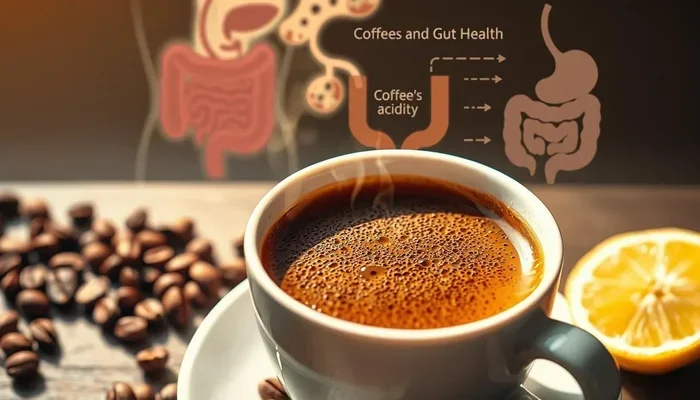
Visual guide about coffee and heartburn concept
Image source: maverickscoffee.com
Here are a few common reasons coffee may trigger discomfort more easily:
- Large servings: A giant mug gives your stomach more liquid and more acid to handle at once.
- Empty stomach drinking: Coffee on an empty stomach can feel much stronger than coffee after food.
- Strong brews: Espresso, concentrated cold brew, or very bold drip coffee can hit harder.
- High-caffeine choices: Extra caffeine can increase the chance of reflux for sensitive people.
- Additives that slow digestion: Heavy cream, large amounts of fat, or sugary syrups can make some stomachs work harder.
If you notice a pattern, it may not be the coffee alone. It could be the size of the cup, the timing, or what you add to it. That is useful because it means you may not need to stop drinking coffee completely. You may just need to change the way you enjoy it.
Empty Stomach vs. Coffee With Food
Drinking coffee before breakfast is a common habit, but it can be rough on some stomachs. Food helps buffer acid and slows down how quickly liquids move through your system. Without that buffer, coffee can feel sharper and more irritating.
If you usually sip coffee first thing in the morning, try having a small snack before or with it. A piece of toast, a banana, or a bowl of oats can make a noticeable difference. You do not need a full meal. Even a little food can help reduce that raw, burning feeling.
Brewing Method and Acid Levels
How you brew matters a lot. Hot, fast methods can pull out more acids and aromatic compounds. Cold brew, on the other hand, is often smoother and may taste less sharp. French press coffee, drip coffee, and espresso all create different flavor profiles and different levels of compounds that may bother your stomach.
If you are asking, can coffee cause heartburn, it helps to think of brewing as a dial you can adjust. If one method bothers you, another may feel much easier to handle. Many people find gentler results from darker roasts, coarser grinds, or slower extraction methods that produce a less aggressive cup.
Choosing Coffee That Is Easier on Your Stomach
If you want to keep enjoying coffee without the burn, the type of coffee you choose can make a real difference. You do not need to hunt for a miracle product. You just need to look for options that tend to be less irritating for sensitive stomachs.

Visual guide about coffee and heartburn concept
Image source: grindthosebeans.com
Here are some practical things to try:
- Dark roasts: These often taste fuller and may feel less sharp than very bright light roasts.
- Low-acid coffee: Some brands label their coffee as low-acid, which can be helpful if regular coffee feels too harsh.
- Cold brew: This method usually creates a smoother-tasting drink that many people find easier to tolerate.
- Decaf or half-caff: If caffeine is a big trigger for you, reducing it may calm your symptoms.
- Smaller cups: A modest serving can give you the flavor you love without overloading your stomach.
If you are wondering can coffee cause heartburn even with gentler options, the answer is still yes for some people. Everyone is different. But lowering acidity and caffeine often reduces the odds of discomfort. It is a good place to start before making bigger changes.
Low-Acid and Dark Roast Options
Low-acid coffee is not a cure-all, but it can be a useful tool. These coffees are often processed or blended with the goal of creating a smoother cup. Dark roasts also tend to taste less bright, which many people describe as easier on the stomach. If you enjoy a richer, deeper flavor, this may be a win-win.
When you shop, look at the flavor notes and roast level. Beans described as chocolatey, nutty, or caramel-like often feel smoother than those described as fruity or highly bright. That does not guarantee anything, but it gives you a better starting point.
Decaf, Half-Caff, and Smaller Servings
If caffeine is part of the problem, cutting back can help. Decaf coffee still tastes like coffee, but it removes most of the stimulant that may relax the valve in your esophagus. If going fully decaf feels like too much, try half-caff instead. You keep some of the energy boost while lowering the amount that may be irritating your stomach.
You can also simply drink less at once. A smaller cup gives your body less to process. If you usually refill your mug several times, try one solid cup and then switch to water or a gentler drink for a while.
Daily Habits That Can Reduce Coffee Heartburn
Sometimes the fix is not just the coffee itself. Your daily routine can either calm your stomach or make it more reactive. Small habit changes are often easier than people expect, and they can make a noticeable difference.
Visual guide about coffee and heartburn concept
Image source: gwinnettmagazine.com
Try these simple adjustments:
- Do not lie down right after coffee: Staying upright helps keep acid where it belongs.
- Eat something with your coffee: A little food can buffer acid and reduce irritation.
- Sip slowly: Gulping a hot drink can feel harsher than steady, relaxed sipping.
- Watch your total caffeine load: Coffee plus energy drinks, strong tea, or soda can add up quickly.
- Stay hydrated: Water helps your digestion and can balance out a strong coffee routine.
If you are still asking, can coffee cause heartburn after trying these habits, the answer may be that coffee is only one piece of the puzzle. Your stress level, meal timing, sleep, and other foods all play a role too.
Timing Your Coffee Wisely
When you drink coffee matters. A cup right before lying down for a nap or bedtime can be a bad match for a sensitive stomach. The same goes for drinking coffee when you are already hungry and your stomach is empty. If possible, place your coffee between meals or with a light snack instead of on a completely bare stomach.
Many people also do better when they avoid piling coffee on top of other reflux triggers. If you already had a spicy lunch, a heavy dinner, or a lot of citrus, adding a very strong coffee may not be the best idea. Timing it more carefully can reduce the chance of that burning feeling.
Food Pairings That Help Buffer Acid
You do not need fancy food pairings. Simple, mild options often work best. Oatmeal, toast, bananas, yogurt, or a small bowl of cereal can all help. These foods are generally easier on the stomach and can soften the impact of coffee.
If you like cream or milk in your coffee, keep the amount reasonable. A splash may be fine, but heavy amounts of fat can slow digestion for some people. If you notice that rich drinks make you feel worse, try a lighter version and see what happens.
When Coffee Heartburn Means You Should See a Doctor
Most of the time, coffee-related heartburn is annoying but manageable. Still, there are times when you should pay closer attention. If your symptoms are frequent, severe, or getting worse, it is smart to get medical advice. Heartburn can sometimes be part of a bigger issue like GERD or another digestive condition.
You should especially consider talking to a professional if you notice:
- Burning that happens most days: Repeated reflux is worth checking out.
- Trouble swallowing: This can be a sign that something more serious needs attention.
- Weight loss without trying: Unexplained changes in weight should not be ignored.
- Symptoms that wake you at night: Nighttime reflux can be more disruptive and may need stronger management.
- Chest pain that feels severe or unusual: If you are ever unsure, it is better to get checked promptly.
If you are asking, can coffee cause heartburn and the answer seems to be yes for you, a doctor can help you figure out whether coffee is the main culprit or just one of several triggers. That clarity can save you a lot of trial and error.
Tracking Your Triggers
A simple notebook or phone note can help a lot. Write down what you drank, how much, whether you ate, and how you felt afterward. Over time, patterns become easier to spot. Maybe light roast bothers you more than dark roast. Maybe cold brew feels fine. Maybe your symptoms show up mostly when you drink coffee before breakfast.
Tracking also helps you avoid blaming coffee too quickly. Sometimes the real issue is a large meal, stress, or a different food entirely. When you keep notes, you get a clearer picture of what is actually happening.
Simple Tests You Can Try at Home
You can run a few gentle experiments without making your routine miserable. Try one change at a time so you can tell what helps. For example, switch to a darker roast for a week. Then try a smaller cup. Then try drinking it with food. If one change makes a clear difference, you have learned something useful.
If you try several changes and still feel burned often, that is useful information too. It may mean your stomach is reacting to more than coffee, or that you need a different approach altogether.
Quick Tips and Common Mistakes
If you want fast, practical guidance, keep these points in mind.
Quick tips:
- Start with a smaller cup and see how your stomach responds.
- Choose a smoother roast if bright coffee feels too sharp.
- Pair coffee with a light snack instead of drinking it alone.
- Stay upright for a while after you finish your cup.
- Cut back on caffeine if you suspect it is a major trigger.
Common mistakes:
- Assuming every coffee will affect you the same way.
- Drinking a huge mug and blaming the coffee instead of the portion.
- Adding heavy cream or lots of syrup and wondering why your stomach feels worse.
- Ignoring other triggers like spicy food, stress, or late-night meals.
- Quitting coffee too fast before testing gentler options.
If you keep these points in mind, you can answer the question can coffee cause heartburn with more confidence. For many people, coffee can contribute to heartburn, but the final result depends on the drink, the body, and the routine around it.
Conclusion
So, can coffee cause heartburn? Yes, it can, especially if you drink strong coffee, sip it on an empty stomach, or have a sensitive digestive system. Coffee may relax the valve that keeps acid down, stimulate extra acid, and add natural acids that irritate the stomach. That combination is enough to cause trouble for many people.
The good news is that you usually do not need to give up coffee entirely. A darker roast, a smaller cup, cold brew, decaf, or a little food alongside your drink may make a big difference. Timing matters too. Staying upright, avoiding huge servings, and watching your total caffeine intake can all help.
If your heartburn keeps coming back or feels severe, do not guess forever. Track your triggers and talk to a healthcare professional if needed. With a few thoughtful changes, you can often keep your coffee ritual and still feel more comfortable afterward.
Frequently Asked Questions
Why does coffee make my chest burn?
Coffee can relax the valve between your stomach and esophagus, which may let acid move upward. It also contains natural acids and can encourage your stomach to make more acid, which can create a burning feeling.
Can decaf coffee still cause heartburn?
Yes, it can. Decaf removes most of the caffeine, but coffee still has natural acids and other compounds that may irritate a sensitive stomach. If caffeine is your main trigger, decaf may help, but it is not a guarantee.
Is cold brew easier on the stomach than hot coffee?
Many people find cold brew smoother and less sharp, so it may be easier to tolerate. It is not perfect for everyone, though, because your reaction still depends on the beans, roast, and your own stomach sensitivity.
Should I stop drinking coffee if I get heartburn?
Not necessarily. You may only need to adjust your portion, roast, brewing method, or timing. If smaller changes do not help, then cutting back or pausing coffee for a while can help you see whether it is the main cause.
Can I drink coffee if I already have acid reflux?
Some people with acid reflux can still enjoy coffee in small amounts, especially if they choose gentler options and drink it with food. Others find that even a little coffee triggers symptoms. It often comes down to personal tolerance.
What foods help when I drink coffee?
Simple, mild foods like toast, oatmeal, bananas, or yogurt can help buffer acid and make coffee feel less harsh. A small snack is often enough, so you do not need a full meal to reduce discomfort.