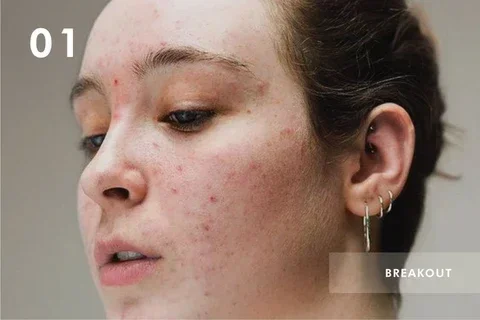
Does coffee cause breakouts? The answer is not a simple yes or no. While caffeine can spike stress hormones that may trigger acne, the real culprits are often added sugar, dairy, and dehydration. Understanding how your body reacts to coffee can help you enjoy your daily cup without ruining your skin.
You wake up, head to the kitchen, and brew your favorite cup. It smells rich, tastes bold, and gives you that quick boost you rely on. But then you notice a new bump on your chin or a fresh wave of pimples on your forehead. Suddenly, you start wondering if your daily habit is behind the trouble. Does coffee cause breakouts? That question pops up in skincare forums, dermatologist offices, and late-night Google searches all the time.
The truth is, skin health is rarely about one single food or drink. Your face reflects a mix of hormones, diet, stress, sleep, genetics, and daily habits. Coffee sits right in the middle of that puzzle. It can affect your energy, your stress response, your hydration, and even your blood sugar when you load it with extras. All of those factors can influence acne. So instead of blaming the bean itself, it helps to look at the whole picture and see where your routine might be nudging your skin in the wrong direction.
Key Takeaways
- Coffee itself is not a direct cause of acne: Plain black coffee contains antioxidants that may actually support skin health.
- Caffeine can raise cortisol levels: Elevated stress hormones may increase oil production and contribute to breakouts in sensitive individuals.
- Additives matter more than the brew: Sugar, flavored syrups, and dairy milk are far more likely to trigger inflammation and acne than coffee alone.
- Dehydration can worsen skin texture: Coffee has mild diuretic effects, so failing to drink enough water alongside it may leave skin dry and prone to clogged pores.
- Timing and quantity play a role: Drinking excessive amounts late in the day can disrupt sleep, which indirectly harms skin repair and hormone balance.
- Individual sensitivity varies: Some people tolerate coffee perfectly, while others notice flare-ups that link directly to their caffeine intake.
- Smart habits can reduce risks: Choosing low-acid beans, limiting sweeteners, staying hydrated, and monitoring your skin response can help you keep both your energy and your complexion balanced.
📑 Table of Contents
- How Coffee Interacts With Your Skin
- What the Research Suggests About Coffee and Acne
- The Real Acne Triggers Hiding in Your Coffee Cup
- Does Coffee Dehydrate Your Skin and Affect Breakouts
- Cortisol, Stress, and Breakouts: Where Coffee Fits In
- Practical Ways to Enjoy Coffee Without Worsening Acne
- Common Myths About Coffee and Breakouts
- When to Look Beyond Coffee
- Key Takeaways for Clearer Skin and Better Coffee Habits
How Coffee Interacts With Your Skin
Your skin is a living organ that responds to what happens inside your body. When you drink coffee, several things happen at once. Caffeine enters your bloodstream and wakes up your nervous system. Your heart rate may rise slightly. Your metabolism gets a small push. Your adrenal glands release hormones that help you feel alert. Those same hormones can also influence how much oil your skin produces.
At the same time, coffee brings antioxidants and anti-inflammatory compounds to the table. Plain brewed coffee contains polyphenols that help fight oxidative stress. That is a good thing for your skin. So the drink itself is not automatically a villain. The issue is how your body handles caffeine, how much you drink, and what you add to the cup. If you are sensitive to stimulants, your skin may react more strongly than someone else’s. If you already struggle with hormonal acne, the extra push from caffeine might tip the scale.
It also helps to think about your overall pattern. One cup in the morning may do nothing to your complexion. Five cups plus a sugary latte plus poor sleep may create a very different outcome. Skin changes usually come from repeated habits, not a single sip. That is why tracking your routine matters more than fearing the drink itself.
Caffeine and Stress Hormones
Caffeine stimulates the release of cortisol and adrenaline. These are your body’s alertness and stress hormones. A small rise in cortisol can help you focus. A large or frequent rise can leave you feeling jittery and tense. It can also signal your oil glands to work overtime. Excess oil mixed with dead skin cells and bacteria is a classic recipe for clogged pores.
If you already deal with stress-related breakouts, caffeine can sometimes amplify that pattern. The effect is not the same for everyone. Some people feel calm and focused after coffee. Others feel wired and anxious. Your personal response depends on your genetics, your tolerance, and how much you consume. If you notice pimples flaring on high-caffeine days, your hormones may be part of the story.
Blood Sugar Swings and Inflammation
Coffee can affect blood sugar in subtle ways. Drinking it black on an empty stomach may cause a quicker glucose response if you pair it with a sweet pastry or a flavored syrup. Blood sugar spikes and crashes can trigger inflammation. Inflammation can show up on your skin as redness, swelling, and breakouts. This is one reason sweet coffee drinks get a worse reputation than plain brew.
Dairy is another common addition that can matter for some people. Milk contains natural hormones and growth factors that may influence acne in sensitive individuals. If you regularly drink coffee with cow’s milk and see stubborn chin or jawline breakouts, it may be worth testing a plant-based option for a few weeks. You do not have to quit coffee. You may just need to change what goes into it.
What the Research Suggests About Coffee and Acne
Studies on diet and acne have grown a lot in recent years. Researchers now pay more attention to overall patterns than single foods. The evidence does not point to coffee as a universal acne trigger. In fact, some studies suggest coffee drinkers may have lower rates of certain inflammatory conditions because of the antioxidants in the brew. That does not mean coffee is a skincare miracle. It simply means the drink is more nuanced than a flat yes or no.
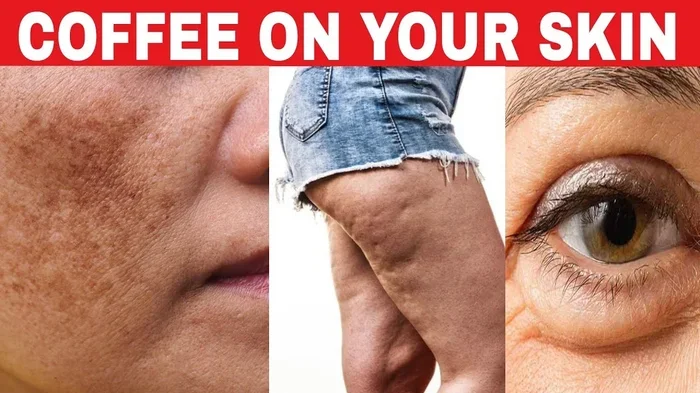
Visual guide about fresh coffee breakouts skin
Image source: i.ytimg.com
What the research does highlight is the role of sugar, refined carbs, dairy, and high-glycemic meals in acne flare-ups. Coffee often gets blamed because it shows up alongside those ingredients in popular drinks. A caramel macchiato is very different from a cup of black coffee. When people notice breakouts, they sometimes point to the coffee and miss the syrup, whipped cream, or milk that may be doing more of the heavy lifting.
Another piece of the puzzle is sleep. Caffeine can delay sleep or reduce sleep quality if you drink it too late. Poor sleep raises stress hormones and weakens your skin’s repair process. That can make breakouts more likely over time. So the timing of your coffee may matter just as much as the coffee itself.
Why the Answer Is Not One-Size-Fits-All
Skin is personal. Two people can drink the same coffee and see completely different results. One person may have calm, clear skin and feel great with a morning latte. Another may notice more oil and more pimples when caffeine intake climbs. Your baseline hormone levels, gut health, hydration, stress load, and skincare routine all shape the outcome.
That is why self-observation is so useful. If you suspect coffee is part of the problem, you do not need to guess forever. You can test, track, and adjust. A simple elimination trial can reveal a lot. Cut back for a short period, notice changes, then reintroduce carefully. That approach is much smarter than assuming coffee is bad for everyone.
The Real Acne Triggers Hiding in Your Coffee Cup
If coffee is linked to breakouts, the link often comes from what surrounds the coffee. The brew alone is usually not the biggest issue. The extras can be. Here are the most common offenders.
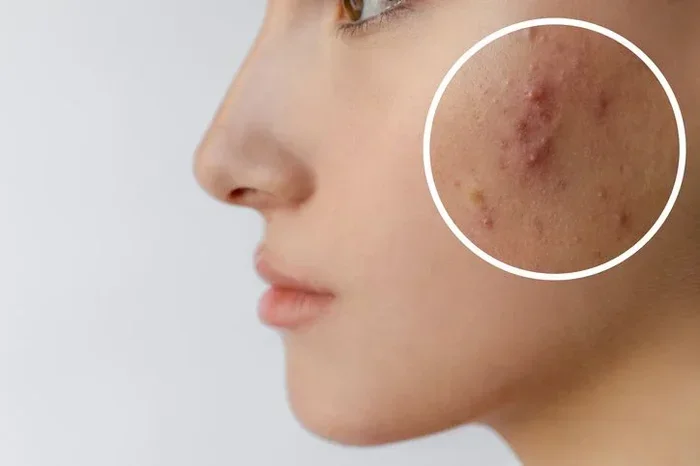
Visual guide about fresh coffee breakouts skin
Image source: new-beauty.com
- Added sugar: Sweeteners spike blood glucose and can increase inflammation, which may worsen acne.
- Flavored syrups: These often combine sugar with additives that can irritate sensitive skin.
- Dairy milk and cream: Some people react to milk proteins or natural hormones with more breakouts.
- Heavy cream or whipped toppings: Rich fats and sugars together can create a high-calorie, high-glycemic drink that stresses the body.
- Large portion sizes: Big drinks mean more caffeine, more sugar, and more potential hormonal swings.
- Late-day consumption: Extra caffeine in the afternoon or evening can interfere with sleep, which indirectly affects skin health.
If you want to keep your coffee and reduce breakouts, start with the easiest changes. Swap sugar for a milder option or reduce the amount gradually. Try a smaller serving. Move your last caffeinated drink earlier in the day. These small shifts can make a noticeable difference without forcing you to give up your ritual.
Milk, Sugar, and Skin Inflammation
Inflammation is one of the key drivers of acne. When your body deals with repeated sugar spikes or sensitivities to certain foods, your skin may respond with more redness, more oil, and more clogged pores. That is why a sugary coffee habit can look like a coffee problem when it is really a sugar problem.
Milk can be similar for some people. It is not a universal trigger, but it is a common one for those prone to hormonal or inflammatory acne. If you suspect dairy, try observing your skin after switching to oat, almond, soy, or another alternative. Keep the rest of your routine steady so you can see a clearer pattern.
Does Coffee Dehydrate Your Skin and Affect Breakouts
Coffee has a mild diuretic effect, which means it can make you lose a little more water through urine. That does not mean it automatically dehydrates you. If you drink moderate amounts and also drink water throughout the day, your hydration can stay perfectly fine. The trouble starts when coffee replaces water instead of complementing it.
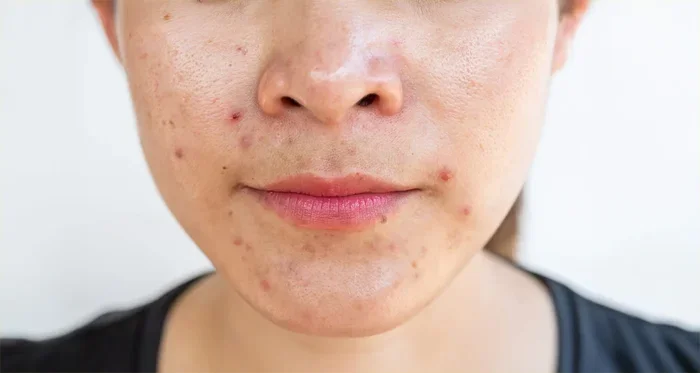
Visual guide about fresh coffee breakouts skin
Image source: bulletproof.com
Dehydrated skin can look dull, tight, and flaky. It can also overcompensate by producing more oil. That combination can contribute to clogged pores and breakouts. So hydration matters. If you love coffee, balance it with adequate water, especially if you drink more than one cup a day.
If you want a deeper dive on this specific question, you can read more in our guide on does coffee dehydrate your skin. It breaks down how fluid balance affects your complexion and what practical steps help most.
How to Keep Your Skin Hydrated While Drinking Coffee
You do not need to fear coffee to keep your skin hydrated. A few simple habits go a long way. Drink a glass of water before or after your coffee. Keep a water bottle nearby during the day. Choose lighter roasts if you prefer a gentler taste and pair your coffee with a balanced breakfast instead of skipping meals. These habits support both your energy and your skin.
Cortisol, Stress, and Breakouts: Where Coffee Fits In
Stress and acne are closely connected. When stress climbs, cortisol rises, and your skin may produce more oil. Sleep can suffer. Inflammation can increase. All of that can make breakouts more likely. Coffee can either help or hurt depending on how it affects your stress load.
For some people, a moderate cup in the morning improves focus and reduces the feeling of being overwhelmed. That can indirectly support better skin by helping them start the day calmly. For others, too much caffeine creates anxiety, racing thoughts, and poor sleep. That can raise stress and make acne worse. The difference is dose and timing, along with your personal sensitivity.
If you suspect stress is a major factor in your breakouts, look at the whole stress picture, not just coffee. Sleep, workload, exercise, and downtime all matter. Coffee is only one piece. Still, if cutting back on caffeine makes you feel steadier, your skin may thank you for it.
Signs Caffeine May Be Affecting Your Skin
You can watch for patterns without becoming obsessive. Notice whether breakouts tend to appear after periods of high caffeine intake, poor sleep, or high stress. Notice whether they calm down when you reduce coffee or move it earlier in the day. Patterns are often more useful than any single bad skin day.
- More oil or shine after heavy caffeine days: This may suggest a temporary hormone-driven response.
- Breakouts after late afternoon drinks: Sleep disruption may be part of the issue.
- Flare-ups with sugary coffee drinks: Sugar and inflammation may be the main trigger.
- Calmer skin with earlier, smaller servings: Timing and dose may be the key adjustment.
Practical Ways to Enjoy Coffee Without Worsening Acne
You do not have to choose between clear skin and your favorite drink. Most people can find a middle ground with a few thoughtful tweaks. The goal is to reduce likely triggers while keeping the parts of coffee you enjoy.
Choose a Smarter Brew
Start with the base. Black coffee or coffee with a small amount of a milk alternative is usually gentler than a sugary, heavy drink. If acidity bothers your stomach or your skin feels sensitive, try a darker roast or a low-acid blend. Cold brew can also feel smoother for some people. The preparation method changes the flavor and the compounds, which may affect how your body responds.
If you enjoy variety, experiment with brewing methods that give you a cleaner cup. A pour-over can produce a bright, clean flavor with less sediment. A French press gives a fuller body. Neither is inherently better for acne, but different methods may suit different preferences and tolerances. If you want a practical starting point for cleaner, more consistent brewing, you can explore our recommendations for the best gooseneck kettle for pour over coffee.
Watch the Add-Ins
The fastest way to reduce breakouts linked to coffee is to simplify what goes into the cup. Try these adjustments.
- Reduce sugar gradually instead of quitting cold turkey.
- Use less syrup or switch to a small amount of natural sweetener if needed.
- Test a plant-based milk if dairy seems to correlate with breakouts.
- Choose a smaller size when you want flavor without a large sugar load.
- Keep your daily caffeine amount steady rather than swinging from zero to excessive.
Time It Well
Timing can matter as much as ingredients. Many people do best with caffeine earlier in the day. An afternoon cutoff can protect sleep and reduce the stress load that sometimes shows up on the skin. If you rely on coffee for energy, consider pairing it with a balanced meal and a glass of water. That combination often feels smoother than coffee alone on an empty stomach.
Track Your Response
A simple notebook or phone note can help you spot patterns. Write down how many cups you had, what you added, how you slept, and how your skin looked over the next day or two. After a couple of weeks, review the notes. You may see a clear link, or you may find that coffee is not the problem at all. Either result is useful because it gives you a better plan.
Common Myths About Coffee and Breakouts
There is no shortage of skincare rumors. Coffee gets blamed for everything from dry skin to oily skin to hormonal chaos. Some of those claims are too broad. Here are a few common myths and what makes more sense in practice.
- Myth: Coffee automatically causes acne. Reality: Plain coffee is not a universal trigger, and many people drink it with no skin issues.
- Myth: All coffee drinks affect skin the same way. Reality: A black brew and a sugary dessert-like drink are very different.
- Myth: Cutting coffee will cure acne. Reality: Acne usually has several causes, so one change rarely solves everything.
- Myth: Caffeine is the only problem. Reality: Sugar, dairy, sleep, stress, and hydration often matter just as much.
When you separate myth from mechanism, the conversation gets clearer. Coffee can influence hormones, hydration, and inflammation, but it usually does so as part of a bigger routine. That is why broad rules are less helpful than personal observation.
When to Look Beyond Coffee
If you adjust your coffee habits and still struggle with breakouts, it may be time to widen the lens. Acne can be driven by hormones, skincare products, friction, diet, medications, and underlying health factors. A consistent routine matters. So does using products that match your skin type. So does avoiding heavy pore-clogging formulations if you are prone to congestion.
If your breakouts are painful, persistent, or leaving marks, a dermatologist can help you build a plan that targets the real causes. Sometimes the answer is a better topical routine. Sometimes it is a dietary adjustment. Sometimes it is both. Coffee may be part of the story, but it is rarely the whole story.
Key Takeaways for Clearer Skin and Better Coffee Habits
You can keep your morning ritual and still support your skin. The most useful approach is to focus on the parts of coffee culture that are most likely to cause trouble. Keep the brew simple. Reduce sugar. Pay attention to dairy if it seems relevant. Hydrate well. Protect your sleep. Watch your personal patterns instead of following generic rules.
If you want to understand one specific piece of the hydration puzzle, you can also check our article on how to store coffee filters for a different angle on keeping your coffee routine clean and consistent. A tidy routine often supports better habits overall, which can indirectly help your skin too.
In the end, the question does coffee cause breakouts has a nuanced answer. For some people, coffee is fine. For others, it is a small piece of a bigger acne puzzle. The best move is to observe, adjust, and keep what works. Your skin and your morning cup can absolutely coexist with a little attention and a few smart choices.
Frequently Asked Questions
Does coffee cause breakouts directly?
Not usually. Plain coffee is not a direct acne trigger for most people, but caffeine, sugar, dairy, and poor sleep can contribute to breakouts in sensitive individuals.
Can caffeine make acne worse?
It can for some people. Caffeine may raise stress hormones like cortisol, which can increase oil production and make acne more likely if you are already prone to it.
Is milk in coffee bad for acne?
It can be for some people. Dairy may worsen acne in those who are sensitive to it, so testing a plant-based milk can help you see whether it affects your skin.
Should I stop drinking coffee if I have breakouts?
Not necessarily. Try reducing added sugar, changing milk options, lowering your intake, or drinking coffee earlier in the day before giving it up completely.
Does coffee dehydrate your skin and cause pimples?
Coffee has a mild diuretic effect, but it does not automatically dehydrate you. Dehydration can still affect skin texture, so balance coffee with enough water throughout the day.
How long does it take to notice skin changes after cutting back coffee?
It varies, but many people notice changes within a couple of weeks if coffee or its add-ins were contributing to their breakouts. Track your skin and habits for a clearer picture.