Many coffee lovers wonder if their morning brew contributes to daily fiber goals, but the answer is more nuanced than a simple yes or no. Black coffee contains only trace amounts of fiber, yet certain brewing methods and coffee additives can significantly change the final content. Understanding how coffee interacts with your digestive system helps you make smarter dietary choices without giving up your favorite cup.
If you have ever stared at your morning mug and asked yourself, does coffee have fiber in it, you are definitely not alone. Coffee is one of the most studied beverages on the planet, yet simple nutrition questions still puzzle many everyday drinkers. We all know coffee wakes us up, fuels our mornings, and tastes fantastic, but its role in daily nutrition often gets overlooked.
The truth is that coffee and fiber have a complicated relationship. Beans themselves contain plant compounds, but the brewing process changes everything. What ends up in your cup is quite different from what sits inside the raw bean. That difference matters a lot when you are trying to understand how coffee fits into a balanced diet.
In this guide, we will break down the fiber content of coffee, explore how brewing methods change the final result, and share practical ways to make your daily cup more gut-friendly. You will walk away with clear answers and easy tips you can use right away.
Key Takeaways
- Black coffee contains minimal dietary fiber: A standard cup typically provides less than one gram, making it a negligible source compared to whole foods.
- Brewing method matters: Paper filters remove most soluble compounds, while French press or metal mesh filters allow more coffee solids to remain in your cup.
- Coffee grounds are not digestible fiber: Even though beans contain fiber, the brewing process extracts oils and flavors while leaving most insoluble fiber behind.
- Add-ins can boost fiber content: Adding chia seeds, flax, oats, or high-fiber milk alternatives transforms your drink into a more meaningful fiber source.
- Coffee supports digestion indirectly: Caffeine and antioxidants stimulate gut motility and may promote regularity, even without high fiber levels.
- Whole coffee beans differ from brewed coffee: Eating roasted beans provides more fiber, but the strong flavor and texture make it impractical for most people.
- Balance matters more than single foods: Relying on coffee for fiber is not effective, but pairing it with a fiber-rich diet supports overall gut health and wellness.
📑 Table of Contents
- Understanding the Fiber Content in Coffee
- How Brewing Methods Change Coffee Fiber Levels
- Do Coffee Grounds Contain More Fiber Than Brewed Coffee?
- Ways to Add Fiber to Your Coffee Routine
- Common Myths About Coffee and Fiber
- Expert Tips for a Gut-Friendly Coffee Habit
- Final Thoughts on Coffee and Fiber
Understanding the Fiber Content in Coffee
When people ask whether coffee contains fiber, they usually want a straightforward number. The reality is a bit more layered. Coffee beans come from a plant, and like most plant foods, they naturally contain fiber. However, fiber does not dissolve evenly into water, and that is where the confusion begins.
Most of the fiber in coffee beans stays trapped in the grounds after brewing. Hot water pulls out caffeine, antioxidants, oils, and flavor compounds, but it leaves behind much of the insoluble plant material. That means your finished cup contains only a small fraction of the original fiber found in the bean.
Here is what you should know about coffee and fiber before diving deeper:
- Black coffee is low in fiber: A typical eight-ounce cup usually contains less than one gram of dietary fiber.
- Coffee beans are richer in fiber than brewed coffee: Whole roasted beans hold more plant material, but they are not meant to be eaten in large amounts.
- Soluble compounds do make it into your cup: Some soluble plant substances pass into the brew, but they do not equal the fiber you get from fruits, vegetables, or grains.
- Your overall diet matters most: Coffee alone will not move the needle on daily fiber goals, but it can still fit nicely into a high-fiber lifestyle.
If you want to understand how your cup measures up, it helps to look at the bigger picture. Fiber is just one part of coffee nutrition, and focusing only on that single number can miss the real benefits coffee offers.
What Counts as Fiber in a Beverage?
Dietary fiber comes in two main forms. Insoluble fiber adds bulk and helps food move through your digestive tract. Soluble fiber dissolves in water and can support healthy cholesterol and blood sugar levels. When you brew coffee, you are mostly extracting water-soluble compounds, which means the fiber profile of the final drink looks different from the raw bean.
That distinction matters because many people assume any plant-based drink automatically carries a strong fiber content. Coffee does not work that way. The brewing process acts like a filter, pulling out certain nutrients while leaving others behind.
Why Coffee Alone Is Not a Fiber Source
If you are hoping to meet your daily fiber target with a few mugs of coffee, you will likely feel disappointed. The amounts are simply too small. A balanced diet needs real fiber contributors like beans, whole grains, fruits, vegetables, nuts, and seeds. Coffee can complement those foods, but it should not replace them.
Still, that does not make coffee useless for digestion. Many drinkers notice that coffee helps get things moving in the morning. That effect comes from a mix of caffeine, warm liquid, and plant compounds that gently stimulate the gut. So even if the fiber number is low, coffee can still play a supportive role in your routine.
How Brewing Methods Change Coffee Fiber Levels
Not all coffee is brewed the same way, and that matters when you think about what ends up in your cup. Different methods extract different compounds, and some leave more coffee solids behind than others. If you are curious about does coffee have fiber in it, the brewing method is one of the biggest factors to consider.

Visual guide about coffee beans and fiber
Image source: koala.sh
Paper filters tend to trap more fine particles and oils. That creates a cleaner cup, but it also removes more of the tiny coffee solids that could contribute trace amounts of fiber. Methods that use metal filters, mesh screens, or no filters at all allow more of those solids to stay in the beverage.
Here is a simple comparison of common brewing styles and how they affect what you drink:
| Brewing Method | Particle Retention | Trace Coffee Solids in Cup | General Fiber Impact |
|---|---|---|---|
| Drip with paper filter | High | Low | Very minimal |
| French press | Lower | Higher | Slightly more coffee solids |
| Espresso | Moderate | Moderate | Small amount, concentrated |
| Cold brew | Varies | Varies | Depends on filter used |
| Turkish or unfiltered coffee | Low | Highest | More grounds remain in cup |
As you can see, unfiltered or loosely filtered methods leave more coffee material in the cup. That does not suddenly turn coffee into a high-fiber drink, but it does mean the final beverage contains more plant matter than a tightly filtered drip brew.
Paper Filters vs. Metal Filters
If you use a standard drip machine with paper filters, you are getting a smoother cup with fewer suspended particles. That is great for flavor, but it also means less coffee sediment reaches your mug. Metal filters and French press screens let more fine grounds pass through, which can slightly increase the amount of plant material you consume.
Some people enjoy that fuller body and richer texture. Others prefer a cleaner cup. Neither approach is wrong. The choice mostly comes down to taste, convenience, and how much sediment you want in your drink.
Espresso and Concentrated Coffee
Espresso is brewed under pressure, which creates a bold, concentrated shot. Because the drink is smaller and denser, the amount of coffee solids per ounce can be higher than in a large mug of drip coffee. Still, the total fiber in a single shot remains modest.
If you drink espresso-based drinks, the fiber content stays low unless you add something else to the cup. Milk, cream, syrup, or fiber-rich toppings will change the nutritional profile much more than the espresso itself.
Do Coffee Grounds Contain More Fiber Than Brewed Coffee?
This is where things get interesting. Coffee grounds definitely contain more fiber than the liquid you drink. The brewing process separates flavor and aroma from the solid plant material, so the leftover grounds still hold a good portion of the original bean structure.

Visual guide about coffee beans and fiber
Image source: warmbrews.com
That sounds promising, but it does not mean you should start eating spoonfuls of spent grounds. Coffee grounds are gritty, bitter, and not especially pleasant to eat. They also contain compounds that can be harsh in large amounts. A little bit may be safe for some people, but it is not a practical way to increase fiber intake.
If you are curious about using grounds creatively, here are a few safer ideas:
- Compost them: Coffee grounds break down well and can support garden soil.
- Use them in exfoliants: Grounds can add texture to homemade skincare mixes.
- Add tiny amounts to baked recipes: Some cooks use small amounts of spent grounds in chocolate recipes for depth, though the fiber benefit remains limited.
- Avoid large servings: Eating too many grounds can upset your stomach.
So while grounds hold more fiber than brewed coffee, they are not a convenient or appealing fiber supplement. The better path is to focus on foods that naturally deliver fiber in enjoyable ways.
Why You Should Not Rely on Spent Grounds
Spent coffee grounds may look useful, but they are not a balanced food. They can be difficult to digest and may cause discomfort if you eat too much. If your goal is to raise your fiber intake, whole foods will always be the safer and tastier option.
Ways to Add Fiber to Your Coffee Routine
If you love coffee and also want more fiber, you do not have to choose between the two. You can easily turn your coffee ritual into a more fiber-friendly moment with a few simple add-ins. This is especially helpful if you already enjoy customizing your cup.
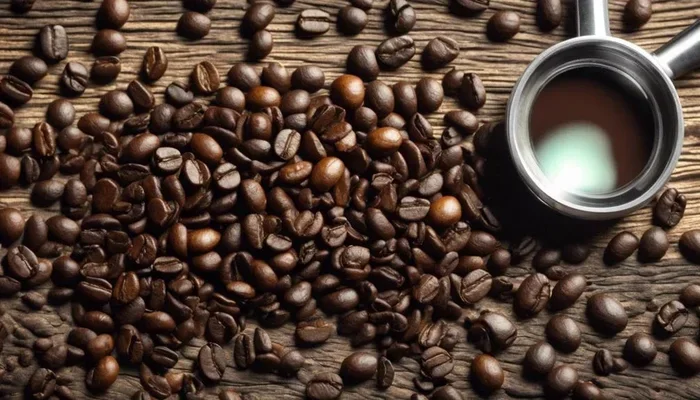
Visual guide about coffee beans and fiber
Image source: coffeeinsighthub.com
Here are practical ways to make your coffee work harder for your digestion:
- Stir in chia seeds: Chia adds soluble fiber and creates a pleasant texture when soaked.
- Add ground flaxseed: Flax contributes fiber and a mild, nutty flavor.
- Use high-fiber milk alternatives: Some plant milks contain more fiber than dairy milk, depending on the base ingredient.
- Blend in oats: A small amount of finely ground oats can thicken your drink and add fiber.
- Pair coffee with a fiber-rich breakfast: A bowl of oatmeal, fruit, or whole-grain toast does more for your fiber goals than the coffee itself.
These small changes do not turn coffee into a fiber powerhouse, but they do help. More importantly, they make your morning routine more balanced without taking away the joy of your favorite drink.
Coffee Add-ins That Support Digestion
Some add-ins do more than boost fiber. Warm drinks can help hydrate you in the morning, and certain fibers absorb water and support regularity. If you choose add-ins wisely, you can create a cup that feels more satisfying and gut-friendly at the same time.
For example, chia seeds swell when they meet liquid, which can help you feel fuller longer. Flaxseed adds a gentle source of fiber and works well in blended coffee drinks. Oats can make a cozy, thicker beverage that tastes a bit like a dessert without relying on heavy sugar.
When Coffee and Fiber Work Best Together
The best approach is to think of coffee as part of a bigger breakfast picture. A cup of coffee alongside fruit, whole grains, nuts, or yogurt gives you a much stronger fiber foundation than coffee alone. That combination supports steady energy and better digestion throughout the morning.
If you want to explore more coffee-friendly setups, you might enjoy looking into the best blender for bulletproof coffee or learning how to build a more complete morning drink that suits your taste. Small upgrades can make your routine feel more intentional and nourishing.
Common Myths About Coffee and Fiber
There is no shortage of coffee myths floating around. Some people assume coffee is packed with fiber because it comes from a plant. Others believe coffee has zero nutritional value at all. Both ideas miss the mark. The truth sits somewhere in the middle.
One common myth is that drinking more coffee automatically improves digestion because of fiber. In reality, coffee may support regularity, but that effect is not the same as getting a meaningful fiber dose. Another myth is that all brewing methods produce the same nutritional result. As we covered earlier, filters and preparation styles change what ends up in your cup.
Here are a few myths worth clearing up:
- Myth: Coffee is a strong fiber source. Reality: It contains only trace amounts in brewed form.
- Myth: Espresso has huge fiber levels. Reality: It is concentrated, but still low in fiber overall.
- Myth: Coffee grounds are a simple fiber snack. Reality: They are unpleasant to eat and not a practical source.
- Myth: Coffee harms digestion for everyone. Reality: Many people experience improved bowel movements, though sensitivity varies.
Once you separate myth from fact, it becomes much easier to enjoy coffee without confusion. You can appreciate what coffee does offer while still getting your fiber from better sources.
Why These Myths Persist
Coffee is such a daily habit for so many people that it naturally becomes part of nutrition conversations. When a beverage is consumed in large amounts, people start assigning it bigger health roles. That can lead to overstatements on both sides, with coffee praised as a miracle drink or dismissed as nutritionally empty.
A balanced view is more useful. Coffee brings flavor, comfort, antioxidants, and a mental boost. It also contributes a small amount of plant compounds to your day. Just do not expect it to replace fruits, vegetables, legumes, or whole grains.
Expert Tips for a Gut-Friendly Coffee Habit
If you want to keep your coffee habit and support your digestion at the same time, a few smart habits can go a long way. The goal is not to overhaul your life. It is to make small adjustments that feel easy and sustainable.
Start by paying attention to how your body responds. Some people tolerate coffee beautifully, while others feel jittery or experience stomach discomfort. If coffee upsets your stomach, try drinking it with food, reducing the strength, or switching to a smoother brew style.
Here are a few expert-friendly tips:
- Drink water alongside coffee: Staying hydrated supports healthy digestion.
- Avoid excessive sugar: Heavy sweeteners can overshadow the benefits of a balanced routine.
- Choose a brew you enjoy: If you like the cup more, you are more likely to keep the habit steady.
- Pair coffee with fiber-rich foods: This is the simplest way to improve your overall intake.
- Watch your timing: Some people prefer coffee after food rather than on an empty stomach.
If you are curious about broader coffee equipment and setup ideas, you may also want to explore the best all-in-one coffee maker with grinder or check out affordable coffee machines that fit your kitchen and budget. The right setup can make your routine more enjoyable without adding stress.
Listening to Your Body
Everyone digests coffee a little differently. Your ideal routine depends on your sensitivity, your breakfast habits, and your personal comfort. If coffee feels good alongside a fiber-rich meal, that is a strong sign you have found a balanced approach.
If you notice discomfort, do not force it. Adjust the strength, timing, or add-ins until your cup feels easier on your stomach. Coffee should support your day, not make it harder.
Final Thoughts on Coffee and Fiber
So, does coffee have fiber in it? The short answer is that brewed coffee contains only a small amount, not enough to count as a real fiber source. The longer answer is that coffee still deserves a place in a healthy routine because it offers comfort, flavor, and a few plant-based compounds that many people enjoy daily.
The smartest move is to stop expecting coffee to do all the heavy lifting. Instead, use it as one small part of a bigger nutrition picture. Add fiber-rich foods to your breakfast, choose brewing methods you enjoy, and pay attention to how your body responds. That way, your coffee habit becomes a pleasant part of a balanced lifestyle rather than a nutritional shortcut.
If you want to keep learning about coffee and kitchen-friendly ideas, you can also explore topics like how to measure coffee in a coffee maker or the best 2-in-1 coffee and tea maker. Little upgrades in how you prepare and enjoy coffee can make your daily ritual even better.
Frequently Asked Questions
Does coffee have any fiber at all?
Yes, but only in very small amounts. A normal cup of black coffee usually contains less than one gram of dietary fiber, so it should not be treated as a meaningful fiber source.
Which coffee has the most fiber?
Unfiltered styles like French press, Turkish coffee, or coffee made with a metal mesh filter may contain slightly more coffee solids than paper-filtered drip coffee. Still, the total fiber remains low in all brewed forms.
Can I eat coffee grounds for fiber?
You can, but it is not a great idea in large amounts. Grounds are gritty, bitter, and harder to digest, so they are not a practical or pleasant way to boost fiber intake.
Does coffee help with digestion if it has little fiber?
It can. Coffee may stimulate gut movement because of caffeine, warm liquid, and certain plant compounds. That effect is different from fiber, but many people still notice improved regularity.
What is the best way to make coffee more fiber-friendly?
Add fiber-rich ingredients like chia seeds, flaxseed, or oats, and pair your coffee with a breakfast that includes whole grains, fruit, nuts, or legumes. That combination does far more for your fiber goals than coffee alone.
Is coffee good for gut health overall?
For many people, yes, as long as it is enjoyed in moderation and fits their tolerance. Coffee can be part of a gut-friendly routine, especially when paired with hydration, balanced meals, and enough daily fiber from other foods.