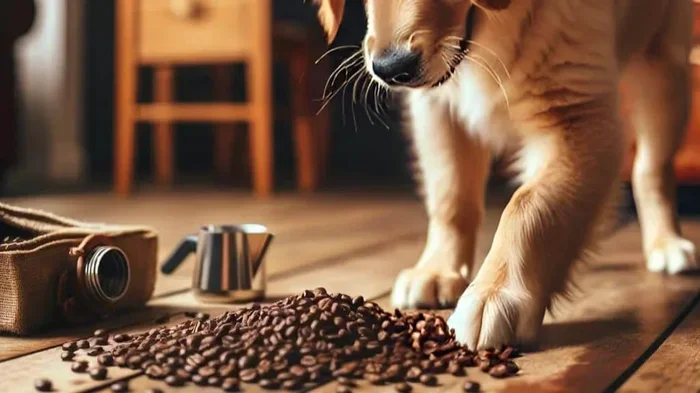
No, dogs cannot eat coffee beans under any circumstances. Caffeine is highly toxic to pets and can cause severe health issues or even death. Even a small amount can trigger dangerous symptoms like vomiting, rapid breathing, and heart problems. If your dog accidentally ingests coffee beans, contact your veterinarian immediately.
Key Takeaways
- Coffee beans are toxic to dogs: Caffeine affects a dog’s nervous system and heart, making even small amounts dangerous.
- Symptoms appear quickly: Watch for restlessness, vomiting, tremors, and rapid heartbeat within 30 to 60 minutes of ingestion.
- Size matters: Smaller dogs are at higher risk because they need less caffeine to experience severe toxicity.
- Dark chocolate pairs dangerously with coffee: Many coffee-flavored treats also contain chocolate, which multiplies the toxicity risk.
- Immediate action saves lives: Call your vet or a pet poison helpline right away if you suspect your dog ate coffee beans.
- Safe treats exist: Choose dog-friendly snacks like plain carrots, blueberries, or specially formulated pet treats instead.
- Prevention is easy: Keep coffee beans, grounds, and brewed coffee out of reach and clean up spills promptly.
📑 Table of Contents
- Can Dogs Eat Coffee Beans? The Short Answer Is No
- Why Caffeine Is Dangerous for Dogs
- Symptoms of Coffee Bean Ingestion in Dogs
- How Much Caffeine Is Too Much for a Dog?
- Coffee-Related Products That Also Pose Risks
- Safe Treat Alternatives for Coffee-Loving Pet Parents
- Common Mistakes Pet Owners Make With Coffee and Dogs
- Expert Insights on Caffeine Toxicity in Pets
- Key Takeaways for Coffee and Dog Safety
Can Dogs Eat Coffee Beans? The Short Answer Is No
You just brewed a fresh pot of coffee. The aroma fills your kitchen. Your dog trots over, sniffing the air with hopeful eyes. You wonder if sharing a single coffee bean would hurt. The truth is simple. Can dogs eat coffee beans? Absolutely not. Caffeine poses a serious threat to your furry friend.
Coffee beans contain high levels of caffeine. Dogs process caffeine much slower than humans do. Their bodies cannot break it down safely. This means the stimulant builds up in their system quickly. Even one or two beans can cause problems. The risk grows with the size of your dog and the amount consumed.
Many pet owners do not realize how dangerous common kitchen items can be. Coffee is a daily staple for millions of households. That familiarity makes it easy to overlook the risk. But your dog’s health depends on your awareness. Let’s break down exactly why caffeine harms dogs, what symptoms to watch for, and how to keep your pet safe.
Why Caffeine Is Dangerous for Dogs
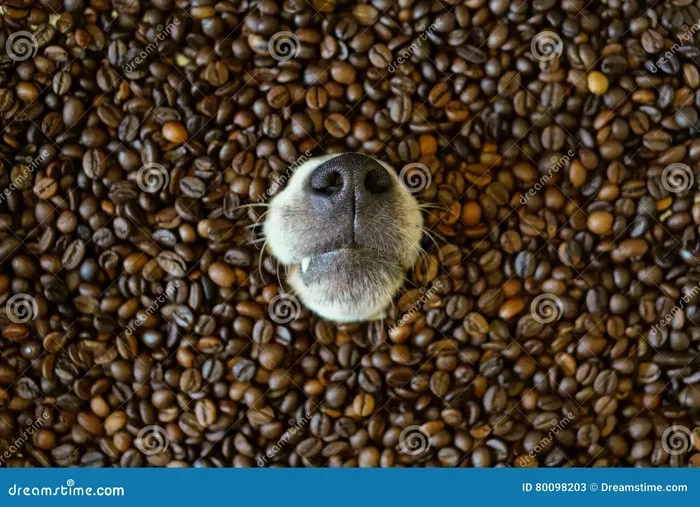
Visual guide about dog sniffing coffee beans
Image source: thumbs.dreamstime.com
Caffeine belongs to a group of compounds called methylxanthines. These substances stimulate the central nervous system and the heart. In humans, a cup of coffee might make you feel alert and focused. In dogs, the same compound triggers a cascade of harmful reactions.
Dogs have a much lower tolerance for stimulants. Their liver lacks the enzymes needed to metabolize caffeine efficiently. As a result, the chemical stays active in their bloodstream for longer. This prolonged exposure puts stress on their heart, lungs, and nervous system.
The danger comes from both the speed and the intensity of the reaction. A small dog can show severe symptoms after eating just a few beans. Larger dogs may handle a tiny amount better, but no dose is truly safe. The type of bean, the roast level, and whether the bean is ground or whole all change the caffeine concentration. But the bottom line stays the same. Coffee beans and dogs do not mix.
How Caffeine Affects a Dog’s Body
When a dog ingests caffeine, the compound binds to adenosine receptors in the brain. Adenosine normally helps regulate sleep and calmness. Blocking these receptors causes a surge of energy and alertness. In dogs, this surge quickly turns into overstimulation.
The heart rate climbs. Blood pressure rises. Breathing becomes rapid and shallow. Muscles tense up. The digestive system reacts with nausea and diarrhea. In severe cases, the nervous system becomes so overactive that seizures occur. The kidneys also work harder to flush out the toxin, which can lead to dehydration.
All of these reactions happen within a short window. Most symptoms appear within 30 to 60 minutes after ingestion. The effects can last for several hours. Without treatment, the situation can worsen rapidly. That is why quick action matters so much.
Symptoms of Coffee Bean Ingestion in Dogs
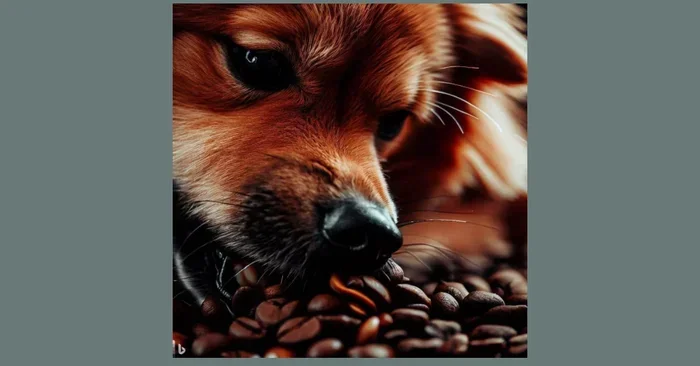
Visual guide about dog sniffing coffee beans
Image source: mycoffeebeans.net
Knowing what to look for can save your dog’s life. Caffeine toxicity in dogs shows up through a range of physical and behavioral changes. The symptoms often start mild but escalate fast. Pay close attention if you suspect your dog got into your coffee stash.
Here are the most common warning signs:
- Restlessness and pacing: Your dog cannot settle down and keeps moving around.
- Excessive panting: Rapid breathing happens even when the dog is not hot or active.
- Vomiting and diarrhea: The stomach tries to reject the toxin quickly.
- Tremors or shaking: Muscles twitch involuntarily, especially in the legs and face.
- Rapid heartbeat: You may feel a fast pulse when you place your hand on their chest.
- Dilated pupils: The eyes appear wider than normal and may seem sensitive to light.
- Whining or signs of discomfort: Your dog may vocalize more than usual or seem anxious.
In severe cases, the symptoms progress to collapse, seizures, or cardiac arrest. These outcomes are rare with prompt treatment, but they show how serious the situation can become. Dog caffeine poisoning is a real emergency. Do not wait to see if the symptoms go away on their own.
What to Do If Your Dog Eats Coffee Beans
Time is your best ally. If you catch your dog chewing on coffee beans or find empty packaging, act immediately. Follow these steps:
- Remove any remaining beans: Take the coffee source away from your dog right away. Check the floor, counters, and trash for stray beans or grounds.
- Note the amount and time: Try to estimate how many beans your dog ate and when it happened. This information helps your vet determine the severity.
- Call your veterinarian: Reach out to your vet or an emergency animal clinic immediately. Describe the situation clearly and follow their instructions.
- Do not induce vomiting unless told: Some home remedies can cause more harm. Only attempt vomiting if a professional advises it.
- Monitor closely: Watch for any changes in behavior, breathing, or movement while you arrange care.
Keep your vet’s number and a local emergency pet hospital contact saved in your phone. Having these numbers ready reduces panic and saves precious minutes. Coffee bean toxicity in dogs responds best to early intervention. The faster you act, the better the outcome.
How Much Caffeine Is Too Much for a Dog?

Visual guide about dog sniffing coffee beans
Image source: media-manager.buzzvideos.com
The exact toxic dose varies by dog size, health, and individual sensitivity. Veterinary guidelines generally consider 140 to 150 milligrams of caffeine per kilogram of body weight as potentially lethal. That number sounds high, but coffee beans pack a concentrated punch.
A single coffee bean can contain 6 to 10 milligrams of caffeine, depending on the variety and roast. Two or three beans may not kill a large dog, but they can still cause uncomfortable symptoms. For a small breed like a Chihuahua or a Yorkshire Terrier, even one bean can trigger a dangerous reaction.
The form of the coffee matters too. Whole beans release caffeine more slowly than ground coffee. Brewed coffee contains less caffeine per volume than dry beans, but dogs can still get sick from lapping up a spilled cup. Coffee grounds are especially risky because they hold a high concentration of caffeine in a small, easy-to-swallow form.
Here is a quick comparison to help you understand the risk levels:
- Small dogs (under 10 pounds): One to two beans can cause noticeable symptoms. Immediate vet care is recommended.
- Medium dogs (10 to 30 pounds): A few beans may lead to mild to moderate toxicity. Monitor closely and call your vet.
- Large dogs (over 30 pounds): More beans are needed for severe effects, but symptoms can still appear. Never ignore the risk.
Remember that these are rough estimates. Every dog reacts differently. Underlying health conditions, age, and medications can all change how a dog handles caffeine. When in doubt, always err on the side of caution. Can dogs eat coffee beans? No, and the risk is never worth testing.
Coffee-Related Products That Also Pose Risks
Coffee beans are not the only source of trouble. Many everyday items contain caffeine or combine with other toxic ingredients. Keep these hidden dangers in mind:
Coffee-Flavored Treats and Syrups
Some human snacks and desserts carry coffee flavoring. These products often contain added caffeine or chocolate. Dark chocolate and coffee together create a double threat. Chocolate contains theobromine, another methylxanthine that harms dogs. The combination multiplies the strain on your dog’s system.
Espresso Beans and Roasted Snacks
Espresso beans are usually darker and more concentrated. They sometimes get coated in sugar, chocolate, or caramel. These coatings add extra calories and toxic compounds. A dog that snatches a coated espresso bean faces both caffeine and sugar overload. The sugar can cause a rapid spike and crash, while the caffeine triggers the same dangerous stimulation.
Used Coffee Grounds and Filters
Spent grounds still hold caffeine. Dogs that raid the trash or sniff around the compost bin can easily swallow a spoonful of grounds. Filters and pods also pose a choking hazard. Even if the caffeine level is lower, the physical blockage risk remains. Keep your waste bins secured and your countertops clean.
Safe Treat Alternatives for Coffee-Loving Pet Parents
You do not have to give up sharing snacks with your dog. Plenty of safe options exist. The key is choosing treats that match your dog’s dietary needs and keep caffeine far away.
Here are some dog-friendly ideas:
- Plain carrots: Crunchy, low-calorie, and full of vitamins. Many dogs love the texture.
- Blueberries: Packed with antioxidants and safe in moderation. They make a great training reward.
- Apple slices without seeds: Sweet and refreshing. Remove the core and seeds first, since apple seeds contain trace amounts of cyanide.
- Plain pumpkin puree: Gentle on the stomach and rich in fiber. A spoonful can aid digestion.
- Commercial dog treats: Choose reputable brands that list clear ingredients and avoid added stimulants.
If you enjoy coffee while training your dog, keep your mug on a stable surface. Use a travel lid or a closed cup to prevent spills. Reward your dog with a safe treat from your pocket instead of a taste of your drink. This simple habit protects your pet and reinforces good behavior.
Quick Tips for a Caffeine-Safe Home
- Store coffee beans in airtight containers placed high on shelves or in locked cabinets.
- Clean up spilled grounds and brewed coffee immediately.
- Keep coffee makers, grinders, and pods out of curious reach.
- Teach family members and guests not to share human food with the dog.
- Check ingredient labels on snacks, syrups, and desserts before bringing them into the house.
Common Mistakes Pet Owners Make With Coffee and Dogs
Even well-meaning owners can slip up. Awareness helps you avoid the most frequent errors.
Assuming One Bean Is Harmless
Some people think a single coffee bean cannot hurt a dog. That assumption is risky. Small dogs have very low tolerance. A single bean can trigger symptoms that require veterinary care. Never test the limit.
Waiting to See If Symptoms Pass
Caffeine effects often build before they fade. Waiting at home can allow the toxin to reach dangerous levels. Early guidance from a vet can prevent a mild case from becoming a severe one. Call first, worry later.
Confusing Coffee With Decaf
Decaffeinated coffee still contains small amounts of caffeine. The levels are lower, but not zero. Some decaf products also contain additives that upset a dog’s stomach. Treat decaf with the same caution as regular coffee.
Ignoring Chocolate-Coated Beans
Many coffee snacks come wrapped in chocolate. Theobromine in chocolate adds another layer of toxicity. A dog that eats a chocolate-covered coffee bean faces two harmful stimulants at once. This combination raises the urgency for veterinary care.
Leaving Coffee Bags and Pods Within Reach
Dogs explore with their mouths. A loose bag of beans or a tray of pods looks like a toy or a snack. Keep all coffee products sealed and stored away. A few extra seconds of prevention can avoid a stressful emergency.
Expert Insights on Caffeine Toxicity in Pets
Veterinarians consistently rank caffeine among the common household toxins for dogs. The good news is that most cases are preventable. The key is understanding that dogs are not small humans. Their bodies handle chemicals differently.
Experts recommend keeping a pet poison helpline number handy. Many clinics also suggest bringing the packaging of the ingested product to the appointment. The label helps the vet identify the exact caffeine content and any other ingredients. This detail speeds up treatment decisions.
Treatment often includes inducing vomiting, administering activated charcoal, and providing IV fluids. In more severe cases, medication supports the heart and controls seizures. Most dogs recover well when treatment starts early. Delayed care increases the risk of complications.
Dog caffeine poisoning is frightening, but knowledge gives you power. You can create a safe environment and respond confidently if an accident happens. Your calm, quick actions make a real difference.
Key Takeaways for Coffee and Dog Safety
- Keep coffee beans completely out of reach. No amount is safe for dogs.
- Learn the symptoms of caffeine toxicity. Restlessness, vomiting, tremors, and rapid breathing are red flags.
- Act fast if ingestion happens. Call your vet or an emergency clinic right away.
- Watch for hidden sources. Chocolate-covered beans, grounds, and coffee-flavored snacks all carry risk.
- Choose safe treats. Carrots, blueberries, and plain pumpkin are simple, healthy options.
- Secure your kitchen routine. Store beans high, clean spills, and educate everyone in the house.
Final Thoughts on Can Dogs Eat Coffee Beans
Your dog trusts you to keep them safe. That trust starts with the choices you make in the kitchen. Coffee brings comfort to your mornings, but it brings danger to your pet. Can dogs eat coffee beans? No, they cannot. The risks are clear, the symptoms are serious, and the solution is simple. Store your beans securely, clean up spills, and offer safe treats instead. A little prevention goes a long way. Your dog will thank you with happy, healthy tail wags every single day.
Frequently Asked Questions
What happens if a dog eats one coffee bean?
A single coffee bean can cause mild to moderate symptoms, especially in small dogs. You may see restlessness, panting, or an upset stomach. Contact your vet for guidance based on your dog’s size and health.
How long does it take for caffeine toxicity to show in dogs?
Symptoms usually appear within 30 to 60 minutes after ingestion. The effects can last several hours depending on the amount consumed. Watch your dog closely and seek veterinary help if any signs appear.
Can dogs drink decaf coffee safely?
Decaf coffee still contains small amounts of caffeine and may include additives that upset a dog’s stomach. It is best to avoid giving any coffee, including decaf, to your dog. Water remains the safest drink for pets.
Is coffee grounds more dangerous than whole beans for dogs?
Used grounds still contain caffeine and are easy to swallow, which increases the risk of ingestion. Whole beans may pass through more slowly, but both forms are unsafe. Keep all coffee products secured away from your dog.
What should I do if my dog ate chocolate-covered coffee beans?
Chocolate adds theobromine, which makes the situation more dangerous than caffeine alone. Remove any remaining treats, note the amount eaten, and call your vet or an emergency clinic immediately. Quick action improves the outcome significantly.
Are there any safe coffee-flavored treats for dogs?
Most coffee-flavored human treats contain caffeine or other ingredients that are unsafe for dogs. Look for dog-specific treats with clear ingredient lists and no stimulants. When in doubt, choose plain, vet-approved snacks instead.