A typical 8-ounce cup of coffee contains roughly 116 milligrams of potassium, making it a modest but meaningful source of this vital mineral. The exact amount depends on brew strength, bean type, roast level, and serving size, so your daily cup can vary quite a bit. If you track electrolytes or manage kidney health, understanding how much potassium is in a cup of coffee helps you make smarter choices. This guide breaks down the numbers, explains what changes the content, and shows how coffee fits into a balanced diet.
If you have ever wondered how much potassium is in a cup of coffee, you are not alone. Many people drink coffee every day and want to know how it fits into their nutrition picture. The short answer is that a normal home-brewed cup gives you a small but real amount of potassium. It will not replace a banana or a baked potato, yet it still adds to your daily total in a gentle way.
This guide walks you through the numbers, the brewing factors, and the everyday choices that change the final count. You will see how bean type, roast, grind, water, and serving size all play a part. You will also learn how milk and other add-ins shift the balance, plus what this means for your daily diet. By the end, you will feel confident about where your morning cup stands.
Key Takeaways
- Standard serving size: An 8-ounce cup of brewed coffee delivers about 116 mg of potassium, which covers roughly 2-3% of the daily value.
- Brew method matters: Drip, French press, espresso, and cold brew extract minerals differently, so the final potassium count shifts with your method.
- Beans and roast influence content: Lighter roasts often retain slightly more potassium, while bean origin and grind size also play a role.
- Serving size changes the math: Large mugs, double shots, and coffee shop portions can double or triple the potassium you actually consume.
- Add-ins can alter the total: Milk, cream, plant milks, and sweeteners add their own potassium, changing the final number in your cup.
- Daily intake context: Coffee alone will not meet your potassium needs, but it can complement a diet rich in fruits, vegetables, and legumes.
- Health considerations: Most people can enjoy coffee without worry, but those on potassium-restricted diets should count it as part of their daily total.
📑 Table of Contents
- How Much Potassium Is in a Cup of Coffee: The Baseline Number
- How Much Potassium Is in a Cup of Coffee Based on Bean and Roast
- How Much Potassium Is in a Cup of Coffee When You Add Milk or Cream
- How Much Potassium Is in a Cup of Coffee in Daily Diet Context
- How Much Potassium Is in a Cup of Coffee for People Watching Their Intake
- How Much Potassium Is in a Cup of Coffee: Final Thoughts
How Much Potassium Is in a Cup of Coffee: The Baseline Number
When people ask how much potassium is in a cup of coffee, they usually mean a standard 8-ounce mug of brewed coffee made at home. For that typical serving, the potassium content lands around 116 milligrams. This number is a useful starting point, but it is not set in stone. Small changes in your routine can nudge the amount up or down.
To put that in perspective, an 8-ounce cup provides about 2 to 3 percent of the daily value most adults aim for. That is not a huge share, but it adds up over time if you drink more than one cup. If you enjoy a second mug or a large café drink, your intake climbs accordingly. The key is to see coffee as one small piece of your overall potassium picture.
Why the Number Varies From Cup to Cup
Several simple factors change the final amount. Brew time matters because longer contact between water and grounds can pull out more minerals. Water temperature also plays a role, since hotter water tends to extract more solids. The size of your grind affects surface area, which changes extraction speed. Even the mineral content of your tap water can slightly shift the result.
Here is a quick look at common reasons your cup may differ from the baseline:
- Serving size: A 12-ounce or 16-ounce mug holds more liquid, so the potassium total rises with volume.
- Brew strength: A stronger, more concentrated cup usually contains more extracted minerals per ounce.
- Bean variety: Different coffee beans can show small differences in mineral content based on soil and processing.
- Roast level: Lighter roasts often retain slightly more potassium than very dark roasts, though the gap is modest.
A Simple Comparison of Common Coffee Types
Different coffee styles do not all deliver the same potassium amount. Espresso is concentrated, but the serving is small. Drip coffee is more diluted, yet the cup is larger. Cold brew steeps for hours, which can change extraction. The table below gives a rough comparison so you can see how the style of coffee shifts the numbers.
| Coffee Style | Typical Serving | Approximate Potassium |
|---|---|---|
| Drip brewed coffee | 8 ounces | About 116 mg |
| Espresso | 1 ounce shot | About 15-20 mg per shot |
| American style espresso drink | 8 ounces, made with espresso and water | About 60-90 mg |
| Cold brew | 8 ounces | About 100-130 mg |
| Instant coffee | 8 ounces | About 60-90 mg |
These figures are estimates, not exact lab results for every brand. Still, they show a clear pattern. A full mug of drip coffee usually gives you the most potassium simply because you drink more liquid. Espresso gives you a smaller total per shot, though it tastes stronger. Instant coffee often lands lower because the brewing process is shorter and less intensive.
How Much Potassium Is in a Cup of Coffee Based on Bean and Roast
The bean itself matters more than many people expect. Coffee beans grow in different soils and climates, and those growing conditions affect mineral uptake. A bean from one region can carry a slightly different mineral profile than a bean from another region. Processing methods, such as washed or natural processing, can also influence what stays in the bean after drying.

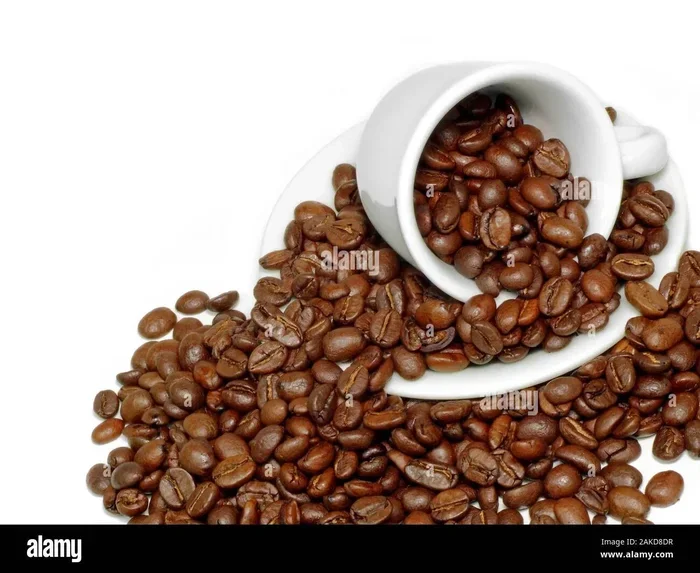
Visual guide about fresh cup of coffee beans
Image source: c8.alamy.com
Roasting changes the bean in several ways. Heat reduces moisture and alters the structure of the bean, which can affect how much of certain minerals remain. In general, lighter roasts tend to keep a bit more potassium than very dark roasts. The difference is real but usually small enough that most drinkers will not notice it in daily life. Still, if you are counting every milligram, roast level is worth keeping in mind.
Choosing Beans With a Health-Focused Mindset
If you want to make your coffee habit a little more nutrient-friendly, start with simple choices. Buy fresh beans that suit your taste, because enjoyment matters just as much as numbers. If you prefer a brighter flavor, a lighter roast may also give you a slight edge in potassium retention. If you like a bold, smoky cup, a darker roast still provides potassium, just a touch less per cup on average.
Grind size also affects extraction. A medium grind works well for drip brewing and helps pull out a balanced mix of flavor compounds and minerals. A finer grind can increase extraction, which may raise the potassium content a bit. A coarser grind can reduce extraction slightly. None of this requires a science lab. It simply means your normal brewing habits shape the final cup.
Quick Tips for a More Consistent Cup
- Use filtered water: Clean water with a moderate mineral profile helps keep extraction steady.
- Measure your coffee: A consistent coffee-to-water ratio makes your potassium estimate more reliable.
- Keep brew time steady: A repeatable routine gives you a cup that matches your usual expectations.
- Store beans well: Fresh, sealed storage protects flavor and helps maintain a stable mineral profile.
How Much Potassium Is in a Cup of Coffee When You Add Milk or Cream
Black coffee gives you the baseline number, but many people do not drink it black. Milk, cream, half-and-half, and plant-based alternatives all bring their own potassium. That means your final cup can be higher than the coffee alone. The change depends on how much you add and what you add.

Visual guide about fresh cup of coffee beans
Image source: thumbs.dreamstime.com
Dairy milk contains potassium, so a splash of milk raises the total a little. A larger pour raises it more. Cream and half-and-half have less potassium than milk per ounce, so they change the number less dramatically. Plant milks vary widely. Some are fortified, some are not, and their natural potassium levels differ by ingredient. If you want an accurate count, check the label and do a quick mental sum.
Common Add-Ins and Their Effect
- A small splash of milk: Adds a modest amount of potassium, enough to notice if you track closely.
- A few tablespoons of cream: Changes the total less than milk, but still adds a little.
- Oat milk: Often contains some potassium, though the amount varies by brand.
- Almond milk: Usually lower in potassium unless fortified.
- Soy milk: Can contribute a fair amount, depending on the product.
How to Estimate Your Real Intake
If you like a specific routine, you can estimate your cup fairly easily. Start with the coffee base, then add the milk or alternative you use most often. For example, an 8-ounce black coffee may give you about 116 milligrams. If you add a quarter cup of dairy milk, you might add another 50 to 80 milligrams, depending on the milk. The exact number is less important than the habit of noticing what goes into your cup.
This approach helps if you are balancing electrolytes, planning meals, or simply curious about your everyday intake. It also reminds you that coffee is part of a larger pattern. A cup with milk is still a modest source of potassium, not a major one. The real value comes from consistency and context.
How Much Potassium Is in a Cup of Coffee in Daily Diet Context
Most adults aim for a daily potassium intake that supports normal blood pressure, muscle function, and fluid balance. Coffee can contribute a little, but it should not be your main source. Foods like potatoes, beans, leafy greens, yogurt, bananas, and squash usually provide much more. That is good news, because it means you can enjoy coffee and still meet your needs through meals.
Visual guide about fresh cup of coffee beans
Image source: static.vecteezy.com
If you drink one cup a day, the potassium from coffee is a small bonus. If you drink three or four cups, the total becomes more noticeable. Even then, it usually remains a fraction of your daily target. The bigger question is not whether coffee provides enough potassium. The bigger question is whether your overall diet does.
Where Coffee Fits in a Balanced Day
Think of coffee as a small supporting actor, not the star of your potassium intake. A balanced day might include a breakfast with fruit or yogurt, a lunch with vegetables or beans, and a dinner that features a starchy vegetable or legume. In that pattern, coffee is just one more gentle contribution. It fits neatly without needing special attention.
If you are trying to raise your potassium intake, focus on food first. If you are trying to keep your intake steady, count coffee as part of the total. Either way, the cup in your hand is not a problem for most people. It is simply one source among many.
Expert Insights on Everyday Coffee and Minerals
Nutrition professionals often point out that coffee is more than just caffeine. It contains small amounts of several nutrients, including potassium, magnesium, and niacin. These amounts are not large, but they are not meaningless either. For regular drinkers, the cumulative effect can be noticeable over time. The key is to keep the big picture in mind.
Experts also remind us that hydration and overall diet quality matter more than any single beverage. If your meals are varied and your water intake is reasonable, a daily cup or two of coffee usually fits well. If you have specific medical concerns, it is wise to review your total intake with a clinician or dietitian. That is especially true if you are managing kidney health or taking medications that affect electrolytes.
How Much Potassium Is in a Cup of Coffee for People Watching Their Intake
Some people need to monitor potassium more closely. If you have kidney concerns or a condition that affects how your body handles electrolytes, every source counts. In that case, how much potassium is in a cup of coffee becomes a practical question rather than a casual one. The answer is still modest, but it is worth including in your daily tally.
For most people on a potassium-restricted plan, one cup is usually manageable when accounted for properly. The challenge is often not the coffee itself, but the total from all sources. A clinician may ask you to track coffee along with meals, snacks, and any supplements. Once you see the full picture, it becomes easier to make choices that feel both safe and satisfying.
Common Mistakes When Estimating Coffee Potassium
- Assuming all cups are equal: Large café drinks, double shots, and extra-strong brews can change the total a lot.
- Forgetting add-ins: Milk, cream, and plant milks add potassium, so ignoring them can lead to an underestimate.
- Relying on coffee as a main source: Coffee is a bonus, not a replacement for potassium-rich foods.
- Ignoring brew differences: Your usual method may produce a different amount than a friend’s method.
Practical Ways to Keep Track
If you want a simple system, start by estimating your usual cup. Use the standard 8-ounce baseline as a reference, then adjust for your real serving size and add-ins. If you drink more than one cup, multiply accordingly. Keep the math easy and repeatable so it does not become a burden. The goal is awareness, not perfection.
You can also note your routine on a typical day. Write down the type of coffee, the size, and what you add. Over a week, that note gives you a clear sense of your average intake. If you ever need to tighten things up, you will know exactly where to make small changes without giving up the ritual you enjoy.
How Much Potassium Is in a Cup of Coffee: Final Thoughts
So, how much potassium is in a cup of coffee? For a standard 8-ounce brewed cup, the answer is about 116 milligrams, with some variation based on beans, roast, brew method, and serving size. That makes coffee a light but genuine contributor to your daily intake. It is not a powerhouse, but it is not empty either.
The best approach is simple. Enjoy your coffee the way you like it, notice what you add, and keep the cup in context with the rest of your diet. If you want a little more potassium, look first to foods that deliver a lot more per serving. If you want to stay steady, count coffee as one small piece of the puzzle. Either way, your morning cup can stay part of a healthy, balanced routine.
If you ever want to refine your brew, small changes can make your cup more consistent. A steady ratio, a clean brewer, and a preferred roast can help your coffee taste better and behave more predictably. That makes it easier to estimate what you drink and feel good about it. In the end, coffee is one of those everyday habits that can be both enjoyable and nutritionally reasonable when you understand what is in it.
Frequently Asked Questions
Does decaf coffee have less potassium than regular coffee?
Decaf coffee usually has a similar potassium amount to regular coffee because potassium is not removed during decaffeination. The brewing method and serving size matter more than the caffeine content. You can still expect a modest potassium contribution from a cup of decaf.
Is espresso higher in potassium than drip coffee?
Espresso is more concentrated, but the serving is much smaller, so the total potassium per shot is lower than in a full mug of drip coffee. If you compare equal volumes, espresso can be richer in extracted minerals. For most people, a standard cup of drip coffee gives a larger total amount.
Do light roast and dark roast coffees differ in potassium content?
Yes, but the difference is usually small. Lighter roasts often retain slightly more potassium than very dark roasts. For everyday drinking, the change is modest, so roast preference can stay based on flavor rather than potassium alone.
Does milk or cream change the potassium in my coffee?
Yes, milk and cream add their own potassium, so your total rises a bit when you use them. Dairy milk tends to add more than cream, while plant milks vary by brand and ingredients. If you track your intake, include the add-in in your estimate.
Can coffee help me meet my daily potassium needs?
Coffee can contribute a little, but it should not be your main source of potassium. Foods like vegetables, beans, potatoes, fruit, and dairy usually provide much more. Coffee works best as a small bonus within a balanced diet.
Should I worry about potassium in coffee if I have kidney issues?
If you need to limit potassium, it is wise to count coffee as part of your daily total rather than ignoring it. For most people, a single cup is modest, but your overall intake and medical guidance matter most. If you have kidney concerns, ask a clinician or dietitian how coffee fits your plan.