
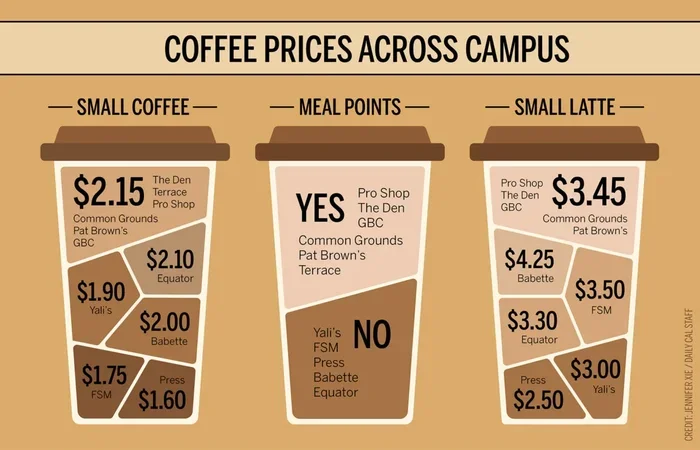
The price of a daily brew varies wildly depending on where you buy it and how you make it. A standard cup at a local cafe might run you $3 to $5, while brewing at home can drop that cost to under $1 per cup. Understanding these price differences helps you budget better and enjoy your drink without guilt. We will explore every factor that influences the final bill.
Have you ever stopped at a counter and stared at the menu board in shock? The numbers seem to climb every few months. It is not just your imagination. Inflation and supply chain issues have pushed prices up across the board. But there is more to the story than just inflation.
Understanding the real cost helps you make smarter choices. Maybe you love the convenience of a local shop. Or perhaps you prefer the quiet ritual of brewing at home. Both options have their place in your routine. We will look at the numbers behind the bean so you know exactly where your money goes.
This guide breaks down the expenses clearly. You will learn about shop prices, home brewing costs, and the hidden fees involved. By the end, you will know how to balance quality and budget effectively. Let’s dive into the details of your favorite drink.
Key Takeaways
- Cafe Prices Vary: Specialty shops charge more than chain stores due to quality and ambiance.
- Home Brewing Saves Money: Making coffee at home costs significantly less per cup than buying out.
- Bean Quality Matters: Premium beans increase the cost but offer better flavor and experience.
- Location Impacts Price: Urban centers and high-rent areas often have higher menu prices.
- Add-ons Increase Cost: Extra shots, syrups, and alternative milks add up quickly on your bill.
- Equipment Investment: Buying a good brewer costs more upfront but saves money long-term.
- Frequency Adds Up: Daily purchases can total thousands of dollars over a year.
📑 Table of Contents
Understanding Cafe Prices
Walking into a coffee shop is an experience. The smell of roasted beans fills the air. The barista greets you with a smile. But when the card reader beeps, the price might sting. Why does a simple drink cost so much at a cafe?
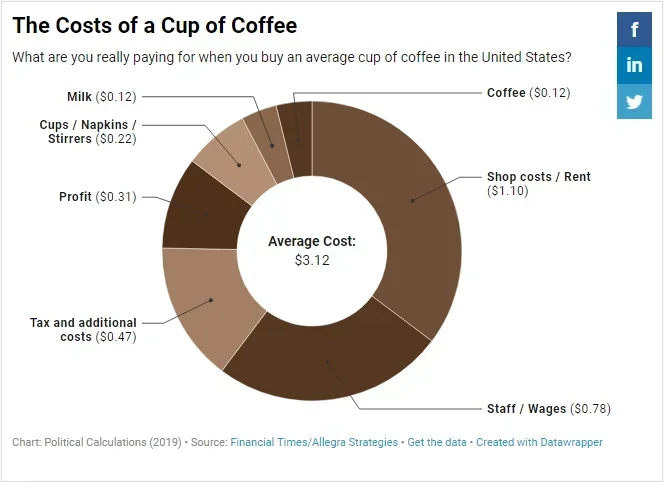
Several factors drive the price you see on the menu. Rent in city centers is high. Staff wages must be fair to keep skilled baristas. High-quality beans cost more to grow and ship. All these costs get passed down to you in the final price. A small cup might seem simple, but it represents a lot of work.
Chain stores often have different pricing than local shops. Big chains buy beans in massive quantities. This lowers their cost per unit. Local shops might pay more for ethical sourcing. They often roast in smaller batches to ensure freshness. You pay for that care and attention to detail.
Factors Influencing Shop Costs
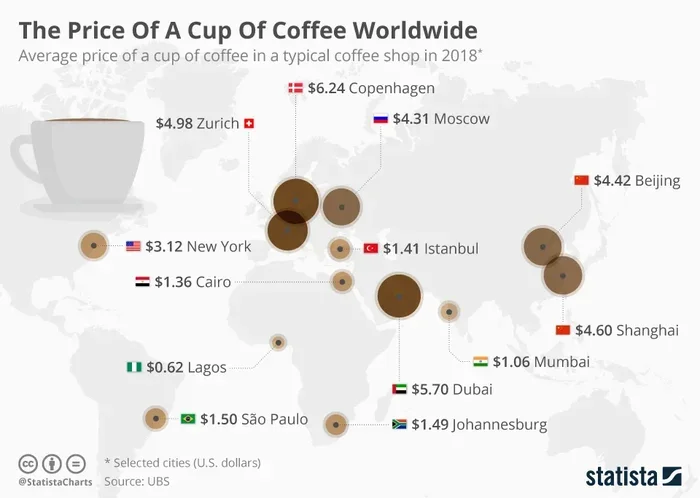
Location plays a huge role in pricing. A shop in a busy downtown area pays more for space. That cost reflects in your latte. A shop in a quiet suburb might have lower overhead. You might find better deals there. Travel costs also matter if you drive far to get your fix.
The type of drink changes the price too. A black brew is usually the cheapest item. It requires minimal labor and no extra ingredients. A complicated milk drink takes more time. Steaming milk and creating art requires skill. That skill deserves compensation. Extra shots of espresso also add to the total.
Seasonality affects the supply chain. When weather patterns hurt crops, prices rise. Farmers need fair wages to sustain their livelihoods. Ethical sourcing often means higher costs for consumers. But it ensures better quality and fair trade practices. You are supporting a global community with every purchase.
Home Brewing Expenses
Making your drink at home feels like a smart financial move. You control the ingredients. You skip the commute. But you still need to buy equipment and supplies. Is it actually cheaper? In most cases, yes.
Visual guide about cup of coffee cost
Image source: cdn.statcdn.com
The initial cost is the biggest hurdle. A good brewer or espresso machine costs money upfront. Filters, grinders, and kettles add to the bill. However, these are one-time purchases. Over time, the cost per cup drops dramatically. You amortize the equipment cost over hundreds of drinks.
Beans are your ongoing expense. Buying in bulk saves money. A large bag lasts longer than small packets. Grinding your own beans fresh improves flavor too. Freshness makes a huge difference in taste. You get cafe-quality results without the cafe markup.
Calculating Cost Per Cup at Home
Let’s do some simple math. A pound of good beans might cost $15. That pound makes about 30 cups of standard strength. That breaks down to 50 cents per cup just for the beans. Add water and electricity, and it is still under a dollar. Compare that to a $4 shop price. The savings are clear.
Equipment costs vary widely. A basic drip machine is cheap. A high-end espresso setup costs hundreds. You need to choose based on your habits. If you drink one cup a day, a simple brewer works. If you love lattes, invest in a steam wand. Match the tool to your taste.
Maintenance is another hidden cost. Machines need cleaning. Filters need replacing. Ignoring this hurts performance and flavor. A dirty machine makes bad coffee. Spend a little time and money on care. It protects your investment and ensures great taste every morning.
Comparing Commercial vs. Home Costs
It helps to see the numbers side by side. Commercial drinks include labor and profit margins. Home brewing includes mostly materials and equipment wear. The gap is significant over time. A daily habit adds up quickly.
Visual guide about cup of coffee cost
Image source: 1.bp.blogspot.com
Imagine buying one drink every workday. That is roughly 20 cups a month. At $4 per cup, you spend $80 monthly. That is nearly $1,000 a year. Home brewing that same amount might cost $20 a month. You save hundreds of dollars annually. That money could go toward better beans or other goals.
Quality is subjective though. Some people value the social aspect of a cafe. Meeting friends or working remotely has value too. You are paying for the space and the vibe. Home brewing isolates you in your kitchen. Consider what you value most in the moment.
Quick Comparison Table
Here is a simple breakdown of average costs. These numbers vary by region and brand. Use this as a general guide for your budget.
- Cafe Latte: $4.50 to $6.00 per cup
- Cafe Drip Brew: $2.00 to $3.50 per cup
- Home Drip Brew: $0.50 to $1.00 per cup
- Home Espresso: $1.00 to $2.00 per cup
- Equipment Amortization: Adds $0.10 to $0.50 per cup
As you can see, home options are much lighter on the wallet. The difference is stark over a year. But convenience has its own price tag. Sometimes paying extra for speed is worth it. Balance your budget with your lifestyle needs.
Factors That Change The Price
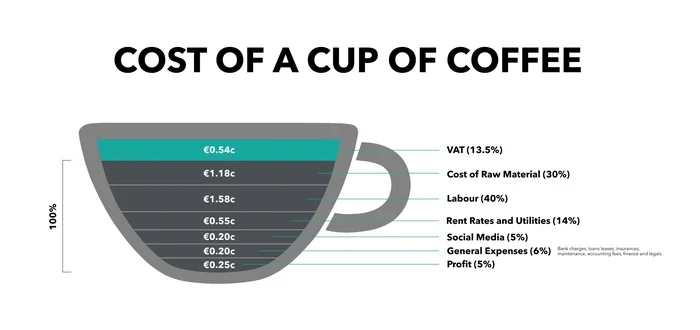
Many variables shift the final number on your receipt. Bean origin is a big one. Rare beans from specific regions cost more. They offer unique flavor profiles you cannot find elsewhere. Common blends are cheaper and consistent. Choose based on your taste preferences.
Visual guide about cup of coffee cost
Image source: theoldbarracks.ie
Roast level also matters. Dark roasts are often less expensive. They use beans that might not sell as quickly. Light roasts preserve more origin flavor. They require more careful handling during roasting. This care can increase the price slightly.
Preparation method impacts labor costs. Pour-over takes time and attention. Espresso requires expensive machines and skill. Drip brew is automated and fast. The more hands-on time required, the higher the price. You pay for the artistry and technique involved.
Hidden Costs to Consider
Tips are a significant addition to the bill. Many people tip 15% to 20% at cafes. This adds almost a dollar to a $5 drink. It is a kindness to the staff. But it increases the total cost of your visit. Factor this into your daily spending plan.
Travel costs are often ignored. Driving to a shop uses gas and time. Parking fees might apply in cities. These add up over months of daily visits. Home brewing eliminates this travel expense. You save on fuel and wear on your car.
Waste is another factor. Spilling a drink means you buy another. Brewing too much at home means throwing it out. Measure your needs to avoid waste. Use a mug that fits your usual amount. This simple habit saves money and reduces waste.
Tips to Save Money on Coffee
You do not have to give up your favorite drink to save cash. Small changes make a big difference. Start by brewing more at home. Invest in a reliable maker that fits your routine. Consistency helps you stick to the habit.
Buy beans in bulk when possible. Look for sales at local grocery stores. Online subscriptions often offer discounts too. Storing beans properly keeps them fresh longer. Airtight containers protect against moisture and air. Fresh beans taste better and last longer.
Limit expensive add-ons. Syrups and alternative milks cost extra. Stick to standard options when you want to save. Treat yourself occasionally instead of daily. This makes the treat feel special. It also keeps your budget in check.
Smart Shopping Strategies
Consider joining loyalty programs. Many shops offer points for purchases. These points turn into free drinks eventually. It rewards your loyalty without extra cost. Just do not buy more than you need to earn points.
Learn to make your favorite drinks at home. YouTube tutorials show you how to froth milk. You can mimic cafe recipes with practice. It takes time to learn but saves money. You gain a new skill along the way. Enjoy the process of learning.
Use the right equipment for your needs. A blender can make cold brew concentrates easily. Cleaning your tools ensures they last longer. If you need to dispose of an old coffee maker, do it responsibly. Recycling helps the environment and clears space.
Long-Term Financial Impact
Small daily expenses compound over time. A $5 habit daily is $1,825 a year. That is a significant amount of money. Investing that difference could grow your wealth. Think about the opportunity cost of your spending.
You could put that money into savings. Or use it for a vacation fund. Even upgrading your home brewing setup pays off. Better equipment improves taste and consistency. It makes the home experience more enjoyable. You get quality without the high price tag.
Health costs might also factor in. Some drinks are loaded with sugar. High sugar intake has long-term health implications. Brewing at home lets you control sweetness. You choose healthy ingredients for your body. This saves money on health costs later in life.
Expert Insights on Budgeting
Financial experts suggest tracking small expenses. These leaks drain your budget silently. A daily drink is a classic example. Write down your spending for a month. You will see the total clearly. Awareness is the first step to change.
Set a specific budget for your habit. Decide how many shop visits you allow weekly. Stick to that limit strictly. Enjoy the visits you do make fully. Savor the flavor and the moment. This makes the expense feel justified and planned.
Invest in quality tools that last. Cheap machines break often and cost more to replace. A durable brewer serves you for years. Look for repair options if something goes wrong. Fixing items is often cheaper than replacing them. It is a sustainable approach to spending.
Conclusion
So, how much does a cup of coffee cost? The answer depends on your choices. Cafe drinks offer convenience and social space. Home brewing offers savings and control. Both have value in your life. It is about finding the right balance for you.
Track your spending to understand your habits. Small changes lead to big savings over time. You can enjoy great flavor without breaking the bank. Whether you buy out or brew at home, appreciate the ritual. Every sip is a moment of pause in a busy day.
Make informed decisions about your daily brew. Your wallet and your taste buds will thank you. Enjoy your next cup with a clear mind. You now know the real value behind the price.
Frequently Asked Questions
Why is coffee so expensive at cafes?
Cafe prices include rent, staff wages, and high-quality beans. You also pay for the convenience and the ambiance of the space. Labor costs for skilled baristas contribute significantly to the final price.
Is it cheaper to make coffee at home?
Yes, making coffee at home is usually much cheaper per cup. You avoid labor costs and markup. The initial equipment cost pays off over time with daily use.
How much does a bag of coffee beans cost?
A standard bag of quality beans ranges from $10 to $20. Specialty or rare beans can cost more. Buying in bulk often reduces the price per ounce.
Do tips increase the cost of coffee significantly?
Tipping 15% to 20% adds a noticeable amount to your bill. On a $5 drink, a tip adds about $1. It is important to factor this into your daily budget.
What is the most cost-effective way to brew coffee?
Drip brewing with a standard machine is very cost-effective. Using a French press also keeps costs low. Avoid single-serve pods as they are more expensive per cup.
Can I save money by buying coffee beans in bulk?
Buying in bulk lowers the cost per cup significantly. Just ensure you store them properly to maintain freshness. Airtight containers help keep beans good for longer.



