
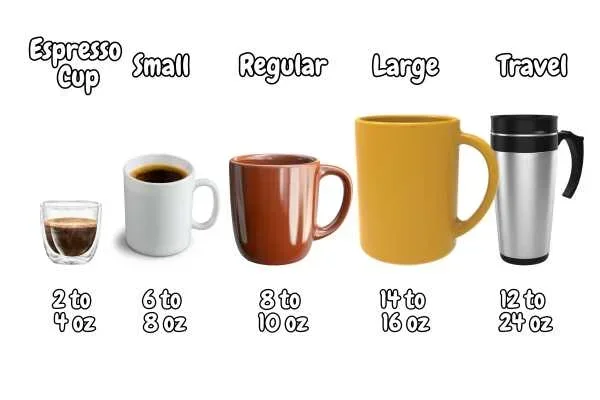
A standard coffee cup holds 8 fluid ounces, but real-world mugs often range from 10 to 12 ounces or more. The actual coffee cup size varies by country, brewing method, and personal preference. Knowing the exact coffee cup measurement helps you brew better coffee, avoid waste, and follow recipes accurately. Whether you use a small espresso cup or a large travel mug, understanding how many oz in a coffee cup makes a big difference in your daily routine.
Key Takeaways
- Standard coffee cup size: 8 fluid ounces is the baseline measurement used in most recipes and brewing charts.
- Real mugs vary widely: Most everyday coffee mugs hold 10 to 12 ounces, and some oversized cups reach 16 ounces or more.
- Country standards differ: The US uses 8 ounces, while other regions may define a cup as 6, 10, or even 250 milliliters.
- Brewing ratios depend on cup size: Using the wrong measurement can make your coffee too weak or too strong.
- Espresso and specialty cups are smaller: Espresso cups typically hold 2 to 3 ounces, while latte cups may hold 8 to 12 ounces.
- Check your mug at home: Filling a mug with water and pouring it into a measuring cup is the easiest way to find its true capacity.
- Consistency matters: Pick one standard cup size and stick with it for better coffee results every morning.
📑 Table of Contents
- How Many Oz Is a Coffee Cup? The Simple Answer
- The Standard Coffee Cup Size Explained
- How Many Oz in a Coffee Mug? Real-World Sizes
- Why Coffee Cup Measurements Matter for Brewing
- How to Measure Your Own Coffee Cup at Home
- Different Coffee Cup Sizes Around the World
- Quick Tips for Choosing the Right Coffee Cup
- Common Mistakes People Make With Coffee Cup Size
- Expert Insights for Better Home Brewing
- Key Takeaways for Everyday Coffee Drinkers
How Many Oz Is a Coffee Cup? The Simple Answer
If you have ever looked at a coffee recipe and felt confused, you are not alone. Many people ask the same question every day. How many oz is a coffee cup? The short answer is 8 fluid ounces. That is the standard size used in most cooking guides and brewing charts. It is clean. It is simple. It is easy to remember.
But real life is a bit messier. Your favorite mug at home might hold more liquid. Your office cup might be smaller. A café latte cup might look huge but only holds a certain amount. Coffee cup size is not always the same as the number on the label. That is why it helps to know the difference between a standard cup, a coffee mug, and a serving cup.
In this guide, we will break it all down in plain language. You will learn the standard measurement, why mugs vary, and how to measure your own cup at home. You will also see how cup size affects your brew, your caffeine dose, and your morning routine. By the end, you will know exactly how many oz in a coffee cup and how to use that knowledge every day.
The Standard Coffee Cup Size Explained
When people talk about a standard cup, they usually mean 8 fluid ounces. This is the number you see in most recipe books and online brewing guides. It is also the size many coffee makers use when they say one cup. So if a recipe calls for one cup of water, it usually means 8 ounces.
Visual guide about coffee cup measuring ounces
Image source: m.media-amazon.com
This standard comes from older cooking measurements. A cup was set as a simple, easy-to-use unit. Over time, 8 ounces became the common baseline in the United States. That makes it a helpful reference point for home brewers. It gives you a clear starting place for water, coffee grounds, and flavor balance.
Still, the word cup can be tricky. A measuring cup is not always the same as a drinking cup. A coffee mug is not always the same as a standard cup. That is why it helps to separate the idea of a unit of measurement from the idea of a physical mug. When you know the difference, you can brew with more confidence.
Why 8 Ounces Became the Baseline
The 8-ounce standard stuck around because it is practical. It is small enough for a comfortable drink. It is large enough to feel like a real serving. It also lines up well with typical coffee brewing ratios. For many basic brew methods, 8 ounces of water pairs nicely with about 1 to 2 tablespoons of coffee grounds.
This makes the standard coffee cup size useful for beginners. If you are just learning how to brew, 8 ounces gives you a simple rule to follow. You can scale up or down from there. Want a stronger cup? Add a little more coffee. Want a milder cup? Use a little less. The 8-ounce base keeps the math easy.
Measuring Cup vs. Coffee Mug
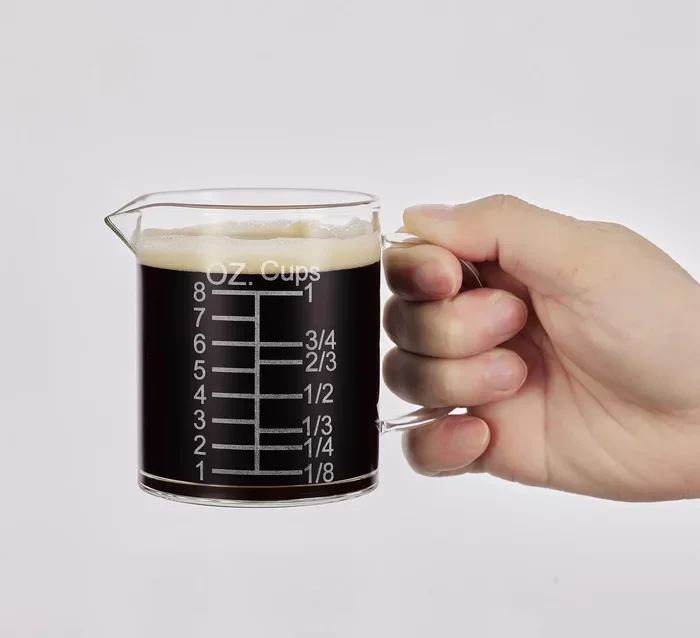
Here is where things get interesting. A measuring cup is built for accuracy. It has clear lines and a flat top. A coffee mug is built for comfort. It has a handle, a curved shape, and often a generous fill line. That means a mug can hold more than 8 ounces even if people still call it a cup.
So if you are following a recipe, use a measuring cup when the instructions matter. If you are just making your usual morning drink, your mug size is fine as long as you know what it holds. The key is consistency. Once you learn how your favorite mug brews, you can repeat that same result every day.
How Many Oz in a Coffee Mug? Real-World Sizes
Most people do not drink from lab-style measuring cups. They drink from mugs. And mugs come in many shapes and sizes. That is why the question how many oz is a coffee cup often gets a different answer in everyday life.
Visual guide about coffee cup measuring ounces
Image source: m.media-amazon.com
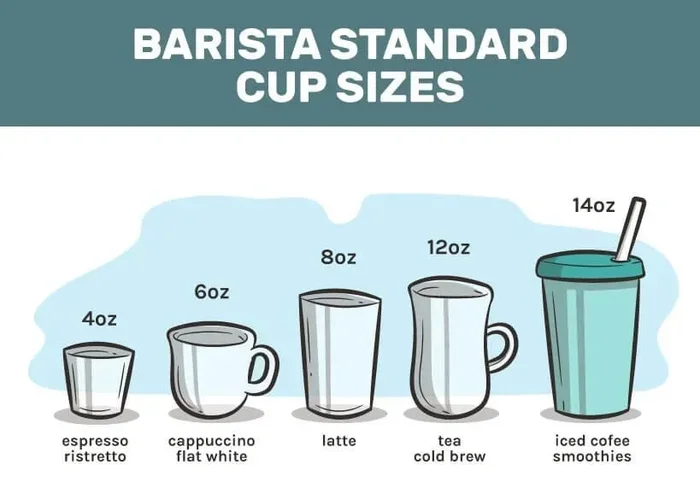
A small breakfast cup might hold around 6 to 8 ounces. A typical home mug often holds 10 to 12 ounces. Large comfort mugs can hold 14 to 16 ounces. Some extra-large novelty mugs go even higher. The shape also matters. A tall narrow mug can hold more liquid than a short wide one, even if they look similar from the side.
If you like a big mug, that is fine. Just remember that your brew strength will change if you keep using the same amount of coffee for a larger cup. More water means a lighter cup unless you add more grounds. That is the main trade-off with bigger mugs.
Small Cups and Espresso Cups
Not every coffee drink is a big mug of drip coffee. Some drinks are meant to be small and concentrated. An espresso cup usually holds about 2 to 3 ounces. That is much smaller than a standard cup. But it is perfect for a strong shot of espresso.
There are also small cappuccino cups and latte cups. These can range from 5 to 12 ounces depending on the drink. A cappuccino is often smaller than a latte because it has less milk. A latte usually has more milk, so the cup is often larger. If you enjoy café-style drinks, these smaller sizes may feel familiar.
Large Mugs and Oversized Cups
Big mugs are popular for a reason. They hold more coffee. They keep your drink warm longer. They feel cozy in your hands. Many people love a large mug for slow mornings or long work sessions.
The downside is portion control. A large mug can tempt you to pour more than you intended. It can also make your coffee weaker if you do not adjust the brew. If you use a large mug, try measuring how much water it holds once. Then match your coffee ratio to that amount. That way, you get the size you want without sacrificing flavor.
Why Coffee Cup Measurements Matter for Brewing
Brewing coffee is part art and part simple math. The amount of water you use changes the taste. The amount of coffee you use changes the strength. When you know how many oz in a coffee cup, you can make better choices about both.
Visual guide about coffee cup measuring ounces
Image source: coffeaalchemy.com
Think about a basic brew ratio. If you use too little coffee for too much water, the drink tastes thin. If you use too much coffee for too little water, the drink tastes heavy. The cup size sits right in the middle of that balance. It tells you how much water you are working with.
This is especially important if you follow a recipe or try a new brew method. A French press, a drip machine, and a pour-over setup all work better when you know your cup size. Even a small change in water volume can shift the final taste. So a clear measurement helps you repeat good results.
Brew Ratios and Cup Size
A good starting point for many brew methods is a simple ratio. For example, you might use about 1 gram of coffee for every 15 to 18 grams of water. That is a clean way to think about strength. But if you prefer home measurements, you can also think in tablespoons and ounces.
For a standard 8-ounce cup, many people start with 1 to 2 tablespoons of coffee grounds. From there, you can adjust. If your cup is larger, you may want more coffee. If your cup is smaller, you may want less. The goal is to match the coffee amount to the water amount. That is how you get a balanced cup.
Weak vs. Strong Coffee
Cup size plays a big role in strength. A 12-ounce mug filled with the same coffee dose as an 8-ounce cup will taste weaker. The flavor is spread across more water. On the other hand, if you keep the water at 8 ounces but use a bigger mug, the coffee level will be lower, but the taste may stay the same.
This is why people sometimes say their coffee tastes different at home versus at a café. The cup size may be different. The brew ratio may be different. Even the shape of the mug can change how the coffee feels. Once you understand these pieces, you can tune your drink to your liking.
How to Measure Your Own Coffee Cup at Home
If you want a clear answer for your own kitchen, you can measure your cup in just a minute. You do not need fancy tools. You just need a measuring cup or a kitchen scale. This is the easiest way to find out how many oz is a coffee cup in your own home.
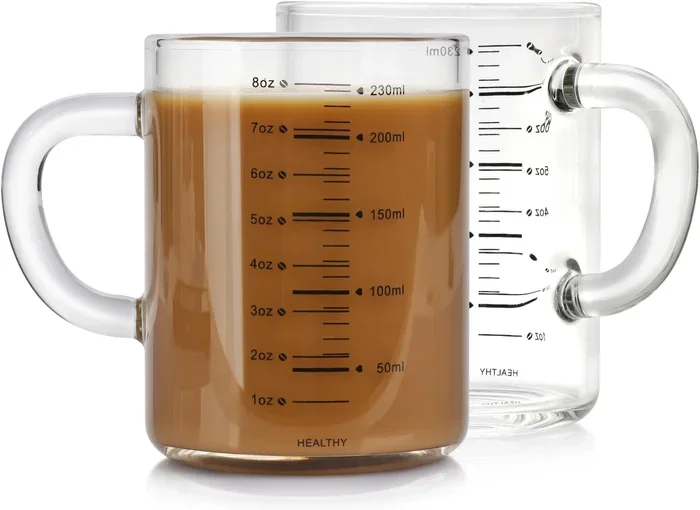
Start with a liquid measuring cup. Fill your coffee mug with water all the way to where you normally drink. Then pour that water into the measuring cup. Read the number. That is your real mug capacity. If you want more precision, you can weigh the water instead. One fluid ounce of water weighs about 1 ounce, so the math is simple.
This little test is useful because many mugs are not labeled. Some are handmade. Some are odd shapes. Some hold more than they look like they should. Once you know your mug size, you can make better brewing decisions every morning.
Using a Measuring Cup
A liquid measuring cup is the simplest tool for this job. Pour slowly. Read the line at eye level. Write down the number. If you have more than one mug, test each one. You may be surprised by how different they are.
This method works well because it matches how you actually use the mug. You are not measuring the absolute maximum capacity. You are measuring the amount you really pour. That makes it more useful for daily brewing.
Using a Kitchen Scale
A scale gives you a more exact result. Place your empty mug on the scale. Tare it to zero. Fill the mug with water to your normal level. Read the weight. If you want fluid ounces, you can convert easily because water has a simple weight-to-volume relationship.
Scales are especially helpful if you like precise brewing. If you weigh your coffee and water, you can build a repeatable routine. That is a great habit if you want the same taste every day.
Different Coffee Cup Sizes Around the World
Coffee culture is global, and cup sizes are not identical everywhere. In some places, a cup may be closer to 6 ounces. In others, people think in metric units and use milliliters. That means the question how many oz is a coffee cup can have more than one answer depending on where you are.
In the United States, 8 ounces is the common reference. In other regions, people may use a smaller cup for espresso or a larger cup for filter coffee. Some café drinks are also served in much larger sizes than a traditional cup. Travel mugs, takeaway cups, and novelty cups all add more variety.
This matters if you read international recipes or visit cafés in different countries. A recipe from another region may assume a different cup size. If you know that, you can adjust your water and coffee amounts with confidence.
Metric Cup vs. US Cup
The US cup is usually 8 fluid ounces. The metric system often uses milliliters instead. A common metric cup is 250 milliliters, which is a bit more than 8 ounces. That small difference can matter if you are trying to be precise.
If you use a metric recipe, check whether it means 250 milliliters or a smaller cup. A few milliliters may not change your morning coffee much, but in careful brewing, those details add up. When in doubt, measure your water directly instead of relying on the word cup alone.
Café Sizes and Takeaway Cups
Café cups can be confusing because they are often sold by names, not exact measurements. A small, medium, or large drink may mean different amounts at different shops. Takeaway cups also come in many sizes. Some are designed for hot drinks, and some are designed for iced drinks.
If you want to compare café drinks to home coffee, focus on the actual ounces rather than the name. That makes it easier to understand what you are drinking. It also helps you recreate a similar size at home if you like a certain café serving.
Quick Tips for Choosing the Right Coffee Cup
The best cup for you depends on how you drink coffee. There is no single perfect size. There is only the size that fits your routine. Here are a few simple tips to help you choose.
- Match the cup to your drink: Use a smaller cup for espresso and a larger one for milk drinks or long coffee sessions.
- Think about heat retention: A thicker mug may keep coffee warm longer, while a thin cup may cool faster.
- Check the handle and weight: A comfortable mug makes your morning easier, especially if you drink while working or reading.
- Know your fill level: Fill to the same line each time if you want consistent flavor.
- Keep a favorite size in mind: Once you find a mug size you enjoy, use it often so your brewing stays familiar.
If you often make coffee for one person, a single-cup setup may be a good fit. If you like a larger morning drink, choose a mug that matches that habit. The goal is comfort, consistency, and good taste.
Common Mistakes People Make With Coffee Cup Size
A few simple mistakes can throw off your coffee routine. Most of them come from assuming every cup is the same. Once you spot these traps, it gets easier to avoid them.
- Assuming all mugs are 8 ounces: Many are larger, so the brew can turn out weaker than expected.
- Using the same coffee dose for every mug: Bigger mugs usually need more coffee if you want the same strength.
- Confusing serving size with mug size: A recipe cup and a drinking mug are not always equal.
- Pouring without measuring when trying a new brew: A quick measurement at the start helps you learn what works.
- Ignoring the effect of milk and ice: Added ingredients change the total volume and the final taste.
These mistakes are easy to fix. Measure once. Adjust your coffee amount. Then keep your routine steady. Small changes like these can make a big difference over time.
Expert Insights for Better Home Brewing
If you want a better cup, think in terms of habits, not perfection. The best brewing routine is the one you can repeat. Here are a few practical ideas from experienced home brewers.
First, pick a standard starting size. Use 8 ounces as your base if that works for you. If your mug is larger, adjust from there. A clear starting point makes it easier to learn what tastes good.
Second, keep your grind and water amount consistent. If you change too many things at once, it is hard to tell what improved the coffee. Change one thing at a time. That makes your results easier to understand.
Third, taste with purpose. If a cup feels too weak, add a little more coffee next time. If it feels too strong, use a little more water or a little less coffee. Your palate is one of the best tools you have.
Finally, do not overcomplicate it. Coffee should be enjoyable. A simple routine with a known cup size and a steady brew ratio can give you excellent results. You do not need fancy gear to make a good drink. You just need a little consistency.
Key Takeaways for Everyday Coffee Drinkers
Here is the main idea to remember. How many oz is a coffee cup depends on context. The standard measurement is 8 ounces. Your actual mug may be larger. Espresso cups are smaller. Café sizes can vary. The best approach is to know your own cup and brew around it.
When you understand your mug size, you can make better coffee at home. You can keep your strength consistent. You can follow recipes more accurately. You can also avoid wasting coffee by guessing. That makes your morning simpler and more enjoyable.
So the next time you reach for your favorite mug, think about the amount inside it. Measure it once if you are unsure. Then use that number as your guide. With a little attention, you can turn a basic cup of coffee into a reliable daily ritual.
Frequently Asked Questions
How many oz is a standard coffee cup?
A standard coffee cup is usually 8 fluid ounces. This is the most common measurement used in recipes and brewing guides. Keep in mind that your actual mug may hold more or less than that.
How many oz in a coffee mug?
Most coffee mugs hold between 10 and 12 ounces, though some are smaller or larger. The best way to know for sure is to fill your mug with water and measure it. That gives you the real capacity you use every day.
Is a coffee cup the same as a measuring cup?
Not always. A measuring cup is made for accurate amounts, while a coffee mug is made for drinking. A standard measuring cup is often 8 ounces, but a mug can be bigger even if people still call it a cup.
Why does coffee cup size matter when brewing?
Cup size affects how much water you use, which changes the strength and flavor of the coffee. If you use the same amount of coffee for a larger cup, the drink may taste weaker. Matching coffee to water helps you get a balanced cup.
How many ounces is an espresso cup?
An espresso cup is usually much smaller than a regular coffee cup, often about 2 to 3 ounces. That size fits a concentrated shot of espresso better than a large mug would. Larger milk drinks like lattes use bigger cups.
How can I tell how many oz my favorite mug holds?
You can fill the mug with water and pour it into a liquid measuring cup. The amount you see is the mug’s usable capacity. If you want more precision, you can also weigh the water on a kitchen scale.



