Many people think dark coffee packs more caffeine, but the truth is quite different. The roast level changes flavor and body, yet it barely shifts the caffeine content in your cup. Light roasts often keep slightly more caffeine because they spend less time in the heat. Let’s break down what really matters for your daily energy kick.
Key Takeaways
- Roast level is not the main caffeine driver: Light, medium, and dark roasts all deliver similar caffeine when brewed the same way.
- Light roasts may hold a tiny edge: Shorter heat exposure preserves a bit more caffeine, though the difference is small.
- Bean type and brew method matter more: Robusta beans and certain brewing styles change caffeine far more than roast color.
- Measure by weight, not volume: Darker beans are less dense, so scooping can change caffeine per cup.
- Grind size and water temperature shape extraction: Finer grinds and hotter water pull more caffeine into your drink.
- The best cup depends on taste and routine: Pick the roast you enjoy, then adjust brew variables for your preferred strength.
📑 Table of Contents
- Does Darker Coffee Have More Caffeine? The Short Answer
- How Roasting Changes Coffee Beans
- Light Roast vs Dark Roast Caffeine Levels
- What Really Determines Caffeine in Your Cup
- Robusta vs Arabica and Other Bean Factors
- Brew Method and Extraction Matter More
- Measuring Coffee the Right Way for Consistent Caffeine
- Does Darker Coffee Have More Caffeine in Espresso and Large Mugs
- Choosing the Best Roast for Your Energy and Taste
- Practical Ways to Get More or Less Caffeine
- Common Myths About Roast and Caffeine
- Final Thoughts on Does Darker Coffee Have More Caffeine
Does Darker Coffee Have More Caffeine? The Short Answer
You have probably heard the old idea that darker coffee means more caffeine. It sounds simple. The darker the roast, the stronger the kick. But the reality is more nuanced. Caffeine does not increase with roast darkness in any meaningful way. In fact, the differences are so small that most drinkers will not notice them.
The color of your beans tells you about flavor, not caffeine. Dark roasts taste bold, smoky, and rich. Light roasts taste brighter, fruitier, and lighter. Those flavor shifts come from heat and time in the roaster. Caffeine stays fairly stable through the process. So if you are chasing energy, the roast alone will not solve the puzzle.
What really changes your caffeine intake is the bean, the brew, and how you measure it. A dark roast brewed weak can have less caffeine than a light roast brewed strong. The good news is that you can control these factors easily. Once you know the basics, you can build a cup that fits your taste and your energy needs.
How Roasting Changes Coffee Beans
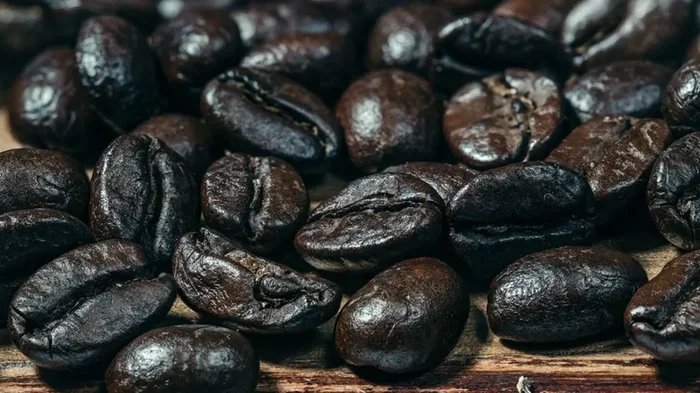
Roasting transforms green coffee beans into the aromatic beans you grind at home. Heat drives off moisture. It also creates the flavors we love. As the roast goes longer, the bean changes in color, size, and density. That is why a dark roast looks oily and feels lighter than a light roast of the same variety.
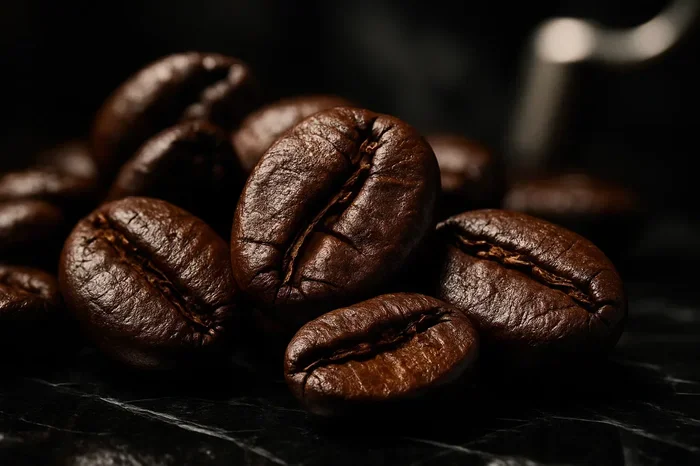
Visual guide about dark roasted coffee beans
Image source: fnb.coffee
Heat affects flavor more than caffeine. Long roasts break down acids and sugars. They create chocolate, caramel, and toast notes. Short roasts keep more of the bean’s original character. You get brighter notes, more acidity, and a lighter body. Neither path adds caffeine. Both paths simply reveal different sides of the same bean.
There is a small detail worth knowing. Caffeine is stable under roasting temperatures, but a tiny amount can break down during very long, very hot roasts. The loss is minor. For everyday drinkers, it is not enough to change how you feel after a cup. The bigger story is about taste and texture, not a caffeine spike.
Light Roast vs Dark Roast Caffeine Levels
People often ask about light roast vs dark roast caffeine because the answer feels counterintuitive. If you weigh your beans, the caffeine is nearly the same. If you scoop them, the numbers shift a bit. That is because dark roast beans are less dense. A scoop of dark roast holds fewer beans than a scoop of light roast. Fewer beans can mean slightly less caffeine per scoop.
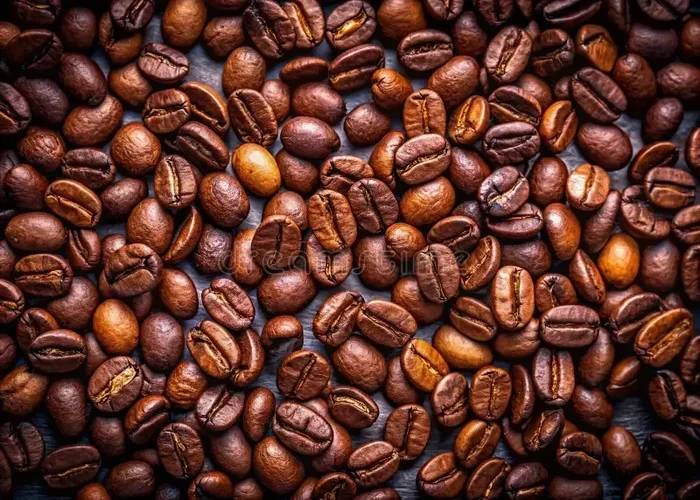
Visual guide about dark roasted coffee beans
Image source: thumbs.dreamstime.com
On the other hand, if you brew by weight, the difference almost disappears. A gram of light roast and a gram of dark roast deliver close caffeine numbers. Many coffee lovers notice a small edge for light roasts in blind tests, but the gap is tiny. It is not the kind of difference that will change your day.
Here is a simple way to think about it:
- By weight: Light and dark roasts give similar caffeine.
- By scoop: Light roasts may give a touch more caffeine because the beans are denser.
- By taste: Dark roasts taste stronger, but taste is not the same as caffeine content.
So the next time you hear that dark coffee is stronger in caffeine, remember that strength on the tongue is not strength in the cup. Flavor and caffeine are related, but they are not the same thing.
What Really Determines Caffeine in Your Cup
If roast color is not the main factor, what is? Several variables work together. The bean variety is a big one. Some beans naturally contain more caffeine than others. The brew method matters a lot too. Water contact time, grind size, and temperature all change how much caffeine ends up in your mug.
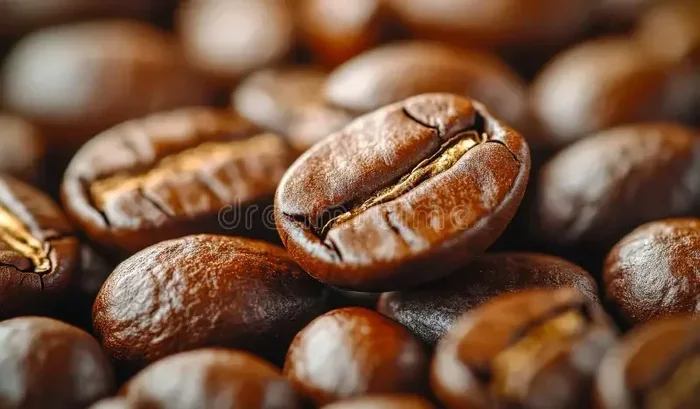
Visual guide about dark roasted coffee beans
Image source: thumbs.dreamstime.com
Let’s look at the main drivers:
- Bean type: Some varieties are naturally higher in caffeine.
- Brew method: Long extraction methods can pull more caffeine.
- Grind size: Finer grinds increase surface area and extraction.
- Water temperature: Hotter water can extract more caffeine.
- Coffee-to-water ratio: More coffee per cup usually means more caffeine.
This is where many people get tripped up. They pick a dark roast expecting a bigger buzz, then brew it weak with cool water and a coarse grind. The result is a bold-tasting cup with modest caffeine. If you want a stronger effect, focus on ratio and extraction first. A lighter roast brewed strong can outpace a dark roast brewed mild.
For a deeper dive on measuring your grounds, you can read our guide on how to measure coffee in a coffee maker. Getting the ratio right is one of the easiest ways to control your caffeine.
Robusta vs Arabica and Other Bean Factors
Not all beans are created equal. Arabica and Robusta differ in caffeine, and that difference is bigger than any roast effect. Robusta beans usually contain more caffeine than Arabica beans. They also taste more bitter and earthy. Many espresso blends use some Robusta for body and crema, while many specialty drinks lean on Arabica for flavor.
If you want more caffeine from the bean itself, the variety matters more than the roast. A light roast Arabica may have less caffeine than a dark roast Robusta, simply because of the bean. That is why two cups that look and taste very different can deliver different caffeine totals. The bean is the starting point, and the roast is the finish.
Other factors also play a role. Growing altitude, soil, and processing can shift caffeine slightly. Even the same farm can produce beans with small variations from year to year. These differences are real, but they are subtle. For most drinkers, the practical move is to choose a bean you enjoy and then adjust the brew to match your goals.
Brew Method and Extraction Matter More
The way you brew coffee changes caffeine more than the roast does. Methods with longer water contact time tend to extract more caffeine. A French press, a drip brewer, or a percolator can all pull a good amount into the cup. Espresso is concentrated, but the serving is small, so the total caffeine per drink can be lower than a large mug of drip coffee.
Grind size and temperature are powerful levers. Finer grinds expose more surface area. That helps water pull out more compounds, including caffeine. Hotter water also increases extraction. If you brew too cool or too fast, you may leave caffeine behind. If you brew too hot or too long, you may pull out bitter flavors you do not want. Balance is key.
If you love smooth, rich drinks, you might enjoy a burr coffee grinder for pour over. Consistent grinds help you control extraction and avoid uneven cups. For those who like extra body and richness, a ground coffee machine with milk frother can make a creamy cup that still fits your caffeine target.
Quick tips for better extraction:
- Use fresh beans and grind right before brewing.
- Match grind size to your method.
- Keep water in a good range for your brew style.
- Adjust the coffee-to-water ratio to tune strength.
Measuring Coffee the Right Way for Consistent Caffeine
Consistency starts with how you measure. Scoops are easy, but they can be misleading. Dark roast beans are puffier and less dense. A scoop can hold fewer beans, which can lower caffeine per cup. If you want the same caffeine each morning, weighing your coffee is the most reliable approach.
A simple scale removes guesswork. You can keep your ratio steady and adjust slowly until the cup feels right. If you prefer scoops, use the same scoop every time and keep your grind and brew method consistent. That way, your cup stays predictable even if the roast changes.
If you want a stronger cup without changing the roast, try a small ratio increase. Add a bit more coffee to the same water. Or grind a touch finer. Or brew a little longer. These tweaks often do more for caffeine than switching from light to dark. For a practical starting point, check our article on how many scoops of coffee per cup of water.
Common mistakes to avoid:
- Assuming dark roast always means more caffeine.
- Changing roast but ignoring ratio and grind.
- Using different scoops or inconsistent measures.
- Brewing with water that is too cool for your method.
Does Darker Coffee Have More Caffeine in Espresso and Large Mugs
Serving size changes the story. A small espresso shot is intense, but it may hold less total caffeine than a large mug of drip coffee. A dark roast espresso can taste very bold, yet the total caffeine depends on the shot volume and the beans used. A large mug of light roast drip can deliver more caffeine simply because there is more liquid in the cup.
This is why people sometimes feel confused. They drink a dark, intense espresso and expect a huge boost. Then they compare it to a lighter, milder mug that somehow keeps them going longer. The difference is often total caffeine, not roast color. The mug size, the brew method, and the bean all add up.
If you like quick, strong drinks, you might explore a single serve coffee and espresso maker. It can help you make both styles at home with consistent results. If you prefer a big morning cup, focus on ratio and brew time first, then choose the roast that tastes best to you.
Choosing the Best Roast for Your Energy and Taste
The best roast is the one you will enjoy enough to drink consistently. If you love bold, smoky flavors, a dark roast can be a great fit. If you prefer bright, clean notes, a light roast may be your favorite. Either way, you can tune your caffeine by adjusting the brew. Choose for flavor first, then fine-tune for energy.
Think about your day and your routine. If you need a steady lift, a medium roast with a solid brew ratio can be a nice middle ground. If you want a smoother start, a lighter roast with a balanced brew may suit you. If you like a rich finish, a darker roast with a slightly stronger brew can hit the spot. The options are flexible, and that is a good thing.
Expert insight: many baristas suggest starting with a brew you enjoy, then changing one variable at a time. Move the ratio, then the grind, then the time. That approach helps you find the sweet spot without making the cup bitter or weak. It also keeps your caffeine more predictable from day to day.
Practical Ways to Get More or Less Caffeine
If you want more caffeine, start with the easiest levers. Use a bit more coffee. Grind a little finer. Brew a little longer. Choose a bean that naturally carries more caffeine. These steps can raise your intake without changing the roast. If you want less caffeine, do the opposite. Use a bit less coffee. Grind a little coarser. Brew a little shorter. Or blend in a decaf option.
A few simple ideas:
- For more caffeine: increase the coffee-to-water ratio slightly.
- For more caffeine: use a finer grind suited to your brewer.
- For less caffeine: shorten the brew time a bit.
- For less caffeine: try a half-caf blend for a gentler lift.
You can also think about your equipment. A machine that keeps coffee hot can help you enjoy a steady cup without rebrewing. If that matters to you, see our picks for a coffee maker that keeps coffee hot. For a setup that fits a busy kitchen, you might like a coffee and microwave station for office use or home workspaces.
Common Myths About Roast and Caffeine
There are a few stubborn myths worth clearing up. One is that dark roast always has more caffeine. Another is that light roast is always weaker. Both are too simple. The truth sits in the middle. Roast changes flavor and body. Caffeine stays fairly steady, with only small changes that depend on how you measure and brew.
Another myth is that a bitter taste means more caffeine. Bitterness can come from roast, over-extraction, or the bean itself. It is not a reliable caffeine meter. A smooth cup can still carry plenty of caffeine. A bitter cup can have less than you think. Taste is a clue, but it is not the whole story.
The best habit is to judge your cup by both flavor and routine. If you feel great and enjoy the taste, you are on the right track. If you want more or less kick, adjust the brew first. That is usually the fastest path to the cup you want.
Final Thoughts on Does Darker Coffee Have More Caffeine
So, does darker coffee have more caffeine? Usually not in any meaningful way. Roast color changes flavor, aroma, and body. It does not dramatically change caffeine. Light roasts can hold a slight edge when you scoop, but the difference is small. The biggest levers are bean type, brew method, ratio, grind, and serving size.
If you want a stronger lift, focus on how you brew. If you want a milder start, trim the ratio or time. If you want the best taste, choose the roast you love and make it consistent. That way, your morning cup becomes both enjoyable and predictable.
The next time you shop for beans, think about flavor first and caffeine second. Then use simple brew tweaks to shape your energy. With a little practice, you can make a cup that tastes great and fits your day perfectly.
Frequently Asked Questions
Does darker coffee have more caffeine than light coffee?
Not really. The caffeine difference between dark and light roasts is very small. Light roasts may keep a little more caffeine when measured by scoop, but the gap is minor in real life.
Why does dark roast taste stronger if it has similar caffeine?
Dark roast tastes bolder because heat creates deeper, smokier flavors and reduces acidity. Taste strength is about flavor, not caffeine content. A bold taste can still come from a cup with average caffeine.
Do Robusta beans have more caffeine than Arabica beans?
Yes, Robusta beans usually contain more caffeine than Arabica beans. That difference is larger than the effect of roast level. Bean type is one of the biggest natural factors in caffeine content.
Does brew method change caffeine more than roast?
Yes, brew method often matters more. Longer water contact, finer grinds, and a stronger coffee-to-water ratio can increase caffeine more than switching from light to dark roast.
How can I get more caffeine without changing roast?
You can use a bit more coffee, grind finer, or brew a little longer. Choosing a bean with naturally higher caffeine also helps. Small changes in ratio and extraction often make the biggest difference.
Is a scoop of dark roast weaker than a scoop of light roast?
It can be, because dark roast beans are less dense. A scoop may hold fewer beans, which can lower caffeine per cup. Weighing your coffee gives a more consistent result across roasts.