
Brewing a full pot starts with the right measurements. For a standard 12-cup coffee maker, you need about 12 to 14 tablespoons of ground coffee to achieve a balanced, flavorful cup. Using the golden ratio of 1:16 ensures your morning brew never tastes weak or bitter. We will walk you through simple measuring tricks, grind size tips, and common mistakes to avoid so you can enjoy perfect coffee every single day.
Making a large pot of coffee feels simple until you stare at the empty filter basket. You wonder if you added enough grounds. You worry the brew will taste weak or watery. The good news is that how much coffee grounds for 12 cups has a clear answer. You just need a reliable ratio and a quick measuring habit. Once you learn the basics, your morning routine becomes fast and consistent.
Many home brewers guess the amount and hope for the best. That approach leads to uneven results. Some days the coffee tastes bright and bold. Other days it tastes thin and flat. A simple measuring system removes the guesswork. You can brew with confidence and enjoy a steady flavor profile. We will break down the exact measurements, show you easy ways to scoop or weigh your grounds, and share practical tips that keep your pot tasting fresh.
Before we dive into the details, it helps to understand why the ratio matters so much. Coffee grounds hold flavor compounds that dissolve in hot water. Too few grounds and the water pulls out very little taste. Too many grounds and the brew turns harsh and heavy. The right balance gives you a smooth cup with clear notes and a pleasant finish. Let us explore the numbers and methods that make a perfect 12-cup pot.
Key Takeaways
- Standard Ratio: Use 12 to 14 tablespoons of coffee grounds for a full 12-cup pot to get a balanced flavor.
- Golden Rule: Follow the 1:16 coffee-to-water ratio for consistent, rich results every time.
- Grind Size Matters: A medium grind works best for drip brewers and prevents over-extraction or under-extraction.
- Scoop vs. Scale: A kitchen scale gives the most accurate measurements, but standard scoops work fine for daily brewing.
- Adjust to Taste: Increase grounds for stronger coffee or decrease them if you prefer a lighter, milder cup.
- Water Quality: Fresh, filtered water improves flavor and helps your coffee grounds release their full aroma.
- Clean Equipment: Rinse your carafe and filter basket regularly to avoid stale oils that ruin fresh brews.
📑 Table of Contents
- How Much Coffee Grounds for 12 Cups: The Simple Ratio
- Measuring Coffee Grounds Without Guesswork
- Choosing the Right Grind for a 12-Cup Pot
- Adjusting Strength: Strong, Medium, and Light Batches
- Water, Filters, and Other Details That Change Flavor
- Fast Reference: Coffee Amounts for Different Preferences
- Expert Insights for Consistent Results
- Common Questions Home Brewers Ask
- Final Thoughts on Brewing a Full Pot
How Much Coffee Grounds for 12 Cups: The Simple Ratio
The easiest way to measure coffee is to use a standard ratio. Most coffee experts recommend a 1:16 ratio. That means one part coffee to sixteen parts water. A 12-cup coffee maker usually holds about 60 ounces of water. You can do the math quickly. Sixty ounces equals roughly 1.8 liters. At a 1:16 ratio, you need around 110 to 115 grams of coffee. That amount translates to about 12 to 14 tablespoons for most home brewers.
This range works well for a medium-strength cup. If you like a bolder morning brew, push the amount toward 14 tablespoons. If you prefer a lighter sip, drop to 12 tablespoons. The ratio gives you a solid starting point. You can adjust from there based on your taste. Many people find that small changes make a big difference. A single extra tablespoon can turn a mild cup into a rich, satisfying drink.
Understanding the Golden Ratio
The golden ratio keeps your brew balanced. It prevents weak coffee and avoids bitter over-extraction. You do not need fancy tools to use it. A simple measuring cup and a tablespoon work fine. If you want more precision, a small kitchen scale helps. Weighing your grounds removes guesswork and gives you the same result every time. That consistency matters when you brew for family or guests.
Why 12 Cups Needs a Clear Measurement
Large batches magnify small mistakes. A tiny measurement error in a single cup barely changes the flavor. The same error in a 12-cup pot changes the whole brew. That is why many people ask how much coffee grounds for 12 cups before they start. A clear measurement keeps the flavor even from the first cup to the last. It also helps you plan for breakfast gatherings, office mornings, or quiet weekends with extra coffee on hand.
Measuring Coffee Grounds Without Guesswork
You can measure coffee in several ways. Each method has pros and cons. The best choice depends on your routine and your tools. Some people love speed. Others want precision. You can pick the method that fits your morning pace.
Visual guide about fresh coffee grounds brewing
Image source: bestcafesingapore.com
Using Tablespoons and Scoops
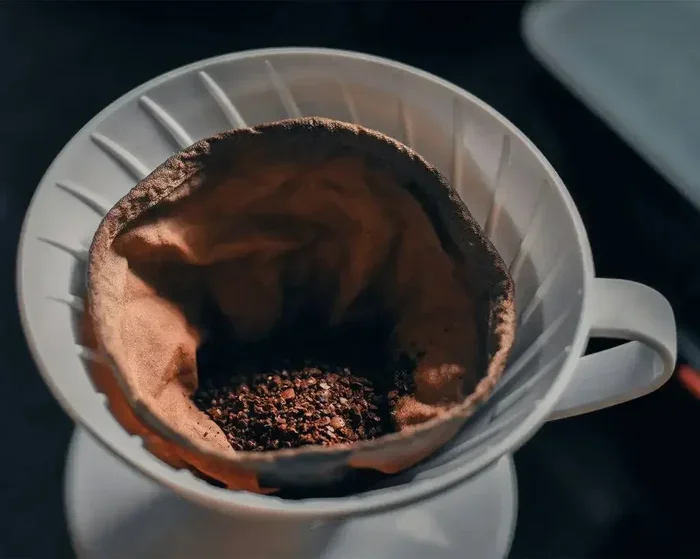
The tablespoon method is quick and familiar. Most kitchens already have measuring spoons. For a 12-cup pot, use 12 to 14 level tablespoons of medium-ground coffee. A standard coffee scoop usually holds about two tablespoons. That means you need six to seven scoops for a full pot. This method works well when you want a fast, reliable brew. Just keep your scoops level for consistent results.
Weighing Coffee for Precision
A kitchen scale gives you the most accurate measurement. You can weigh your grounds before you brew and hit the exact ratio you want. For a 12-cup pot, aim for 110 to 115 grams of coffee. This approach helps if you change bean types or grind sizes often. Different beans pack differently in a spoon. Weight stays steady. Many coffee lovers switch to scales once they want more control over their daily cup.
Quick Tips for Measuring
- Level your spoons instead of heaping them for a steady flavor.
- Use the same scoop each time to keep your ratio consistent.
- Check your machine markings because some 12-cup labels vary by brand.
- Start with 12 tablespoons and adjust upward if you want a stronger pot.
Choosing the Right Grind for a 12-Cup Pot
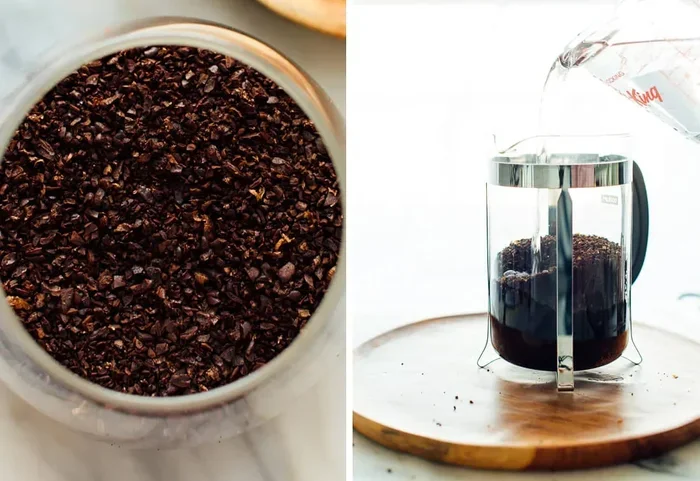
Ground size changes how water moves through the coffee. A grind that is too fine can clog the filter and create a bitter taste. A grind that is too coarse can let water rush through and produce a weak cup. For a standard drip brewer, a medium grind works best. It feels similar to sand and flows evenly through the basket.
Visual guide about fresh coffee grounds brewing
Image source: cookieandkate.com
If you grind your own beans, aim for a steady, even texture. Inconsistent grounds can lead to mixed extraction. Some particles brew faster than others. That can make the flavor uneven. A burr grinder usually gives a more uniform result than a blade grinder. If you buy pre-ground coffee, look for bags labeled for drip coffee. That grind is designed for the flow rate of most home machines.
How Grind Size Affects Strength
Grind size changes extraction speed. Finer grounds expose more surface area to the water. That means the water pulls flavor out faster. Coarser grounds expose less surface area. The water needs more time to extract the same amount of flavor. For a 12-cup pot, a medium grind keeps the water moving at a steady pace. You get a clean brew without harsh notes or watery spots.
Matching Grind to Your Brewer
Not every machine behaves the same way. Some brewers push water through quickly. Others drip slowly. If your pot tastes weak, try a slightly finer grind. If it tastes bitter or harsh, try a slightly coarser grind. Small changes help you fine-tune the flavor. This is especially useful when you brew a large batch and want every cup to taste balanced.
Adjusting Strength: Strong, Medium, and Light Batches
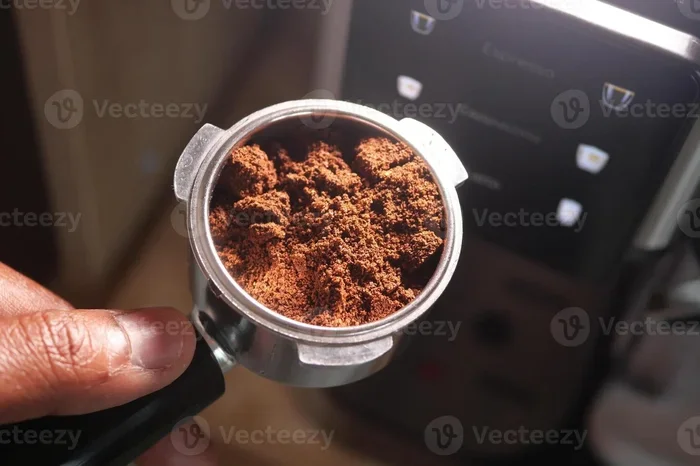
Not everyone wants the same strength. Some people love a bold morning cup. Others want a gentle, easy sip. You can adjust your coffee grounds to match your preference. The base ratio stays the same, but the total amount changes a little. That flexibility makes home brewing so practical.
Visual guide about fresh coffee grounds brewing
Image source: static.vecteezy.com
Making a Stronger Pot
To make a stronger 12-cup pot, add an extra tablespoon or two of coffee. You can move from 12 tablespoons to 14 or even 15 if you want a rich, heavy body. Strong coffee does not have to taste bitter. The key is to keep the water ratio steady and avoid over-roasting the grounds during brewing. A medium grind still works well. You simply increase the coffee amount while keeping the water level the same.
Making a Lighter Pot
If you prefer a mild cup, reduce the grounds slightly. Try 11 or 12 tablespoons for a 12-cup pot. This creates a softer flavor with less intensity. Light coffee can taste smooth and easy to drink. It works well for afternoons or for guests who want a gentle brew. You can also use a coarser grind to slow extraction a little and keep the flavor soft.
Common Mistakes When Changing Strength
- Adding too much coffee can make the pot muddy and overly intense.
- Using too little coffee can leave the brew thin and flat.
- Changing grind and amount at the same time makes it hard to know what helped.
- Ignoring water level can throw off the ratio and weaken the flavor.
Water, Filters, and Other Details That Change Flavor
Coffee grounds do not work alone. Water quality, filter type, and machine cleanliness all affect the final cup. A great measurement still tastes off if the water tastes stale or the filter blocks flow. Paying attention to these details helps your 12-cup pot taste fresh and smooth.
Water Quality Matters
Coffee is mostly water. If your tap water has a strong taste or heavy minerals, your coffee will reflect that. Filtered water usually gives a cleaner flavor. It lets the coffee notes shine without extra noise. Many brewers notice a big improvement when they switch to fresh, cold water instead of hot tap water. Cold water also helps the machine heat the brew more evenly.
Filter Choices and Flow
Paper filters catch more oils and fine particles. That creates a cleaner cup with a lighter body. Reusable mesh filters let more natural oils pass through. That can give the coffee a fuller feel. Both options work well for a 12-cup pot. The key is to use the right size and keep the filter seated properly. A bent or misaligned filter can change the brew flow and affect extraction.
Keeping the Machine Clean
Old coffee oils build up in the basket, carafe, and internal parts. Those oils can turn rancid and dull the flavor of fresh grounds. A quick rinse after each use helps a lot. A deeper clean every so often keeps the machine performing well. If you want a brighter, cleaner taste, clean equipment matters just as much as the coffee measurement.
Fast Reference: Coffee Amounts for Different Preferences
The table below gives a quick guide for a 12-cup pot. Use it as a starting point and adjust to your taste. These numbers assume a standard drip brewer and a medium grind.
| Preference | Tablespoons | Approx. Grams | Notes |
|---|---|---|---|
| Light | 11 to 12 | 100 to 110 | Soft flavor, easy to drink |
| Medium | 12 to 13 | 110 to 115 | Balanced, everyday brew |
| Strong | 14 to 15 | 125 to 135 | Bold, rich body |
This quick reference helps you choose a starting amount without overthinking it. If you want a reliable daily cup, the medium range is a safe bet. If you know your preference, move up or down by a tablespoon or two. Small changes are easier to control than large jumps.
Expert Insights for Consistent Results
Experienced brewers focus on consistency. They keep their ratio steady, use fresh beans, and track small changes. That approach makes it easy to repeat a great cup. You do not need to be a coffee pro to use the same habits. A few simple routines can improve your results right away.
Start With Fresh Beans
Fresh coffee gives a clearer flavor and a better aroma. Old grounds lose volatile compounds and taste flat. If you buy whole beans, grind them close to brew time. If you use pre-ground coffee, keep the bag sealed and use it within a reasonable window. Freshness makes the measurement work better because the grounds still hold their flavor potential.
Keep Your Ratio Steady
Once you find a strength you like, keep the ratio steady. That makes your morning predictable. You can still change beans, roast level, or brew time, but the base measurement stays the same. This is one of the easiest ways to get repeatable results with a 12-cup machine.
Taste and Tweak
Your taste is the final judge. If the coffee feels too sharp, reduce the grounds a little or use a coarser grind. If it feels thin, add a small amount of coffee next time. Taste feedback matters more than any rule. The numbers guide you, but your palate decides the final result.
Common Questions Home Brewers Ask
Many people have similar questions when they brew a large pot. The answers below cover the most common concerns. They can help you fine-tune your routine and avoid small mistakes that affect flavor.
Does the 12-cup marking on my machine match real cups?
Not always. Many machines use a smaller cup size than a standard mug. A labeled 12-cup pot may hold less than 12 full mugs of coffee. Check the water reservoir or product guide if you want a precise volume. For most home brewers, planning for about 60 ounces of water is a safe starting point.
Can I use the same amount for all coffee beans?
Most beans work well with the same base ratio. However, different roasts and origins can taste stronger or softer even at the same measurement. Dark roasts often taste bolder, while light roasts can taste brighter and lighter. You may want to adjust slightly based on the bean, but the standard range still works well.
Should I measure before or after grinding?
Measure before grinding if you want the most control. Whole beans take up a little more space, but weight stays accurate. If you measure after grinding, the volume can change based on grind size and packing. A scale removes this problem because weight stays steady no matter how the grounds settle.
What if my coffee tastes bitter?
Bitter coffee often comes from too much extraction. Try using slightly less coffee, a coarser grind, or a shorter brew time if your machine allows it. Clean equipment also helps because old oils can add harsh notes. A small adjustment usually fixes the flavor quickly.
What if my coffee tastes weak?
Weak coffee usually means the brew needs more extraction. Add a tablespoon more coffee, use a slightly finer grind, or check that the water level matches your ratio. Fresh beans and clean water can also improve the result. Start with one change at a time so you can tell what helped.
Is a scale better than a scoop?
A scale gives more precision, but a scoop works well for everyday brewing. If you want the same result every day, a scale helps. If you want speed and simplicity, a level tablespoon or standard scoop is enough. Both methods can produce great coffee when you stay consistent.
Final Thoughts on Brewing a Full Pot
Finding how much coffee grounds for 12 cups does not have to feel complicated. A simple ratio, a steady measuring habit, and a medium grind give you a strong foundation. From there, you can adjust strength, refine the flavor, and build a routine that fits your day. The best part is that small changes make a noticeable difference. One extra tablespoon, a cleaner carafe, or fresh filtered water can turn an average pot into a great one.
Use the 12 to 14 tablespoon range as your starting point. Weigh your grounds if you want precision. Keep your ratio steady once you find a flavor you love. Taste each batch and tweak it little by little. That approach makes your coffee more reliable and more enjoyable. With a few simple habits, you can brew a full 12-cup pot that tastes balanced from the first sip to the last.