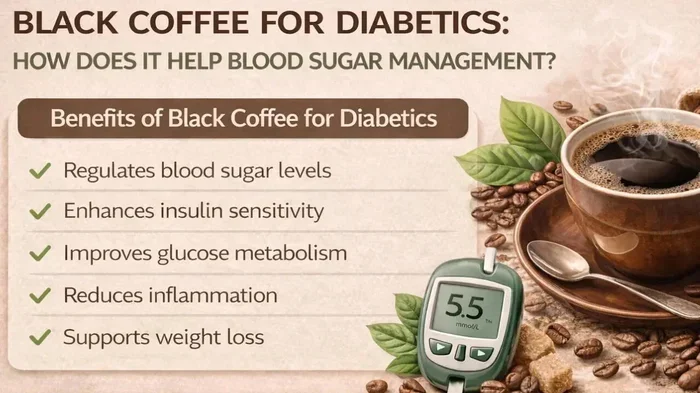
Does black coffee spike insulin? The short answer is usually no, but it depends on your body. Black coffee contains almost zero calories and carbs. This means it rarely causes a direct rise in blood sugar levels. However, caffeine can affect insulin sensitivity in some people. If you have type 2 diabetes, you should monitor your glucose response closely. Understanding this link helps you manage your metabolic health better.
Many people start their day with a fresh cup of coffee. It gives you energy. It wakes up your brain. But you might worry about your health. You may ask, does black coffee spike insulin? This is a common question. Many people want to manage their weight. Others want to control their blood sugar. Coffee seems simple. It is just water and beans. But it affects your body in complex ways.
The good news is that black coffee is very low in calories. It has almost no carbohydrates. Carbs are what usually raise blood sugar. When blood sugar goes up, insulin goes up. So, plain coffee should be safe. However, caffeine is a stimulant. It changes how your hormones work. This can impact your metabolism. We will explore this deeply. You will learn how coffee fits into a healthy lifestyle.
Key Takeaways
- Black coffee has negligible calories: It does not directly raise blood sugar or insulin in most healthy individuals.
- Caffeine affects insulin sensitivity: Short-term caffeine intake may temporarily reduce how well insulin works.
- Additives matter most: Sugar, milk, or cream in coffee are the real culprits that spike insulin levels.
- Individual responses vary: People with type 2 diabetes may experience different glucose responses compared to healthy adults.
- Timing plays a role: Drinking coffee before meals might influence how your body handles carbohydrates.
- Long-term benefits exist: Regular coffee consumption is linked to a lower risk of developing type 2 diabetes.
- Moderation is key: Limiting intake to 2-3 cups helps avoid potential negative effects on cortisol and stress.
📑 Table of Contents
How Black Coffee Affects Blood Sugar
Let’s look at the basics first. Black coffee is basically water with coffee compounds. It has less than five calories per cup. It has zero grams of sugar. It has zero grams of fat. It has very little protein. Because of this, it does not directly feed your cells glucose. Glucose is the main fuel for your body. When you eat carbs, your blood sugar rises. Your pancreas releases insulin. Insulin helps move glucose into your cells.
Since black coffee lacks carbs, it does not trigger this process directly. Studies show that plain coffee does not raise blood glucose levels in most people. This is great for anyone watching their sugar intake. If you drink it without additives, you avoid a sugar spike. This makes it a good choice for low carb diets. It also fits well into keto diets. You can enjoy the taste without the metabolic cost.
The Role of Carbohydrates
Carbohydrates are the main driver of insulin. When you eat bread or sugar, insulin goes up. Coffee beans do not contain significant carbs. The brewing process does not add carbs. So, the liquid itself is safe. You do not need to worry about the coffee beans causing a spike. The risk comes from what you add to the cup.
Calorie Content and Insulin
Insulin responds to energy intake. High calorie meals require more insulin. Black coffee is nearly calorie-free. This means your body does not need to work hard to process energy. It remains in a fasting-like state. This is why many people drink it before workouts. It provides energy without breaking a fast.
The Impact of Caffeine on Insulin Sensitivity
Here is where it gets interesting. While coffee does not have sugar, caffeine affects your hormones. Caffeine is a stimulant. It wakes up your nervous system. It also releases adrenaline. Adrenaline is a stress hormone. This hormone tells your liver to release stored glucose. This happens so you have energy for action.

Visual guide about Black coffee insulin spike
Image source: shunketo.com
In some cases, this can raise blood sugar slightly. More importantly, caffeine can reduce insulin sensitivity. This means your cells do not respond as well to insulin. Your body might need more insulin to handle the same amount of sugar. This effect is usually temporary. It happens shortly after drinking coffee. For healthy people, this is not a big problem. Your body adjusts quickly.
Short-Term Effects
Research suggests a short-term dip in sensitivity. This occurs within an hour of consumption. If you drink coffee with a meal, your blood sugar might stay higher for longer. This is important for people with type 2 diabetes. Their bodies already struggle with insulin. Adding caffeine might make control harder. However, tolerance builds over time. Regular drinkers often see less of this effect.
Long-Term Adaptation
Your body adapts to regular caffeine intake. The receptors become less sensitive to the stimulant. The adrenaline response becomes smaller. This means the impact on insulin decreases. Long-term coffee drinkers often maintain normal sensitivity. Some studies even show improved sensitivity over time. This is due to other compounds in coffee.
Why Additives Change Everything
Many people do not drink pure black coffee. They add sugar, milk, or cream. This changes the health profile completely. Sugar is a simple carbohydrate. It enters your blood very fast. This causes a sharp insulin spike. Even a teaspoon of sugar adds carbs. Flavored syrups are often full of high fructose corn syrup. These are very bad for blood sugar control.
Visual guide about Black coffee insulin spike
Image source: images.tv9gujarati.com
Milk contains lactose. Lactose is a natural sugar. It affects blood sugar less than white sugar. But it still has an effect. Cream has less sugar but more fat. Fat slows down digestion. This can blunt the spike but adds calories. If you want to avoid spikes, keep it plain. Or use safe sweeteners like stevia.
Common Coffee Additives
Here are common things people add to coffee:
- White Sugar: Causes a rapid glucose and insulin response.
- Brown Sugar: Similar to white sugar with a slight flavor difference.
- Flavored Syrups: Often contain high amounts of processed sugar.
- Whole Milk: Adds lactose and calories, moderate impact on glucose.
- Heavy Cream: Low carb but high fat, minimal glucose impact.
- Plant Milks: Almond or coconut milk are lower in carbs than oat milk.
If you add these, black coffee becomes a sugary drink. This defeats the purpose of drinking it for health. Always check the labels on flavored creams. Many are hidden sugar sources.
Coffee and Type 2 Diabetes Risk
There is a lot of research on coffee and diabetes. Interestingly, long-term studies show a benefit. People who drink coffee regularly have a lower risk of type 2 diabetes. This seems contradictory. If caffeine reduces sensitivity, why is the risk lower? The answer lies in the antioxidants.

Visual guide about Black coffee insulin spike
Image source: cms.patrika.com
Coffee is rich in polyphenols. These are plant compounds. They reduce inflammation in the body. Inflammation is a key driver of diabetes. Chronic inflammation harms insulin function. By reducing inflammation, coffee helps protect your metabolism. Chlorogenic acid is another compound. It slows down carbohydrate absorption. This helps prevent blood sugar spikes after meals.
Antioxidants and Metabolism
Oxidative stress damages cells. This includes the cells that make insulin. Coffee provides high levels of antioxidants. These protect your pancreatic cells. This supports long-term metabolic health. It is not just about the caffeine. The whole beverage works together. Decaf coffee also shows benefits. This proves caffeine is not the only factor.
Epidemiological Evidence
Large population studies support this link. Thousands of people were tracked over years. Those who drank 3-4 cups daily had lower diabetes rates. This was compared to non-drinkers. The effect was consistent across different groups. This suggests a strong protective relationship. It does not mean coffee cures diabetes. But it may help prevent it.
Tips for Drinking Coffee Without Spiking Insulin
You can enjoy coffee safely. Follow these simple tips. They help you manage your blood sugar levels. You do not need to give up your morning brew. Just make smart choices.
Choose Black or Use Alternatives
The best option is plain black coffee. It has no carbs. If you need sweetness, try natural sweeteners. Stevia and erythritol do not raise blood sugar. Avoid agave or honey. They are still sugars. Use unsweetened almond milk if you need creaminess. It has fewer carbs than dairy milk.
Monitor Your Timing
Pay attention to when you drink coffee. Drinking it before a high carb meal might affect sensitivity. Try drinking it between meals. This reduces the interaction with food. If you have diabetes, test your blood sugar. See how your body reacts. Everyone is different.
Limit Your Intake
Too much caffeine causes stress. High stress raises cortisol. Cortisol raises blood sugar. Stick to 2 or 3 cups per day. This keeps caffeine levels manageable. It also prevents sleep issues. Poor sleep hurts insulin sensitivity too.
Stay Hydrated
Coffee is a diuretic. It makes you pee more. Dehydration can affect blood sugar readings. Drink water alongside your coffee. This keeps your body balanced. Proper hydration supports kidney function. It helps flush out excess glucose too.
Common Mistakes to Avoid
Many people make mistakes with coffee. They think it is healthy so they can add anything. This is not true. The base is healthy. The additives make it unhealthy. Avoid loading your cup with sugar. Avoid drinking it late in the day. This affects your sleep quality. Sleep is crucial for hormone balance.
Another mistake is ignoring personal response. Some people are sensitive to caffeine. They feel jittery. Their heart rate goes up. This stress response can raise glucose. Listen to your body. If you feel stressed, cut back. Switch to decaf if needed. Decaf gives you the antioxidants without the stimulant.
Expert Insights on Coffee and Hormones
Experts agree on moderation. Nutritionists suggest viewing coffee as a tool. It is not a medicine. It is a beverage. Use it to support your habits. Do not rely on it to fix poor diet choices. A healthy diet matters more. Exercise also improves insulin sensitivity. Coffee works best with a healthy lifestyle.
Researchers continue to study the compounds. They want to know exactly how chlorogenic acid works. They study how roasting affects the chemicals. Lighter roasts may have more acids. Darker roasts are smoother. Both have health benefits. The key is consistency. Drink it regularly but in moderation.
Conclusion
So, does black coffee spike insulin? For most people, the answer is no. Black coffee itself has almost no carbs. It does not directly raise blood sugar. However, caffeine can temporarily affect sensitivity. This is usually minor for healthy adults. The real risk comes from what you add. Sugar and cream change the profile.
If you have type 2 diabetes, be careful. Monitor your response. Choose black coffee or use safe sweeteners. Enjoy the antioxidants. They help protect your long-term health. Drink in moderation. Stay hydrated. Combine coffee with a healthy diet. This way, you enjoy your cup without worry. Your metabolism will thank you.
Frequently Asked Questions
Does black coffee break a fast?
Technically, black coffee has negligible calories. It usually does not break a fast metabolically. However, caffeine can trigger a minor stress response. If you are strict about autophagy, water is safer. For weight loss, black coffee is generally acceptable.
Can caffeine raise blood sugar levels?
Caffeine can cause a temporary rise in blood sugar. It releases adrenaline which signals the liver to release glucose. This effect is short-term. Regular drinkers often develop a tolerance to this response.
Is decaf coffee better for insulin sensitivity?
Decaf coffee removes most of the caffeine. This avoids the temporary sensitivity drop. It still contains antioxidants like chlorogenic acid. These compounds support long-term metabolic health. Decaf is a good option for sensitive individuals.
What sweeteners do not spike insulin?
Natural sweeteners like stevia and erythritol do not raise blood sugar. They are not metabolized like glucose. Avoid honey, agave, and maple syrup. These are still forms of sugar that trigger insulin.
How many cups of coffee are safe per day?
Most experts suggest 2 to 3 cups daily. This provides benefits without excessive caffeine. Too much can lead to anxiety and sleep problems. Poor sleep negatively affects insulin sensitivity. Listen to your body’s tolerance.
Does coffee help prevent type 2 diabetes?
Long-term studies show a link between coffee and lower diabetes risk. The antioxidants reduce inflammation. This protects insulin function over time. However, coffee is not a cure. It works best as part of a healthy lifestyle.