Getting your coffee strength right starts with one simple question: how many tablespoons of coffee grounds per cup? The standard rule is about two tablespoons of coffee for every six ounces of water, but you can easily adjust this based on your taste. In this guide, you will learn exact measurement ratios, brewing tips for different methods, and common mistakes to avoid so you can enjoy a balanced, flavorful cup every time.
Making a great cup of coffee does not have to feel like a science experiment. You just need a simple starting point and a little room to adjust. Most coffee lovers begin with the same basic question: how many tablespoons of coffee grounds per cup should I use? Once you know that number, you can tweak it until the flavor matches your taste.
Think of your coffee ratio like a recipe. Too little coffee and the drink tastes thin and watery. Too much coffee and it turns bitter or overwhelming. The sweet spot sits somewhere in the middle, and that middle is easier to find than you might think. You do not need fancy tools to get started. A standard kitchen tablespoon and a normal mug are enough for a solid first try.
In this guide, we will walk through the classic measurement, show you how to adjust for different brew styles, and share practical tips that make your morning routine smoother. By the end, you will feel confident measuring your grounds and making a cup that tastes just right.
Key Takeaways
- Standard Ratio: Use two tablespoons of coffee grounds for every six ounces of water as a reliable starting point.
- Adjust for Taste: Increase to three tablespoons for a stronger brew or drop to one and a half for a lighter cup.
- Grind Size Matters: Coarser grinds need slightly more volume, while fine grinds pack tighter and may require less.
- Weighing Is Best: A kitchen scale gives you the most consistent results, but tablespoons work well for everyday brewing.
- Water Quality Counts: Clean, filtered water improves flavor and helps your coffee measurements taste accurate.
- Fresh Beans Make a Difference: Recently roasted beans deliver better aroma and flavor, making your tablespoon measurements taste more balanced.
- Keep Notes: Write down your ratio, grind, and brew time so you can repeat your perfect cup every morning.
📑 Table of Contents
- The Standard Ratio for How Many Tablespoons of Coffee Grounds Per Cup
- How Many Tablespoons of Coffee Grounds Per Cup for Different Brew Methods
- Adjusting the Ratio to Match Your Taste
- Tablespoons, Scoops, and Scales: Choosing the Right Measuring Method
- Common Mistakes When Measuring Coffee Grounds
- Expert Insights for a Better Daily Cup
- Conclusion
The Standard Ratio for How Many Tablespoons of Coffee Grounds Per Cup
The most common starting point for home brewing is simple. Use two tablespoons of coffee grounds for every six ounces of water. This ratio gives you a balanced cup that tastes smooth without being too weak or too strong. It works well for drip machines, pour overs, and even basic French press brewing.
A standard coffee cup in the brewing world is not always the same as a big kitchen mug. Many mugs hold ten to twelve ounces, which changes the math a little. If you use a larger mug, you will need more water and more coffee to keep the same taste. That is why it helps to think in terms of water volume, not just the word cup.
Here is a quick way to picture the ratio in daily life:
- Small cup, about six ounces: two tablespoons of grounds
- Medium mug, about eight ounces: two and two-thirds tablespoons of grounds
- Large mug, about ten ounces: three tablespoons of grounds
These numbers are not rigid rules. They are starting points. If you like a bold morning drink, add a little more. If you prefer something gentle, use a little less. The best ratio is the one that makes you want to sip every last drop.
Why Six Ounces Is the Common Benchmark
You may wonder why so many coffee guides talk about six-ounce cups. The reason is simple. Older coffee makers and standard brewing charts used six ounces as a basic measure. That size also matches a moderate serving for many people. It gives you enough coffee to enjoy without making the cup feel too heavy.
When you stick with six ounces as your base, it becomes easier to scale up. You can multiply both the water and the coffee together. That keeps the flavor steady. If you jump straight to a giant mug without adjusting the grounds, the coffee can taste weak and dull.
Quick Tips for Using Tablespoons
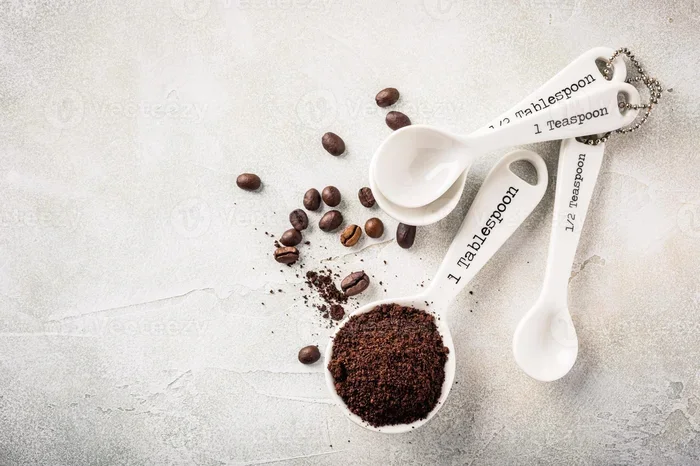
Tablespoons are easy to find, but they can vary a little depending on how you scoop. A heaping spoon holds more than a level spoon. A packed spoon holds more than a loose one. For consistency, try to keep your scoops level unless you are purposely changing the strength.
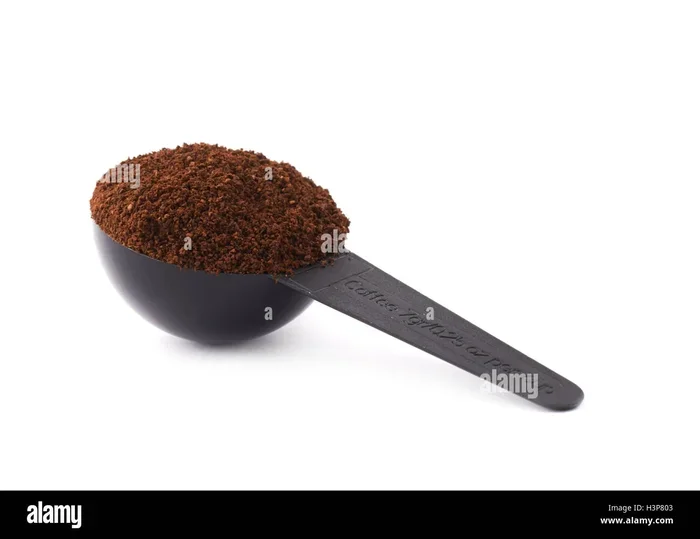
If you want a faster routine, you can also use a marked coffee scoop. Many scoops are designed to hold about one tablespoon or two tablespoons, which makes measuring quicker. Just check the size of your scoop so you know what you are working with.
How Many Tablespoons of Coffee Grounds Per Cup for Different Brew Methods
Not every brewing method treats coffee the same way. A French press, a drip machine, and a pour over all pull flavor from the grounds in different ways. That means the ideal amount of coffee can shift a little depending on your method. The good news is that the changes are small and easy to learn.
Visual guide about coffee grounds in measuring spoon
Image source: static.vecteezy.com
Here is a simple breakdown of how the ratio often looks across common methods:
- Drip coffee maker: two tablespoons per six ounces of water is a solid starting point
- French press: two to two and a half tablespoons per six ounces for a fuller body
- Pour over: two tablespoons per six ounces, with a medium grind for clean flavor
- Cold brew concentrate: more coffee is usually used, since it gets diluted later
If you are using a drip machine, you may also want to check how your machine measures a cup. Some machines define a cup as five ounces, while others use six or more. That small difference can change the taste if you follow the machine markings blindly. When in doubt, measure the water yourself and use the two-tablespoon starting point.
French Press and Fuller Flavor
A French press gives coffee more contact with the water, and the mesh filter lets more natural oils stay in the cup. That usually creates a richer mouthfeel. For this method, many people like to use a little extra coffee, especially if they enjoy a strong, robust flavor.
A coarse grind works best here. If the grind is too fine, the coffee can turn muddy or bitter. If you use a coarse grind and still want more punch, add another half tablespoon per cup and taste the result. Small changes are easier to control than big ones.
Pour Over and Clean, Bright Cups
Pour over brewing tends to produce a cleaner cup with brighter flavor notes. The water passes through the grounds more gently, so the ratio stays close to the standard. Two tablespoons per six ounces is usually enough to keep the cup balanced.
This method also rewards even pouring and steady water flow. If the water sits too long on the grounds, the coffee can become over-extracted. If it moves too fast, the cup may taste thin. The amount of coffee matters, but so does the way you pour.
Cold Brew and Concentrate Styles
Cold brew is a little different because it often starts as a concentrate. People frequently use a higher coffee-to-water ratio during brewing, then dilute the result with water or milk. That means the tablespoon count can be much higher at the start, but the final drink may still taste smooth and mild.
If you are making a simple cold brew at home, start with a stronger mix and adjust after tasting. Cold brew is forgiving, and it gives you room to experiment without worrying too much about bitterness.
Adjusting the Ratio to Match Your Taste
The best coffee ratio is the one that fits your palate. Some people want a strong kick in the morning. Others want a lighter drink they can sip slowly. Neither choice is wrong. The key is to change the amount of coffee in small steps and pay attention to the result.
Visual guide about coffee grounds in measuring spoon
Image source: thumbs.dreamstime.com
If your coffee tastes weak, try adding half a tablespoon more grounds per cup. If it tastes harsh or overly bitter, reduce the grounds a little or check your brew time. Sometimes the issue is not the amount of coffee at all. It can also come from grind size, water temperature, or how long the coffee sits on the warmer.
Signs Your Coffee Needs More Grounds
A cup that needs more coffee often feels thin on the tongue. The aroma may seem faint, and the flavor can disappear quickly after the first sip. You might also notice that milk or sugar hides the coffee taste too much. These are clues that your ratio leans toward the watery side.
Adding more grounds can bring back body and depth. It can also make the cup feel more satisfying, especially if you are drinking it black. Start with a small increase so you do not jump from weak to overly intense in one step.
Signs Your Coffee Needs Less Grounds
A cup that needs less coffee may taste sharp, dry, or overly intense. It can leave a bitter finish that lingers too long. If you feel like the flavor is pounding your palate, the ratio may be skewed toward too much coffee.
Cutting back by half a tablespoon can soften the edge. You may also want to check whether the water is too hot or the brew time is too long. Sometimes a milder cup comes from changing the brewing style rather than changing the coffee amount alone.
Building Your Personal Ratio
The easiest way to find your ideal cup is to keep a simple note. Write down the water amount, the number of tablespoons, the grind size, and how the coffee tasted. After a few tries, a pattern will appear. You will learn what works for your machine, your beans, and your taste.
This kind of testing does not need to be complicated. You are not chasing perfection. You are just learning what makes your daily cup enjoyable. Once you find your favorite ratio, you can repeat it with very little effort.
Tablespoons, Scoops, and Scales: Choosing the Right Measuring Method
Tablespoons are convenient, but they are not the only way to measure coffee. Some people prefer scoops because they are faster. Others prefer a kitchen scale because it gives the most consistent results. Each method has its place, and the best one depends on how precise you want to be.
Visual guide about coffee grounds in measuring spoon
Image source: cdn.coffeecircle.com
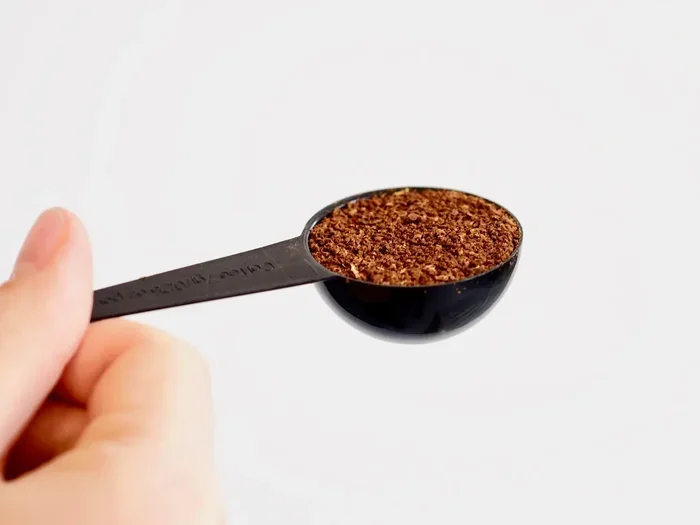
If you use tablespoons, keep your scooping style consistent. A level tablespoon gives you a repeatable measure. A heaping tablespoon changes the amount every time. If you use a scoop, check whether it holds one tablespoon or two, because that changes your ratio quickly.
When a Scale Helps Most
A scale is especially useful if you want the same taste every day. Coffee beans vary in density, so a tablespoon of one bean type may weigh a little differently than a tablespoon of another. Weighing removes some of that guesswork. It also makes it easier to scale your brew up or down.
You do not need to weigh every single cup if you do not want to. Many people use a scale when they are testing a new bean or a new method, then switch back to tablespoons once they know what they like. That hybrid approach keeps things simple while still giving you control.
Why Consistency Matters More Than Perfection
Coffee brewing is part recipe and part habit. You do not need laboratory precision to enjoy a good cup. You just need enough consistency to repeat the results you like. If tablespoons work for you, use them well. If a scale helps you feel more confident, use that instead.
The main goal is to make your morning easier, not harder. Choose the measuring method that fits your routine and stick with it long enough to learn what it does.
Common Mistakes When Measuring Coffee Grounds
Even a simple measurement can go sideways if a few common mistakes sneak in. Most of these problems are easy to spot once you know what to look for. Avoiding them will make your coffee taste better and your routine less frustrating.
Here are the most common issues:
- Using inconsistent scoops: one day you level the spoon, the next day you heap it
- Ignoring mug size: you treat every mug as if it holds the same amount of water
- Using stale grounds: old coffee can taste flat even when the ratio is right
- Over-extracting: the coffee sits too long and turns bitter
- Under-extracting: the water moves too fast and the cup tastes weak
- Forgetting water quality: strong-tasting tap water can change the flavor
Mistake: Treating All Cups the Same
One of the easiest traps is assuming every cup is identical. A small teacup, a standard coffee mug, and a large travel mug all hold different amounts of water. If you use the same tablespoon count for all of them, the taste will change from one mug to the next.
A better habit is to think about the water first. If you know how much water you are using, you can match the coffee to it. That simple shift makes your results much more predictable.
Mistake: Changing Too Many Things at Once
If your coffee tastes off, it is tempting to fix everything at once. You might change the grounds, the grind, the water, and the brew time all in the same morning. That makes it hard to know what actually helped.
Change one thing at a time. If you adjust the number of tablespoons, keep the rest of your routine steady. Then taste the result before making another change. This slower approach saves time and gives you clearer answers.
Mistake: Ignoring Freshness and Grind
Even a perfect tablespoon count cannot fully rescue stale coffee. Fresh beans usually give a cleaner aroma and a more lively flavor. Grind size also matters because it affects how quickly water pulls flavor from the grounds.
If your coffee tastes dull, check the bean freshness first. If it tastes harsh, check the grind and brew time next. The amount of coffee is important, but it works together with the rest of your process.
Expert Insights for a Better Daily Cup
Once you know how many tablespoons of coffee grounds per cup you prefer, a few small habits can make each brew more reliable. These are simple adjustments, not complicated rules. They help you keep the flavor steady while still leaving room for personal taste.
One helpful habit is to pre-measure your coffee for the week if you use the same brew size every day. Another is to rinse your mug with hot water before brewing so the coffee does not cool too quickly. You can also clean your equipment regularly, since old oils and residue can affect flavor over time.
Quick Tips for Better Results
- Use filtered water if your tap water has a strong taste
- Keep your grind consistent for the method you are using
- Start with the standard ratio and adjust slowly
- Taste before adding sugar or milk so you can judge the base flavor
- Clean your brewer often to avoid buildup that changes taste
A Simple Way to Think About Strength
Instead of chasing a single perfect number, think of strength as a range. Lighter cups sit at one end. Bolder cups sit at the other. Your favorite spot lives somewhere in that range, and it may shift depending on the time of day or the beans you have on hand.
That flexibility is part of the fun. Coffee is not a fixed formula. It is a daily ritual that can be tuned to match your mood, your routine, and your taste.
Conclusion
At the end of the day, the answer to how many tablespoons of coffee grounds per cup comes down to a simple starting point and a little personal adjustment. Two tablespoons per six ounces of water is a dependable baseline for most brew methods. From there, you can move up or down based on your mug size, your taste, and the style of coffee you want.
The best approach is to keep things steady, change one variable at a time, and pay attention to what you enjoy. Once you find your favorite ratio, making coffee becomes faster, easier, and much more satisfying. Your perfect cup is not hidden behind a complicated rule. It is just a few careful measurements away.
Frequently Asked Questions
How many tablespoons of coffee grounds per cup should I use for a standard mug?
For a standard six-ounce cup, start with two tablespoons of coffee grounds. If your mug is larger, add a little more coffee and water to keep the same balance.
Can I use more tablespoons if I want stronger coffee?
Yes, you can increase the amount gradually. Adding half a tablespoon at a time is an easy way to make the cup bolder without making it taste harsh.
Do tablespoons work better than a coffee scoop?
Tablespoons work well if you keep your scoops consistent. A coffee scoop can be faster, but you should still check whether it holds one or two tablespoons so your ratio stays accurate.
Why does my coffee taste weak even when I use two tablespoons?
The coffee may be weak because your mug holds more water than you expect, the grind is too coarse, or the brew time is too short. Try measuring the water first and then adjust the grounds slightly.
Is it better to measure coffee by weight instead of tablespoons?
Weighing coffee can give you more consistency, especially with different beans. Still, tablespoons are perfectly fine for everyday brewing if you use the same scoop style each time.
How many tablespoons of coffee grounds per cup do I need for a French press?
A French press usually works well with about two to two and a half tablespoons per six ounces of water. A coarse grind helps keep the cup smooth and full-bodied.