Many people worry that their daily cup of joe might trigger painful joint flare-ups. The truth about does coffee cause gout is more nuanced than a simple yes or no. Research suggests coffee may actually lower uric acid levels for some drinkers, while others experience different reactions based on genetics and overall diet. Understanding how caffeine, antioxidants, and brewing methods interact with your body can help you make smarter choices. We will walk you through the latest findings, practical tips, and common misconceptions so you can enjoy your favorite beverage with confidence.
If you love starting your morning with a warm mug, you have probably asked yourself a simple question at some point. Does coffee cause gout, or is that just an old health rumor? It is a fair concern, especially when joint pain runs in your family or you have already dealt with a flare-up. The good news is that the answer is not as scary as it sounds. In fact, the relationship between coffee and gout is full of interesting details that most people never hear about.
Let us start with the basics. Gout happens when uric acid builds up in the bloodstream and forms sharp crystals in the joints. That buildup can lead to sudden pain, swelling, and stiffness, often in the big toe or other smaller joints. Because coffee affects how your body handles certain chemicals, people naturally wonder whether it makes things better or worse. Some studies suggest coffee might actually help lower uric acid levels over time. Other research points out that caffeine can have temporary effects that look different from long-term habits. The real picture depends on how much you drink, what kind you choose, and how your own body responds.
In this guide, we will walk through the science in plain language. You will learn what uric acid does, how coffee fits into the puzzle, and which habits matter most. We will also look at common mistakes, practical tips, and a few questions people ask all the time. By the end, you should have a clear, balanced view that helps you make choices without fear or confusion.
Key Takeaways
- Coffee and gout link: Current studies show mixed results, with some evidence pointing to a protective effect rather than a direct cause.
- Uric acid connection: Coffee contains compounds that may help the body process and eliminate uric acid more efficiently.
- Caffeine matters: Caffeine can temporarily affect kidney function, but long-term coffee habits often show different patterns than isolated caffeine intake.
- Brewing style counts: Filtered coffee, espresso, and instant coffee may impact your body differently due to varying compound levels.
- Individual factors: Genetics, hydration, overall diet, and existing joint health play a bigger role than coffee alone.
- Moderation wins: Most experts suggest balanced consumption rather than complete avoidance, unless a doctor advises otherwise.
- Track your response: Keeping a simple food and symptom log can reveal whether coffee truly affects your personal gout risk.
📑 Table of Contents
Understanding Gout and Uric Acid Basics
Before we talk about coffee, it helps to understand what gout actually is. Gout is a type of arthritis that comes from high uric acid levels in the blood. Uric acid is a waste product your body makes when it breaks down purines. Purines are natural substances found in many foods and also produced inside your body. Normally, uric acid dissolves in your blood, travels to the kidneys, and leaves through urine. Problems start when the body makes too much uric acid or the kidneys do not remove enough of it.
When uric acid levels climb too high, sharp crystals can form in joints and surrounding tissue. That is what causes the sudden pain, redness, and swelling people associate with gout flare-ups. These attacks can last for days or even weeks if they are not managed well. The big toe is a common target, but ankles, knees, wrists, and fingers can also be affected. Gout is not just about one food or one drink. It usually reflects a mix of diet, hydration, genetics, weight, medications, and overall kidney function.
This is why people often look for simple answers. It would be easier if one beverage could explain everything. But gout is more complicated than that. A person who drinks coffee every day might have completely different risk factors than someone who rarely drinks it. That is why the question does coffee cause gout cannot be answered with a one-size-fits-all rule.
What Raises Uric Acid Levels?
Several everyday factors can push uric acid higher. Foods rich in purines are a well-known example. That includes certain meats, organ meats, and some seafood. Alcohol can also raise uric acid, especially when consumed often or in large amounts. Dehydration is another big one, because less water means less uric acid gets flushed out. Excess body weight, certain medications, and rapid weight changes can also play a role.
Here is a quick list of common contributors:
- High-purine foods: Red meat, organ meats, and some seafood can increase uric acid production.
- Alcohol intake: Frequent drinking may interfere with how the body removes uric acid.
- Low hydration: Not drinking enough fluids can make uric acid more concentrated.
- Weight factors: Extra body weight and rapid weight changes can affect uric acid balance.
- Genetics and health conditions: Family history and kidney function can strongly influence risk.
Because so many factors are involved, coffee is only one piece of the puzzle. That does not mean it is unimportant. It just means you need to look at the whole picture instead of blaming a single habit right away.
Does Coffee Cause Gout or Help Prevent It?
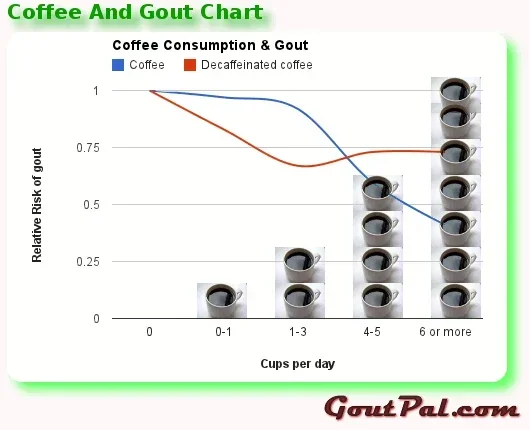
This is the heart of the matter. The short answer is that research does not clearly show coffee is a direct cause of gout. In some studies, regular coffee drinkers actually had lower uric acid levels than non-drinkers. That does not mean coffee is a miracle cure, but it does suggest the relationship is more complex than people often assume. Some researchers believe certain compounds in coffee may help the body manage uric acid better over time.

Visual guide about Coffee cup and gout illustration
Image source: c8.alamy.com
Coffee contains more than just caffeine. It also has antioxidants and other plant-based compounds that can influence inflammation and metabolism. Those compounds may support the body in ways that matter for gout risk. At the same time, caffeine itself can have short-term effects on the kidneys and urine production. That is why some people feel confused when they hear conflicting advice. One study may focus on caffeine alone, while another looks at coffee as a whole beverage.
It is also worth remembering that observational studies can show patterns, but they do not prove cause and effect. If coffee drinkers tend to have lower gout risk, that might be partly related to other lifestyle factors too. Maybe they drink less alcohol, or maybe their overall diet is different. Maybe they are more hydrated because they sip coffee throughout the day. The bottom line is that coffee is not automatically the bad guy. For many people, it may be neutral or even slightly helpful, depending on the rest of their habits.
What the Research Generally Suggests
When scientists look at coffee and uric acid, a few patterns show up again and again. Regular coffee consumption has sometimes been linked with lower uric acid levels. Some studies also report a lower gout risk among people who drink coffee more often. These findings do not mean everyone should start drinking more coffee, but they do challenge the idea that coffee is automatically harmful.
A few important points often come up in the research:
- Long-term patterns matter: Daily coffee habits may affect the body differently than occasional use.
- Coffee is not just caffeine: Other compounds in coffee may contribute to the observed effects.
- Results vary by person: Not everyone responds the same way to the same beverage.
- Lifestyle context counts: Diet, hydration, and alcohol intake can change the outcome.
If you are trying to figure out does coffee cause gout in your own life, it helps to think in terms of trends instead of absolutes. A single cup is unlikely to decide your future joint health. What matters more is your overall pattern, how your body feels, and whether other risk factors are under control.
How Caffeine and Coffee Compounds Affect the Body
Caffeine gets a lot of attention, and for good reason. It is a stimulant that can change how your body handles fluids, blood flow, and kidney activity. In the short term, caffeine may influence how much urine your body produces. That can sound important for uric acid removal, and it is. But short-term effects are not the same as long-term outcomes. Your body can adapt to regular caffeine intake over time.

Visual guide about Coffee cup and gout illustration
Image source: typescoffee.com
Coffee also contains antioxidants such as polyphenols. These compounds are often linked with reduced oxidative stress and better inflammatory balance. Since gout involves inflammation during flare-ups, people naturally wonder whether antioxidants could help. That is a reasonable question. While coffee is not a treatment, its antioxidant content may be one reason some studies see a favorable link between coffee and uric acid levels.
Another angle is how coffee fits into daily routines. Some people drink black coffee with no added sugar. Others add sweeteners, cream, flavored syrups, or high-fat dairy. Those extras can change the health picture more than the coffee itself. If a person loads coffee with sugar every day, the bigger concern may be overall diet quality rather than the coffee beans. What you put in your coffee can matter just as much as the coffee you choose.
Filtered Coffee, Espresso, and Instant Coffee
Not all coffee is prepared the same way, and that can affect what ends up in your cup. Filtered coffee usually passes through paper or a mesh barrier that removes some compounds. Espresso is brewed under pressure and tends to have a stronger flavor and different compound balance. Instant coffee is processed differently too, and its makeup may not match brewed coffee exactly. These differences are subtle, but they can matter if you are comparing how coffee affects you personally.
A simple way to think about it is this:
- Filtered coffee: Often has a cleaner taste and may contain fewer of certain oils and compounds.
- Espresso: More concentrated, with a different flavor profile and compound mix.
- Instant coffee: Convenient, but not identical in composition to freshly brewed coffee.
If you are watching your gout risk, it may be worth noticing which type you drink most often. That does not mean one type is automatically safer for everyone. It simply means that consistency and personal response are worth paying attention to.
Factors That Matter More Than Coffee Alone
If you are worried about gout, coffee is only one small part of a much bigger story. Hydration is one of the most important habits to look at first. When you do not drink enough water, uric acid can become more concentrated, which may increase the chance of crystals forming. That is why many health professionals emphasize steady fluid intake, not just during flare-ups but every day.

Visual guide about Coffee cup and gout illustration
Image source: typescoffee.com
Diet quality matters too. A pattern full of sugary drinks, heavy meat consumption, and frequent alcohol can create more risk than a daily cup of coffee. On the other hand, a balanced diet with plenty of water, vegetables, and moderate portions may support better uric acid control. Body weight, sleep, stress, and medications also play a role. In other words, coffee does not exist in a vacuum.
Here are some of the bigger lifestyle pieces to consider:
- Water intake: Steady hydration helps the kidneys do their job.
- Alcohol habits: Frequent drinking can make uric acid management harder.
- Overall diet: High-purine foods and added sugars can influence risk.
- Weight and activity: Balanced activity and healthy weight support metabolic health.
- Medical factors: Medications and underlying conditions can change uric acid levels.
When people ask does coffee cause gout, they sometimes overlook these stronger drivers. That can lead to unnecessary worry about coffee while bigger issues go unaddressed. A better approach is to look at the whole routine and make small, sustainable improvements there.
Practical Tips for Coffee Drinkers Concerned About Gout
If you enjoy coffee and want to keep gout risk in mind, you do not have to panic. You just need a sensible plan. Start by paying attention to how much you drink and what you add to it. A moderate routine is usually easier on the body than extremes. If you drink several cups a day, consider whether that amount still feels right for your sleep, hydration, and overall comfort.
It also helps to keep coffee separate from other habits that may raise risk. For example, pairing coffee with heavy alcohol intake or sugary snacks is not the same as enjoying coffee as part of a balanced day. If you are trying to support healthier uric acid levels, think about the whole plate and glass, not just the mug in your hand. Small changes often work better than drastic ones.
Simple Habits to Try
Here are a few practical ideas that many people find helpful:
- Stay hydrated: Drink water throughout the day, especially if you enjoy caffeinated beverages.
- Watch added sugar: Keep syrups, sweeteners, and heavy creamers in check if overall diet matters to you.
- Be consistent: Sudden big changes in coffee intake can feel disruptive, so adjust gradually.
- Track your response: Note any joint discomfort, sleep changes, or hydration issues after changing your routine.
- Balance the day: Pair coffee with meals, water, and movement instead of using it as your only fuel.
If you want, you can also experiment with different brewing styles and see whether one feels better for you. Some people prefer a lighter cup, while others like something stronger. The best choice is the one that fits your body, your schedule, and your taste without creating extra problems.
Common Mistakes to Avoid
A few habits tend to create confusion or unnecessary stress:
- Assuming coffee is the main cause: Gout usually has several contributing factors.
- Ignoring hydration: Coffee alone does not replace the need for water.
- Loading coffee with sugar: Extra sweeteners can affect overall health more than the coffee itself.
- Changing everything at once: Drastic cuts or big increases can make it harder to notice what actually helps.
- Copying someone else’s routine: Your body may respond differently from another person’s body.
Avoiding these mistakes can make your approach clearer and calmer. You do not need a perfect plan. You just need one that is thoughtful and easy to maintain.
When to Pay Closer Attention or Talk to a Professional
Even though coffee is not automatically a gout trigger, there are times when it makes sense to be more careful. If you have repeated joint pain, swelling, or sudden flare-ups, it is wise to pay attention to patterns. Keep note of what you eat and drink, how much water you get, and whether certain days seem worse than others. That kind of tracking can reveal useful clues.
It is also smart to consider your overall health picture. If you have kidney concerns, high blood pressure, diabetes, or other conditions, your needs may be different from someone else’s. Some medications can interact with caffeine too. That does not mean coffee is off-limits, but it does mean personal guidance matters. A healthcare professional can help you interpret your symptoms in context.
If you are trying to answer does coffee cause gout for yourself, think of it as a personal experiment backed by common sense. Start with moderation, good hydration, and a balanced diet. Then notice what happens. If symptoms continue or get worse, do not guess in isolation. Getting a proper evaluation can save you time, discomfort, and uncertainty.
In the end, coffee is one of those topics where nuance matters. For some people, it may be a perfectly fine daily habit. For others, it may need to be adjusted. The key is not to treat coffee as a magic answer or a hidden enemy. Treat it as one part of a bigger lifestyle, and make choices that support your comfort, energy, and long-term health.
Conclusion
So, does coffee cause gout? The evidence does not point to a simple yes. In many cases, coffee appears to be more neutral than harmful, and some research even suggests it may be linked with lower uric acid levels. Still, coffee is not a cure, and it is not the whole story either. Gout risk is shaped by hydration, diet, alcohol, weight, genetics, medications, and overall health.
If you love coffee, you probably do not need to give it up just because of a gout worry. Instead, focus on the habits that matter most. Drink enough water, keep added sugar in check, notice how your body responds, and seek professional advice if flare-ups keep happening. That balanced approach is usually far more useful than blaming one beverage.
The smartest takeaway is this: coffee can fit into a gout-conscious routine when it is enjoyed thoughtfully. Pay attention to your own patterns, keep things moderate, and remember that long-term habits matter more than any single cup.
Frequently Asked Questions
Does coffee increase uric acid levels?
Not always. Some research suggests regular coffee drinkers may have lower uric acid levels, while others may respond differently. The effect depends on your overall diet, hydration, and how much coffee you drink.
Can caffeine trigger a gout flare-up?
Caffeine can affect the body in the short term, but it is not a guaranteed flare-up trigger. Flare-ups are usually linked to a mix of factors like uric acid levels, hydration, alcohol, and diet rather than caffeine alone.
Is decaf coffee better for gout?
Decaf may be helpful if you want to reduce caffeine intake, but it is not automatically better for everyone. The bigger picture still includes hydration, overall diet, and how your body reacts to coffee in general.
Should I stop drinking coffee if I have gout?
Not necessarily. Many people with gout can still enjoy coffee in moderation. If you notice a clear pattern between coffee and joint pain, it may be worth adjusting your intake and discussing it with a healthcare professional.
What drinks are worse for gout than coffee?
Drinks high in sugar or alcohol are often more concerning for uric acid control than coffee. Poor hydration can also make things worse, so water intake matters a lot when managing gout risk.
How much coffee is safe if I am worried about gout?
There is no single safe amount for everyone. Moderate consumption is usually a sensible starting point, especially when paired with good hydration and a balanced diet. If you have recurring symptoms, personal guidance can help you find the right balance.