
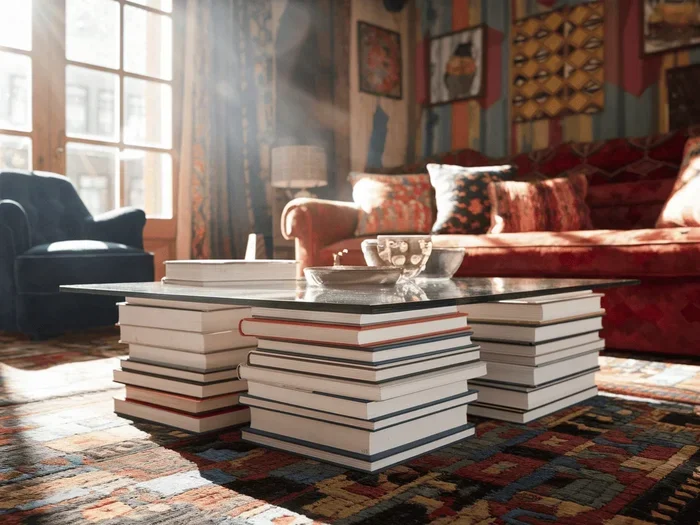
Displaying coffee table books can transform your living room into a stylish and inviting space. Learn creative ways to arrange your favorite reads while adding personality to your home decor. This guide covers everything from stacking techniques to lighting tips for a perfect look.
Your living room tells a story about you. Every corner, every shelf, and every surface adds a chapter. One of the easiest ways to add personality is through your coffee table books. These large, visually rich books are more than just reading material. They are decor. They spark conversations. They set the tone for your space.
But here is the thing. Simply piling them up can look messy. A thoughtful arrangement makes all the difference. You want your books to feel inviting, not overwhelming. You want guests to pick them up and flip through the pages. That is the magic of a well-curated display.
In this guide, we will walk through simple, practical ways to showcase your collection. We will cover styling tricks, layout ideas, and common mistakes to avoid. Whether you have ten books or a hundred, you will find inspiration here. Let us dive in and make your coffee table the star of your living room.
Key Takeaways
- Balance height and color: Mix tall and short books for visual interest and group by color for a cohesive look.
- Use decorative props: Add candles, plants, or small art pieces to complement your book arrangements.
- Rotate regularly: Keep your display fresh by swapping out seasonal picks and showcasing new favorites.
- Consider functionality: Ensure some books are easy to grab for guests while keeping special editions protected.
- Mind the lighting: Place books where natural or accent lighting highlights their covers and spines.
- Group by theme: Organize books around travel, art, or hobbies to tell a story about your interests.
- Keep it clutter-free: Avoid overcrowding to maintain a clean, curated appearance that feels intentional.
📑 Table of Contents
Why Coffee Table Books Matter for Home Decor
Coffee table books are more than just oversized paperbacks. They are conversation starters. They bring color, texture, and personality to a room. A well-chosen stack can tie together your entire living space. They also reflect your interests, travels, and tastes.
Many people treat these books as background decor. But they deserve more attention. When displayed thoughtfully, they add visual weight to a surface. They create focal points. They break up empty space. They make a room feel lived-in and welcoming.
Think about your favorite coffee shops or boutique hotels. You will often see carefully arranged books on their tables. That is no accident. The display invites you to slow down. It makes the space feel curated. You can achieve the same effect at home with a few simple strategies.
Choosing the Right Books for Your Space
Not every book belongs on your coffee table. Start by selecting titles that match your style. Look for books with striking covers, beautiful photography, or interesting layouts. Art books, travel guides, and design monographs work especially well.
Consider the scale of your table. A massive book on a tiny surface can feel out of place. A small book on a large table might get lost. Balance matters. Mix larger volumes with smaller ones to create harmony.
Also, think about your audience. If you host often, choose books that spark curiosity. If the space is more personal, pick titles that reflect your passions. Either way, the books should feel intentional. They should say something about you.
Matching Books to Your Interior Style
Your decor style should guide your book choices. A minimalist room benefits from clean, simple covers. A bohemian space can handle bold patterns and vibrant spines. A traditional home might lean toward classic photography or vintage design books.
Do not force a mismatch. If your room is neutral, a book with a bright red cover can become a focal point. If your space is already busy, choose quieter tones to avoid visual clutter. The goal is balance, not competition.
You can also use books to introduce new colors or textures. A book with a textured cover adds depth. A glossy finish reflects light. A matte cover feels grounded. These small details shape the overall feel of your display.
Creative Ways to Stack and Arrange Books
Stacking books is an art. A random pile looks accidental. A deliberate stack looks designed. Start by thinking about height, orientation, and spacing. You do not need to follow strict rules. You just need a sense of balance.

Visual guide about coffee table book display living room
Image source: thumbs.dreamstime.com
One popular approach is the vertical stack. Place books upright, side by side, like a mini bookshelf. This works well when you have several books of similar size. It creates clean lines and feels orderly. Add a small object in front to soften the edge.
Another option is the horizontal stack. Lay books flat, one on top of another. This creates a platform you can build on. Place a candle, a small vase, or a decorative box on top. The stack becomes a base, not just a display.
You can also mix orientations. Stand a few books upright and lay others flat. This creates movement and keeps the eye engaged. The contrast feels dynamic without looking chaotic. Just keep the arrangement intentional.
Layering Books with Decorative Objects
Books rarely need to stand alone. Pairing them with objects adds depth and interest. A small plant brings life to the arrangement. A ceramic bowl adds texture. A framed photo creates a personal touch.
Keep the scale in mind. Large books need larger props. Small books work with delicate objects. Avoid overcrowding. One or two well-chosen items are enough. The books should still be the star.
Try grouping items by theme. If your book is about gardens, add a small succulent or a stone. If it is about travel, place a vintage map or a postcard nearby. These subtle connections make the display feel cohesive.
Playing with Height and Visual Weight
Visual weight is the feeling an object gives off. A thick book feels heavy. A thin book feels light. A tall stack draws the eye upward. A low arrangement keeps things grounded. Use these qualities to shape your display.
Start with a anchor piece. Place your largest or most striking book in the center or at one end. Build around it with smaller items. This creates a natural focal point. The eye knows where to land.
Leave some breathing room. Crowded surfaces feel stressful. Empty space feels calm. You do not need to fill every inch. A little negative space makes the arrangement feel refined.
Color Coordination and Visual Harmony
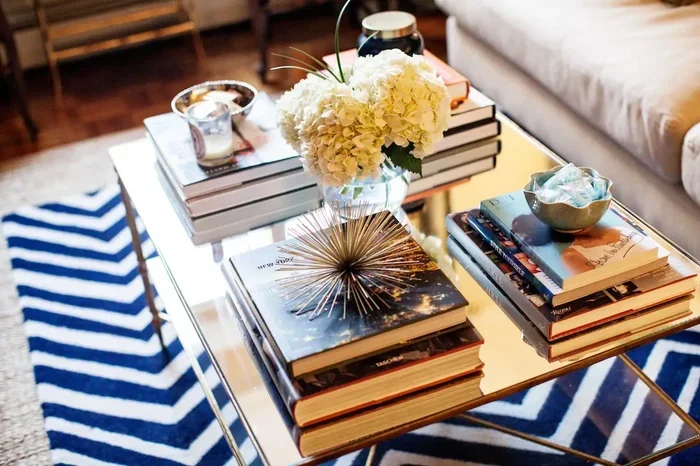
Color plays a huge role in how your books read on a table. A stack of mismatched spines can feel chaotic. A thoughtful color plan feels calm and curated. You do not need to be a designer to pull this off. Just follow a few simple ideas.
Visual guide about coffee table book display living room
Image source: i2.wp.com
One approach is to group books by tone. Keep warm colors together. Keep cool colors together. Or create a gradient from light to dark. This creates a smooth visual flow. The arrangement feels intentional, not random.
Another option is to use a neutral base. If your table is light wood or glass, let the books provide the color. If your table is bold, choose books with quieter covers. Let one element lead and the other support.
Using Neutrals and Accents Strategically
Neutrals are your friend. White, cream, black, and tan covers blend easily. They work with almost any decor. They also let other objects shine. If you are unsure, start with neutral books and add color through props.
Accents bring energy. A single bright book can liven up a muted stack. A patterned cover adds texture. Use accents sparingly. Too many bold elements compete for attention. One or two pops of color are enough.
You can also pull colors from your room. Match a book cover to your rug, your pillows, or your wall art. This creates a subtle link between your table and the rest of the space. The result feels unified.
Creating a Cohesive Look Without Matching Sets
You do not need a matching series. In fact, variety often looks better. Mix fiction with photography. Mix hardcovers with softcovers. The contrast feels natural. The display looks collected over time, not bought in a bundle.
What matters is the overall feel. Step back and look at the arrangement. Does it feel balanced? Does it feel too busy? If yes, remove one or two items. Simplicity often wins. A few strong choices beat a dozen random ones.
If you are ever stuck, try the three-color rule. Pick three main colors and stick to them. It could be black, cream, and blue. It could be tan, green, and rust. Limiting your palette makes decisions easier and results cleaner.
Functional Display Ideas for Everyday Use
A coffee table needs to work. It is not just a showpiece. It is a place to rest a cup, set down a remote, or flip through a book. Your display should look good and still leave room for daily life.
Visual guide about coffee table book display living room
Image source: i.pinimg.com
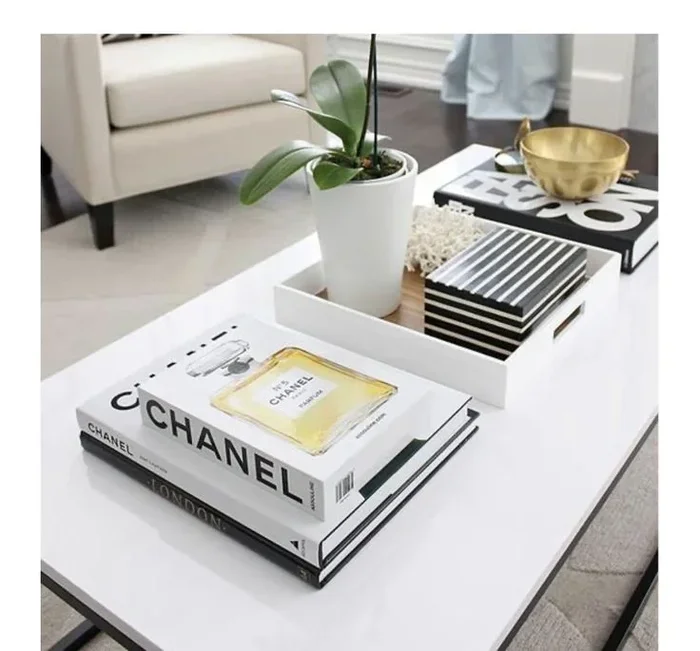
Start by keeping the center clear. Stack books along the edges or against a wall. Leave the middle open for drinks or conversation items. This keeps the table usable without sacrificing style.
Use trays to corral small items. A wooden tray can hold a book, a candle, and a small decorative object. It keeps things tidy. It also makes the arrangement feel contained and deliberate.
Keeping Books Accessible and Inviting
If you want guests to pick up your books, make them easy to reach. Do not bury them under heavy objects. Stand them upright or stack them lightly. A book that feels reachable feels welcoming.
Add a small note or bookmark if you want to highlight a favorite page. It is a subtle invitation. It says, “This one is worth a look.” Small touches like that make a big difference.
Rotate your display often. Keep a few books ready to swap in. This keeps the table feeling fresh. It also gives you a reason to revisit old favorites or show off new finds.
Seasonal and Themed Rotations
Seasons are a natural excuse to change things up. In spring, choose books with light covers or garden themes. In winter, lean into cozy photography or warm tones. The shift feels timely and intentional.
Themes work too. Host a dinner party and display cookbooks or travel stories. Plan a movie night and stack film-related books. Match the books to the mood of the moment. It makes your space feel alive.
Keep a small storage spot nearby. A nearby shelf or cabinet makes swapping easy. You do not need to store everything out all the time. Curate what is visible. Store the rest until their turn comes.
Common Mistakes to Avoid
Even simple displays can go wrong. A few common mistakes can make your coffee table feel cluttered or cold. The good news is they are easy to fix once you know what to watch for.
One mistake is overcrowding. Too many books, too many objects, too much going on. The eye has nowhere to rest. Remove items until the arrangement breathes. Less is often more.
Another mistake is ignoring scale. A tiny book on a large table disappears. A massive stack on a small table dominates. Match your books to your surface. Balance keeps the display comfortable.
Overcrowding and Visual Clutter
Clutter happens fast. A book here, a magazine there, a random souvenir, a half-empty cup. Suddenly the table feels messy. The fix is simple. Clear the surface. Start fresh. Add back only what belongs.
Group similar items together. Keep books with books. Keep decor with decor. Avoid scattering small objects everywhere. Contained groupings feel cleaner and more purposeful.
Do a quick reset each week. Remove dust. Straighten stacks. Swap out anything that no longer fits. A few minutes of maintenance keeps the display looking polished.
Ignoring Lighting and Viewing Angles
Lighting changes everything. A book in shadow feels hidden. A book in soft light feels inviting. Pay attention to where the light falls. Place your best covers where they can be seen.
Viewing angles matter too. People sit around a coffee table from different spots. Make sure the display reads well from multiple angles. Turn books so spines or covers face the room. Avoid stacking everything away from view.
If you have a lamp, use it. A warm glow can highlight textures and colors. It adds mood. It makes the table feel like a designed space, not just a surface with objects on it.
Expert Tips for a Polished Coffee Table Display
Small details make a big difference. A polished display does not happen by accident. It comes from a few thoughtful habits. Use these tips to keep your coffee table looking sharp.
Start with a clean surface. Wipe down the table. Dust the books. A clean base makes everything look better. It also shows you care about the space.
Use the rule of odds. Groups of three or five often look more natural than even numbers. Try three books with two props. Try five books in a gentle arc. The arrangement feels balanced without feeling stiff.
Using Negative Space Effectively
Negative space is the empty area around your objects. It is not wasted space. It is breathing room. Use it to let your books stand out. Give each stack room to be seen.
Do not fill every corner. Leave a gap between groups. Let the eye move. The space between objects is part of the design. It keeps the display from feeling heavy.
If your table is large, use multiple small groupings instead of one giant pile. Spread them out. Connect them with a shared color or theme. The result feels expansive but still controlled.
Maintaining and Refreshing Your Display
A display should evolve. Books get read. Seasons change. Tastes shift. Let your coffee table reflect that. Swap books in and out. Try new props. Keep what works and let go of what does not.
Check your arrangement from a distance. Sit on the couch. Look from the doorway. See how it reads in daily life. Adjust as needed. A good display works from every angle.
Keep a few backup books nearby. When you want a change, you can swap quickly. This makes upkeep easy. It also keeps your table feeling fresh without extra effort.
Final Thoughts on Displaying Coffee Table Books
Your coffee table is more than a surface. It is a stage. It is a place where style meets function. With a few smart choices, your books can shine without getting in the way of everyday life.
Remember the basics. Balance height and color. Leave room to breathe. Use props with purpose. Rotate often. Keep the table usable. These simple habits create a display that feels inviting and intentional.
Start small. Pick three books you love. Add one object that complements them. Step back and see how it feels. Adjust from there. Over time, you will develop a sense of what works. Your coffee table will become a reflection of your style, your interests, and your home.
Let your books do more than sit there. Let them spark curiosity. Let them add color. Let them make your space feel like you. That is the real beauty of a well-displayed coffee table book collection.
Frequently Asked Questions
How many coffee table books should I display at once?
Start with three to five books for a clean, balanced look. Too many can feel crowded, while too few may leave the table looking empty. You can always rotate more in later.
Should I stack books horizontally or vertically?
Both work well, depending on the look you want. Vertical stacks feel neat and shelf-like, while horizontal stacks create a platform for decor. Mixing the two adds visual interest.
How do I keep my coffee table display from looking cluttered?
Leave plenty of empty space around your books and props. Group items intentionally, and remove anything that does not belong. A quick weekly reset also helps keep things tidy.
Can I display coffee table books with other decor items?
Yes, pairing books with candles, plants, or small art pieces can enhance the display. Just keep the scale balanced so the books remain the focal point.
How often should I change my coffee table book arrangement?
Swap things out every few weeks or with the seasons to keep the space feeling fresh. Even a small change, like replacing one book or prop, can make a big difference.
What if my coffee table is very small?
Use one or two books and keep the center clear for daily use. A small tray can help organize the display without taking up too much room. Less really is more on a compact table.



