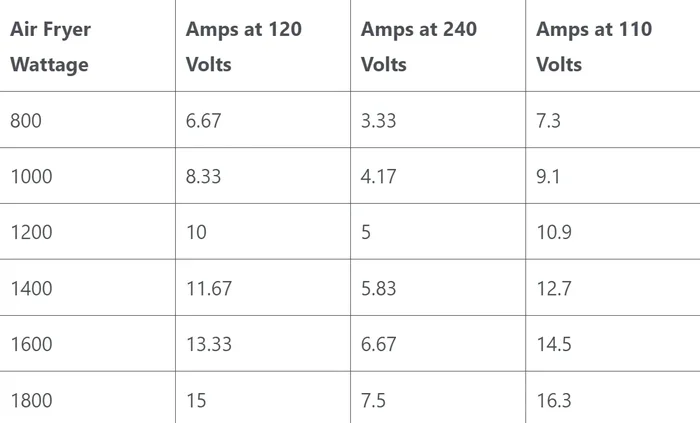
Air fryer how much electric consumption is a common question for budget-conscious cooks. Most models use between 1400 and 1700 watts, costing only pennies per hour to operate. Understanding your unit’s wattage helps you calculate exact energy expenses. This guide breaks down power usage and compares it to traditional ovens for smarter cooking choices.
Cooking at home is fun, but keeping track of utility bills matters too. Many people love their countertop convection ovens for crisp results. Yet, everyone wonders about the power draw. Air fryer how much electric consumption is a key factor for your monthly budget. We will explore the wattage details and cost estimates together.
Understanding energy usage helps you make smarter choices in the kitchen. You might compare it to a standard oven or even a microwave. Each appliance has different power needs. Knowing these numbers lets you plan meals without worry. Let’s dive into the specifics of electricity and cooking.
Key Takeaways
- Wattage Range: Most air fryers consume between 1400 and 1700 watts per hour during operation.
- Cost Efficiency: Running an air fryer typically costs less than using a full-sized conventional oven.
- Cooking Time: Faster cooking times reduce overall electricity usage compared to longer oven cycles.
- Size Matters: Smaller countertop models generally use less power than large dual-basket units.
- Preheating Impact: Skipping preheating can save a small amount of energy on certain recipes.
- Maintenance: Keeping vents clean ensures efficient airflow and optimal energy performance.
- Usage Habits: Cooking multiple items at once maximizes energy efficiency per serving.
📑 Table of Contents
Understanding Air Fryer Wattage and Power Usage
Every appliance has a specific power rating. This rating tells you how much energy it pulls from the wall. For most countertop fryers, the range is fairly consistent. You will usually see numbers between 1400 and 1700 watts. This is the maximum power the unit uses when running at full heat.
Smaller models might use less energy. Larger units with dual baskets often pull more. The wattage matters because it directly influences your electricity bill. However, higher wattage often means faster cooking. This trade-off is important to consider for your household needs.
How Wattage Translates to Energy Consumption
Watts measure power, but electricity bills use kilowatt-hours (kWh). To find kWh, you divide watts by 1000. Then you multiply by the hours used. For example, a 1500-watt unit running for one hour uses 1.5 kWh. Most meals cook in less than an hour though.
This distinction is vital for accurate cost calculations. You rarely run the machine for a full hour. Many frozen foods cook in 15 to 20 minutes. So the actual consumption per meal is quite low. Understanding this math helps you estimate real-world costs.
Factors Influencing Power Draw
Several things change how much power your unit uses. The temperature setting is the biggest factor. Higher heat settings require more energy to maintain. The size of the basket also plays a role. A full basket might retain heat better than an empty one.
Ambient kitchen temperature can affect startup power too. If the kitchen is cold, the heater works harder initially. The age of the appliance matters as well. Newer models often have better insulation and efficient heating elements. Keeping your device clean ensures it runs at peak efficiency.
Calculating the Cost of Running an Air Fryer
Now let’s talk money. Knowing the wattage is step one. Step two is knowing your electricity rate. This rate varies by location and provider. You can find this number on your monthly utility bill. It is usually listed as cents per kilowatt-hour.
Once you have that rate, the math is simple. Multiply the kWh used by your rate. This gives you the cost per cooking session. For most people, the cost is very small. It is often just a few cents per meal. This makes it a budget-friendly option for many families.
Example Cost Calculation for Common Meals
Let’s look at a real example. Assume your rate is 15 cents per kWh. You have a 1500-watt air fryer. You cook french fries for 20 minutes. First, convert watts to kilowatts: 1.5 kW. Then multiply by hours: 1.5 kW x 0.33 hours = 0.5 kWh.
Next, multiply by your rate: 0.5 kWh x $0.15 = $0.075. So, that batch of fries costs less than 8 cents. Compare this to a large oven which might use 2.5 kWh or more. The savings add up over time. This is why many people switch to countertop cooking.
Comparing Costs to Traditional Ovens
Traditional ovens are powerful but inefficient for small meals. They heat a large space regardless of food volume. An air fryer heats a smaller chamber quickly. This focused heat reduces waste. You also lose less heat when opening the door.
For reheating leftovers, the difference is even bigger. A full oven cycle wastes significant energy. A countertop unit reaches temperature faster. This efficiency makes it ideal for quick dinners. If you cook often, these savings are noticeable.
Factors That Affect Energy Efficiency
Efficiency is about getting results with less waste. Several design features impact this. Insulation quality keeps heat inside the cooking chamber. Better airflow means food cooks evenly without hot spots. These features reduce the need for extra cooking time.
User habits also change efficiency. Overcrowding the basket blocks airflow. This forces the machine to work harder or longer. Preheating is another variable. Some recipes need it, but many do not. Skipping unnecessary preheating saves a bit of power.
Size and Capacity Considerations
Choosing the right size matters for energy use. A huge unit for a single person wastes space and power. A tiny unit for a large family might require multiple batches. Multiple batches mean more total run time. Match the capacity to your typical household size.
Dual-basket models offer flexibility. You can cook two things at once. This doubles output without doubling energy use significantly. It is great for meal prep. Just ensure you fill both baskets to maximize efficiency. Empty space is wasted energy potential.
Temperature Settings and Cooking Time
Lower temperatures generally use less power. However, cooking time might increase. There is a balance to find. High heat is great for crisping quickly. Lower heat is better for gentle cooking. Adjusting based on the food type helps save energy.
Using a timer prevents overcooking. Running the machine longer than needed wastes electricity. Many modern units have auto-shutoff features. This prevents accidental left-on situations. Always check your food near the end of the cycle.
Tips to Reduce Electricity Usage
You can optimize your cooking habits easily. Start by planning your meals. Cook multiple items in one session. This reduces the number of times you heat up the unit. It is more efficient to run one long cycle than several short ones.
Keep your appliance clean. Grease and debris can block vents. Blocked vents reduce airflow efficiency. The heater might struggle to maintain temperature. Regular cleaning ensures smooth operation. Also, place the unit in a well-ventilated area.
Best Practices for Efficient Cooking
Do not overcrowd the basket. Food needs space to breathe. Proper airflow cooks food faster and crisper. Shake the basket halfway through. This promotes even cooking without needing extra time. Use accessories wisely to avoid blocking elements.
Consider skipping preheat for certain foods. Frozen items often do not need it. Fresh vegetables might cook fine without it. Only preheat when the recipe demands crispiness. Every minute saved is energy saved. Small changes add up over a year.
Maintenance for Optimal Performance
Clean the interior after every few uses. Built-up residue affects heat transfer. Check the seals on the door or basket. Worn seals let heat escape. This makes the unit work harder. Replace parts if they show significant wear.
Ensure the exterior vents are clear. Dust buildup can trap heat. This impacts the internal components. A well-maintained machine lasts longer. It also runs more efficiently throughout its life. Treat your appliance well, and it will serve you better.
Air Fryer vs Other Appliances Energy Comparison
How does it stack up against other tools? Microwaves are very efficient for heating. They excite water molecules directly. However, they do not crisp food well. Air fryers use convection heat for texture. This requires more energy than a microwave but less than an oven.
Slow cookers use low power over long times. They are efficient for stews but not for quick meals. Toaster ovens are similar to air fryers. They often use comparable wattage. The difference is airflow technology. Air fryers circulate heat more aggressively.
Comparison Table: Energy Usage Per Meal
Here is a quick look at typical usage. These numbers are estimates based on average models. Your specific costs will vary by region.
| Appliance | Avg Wattage | Time Per Meal | Est. kWh | Est. Cost (15 cents/kWh) |
|---|---|---|---|---|
| Air Fryer | 1500 W | 20 mins | 0.5 kWh | $0.075 |
| Conventional Oven | 2500 W | 45 mins | 1.875 kWh | $0.28 |
| Microwave | 1000 W | 5 mins | 0.083 kWh | $0.012 |
| Toaster Oven | 1400 W | 30 mins | 0.7 kWh | $0.105 |
As you can see, the air fryer sits in a sweet spot. It costs more than a microwave but less than an oven. You get better texture than a microwave. You get speed and efficiency compared to an oven. This balance makes it a popular choice.
Common Questions About Power Consumption
People often ask specific questions about usage. We have gathered some common queries below. These answers help clarify any confusion. You can make informed decisions with this info.
Does an air fryer use a lot of electricity?
Compared to a full-sized oven, no. It uses less energy per meal due to smaller size and faster cooking. The wattage is high, but the run time is short. This results in lower overall consumption for most tasks.
Is it cheaper to use an air fryer or an oven?
For small to medium portions, the air fryer is usually cheaper. It heats up faster and loses less heat. Large meals for many people might be better in a big oven. It depends on the volume of food you cook.
Can I save money by not preheating?
Yes, skipping preheating saves energy. Many foods cook well without it. Frozen foods especially do not need it. Only preheat if you need specific crispiness. This small habit change reduces electricity use.
Does the size of the air fryer change consumption?
Larger units generally draw more watts. However, they cook more food at once. If you cook for a family, a larger unit might be more efficient per serving. For singles, a small unit is best. Match the size to your needs.
How much does it cost to run per hour?
At 1500 watts and 15 cents per kWh, it costs about 22.5 cents per hour. However, you rarely run it for a full hour. Most meals cost under 10 cents. This makes it very affordable for daily use.
Does cooking multiple batches use more energy?
Yes, cooking multiple batches uses more total energy. Each batch requires heating up the unit again. Try to fill the basket appropriately. Cooking one large batch is more efficient than two small ones.
Final Thoughts on Energy Usage
Managing your kitchen energy is smart. Air fryer how much electric consumption questions are valid for budget planning. The good news is that these appliances are generally efficient. They offer a great balance of speed, texture, and cost. You do not need to worry about huge bills.
Focus on using the right size for your needs. Keep the unit clean for best performance. Cook multiple items when possible. These habits maximize efficiency. Enjoy your crispy meals without the guilt of high energy costs. Smart cooking leads to happy savings.