
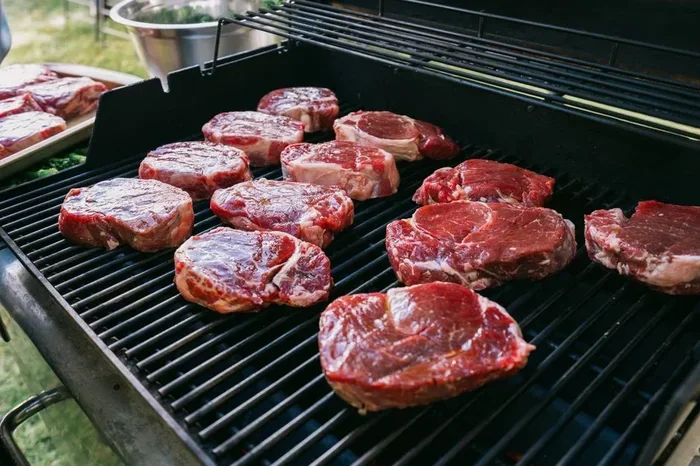
The prime rib meat temperature chart is your ultimate guide to cooking steaks and roasts to perfection. Knowing the right internal meat temperature takes the guesswork out of cooking and guarantees juicy, flavorful steaks every single time. Whether you prefer rare, medium, or well-done, this chart has you covered.
Key Takeaways
- Use a reliable meat thermometer: A good thermometer is the single most important tool for achieving the perfect prime rib meat temperature every time.
- Know your doneness levels: Rare (120-125°F), medium-rare (130-135°F), medium (140-145°F), and well-done (160°F+) each require different internal temperatures.
- Rest your meat: Letting your steak or roast rest for 5-10 minutes after cooking allows juices to redistribute and the temperature to rise by 5-10°F.
- Carryover cooking matters: Removing meat just before it hits the target temperature prevents overcooking during the resting phase.
- Preparation affects results: Tenderizing your meat naturally before cooking and choosing the right heat level both influence final doneness.
- Avoid common mistakes: Cutting into meat to check temperature, skipping the rest period, and inconsistent heat are the top errors to avoid.
📑 Table of Contents
- Why the Prime Rib Meat Temperature Chart Is Every Cook’s Best Friend
- What Is the Prime Rib Meat Temperature Chart?
- How to Use the Prime Rib Meat Temperature Chart Like a Pro
- Prime Rib Meat Temperature Chart: Oven vs. Grill vs. Sous Vide
- Common Mistakes That Ruin Your Prime Rib Meat Temperature
- Preparing Your Prime Rib for the Perfect Temperature
- Expert Insights: What Professional Chefs Want You to Know
- Key Takeaways
- Conclusion: Master the Prime Rib Meat Temperature Chart and Cook Like a Pro
Why the Prime Rib Meat Temperature Chart Is Every Cook’s Best Friend
Cooking the perfect steak or prime rib roast is both an art and a science. The difference between a dry, overcooked piece of meat and a juicy, melt-in-your-mouth masterpiece often comes down to one thing: prime rib meat temperature. A reliable temperature chart removes all the guesswork and puts you in control of your cook.
Whether you are grilling a quick steak on a weeknight or slow-roasting a prime rib for a holiday dinner, understanding how internal meat temperature works will change the way you cook forever. This guide walks you through everything you need to know about the prime rib meat temperature chart for perfect steaks and roasts.
What Is the Prime Rib Meat Temperature Chart?
The prime rib meat temperature chart is a reference guide that shows you the exact internal temperatures your meat needs to reach for different levels of doneness. Think of it as a cheat sheet. Instead of cutting into your steak and hoping for the best, you use a thermometer to check the cooking temperature and know exactly where you stand.
This chart applies to beef cuts including prime rib roast, ribeye steaks, tenderloin, and other thick cuts. It works hand in hand with a quality meat thermometer to give you consistent, repeatable results.
Here is the basic steak temperature guide you will want to keep handy:
- Rare: 120-125°F (49-52°C) — Cool red center, very juicy
- Medium-Rare: 130-135°F (54-57°C) — Warm pink center, peak flavor and tenderness
- Medium: 140-145°F (60-63°C) — Slightly pink center, firm texture
- Medium-Well: 150-155°F (66-68°C) — Just a hint of pink, drier
- Well-Done: 160°F+ (71°C+) — Fully brown throughout, very firm
Understanding Doneness Levels
Each level of doneness appeals to different palates. Most steak lovers swear by medium-rare because it delivers the best balance of juiciness, flavor, and tenderness. But personal preference is what matters most. The key is knowing what temperature to aim for so you hit that sweet spot consistently.
Keep in mind that the internal temperature will rise another 5-10°F after you pull the meat off the heat. This is called carryover cooking, and it plays a big role in the final result. We will talk more about that shortly.
How to Use the Prime Rib Meat Temperature Chart Like a Pro
Having the chart is one thing. Using it correctly is another. Here is a step-by-step approach that takes you from raw meat to a perfect plate.
Step 1: Choose the Right Meat Thermometer
A good meat thermometer is non-negotiable. You can skip the guesswork entirely if you invest in a reliable instant-read or leave-in probe thermometer. If you are unsure whether your thermometer can handle high oven temperatures, check out this helpful guide on how do I know if my meat thermometer is oven safe to make sure your tool is up to the task.
Digital thermometers tend to be the most accurate and fastest. They give you a reading in seconds, which is especially helpful when you are managing heat on a grill or in the oven.
Step 2: Measure Temperature at the Thickest Point
Insert the thermometer into the geometric center of the meat. Avoid touching bone, fat, or the cooking surface. These can give you a false reading and throw off your entire cook. The goal is to measure the core temperature of the muscle tissue.
Step 3: Pull Off Heat Early
This is where most beginners slip up. You should pull your steak or roast off the heat when it is 5-10°F below your target temperature. The resting temperature will climb during the rest period. If you wait until the thermometer hits the final number, you will end up overcooked.
Step 4: Let the Meat Rest
Resting is critical. When meat sits for 5-10 minutes after cooking, the juices redistribute throughout the fibers. Cutting into it too early sends all those delicious juices running onto your cutting board instead of staying in the meat. Use this time to prep your sides or set the table.
Prime Rib Meat Temperature Chart: Oven vs. Grill vs. Sous Vide
Different cooking methods produce slightly different results. Here is a quick comparison of how the prime rib meat temperature plays out across three popular methods.
| Doneness | Oven Roast (°F) | Grill (°F) | Sous Vide (°F) |
|---|---|---|---|
| Rare | 120-125 | 120-125 | 131 (after sear) |
| Medium-Rare | 130-135 | 130-135 | 131 (after sear) |
| Medium | 140-145 | 140-145 | 140 (after sear) |
| Well-Done | 160+ | 160+ | 155+ (after sear) |
As you can see, the target internal temperatures remain fairly consistent regardless of the cooking method. Sous vide cooking uses precise water baths to hold meat at a specific heat level for extended periods. After the bath, a quick sear on high heat adds that golden crust without significantly raising the internal temperature.
Quick Tips for Each Method
- Oven: Preheat properly and use a roasting pan. A consistent oven temperature prevents hot spots and uneven cooking.
- Grill: Create a two-zone fire. Sear over direct heat, then move to indirect heat to finish gently.
- Sous Vide: Vacuum-seal your meat with herbs and butter. This method is fantastic for achieving edge-to-edge steak doneness.
Common Mistakes That Ruin Your Prime Rib Meat Temperature
Even experienced home cooks make errors that throw off their results. Avoid these common pitfalls to keep your beef on track.
Mistake 1: Guessing Instead of Measuring
Color and touch are not reliable indicators. The only way to know your meat temperature accurately is with a thermometer. Relying on visual cues alone leads to inconsistent results every time.
Mistake 2: Opening the Oven or Grill Too Often
Every time you open the oven door or lift the grill lid, you lose heat and extend cooking time. This creates temperature fluctuations that make it harder to hit your target. Trust the process. Stay patient and keep the lid or door closed as much as possible.
Mistake 3: Skipping the Rest Period
We cannot stress this enough. Resting your meat after cooking is just as important as the cook itself. Cutting in too early releases precious juices and dries out your steak. Give it at least 5 minutes for smaller cuts and up to 15 minutes for a large prime rib roast.
Mistake 4: Not Accounting for Carryover Cooking
As we mentioned, the temperature will continue to rise after you remove the meat. If you pull a steak at 135°F aiming for medium-rare, it will settle around 140-145°F after resting, which is actually medium. Plan accordingly and pull your meat early.
Mistake 5: Using a Cheap or Inaccurate Thermometer
Not all thermometers are created equal. Some budget models can be off by 10°F or more. Invest in a trusted brand and test it occasionally in ice water (it should read 32°F) to verify accuracy. If you want to explore natural ways to prep your beef before cooking, you might find this guide on how to tenderize meat naturally helpful for improving flavor and texture alongside your temperature game.
Preparing Your Prime Rib for the Perfect Temperature
How you prep your meat before it hits the heat makes a real difference in how evenly it cooks and how well it holds temperature. Proper preparation sets the stage for a flawless cook.
Bring Meat to Room Temperature
Take your steak or roast out of the fridge 30-60 minutes before cooking. Cold meat placed on high heat cooks unevenly. The outside overcooks while the inside struggles to catch up. A warm start promotes more uniform cooking temperature throughout the cut.
Season Generously
Salt and pepper are the classics, but do not be afraid to experiment. Garlic powder, smoked paprika, and fresh herbs add layers of flavor. Apply your seasoning at least 40 minutes before cooking, or right before it goes on the heat. This helps the salt penetrate the surface and enhances the natural beef flavor.
Dry the Surface
Pat your meat dry with paper towels before seasoning or searing. Moisture on the surface creates steam instead of a sear. A dry surface caramelizes faster and develops that beautiful crust we all love on a great steak.
Tenderize for Better Results
Tougher cuts benefit greatly from tenderizing before cooking. Using a meat mallet or enzymatic tenderizer breaks down connective tissue and promotes more even cooking. If you are working with a tougher roast, consider slow-cooking methods. For example, you can learn techniques for making beef stew meat tender on the stove through this helpful resource on how to make beef stew meat tender on the stove, which also applies to making tougher beef cuts more tender before high-heat cooking methods.
Expert Insights: What Professional Chefs Want You to Know
Professional chefs have been perfecting their prime rib meat temperature game for years. Here are a few insights that can elevate your home cooking.
- Always calibrate your thermometer. Chefs test their tools before every service. A quick ice-water test takes seconds and saves you from bad data.
- Use the reverse sear for thick cuts. Cook low and slow in the oven first, then finish with a hot sear. This method gives you incredible control over the internal meat temperature and a perfect crust.
- Write down your numbers. Keep a cooking log. Note the starting temperature, the target doneness level, and the final result. Over time, you build a personal database that makes every cook better than the last.
- Do not fear medium-rare. Most professionals cook beef to medium-rare or medium at most. Higher temperatures dry out premium cuts and mask the natural quality of the beef.
Key Takeaways
- Use a reliable meat thermometer: A good thermometer is the single most important tool for achieving the perfect prime rib meat temperature every time.
- Know your doneness levels: Rare (120-125°F), medium-rare (130-135°F), medium (140-145°F), and well-done (160°F+) each require different internal temperatures.
- Rest your meat: Letting your steak or roast rest for 5-10 minutes after cooking allows juices to redistribute and the temperature to rise by 5-10°F.
- Carryover cooking matters: Removing meat just before it hits the target temperature prevents overcooking during the resting phase.
- Preparation affects results: Tenderizing your meat naturally before cooking and choosing the right heat level both influence final doneness.
- Avoid common mistakes: Cutting into meat to check temperature, skipping the rest period, and inconsistent heat are the top errors to avoid.
Conclusion: Master the Prime Rib Meat Temperature Chart and Cook Like a Pro
The prime rib meat temperature chart is more than just a list of numbers. It is your roadmap to consistently delicious beef, whether you are cooking a quick weeknight steak or a show-stopping prime rib roast for a special occasion. By understanding internal meat temperature targets, respecting carryover cooking, and using a reliable thermometer, you take the guesswork completely out of the equation.
Remember to rest your meat, prep it properly, and avoid the common mistakes that trip up so many home cooks. With practice and a little patience, you will hit your target steak doneness every single time. Fire up that grill or preheat that oven and put this knowledge to work. Your perfect steak is waiting.
Frequently Asked Questions
What is the ideal prime rib meat temperature for medium-rare?
The ideal prime rib meat temperature for medium-rare is between 130°F and 135°F. Pull the meat off heat at about 125°F to account for carryover cooking. This range delivers a warm pink center with maximum juiciness and flavor, which is why most steak lovers prefer this doneness level.
How do I check the temperature without a thermometer?
While a thermometer is the most accurate tool, you can use the touch test as a rough guide. Press the base of your thumb to your index finger — the firmness of the fleshy area beneath your thumb roughly matches the texture of a rare steak. However, this method is inconsistent, and we strongly recommend using a proper meat thermometer for reliable results every time.
Does the thickness of the steak affect cooking temperature?
Yes, thickness plays a big role. Thicker cuts need lower, slower heat to cook evenly without burning the outside. Thinner steaks can handle higher heat for a shorter time. Regardless of thickness, always target the same internal meat temperature for your desired doneness. The cooking time and heat level adjust, but the final temperature goal stays the same.
What is carryover cooking and why does it matter?
Carryover cooking is the rise in internal temperature that happens after you remove meat from the heat source. Residual heat continues to cook the center for 5-10°F after pulling. This is why experts recommend removing your steak or roast before it reaches the target temperature on the chart. Ignoring carryover cooking is one of the most common reasons steaks end up overdone.
Can I use the same temperature chart for pork and chicken?
No, you should not use a beef temperature chart for other proteins. Pork and chicken have different safe minimum internal temperatures. For example, chicken needs to reach 165°F for food safety. Always use a chart specific to the type of meat you are cooking. The prime rib meat temperature chart is designed specifically for beef cuts like prime rib, ribeye, and tenderloin.
How long should I rest my prime rib after cooking?
Rest your prime rib for at least 10-15 minutes for smaller roasts and up to 20-30 minutes for a full prime rib roast. During this time, the internal temperature stabilizes and juices redistribute throughout the meat. Cutting too early releases those juices onto the cutting board, leaving you with a drier result. Tent the meat loosely with foil while it rests to keep it warm without trapping too much steam.



