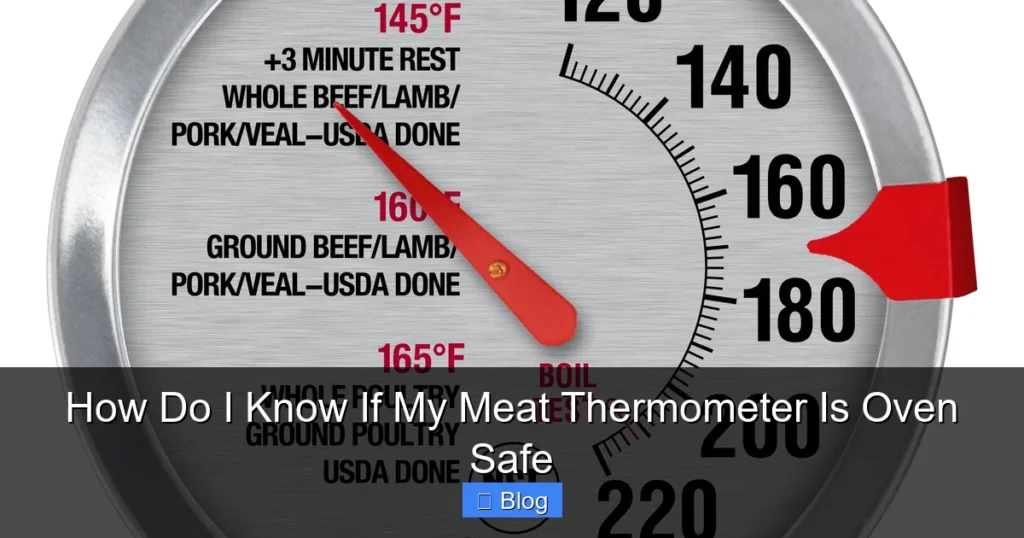
Using a meat thermometer in the oven? Not all models are built for high heat. You could damage your thermometer or worse—risk food safety by melting plastic parts or releasing harmful fumes. This guide shows you exactly how to tell if your meat thermometer is oven safe, what materials to look for, and how to test it safely. Stay safe, cook with confidence, and never guess again.
Let’s face it: cooking a perfect roast chicken or a juicy prime rib isn’t just about timing—it’s about precision. That’s where your trusty meat thermometer comes in. But here’s the catch: not every thermometer can handle the heat of the oven. In fact, sticking a regular instant-read thermometer into a hot oven might seem logical, but it could backfire in more ways than one. From melted plastic handles to inaccurate readings due to thermal shock, using the wrong thermometer in the oven can ruin your meal—and potentially your kitchen.
So how do you know if your meat thermometer is oven safe? Is there a quick trick, a label to check, or do you need to run tests? This comprehensive guide will walk you through everything you need to know—from understanding what makes a thermometer heat-resistant to practical steps for testing yours today. Whether you’re roasting a Thanksgiving turkey, smoking a brisket, or baking a rack of lamb, knowing whether your thermometer can survive the oven is essential for both safety and accuracy.
Key Takeaways
- Understanding How Do I Know If My Meat Thermometer Is Oven Safe: Provides essential knowledge
📑 Table of Contents
Why Oven Safety Matters for Meat Thermometers
When you slide a roast into a 400°F oven, things get hot fast. Your thermometer sits inside that environment, exposed to rising temperatures, radiant heat, and sometimes even direct contact with hot surfaces. If it’s not designed for that kind of heat, disaster looms. A cheap plastic-bodied thermometer might soften, warp, or even melt. More importantly, internal components like batteries or circuit boards can fail—leading to inaccurate readings or, worse, electrical hazards.
Beyond physical damage, there’s the issue of chemical safety. Some low-quality thermometers contain plastics or adhesives that release toxic fumes when overheated. While rare, this poses a real risk, especially in enclosed spaces like ovens. And let’s not forget accuracy: if your thermometer warps or its sensor shifts due to heat, you’ll end up undercooking or overcooking your meat—both of which compromise flavor and food safety.
That’s why manufacturers clearly mark whether their devices are oven safe. It’s not just marketing fluff—it’s a critical warning. Think of it like checking if your mixing bowl is microwave safe before microwaving soup. The same principle applies here: not all tools are created equal, and knowing your thermometer’s limits keeps your kitchen—and your dinner guests—safe.
How to Identify Oven-Safe Meat Thermometers
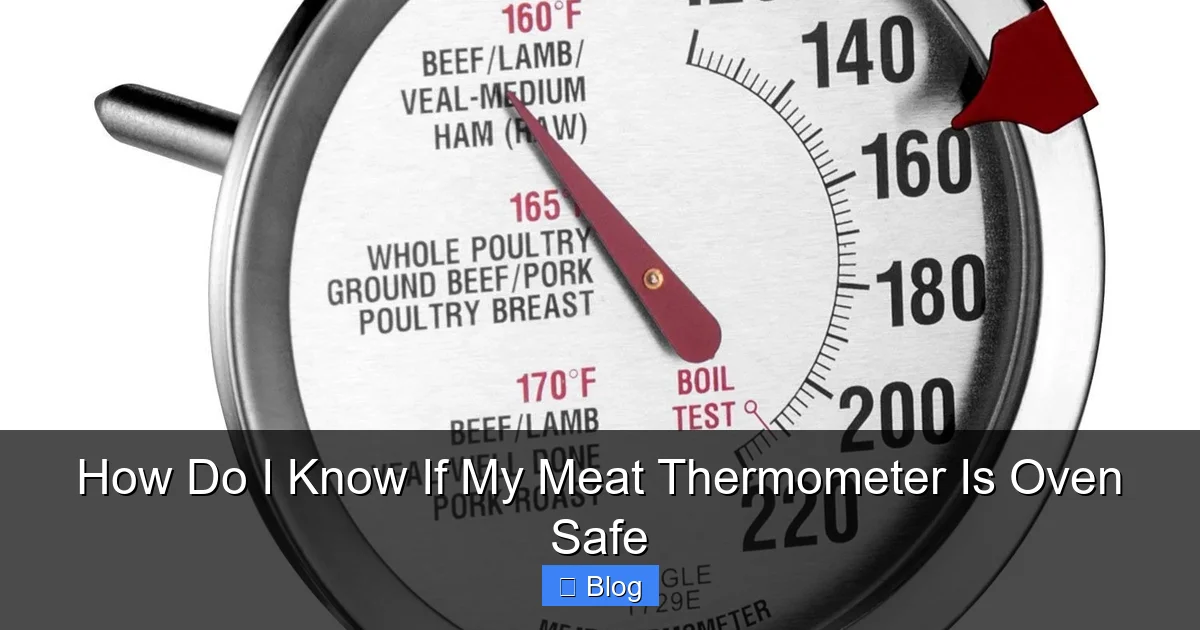
Visual guide about How Do I Know If My Meat Thermometer Is Oven Safe
Image source: images-na.ssl-images-amazon.com
Not all meat thermometers are built the same. Some are made specifically for stovetops or grills; others are engineered to live inside the oven during long, slow cooks. Here’s how to spot the difference.
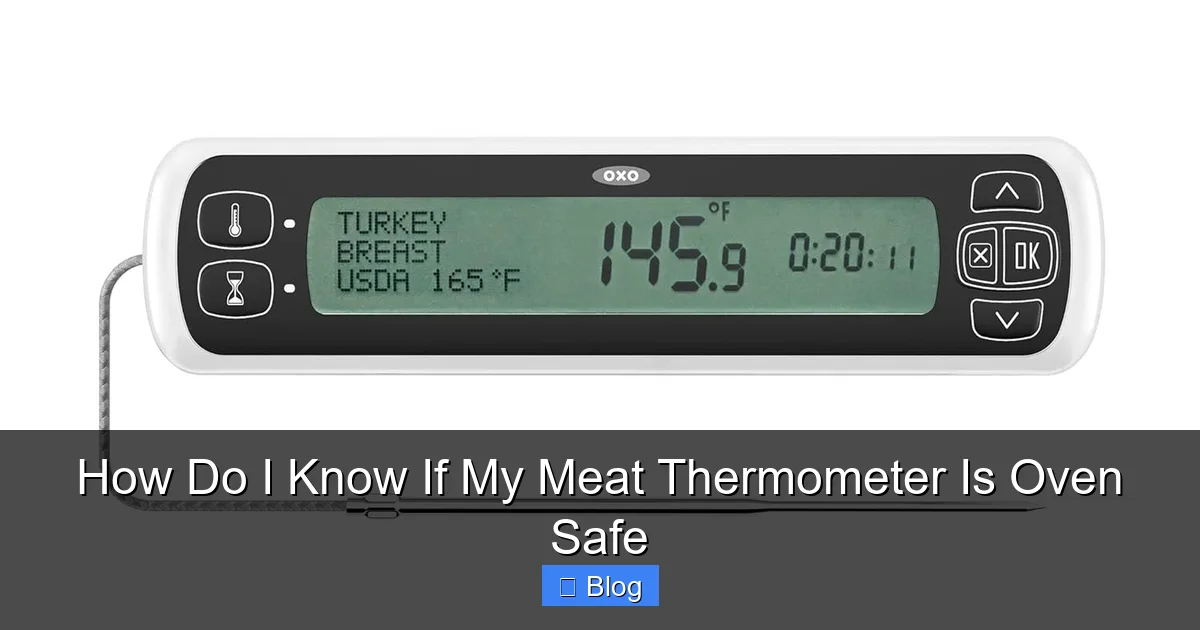
Start by reading the product description or user manual. Reputable brands always state whether their thermometers are oven safe and, if so, up to what temperature. You might see phrases like “oven safe up to 500°F” or “do not expose to open flame.” These labels aren’t arbitrary—they reflect rigorous testing standards. For example, thermometers used in professional kitchens or commercial roasters must meet strict durability criteria.
Next, examine the construction. An oven-safe thermometer typically has:
– A **metal probe** (usually stainless steel), which resists heat better than plastic or rubber.
– A **glass or metal housing** around the probe tip, rather than plastic.
– A **heat-resistant cord or wire**, often braided or coated with high-temp insulation.
– No visible seams or joints that suggest cheap adhesives.
In contrast, non-oven-safe models often feature:
– **Plastic bodies** that feel flimsy or soft to the touch.
– **Visible screws or glued parts**, which may loosen under heat.
– **Short, thin cords** without protective sheathing.
Another clue? Price. High-end oven-safe thermometers cost more because they use superior materials. If your thermometer was $10 or less, odds are it wasn’t built for oven duty. But don’t assume all expensive ones are oven safe either—always double-check.
Finally, consider the type of thermometer you own. There are three main kinds:
1. **Instant-read thermometers**: These are for quick checks after cooking. Most aren’t oven safe.
2. **Leave-in thermometers**: Designed to stay in food while cooking—these are often oven safe.
3. **Wireless thermometers**: Include a probe and a receiver; many models support oven use.
For oven cooking, leave-in or wireless thermometers are your best bet. Brands like ThermoPro, Inkbird, and Maverick offer reliable options with clear oven-safe ratings.
Common Signs Your Meat Thermometer Isn’t Oven Safe
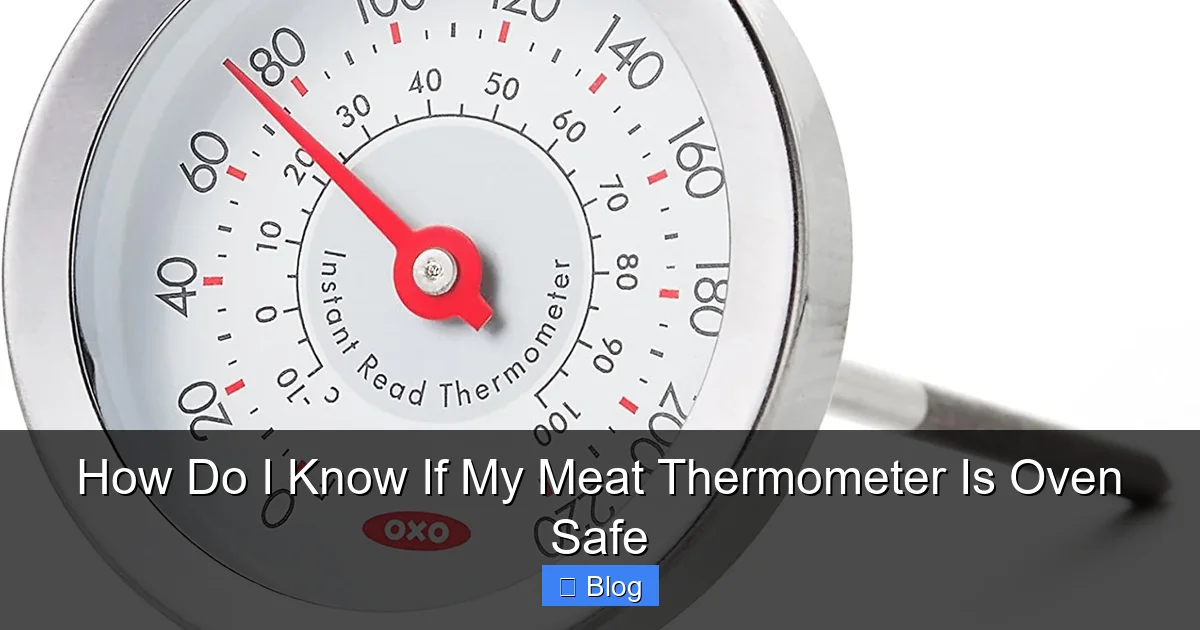
Visual guide about How Do I Know If My Meat Thermometer Is Oven Safe
Image source: images-na.ssl-images-amazon.com
Even if your thermometer doesn’t have a clear label, you can still assess its oven readiness by looking for red flags. Watch out for these common warning signs:
**1. Melted or warped casing:** If the body feels soft, sticky, or visibly deformed near the probe, it likely can’t handle heat. Run your fingers along the surface—if it’s warm after a minute in the oven, that’s a bad sign.
**2. Cracks or discoloration:** Tiny hairline fractures or yellowing around buttons or seals indicate thermal stress. These weak points can fail suddenly during heating.
**3. Loose components:** Shake the thermometer gently. If the probe wobbles or the LCD screen moves independently, the internal connections aren’t secure. Heat will only worsen this.
**4. Battery leakage:** Batteries in thermometers degrade faster when exposed to heat. If you notice corrosion or fluid around the battery compartment, toss it immediately. Leaked chemicals can damage both the device and your food.
**5. Inconsistent readings:** If your thermometer gives wildly different temperatures when moved slightly, its sensor may be compromised. This often happens after repeated heat exposure.
Also pay attention to how the thermometer behaves during preheating. Place it in a cold oven and turn it on. After 10 minutes at 200°F, check for any changes in appearance or function. If nothing seems off, proceed cautiously—but remember, this only tests low heat. High-heat ovens (above 350°F) present greater risks.
Practical Tests to Confirm Oven Safety
Visual guide about How Do I Know If My Meat Thermometer Is Oven Safe
Image source: images-na.ssl-images-amazon.com
If you’re still unsure whether your thermometer can take the heat, try these simple home tests. They won’t guarantee full oven safety, but they’ll give you peace of mind.
**Test 1: Low-Temperature Exposure**
Place your thermometer in a shallow dish of water and put it in a 150–200°F oven for 15 minutes. Use a separate oven-safe thermometer (like a candy thermometer) to monitor the water temperature. At the end, remove the meat thermometer and inspect it for:
– Warping
– Color change
– Unusual smells
– Display malfunction
If everything looks normal, it probably handles low oven temps okay. But avoid using it above 300°F unless you know it’s rated higher.
**Test 2: Thermal Shock Check**
Fill a bowl with ice water and another with boiling water. Submerge the probe briefly in each (no more than 5 seconds per side). Rapid temperature changes stress sensors. If the thermometer skips numbers, freezes, or fails entirely, it’s not reliable—especially in fluctuating oven environments.
**Test 3: Multimeter Verification (Advanced)**
If your thermometer has a digital display, you can test the circuitry with a multimeter. Set it to measure resistance and touch the probes to the thermometer’s terminals (check the manual for locations). A stable reading suggests the electronics are intact. However, this requires some technical knowledge—so skip it if you’re uncomfortable.
Remember: passing these tests doesn’t mean your thermometer is officially oven safe. It just means it hasn’t shown obvious flaws yet. When in doubt, err on the side of caution.
Best Practices for Using Meat Thermometers in the Oven
Assuming your thermometer passes the above checks—or already has a confirmed oven-safe rating—here’s how to use it properly without damaging it or compromising food safety.
First, position the thermometer carefully. Never let the probe touch the oven walls, racks, or heating elements. Radiant heat from those areas can exceed 600°F, far beyond most thermometers’ limits. Instead, center it in the thickest part of the meat, away from bones or fat pockets, which conduct heat differently.
Second, avoid opening the oven door too frequently. Every time you open it, the temperature drops by 25–50°F. Frequent fluctuations stress the thermometer’s sensor and affect cooking consistency. Only check once every 20–30 minutes for large roasts.
Third, clean your thermometer properly after oven use. Wipe the probe with a damp cloth and mild soap. Avoid soaking it, as moisture can seep into electronic parts. Let it air-dry completely before storing.
Fourth, calibrate regularly. Digital thermometers drift over time, especially when exposed to extreme temperatures. Test them against boiling water (212°F at sea level) or an ice bath (32°F) monthly. Adjust according to the manufacturer’s instructions.
Finally, invest in a dedicated oven-safe thermometer if you cook often. Models like the ThermoPop+ or Taylor Precision Products’ leave-in thermometers are affordable, durable, and explicitly rated for oven use. They’re worth every penny for serious home cooks.
Safety Tips Beyond Oven Use
Even if your thermometer isn’t oven safe, it’s still invaluable for everyday cooking. Just keep these guidelines in mind:
– **Always remove it before serving.** Never eat food that’s been pierced by a thermometer unless the probe is food-grade and sanitized.
– **Sanitize after each use.** Wash with hot, soapy water or run through a dishwasher (if dishwasher safe).
– **Store separately.** Keep it away from knives or other sharp objects that could puncture the probe.
– **Replace when needed.** Most digital thermometers last 3–5 years. If the battery dies quickly or readings become erratic, it’s time for a new one.
And speaking of replacements—when shopping, look for certifications like NSF or FDA approval. These ensure the thermometer meets basic food safety standards, including non-toxic materials.
For extra reassurance, pair your thermometer with a timer. Many modern models sync with phones via Bluetooth, alerting you when your meat hits the perfect temperature. This reduces the need to open the oven repeatedly, preserving heat and protecting your thermometer.
Lastly, educate yourself on safe internal temperatures. Different meats require different targets—for instance, poultry must reach 165°F, while beef medium-rare is 145°F. Knowing these prevents undercooking, which is far more dangerous than overcooking.
Conclusion: Cook Smart, Stay Safe
Your meat thermometer is more than a gadget—it’s a tool for precision, safety, and delicious results. But using it in the oven demands awareness. Not all thermometers are created equal, and assuming otherwise can lead to melted plastics, inaccurate readings, or even health risks.
By checking labels, inspecting materials, running simple tests, and following best practices, you’ll know exactly whether your meat thermometer is oven safe. When in doubt, choose a model explicitly rated for oven use. It’s a small investment that pays off in confidence and consistent meals.
Remember: food safety starts with accurate temperature control. Whether you’re roasting a holiday turkey or searing a steak, your thermometer is your best ally. Use it wisely, maintain it well, and never hesitate to replace it if it shows signs of wear. After all, great cooking isn’t just about technique—it’s about preparation, care, and knowing your tools inside and out.
Frequently Asked Questions
Can all meat thermometers go in the oven?
No, only thermometers labeled as oven safe can withstand high heat. Most instant-read models aren’t designed for oven use and may melt or fail. Always check the manufacturer’s specifications before placing any thermometer in a hot oven.
What temperature can most oven-safe meat thermometers handle?
Most oven-safe meat thermometers are rated up to 500°F (260°C). Some heavy-duty models can exceed 600°F, but anything below 300°F is generally considered safe for standard digital thermometers. Never assume—verify the rating first.
How can I tell if my meat thermometer has a plastic body?
If the main housing feels soft, flexible, or looks like molded plastic, it likely isn’t oven safe. Metal-bodied thermometers have rigid, shiny casings. Also, check for words like “plastic” or “ABS” in the product description.
Is it safe to leave a meat thermometer in the oven while cooking?
Only if it’s specifically designed for oven use. Leave-in thermometers with metal probes and heat-resistant coatings can stay in during roasting or slow cooking. Regular instant-read models should be removed once the target temperature is reached.
What should I do if my meat thermometer melts in the oven?
Immediately stop cooking and ventilate the area. Remove all traces of melted plastic or debris from your oven and food. Discard the thermometer and any contaminated portions of meat. Replace it with an oven-safe model.
Are wireless meat thermometers oven safe?
Many wireless thermometers are oven safe, but always confirm with the manufacturer. Look for models that specify “oven safe probe” or “high-heat resistant.” The transmitter itself must stay outside the oven, but the probe can go inside.