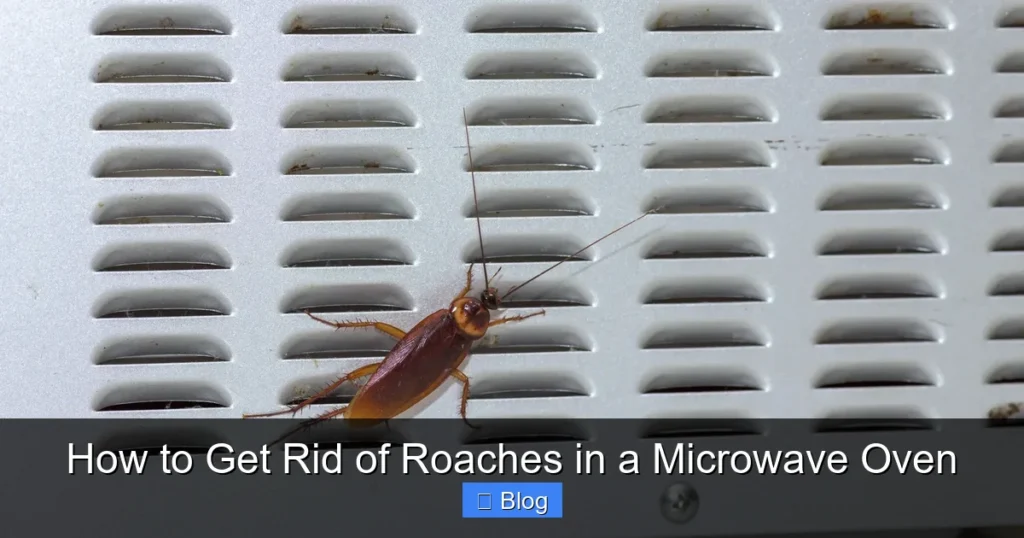
Roaches in your microwave can be more than just gross—they can spread germs and ruin your appliances. This guide walks you through simple, step-by-step solutions to clean and disinfect your microwave safely, remove food crumbs that attract pests, and prevent future infestations. Whether you’re dealing with live roaches or just signs of their presence, these practical tips will help you reclaim your kitchen and keep it pest-free.
Key Takeaways
- Identify the source: Roaches are drawn to food residue, moisture, and warmth—common in microwaves after meals.
- Clean thoroughly: Remove all crumbs, spills, and grease inside and outside your microwave to eliminate attraction points.
- Use natural repellents: Diatomaceous earth, boric acid, or essential oils like peppermint can deter roaches without harsh chemicals.
- Seal entry points: Fix cracks, gaps near vents, and damaged seals around the microwave door to block access.
- Maintain cleanliness: Wipe down your microwave weekly and store food properly to discourage future infestations.
- Call professionals if needed: For severe infestations, licensed pest control experts can provide lasting solutions.
Have you ever opened your microwave only to find a cockroach scurrying across the turntable? It’s not just unsettling—it’s a sign that your kitchen might be harboring more than just leftover popcorn. While microwaves aren’t typical nesting spots for roaches, they’re definitely attractive to them. The warmth, food crumbs, and occasional moisture make your trusty kitchen appliance a tempting hideout.
Roaches love hidden, dark spaces where food is easy to find and predators aren’t likely to show up. If you’ve noticed droppings, strange smells, or even live roaches near or inside your microwave, it’s time to take action. But don’t panic—this guide will walk you through safe, effective ways to get rid of roaches in a microwave oven and keep them from coming back.
From deep cleaning to sealing entry points, we’ll cover everything you need to know to turn your microwave into a no-roach zone. Let’s dive in and reclaim your kitchen!
Key Takeaways
- Understanding How To Get Rid Of Roaches In A Microwave Oven: Provides essential knowledge
📑 Table of Contents
- Why Are Roaches Attracted to Microwaves?
- How to Identify a Roach Infestation in Your Microwave
- Step-by-Step Guide: How to Clean Your Microwave Thoroughly
- Natural Ways to Repel Roaches Around Your Microwave
- Sealing Entry Points: Stop Roaches From Entering
- Preventing Future Roach Infestations
- When to Call a Professional Pest Control Service
Why Are Roaches Attracted to Microwaves?
Microwaves may seem too small or exposed to be appealing to roaches, but several factors draw them in. First, they’re attracted to food. Even a single speck of grease or sugar left behind after reheating soup or melting butter can act like a dinner bell. Roaches can smell tiny traces of food from inches away—and your microwave is no exception.
Second, microwaves often retain heat long after they’ve turned off. This warmth creates a cozy environment, especially if the appliance isn’t cleaned regularly. Roaches also enjoy moisture, so if you’ve spilled water or steamed something inside, you’ve created a mini oasis.
Finally, microwaves are often located near other kitchen sources of food and shelter—like countertops, cabinets, and sinks. If those areas aren’t kept clean, roaches may simply use the microwave as a shortcut between food sources. Understanding why roaches are drawn to your microwave helps you target the root cause, not just the symptom.
How to Identify a Roach Infestation in Your Microwave
Visual guide about How to Get Rid of Roaches in a Microwave Oven
Image source: thekitchenix.com
Before you start cleaning or spraying, it’s important to confirm whether you’re actually dealing with roaches—or just a one-time visitor. Signs of a roach problem include:
- Droppings: Small, dark specks (about the size of a pinhead) that look like coffee grounds or pepper.
- Shed skins: Roaches shed their exoskeletons as they grow. Finding these translucent shells means there’s an active population nearby.
- Unpleasant odors: A musty, oily smell often indicates roach activity, especially in enclosed spaces.
- Live or dead roaches: Seeing a roach zip out when you open the microwave door is a clear warning sign.
If you spot any of these clues, don’t ignore them. Early detection makes cleanup easier and prevents the problem from spreading to other parts of your kitchen. Remember, roaches reproduce quickly—what starts as a few bugs can become a full-blown infestation in weeks.
Step-by-Step Guide: How to Clean Your Microwave Thoroughly
The first step to getting rid of roaches in a microwave oven is a deep clean. Roaches leave behind waste, shed skin, and emit pheromones that attract more pests. Removing these traces breaks the cycle.
Start by unplugging your microwave for safety. Then, create a cleaning solution using equal parts water and white vinegar in a spray bottle. Vinegar neutralizes odors and kills bacteria without leaving sticky residues.
Next, place a microwave-safe bowl filled with water and a few drops of dish soap inside the appliance. Microwave on high for 3–5 minutes until steam fills the interior. This softens dried-on food, making it much easier to wipe away.
Once cooled slightly, carefully remove the bowl and sponge or cloth to scrub every surface—turntable, walls, ceiling, and door seal. Pay special attention to corners and crevices where crumbs hide. Rinse with a damp cloth and dry completely before plugging back in.
For stubborn stains, mix baking soda with a little water to form a paste. Apply it to affected areas, let sit for 10 minutes, then scrub gently. Baking soda is non-toxic and excellent for cutting through grease.
After cleaning, inspect the area around the microwave too. Crumbs under the counter or on the floor can still attract roaches, so sweep and vacuum thoroughly.
Pro Tip:
Keep a damp cloth handy whenever you reheat food. Wiping down the inside immediately after use prevents buildup and reduces the chance of attracting pests.
Natural Ways to Repel Roaches Around Your Microwave
Visual guide about How to Get Rid of Roaches in a Microwave Oven
Image source: thekitchenix.com
Once your microwave is spotless, focus on keeping roaches away. Chemical sprays can be effective but may linger in your kitchen. Natural alternatives are safer for families, pets, and the environment—and they work surprisingly well.
- Boric acid: Mix powdered boric acid with a sweet substance like peanut butter or jelly. Place tiny dots near baseboards, behind appliances, and around the microwave. Roaches carry it back to their nests, killing others over time. Keep away from children and pets.
- Diatomaceous earth: This fine powder damages roach exoskeletons. Sprinkle it lightly around the microwave’s base and in corners. Avoid breathing it in; use a mask when applying.
- Essential oils: Peppermint, eucalyptus, and tea tree oil repel roaches. Soak cotton balls in diluted oil (10 drops per cup of water) and place them near the microwave. Reapply every few days.
- Cloves and bay leaves: These spices naturally drive away roaches. Fill small sachets with cloves or bay leaves and tuck them into corners near your microwave.
These methods disrupt roaches’ sense of smell and make your kitchen less inviting. Combine them with regular cleaning for best results.
Sealing Entry Points: Stop Roaches From Entering
Even the cleanest microwave won’t stay pest-free if roaches can easily enter. Inspect your kitchen for common entry points and seal them shut.
Check the microwave’s door seal for tears or gaps. Damaged rubber gaskets allow moisture and odors to escape while letting pests sneak in. Replace worn seals promptly.
Look around the appliance’s base—especially where it meets the countertop. Cracks or spaces provide perfect hiding spots. Use caulk or silicone sealant to fill gaps. Don’t forget the exhaust vent and power cord hole; plug these openings with steel wool or mesh.
Also examine nearby cabinets and outlets. Roaches crawl through tiny holes behind appliances. Seal electrical conduits and switch plates tightly. Regularly check under sinks and along baseboards.
Remember: sealing isn’t a one-time fix. Re-inspect monthly for new cracks, especially after moving furniture or installing new appliances.
Preventing Future Roach Infestations
Stopping roaches from returning requires ongoing habits, not just a one-off clean. Prevention is key to maintaining a pest-free kitchen.
Store food in airtight containers—even spices and pet food attract roaches. Never leave dirty dishes piled overnight; wash them right after eating.
Wipe counters daily and sweep floors regularly. Vacuum under and behind appliances at least once a week. Moisture control matters too—fix leaky faucets and ensure proper ventilation in humid areas.
Consider setting up sticky traps near your microwave. These won’t solve an infestation but can catch stragglers and help monitor activity.
Lastly, avoid overusing your microwave for messy foods. Greasy sauces, sugary snacks, and fatty meats leave tough residues. If you do cook them, clean immediately afterward.
By combining deep cleaning with smart habits, you’ll create an environment roaches won’t want to call home.
When to Call a Professional Pest Control Service
If you’ve followed all the steps above and still see roaches, it’s time to bring in the pros. Persistent infestations often require specialized treatments beyond DIY methods.
Signs you need professional help include:
- Multiple roaches seen daily
- Large piles of droppings
- Damage to walls, insulation, or wiring
- No improvement after two weeks of home treatment
Licensed exterminators use targeted baits, insect growth regulators, and fumigation techniques that eliminate entire colonies. They also identify hidden nests and provide long-term prevention plans.
While it costs money upfront, calling experts saves time and ensures the problem doesn’t worsen. Plus, many offer warranties on their services.
Don’t wait until your whole kitchen is crawling. Early intervention is always cheaper and less stressful.
Frequently Asked Questions
Can roaches survive inside a sealed microwave?
No, a fully sealed microwave cannot sustain life. Roaches need oxygen and food, which aren’t available in an airtight, inactive appliance. However, they may enter briefly seeking shelter and exit once conditions change.
Is it safe to microwave vinegar to clean my microwave?
Yes, but only when mixed with water. Microwaving plain vinegar won’t produce enough steam to loosen grime. Always use a microwave-safe container and avoid overheating.
Will bleach kill roaches in my microwave?
Bleach kills germs and removes stains, but it won’t eliminate live roaches or eggs. It’s also harsh on surfaces and unsafe if inhaled. Stick to vinegar or baking soda for cleaning.
How often should I clean my microwave to prevent roaches?
At minimum, wipe down the interior after each use. Deep clean once a week with vinegar and water. Monthly inspections help catch early signs of pests.
Can I use commercial insecticides inside my microwave?
Never spray aerosol insecticides directly into your microwave. Residue can contaminate food and damage internal components. Use repellent powders or baits only in nearby areas, not inside.
Do I need to clean my microwave if I see just one roach?
Absolutely. One roach often means others are nearby. Clean immediately to remove attractants and break the cycle before the population grows.