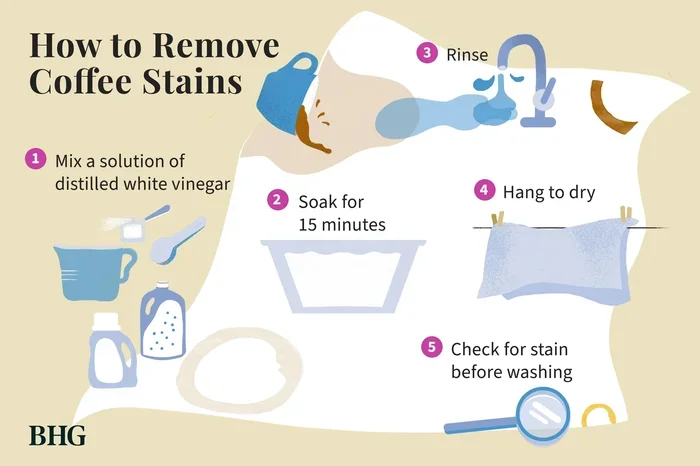
Coffee stains ruin favorite mugs, shirts, and rugs, but you can remove them easily. How to get rid of coffee stains starts with quick action and simple household items. White vinegar, baking soda, and mild dish soap work wonders on most surfaces. Follow the right steps for each material and your belongings will look brand new again.
Key Takeaways
- Act fast: Blot and rinse coffee spills immediately to stop dark pigments from setting into fibers or porous surfaces.
- Use safe home remedies: White vinegar, baking soda, liquid dish soap, and hydrogen peroxide break down tannins without harsh chemicals.
- Match the method to the material: Ceramic mugs, cotton fabrics, carpets, wood tables, and plastic containers each need a different cleaning approach.
- Test first: Always spot test any solution on a hidden area to protect colors, finishes, and delicate textures.
- Avoid heat initially: Hot water can set coffee stains, so start with cool or lukewarm water before washing or rinsing.
- Prevent future marks: Rinse cups right after use, use coasters, and wash spills promptly to keep surfaces stain-free.
- Know when to call pros: Old, set-in stains on valuable fabrics or antique wood often need professional cleaning for safe results.
📑 Table of Contents
- How to Get Rid of Coffee Stains on Mugs and Cups
- How to Get Rid of Coffee Stains on Clothes and Fabrics
- How to Get Rid of Coffee Stains on Carpets and Rugs
- How to Get Rid of Coffee Stains on Wood and Countertops
- How to Get Rid of Coffee Stains on Plastic and Travel Mugs
- How to Prevent Coffee Stains in the Kitchen
- Expert Insights and Common Mistakes
- Comparison of Common Coffee Stain Remedies
- Quick Tips for Fast Results
- Common Mistakes to Avoid
- Key Takeaways
- Conclusion
How to Get Rid of Coffee Stains on Mugs and Cups
Coffee leaves a dark ring that clings to ceramic, glass, and plastic. The good news is that most cup stains are surface-level and easy to lift. You just need the right mix of gentle abrasion and acid to break down the tannins. Start with the simplest method before moving to stronger solutions.
Quick Soak Method for Everyday Mugs
Fill the stained mug with warm water and add a squirt of mild dish soap. Let it sit for ten to fifteen minutes. The soak softens the residue, so a soft sponge can wipe away the rest. Rinse well and dry with a clean cloth. This works best for fresh marks and light buildup.
Baking Soda Paste for Tough Rings
For stubborn interior stains, make a thick paste with baking soda and a little water. Spread it around the affected area and let it rest for five minutes. Gently scrub with a non-scratch sponge or cloth. The mild abrasive lifts the dark film without scratching the surface. Rinse thoroughly and repeat if needed.
Vinegar Boost for Discoloration
If soap and baking soda do not fully clear the mark, add white vinegar. Pour a small amount into the mug, swirl it around, and let it sit for a few minutes. The mild acid helps dissolve coffee pigments that cling to microscopic pores. Rinse well and wash normally. This combo is a reliable way to remove coffee stains from daily drinkware.
How to Get Rid of Coffee Stains on Clothes and Fabrics

Visual guide about coffee stain removal kitchen
Image source: tipsbulletin.com
Fabric absorbs coffee quickly, especially cotton and linen. The key is to treat the spot before it dries and sets. Cold water, gentle detergent, and a little vinegar usually handle the job. Always check the care label first, since delicate fibers need extra care.
Blot, Do Not Rub
Press a clean cloth or paper towel onto the spill to soak up excess liquid. Rubbing pushes the coffee deeper into the weave. Work from the outside edge toward the center to keep the spot from spreading. This simple step makes every later treatment more effective.
Cold Water Rinse From the Back
Turn the garment inside out and run cold water through the back of the stain. This pushes the coffee out the way it entered. Keep the water moving for a minute or two. If the spot lightens, move on to a gentle wash. If it stays dark, repeat the rinse before adding any cleaner.
Dish Soap and Vinegar Mix
Mix one tablespoon of liquid dish soap with one tablespoon of white vinegar in a cup of cold water. Dab the solution onto the stain with a clean cloth. Let it sit for five minutes, then rinse with cold water. This approach helps clean coffee stains from shirts, table linens, and towels without harsh bleach.
Laundry Day Best Practices
Wash the item as usual after pre-treating. Use the warmest water the fabric allows, since heat helps remove residue once the stain is loose. Air dry the piece first to confirm the mark is gone. If any trace remains, avoid the dryer, because heat can lock the stain in place.
How to Get Rid of Coffee Stains on Carpets and Rugs
Visual guide about coffee stain removal kitchen
Image source: kitchenclerk.com
Carpets trap liquid deep in the fibers and padding. A quick response prevents a small drip from becoming a lasting blotch. Use a mild cleaning solution, blot carefully, and let the area dry fully. Heavy scrubbing can fray fibers and spread the discoloration.
Step-by-Step Spot Cleaning
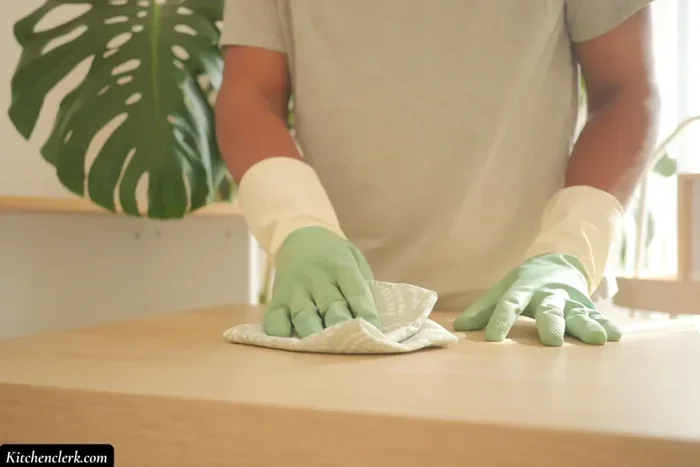
First, blot up as much liquid as possible with a dry towel. Next, mix a cup of warm water with a teaspoon of dish soap and a teaspoon of white vinegar. Dip a clean cloth into the solution, wring it out well, and dab the spot gently. Blot with a dry cloth to lift the moisture. Repeat until the mark fades.
Handling Dried Stains
Old spots need a little more time and patience. Sprinkle a small amount of baking soda over the area after dampening it lightly. Let it sit for ten minutes, then blot and rinse with a damp cloth. This helps lift residue from the fibers. For delicate rugs, test any solution in a hidden corner first.
When to Call a Professional
If the spill reached the padding or the rug is wool, silk, or antique, professional cleaning may be the safest choice. Deep stains can wick back up as the carpet dries. A trained cleaner has the right tools to pull moisture and residue out completely. This can save valuable floor coverings from lasting damage.
How to Get Rid of Coffee Stains on Wood and Countertops

Visual guide about coffee stain removal kitchen
Image source: lh7-rt.googleusercontent.com
Wood and sealed countertops need a gentle touch. Harsh scrubbing can dull the finish or damage the sealant. Use soft cloths, mild cleaners, and minimal moisture. A careful approach protects the surface while lifting the mark.
Wipe and Rinse Lightly
Dampen a soft cloth with water and a drop of dish soap. Wipe the spot in the direction of the wood grain or countertop texture. Rinse the cloth with clean water and wipe again to remove any soap film. Dry the area right away with a separate towel. This basic method handles most fresh spills.
Vinegar for Light Discoloration
For faint shadows left behind, mix equal parts water and white vinegar. Apply a small amount to a cloth, not directly on the surface. Wipe gently and dry immediately. The mild acid helps break down leftover pigments without attacking the finish. Always test in an inconspicuous spot first.
Protecting the Finish
Avoid abrasive pads, bleach, and excessive water on wood. Too much moisture can warp the material or cloud the sealant. Use coasters, trivets, and placemats to reduce future contact. A thin coat of appropriate polish or conditioner can also help the surface resist marks.
How to Get Rid of Coffee Stains on Plastic and Travel Mugs
Plastic and insulated travel containers can hold onto odors and discoloration. The curved lids and seals often trap residue too. Disassemble removable parts and clean each piece separately. A soft brush helps reach narrow corners.
Open Up the Lid and Seal
Take apart the lid, gasket, and any removable valves. Soak these parts in warm, soapy water for a few minutes. Use a soft toothbrush to clean grooves and seals. Rinse every piece well and let them dry fully before reassembling. This prevents lingering smells and hidden buildup.
Baking Soda for Plastic Containers
For stained plastic cups or travel bowls, make a baking soda paste and spread it inside. Let it rest for five to ten minutes, then scrub gently with a soft sponge. Rinse with warm water. This method helps remove coffee stains from lightweight containers without harsh scrubbing.
Odor Control After Cleaning
If a stale smell remains, wipe the interior with a diluted vinegar solution and let it air out. Leave the lid off until the container is completely dry. Good airflow helps clear trapped odors. Store the item open when possible to keep it fresh.
How to Prevent Coffee Stains in the Kitchen
Prevention is easier than deep cleaning. Small habits reduce spills, rings, and buildup on your favorite items. Rinse vessels soon after use, keep cleaning supplies handy, and handle hot drinks with care. These simple routines save time later.
Rinse Right After Use
Empty and rinse mugs, cups, and travel containers as soon as you finish drinking. Fresh residue comes off with far less effort. A quick swish of water prevents a hard ring from forming. This one habit makes a big difference in daily upkeep.
Use Coasters and Trays
Place drinks on coasters or trays to catch drips and condensation. This protects wood tables, counters, and rugs from random spots. Choose absorbent or waterproof options based on your space. A small tray near your brewing area keeps the counter tidy.
Keep a Simple Stain Kit Ready
Store a small bottle of dish soap, a spray bottle of vinegar solution, and a few clean cloths in one spot. When a spill happens, you can act immediately. Quick action is the best way to clean coffee stains before they settle. A ready kit turns a mess into a minor task.
Smart Spill Habits
Pour slowly, use lids for travel, and keep cups away from table edges. Train yourself to set drinks down on protected surfaces. These tiny choices reduce accidents and keep your kitchen looking clean. Prevention always beats repair.
Expert Insights and Common Mistakes
Even simple cleaning can go wrong if you rush or use the wrong product. A few smart habits keep the process safe and effective. Learn what to avoid, and you will save time, effort, and frustration.
Mistake: Using Hot Water Too Soon
Hot water can set coffee pigments into fabric and some surfaces. Start with cool or lukewarm water during the first rinse. Once the stain is loose, warmer water can help during the wash. Patience at the start prevents a bigger problem later.
Mistake: Scrubbing Too Hard
Aggressive scrubbing can damage finishes, fray fibers, and spread the mark. Use gentle pressure and let the cleaning solution do the work. A soft cloth or sponge is usually enough. If the spot resists, repeat the treatment instead of pushing harder.
Mistake: Skipping the Spot Test
Every surface reacts differently to vinegar, soap, and abrasives. Test your solution in a hidden area before treating the visible stain. This protects colors, textures, and protective coatings. A quick test avoids unwanted damage.
Expert Tip: Work From the Outside In
When cleaning a spot on fabric or carpet, start at the outer edge and move inward. This keeps the stain from spreading outward. It also helps you control the size of the cleaned area. Small, careful motions produce better results.
Expert Tip: Dry Thoroughly
Moisture left behind can cause rings, odors, or mildew. After cleaning, blot the area dry and allow it to air out fully. For fabrics, confirm the stain is gone before using heat. Complete drying protects the material and keeps results lasting.
Comparison of Common Coffee Stain Remedies
Different surfaces respond better to different solutions. This quick comparison helps you choose the right method without guessing. Use the simplest option first, then move to stronger treatments if needed.
Quick Tips for Fast Results
- Keep a clean cloth nearby when you brew and drink coffee.
- Blot spills the moment they happen.
- Use cool water for the first rinse on fabrics.
- Try dish soap and vinegar before reaching for bleach.
- Let soaking solutions do the work before scrubbing.
- Dry every surface fully after cleaning.
Common Mistakes to Avoid
- Do not rub a fresh spill, since that pushes it deeper.
- Do not use hot water on a set-in fabric stain right away.
- Do not pour vinegar or soap directly onto wood or electronics.
- Do not skip the spot test on colored or delicate materials.
- Do not put a stained item in the dryer until the mark is gone.
Key Takeaways
- Act quickly to blot and rinse before coffee pigments settle.
- Match the method to the surface, whether it is ceramic, fabric, carpet, wood, or plastic.
- Use gentle solutions like dish soap, baking soda, and white vinegar first.
- Test in a hidden area to protect finishes and colors.
- Start with cool water and avoid heat until the stain is gone.
- Dry thoroughly to prevent rings, odors, and mildew.
- Prevent future stains with rinsing, coasters, and a small cleaning kit.
Conclusion
Coffee is part of daily life, and a spill does not have to become a permanent mark. When you know how to get rid of coffee stains, you can handle mugs, clothes, carpets, wood, and plastic with confidence. Quick action, gentle solutions, and the right technique make the biggest difference. Start simple, test carefully, and let each method do its job. With a few smart habits, your favorite items stay clean, fresh, and ready for the next cup.
Frequently Asked Questions
What is the fastest way to remove a fresh coffee stain from a shirt?
Blot the spill immediately, then rinse the back of the fabric with cold water. Dab on a mix of dish soap and white vinegar, rinse again, and wash the shirt as usual. Avoid the dryer until the stain is completely gone.
Can baking soda remove old coffee stains from a mug?
Yes, a baking soda paste can lift stubborn rings from ceramic and plastic mugs. Apply it to the stained area, let it sit briefly, then scrub gently with a non-scratch sponge. Rinse well and repeat if the mark persists.
Is white vinegar safe for coffee stains on carpet?
White vinegar is usually safe for many carpets when diluted and used sparingly. Blot the area with a mild vinegar and water solution, then dry it thoroughly. Always test a hidden spot first to protect the fibers and color.
Should I use hot water to clean coffee stains from clothes?
Start with cold water, because hot water can set the stain early. Once the spot is loosened with a pre-treatment, warmer wash water can help remove the residue. Air dry the item first to confirm the stain is fully gone.
How do I get coffee smell out of a travel mug lid?
Disassemble the lid and soak the parts in warm, soapy water, then scrub the seals with a soft brush. Wipe the pieces with a diluted vinegar solution and let them air out completely. Leave the lid off until it is fully dry to prevent lingering odors.
When should I call a professional for a coffee stain on wood or rug?
Call a professional if the spill soaked into padding, or if the item is wool, silk, antique, or specially finished. Deep or old stains can wick back and may need specialized tools. A pro can also reduce the risk of damage to delicate surfaces.