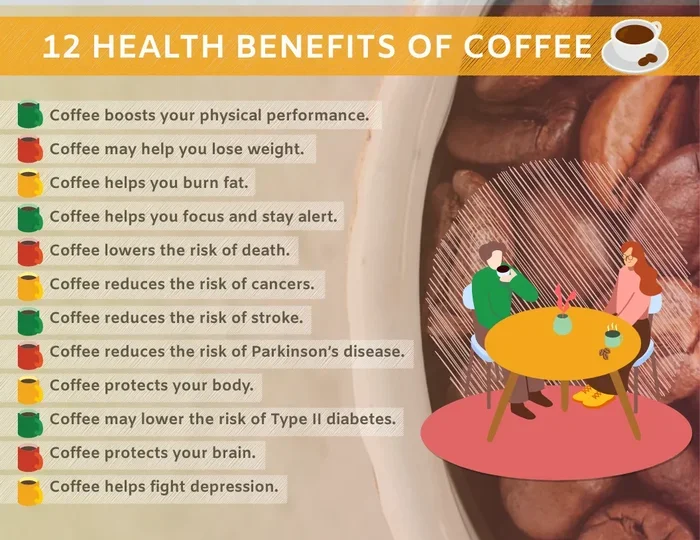
Does coffee have health benefits? Yes, your daily cup of joe offers more than just a morning energy boost. Research shows that moderate coffee consumption can support heart health, improve mental alertness, and provide powerful antioxidants. However, too much caffeine or added sugar can cancel out these perks. In this guide, we explore the real health benefits of coffee, the best ways to brew it, and how to enjoy it without the jitters.
Does coffee have health benefits? This is one of the most common questions people ask about their favorite morning drink. For years, coffee got a bad reputation. Some said it dehydrated you. Others claimed it raised your blood pressure or kept you awake at night. But recent science tells a different story. When you drink it in moderation, coffee can actually be a powerful addition to a healthy lifestyle.
Think about your daily routine. You wake up, walk into the kitchen, and brew a fresh cup. That warm mug does more than wake up your brain. It delivers a mix of natural compounds that work together to support your body. From antioxidants to essential nutrients, coffee is more than just a caffeine fix. It is a complex beverage with real wellness potential.
Of course, not every cup is created equal. What you add to your coffee matters. How you brew it matters too. And how much you drink each day makes a big difference. In this article, we will break down the facts. You will learn what the research says, which health benefits are backed by science, and how to make your coffee habit work for you.
Key Takeaways
- Rich in antioxidants: Coffee is one of the largest sources of antioxidants in the modern diet, helping fight oxidative stress.
- Boosts brain function: Caffeine improves focus, memory, and mood while lowering the risk of neurodegenerative diseases.
- Supports heart health: Moderate drinking is linked to a lower risk of heart disease and stroke.
- Enhances physical performance: Caffeine increases adrenaline and helps your body burn fat during workouts.
- May lower diabetes risk: Regular coffee drinkers show a reduced risk of developing type 2 diabetes.
- Watch your additives: Too much sugar, cream, or flavored syrups can turn a healthy drink into a calorie bomb.
- Moderation matters: Stick to 3-4 cups daily to enjoy the benefits without sleep issues or anxiety.
📑 Table of Contents
- What Makes Coffee Good for Your Body
- How Coffee Supports Brain Health and Focus
- Coffee and Heart Health: What the Science Says
- Physical Performance and Metabolism Benefits
- Coffee and Disease Prevention: What Research Shows
- How to Maximize the Benefits of Your Daily Cup
- Common Mistakes to Avoid
- Expert Insights and Practical Tips
- Final Thoughts on Coffee and Wellness
What Makes Coffee Good for Your Body
Coffee is not just hot water and caffeine. It is packed with natural compounds that your body can use. The beans come from a fruit, and they carry a rich mix of plant-based chemicals. When you roast and brew them, many of these compounds stay active in your cup.
The Power of Antioxidants
One of the biggest reasons coffee has health benefits is its antioxidant content. Antioxidants are molecules that fight free radicals. Free radicals are unstable molecules that can damage your cells over time. If left unchecked, this damage can lead to aging and chronic disease.
Coffee contains several types of antioxidants, including chlorogenic acid and polyphenols. These compounds help reduce inflammation in the body. Inflammation is at the root of many health problems, from joint pain to heart disease. By lowering inflammation, coffee may help your body stay in better balance.
Many people get more antioxidants from coffee than from fruits and vegetables combined. This does not mean you should skip your salad. It simply shows how powerful a simple cup of coffee can be. If you drink it black or with minimal additives, you get the most benefit.
Essential Nutrients in Every Cup
Coffee also brings small amounts of vitamins and minerals to your diet. A single cup contains traces of riboflavin, pantothenic acid, manganese, potassium, and magnesium. These nutrients play key roles in energy production, nerve function, and muscle health.
The amounts are not huge, but they add up over time. If you drink a few cups a day, you are getting a steady stream of these micronutrients. This is one of the quieter health benefits of coffee that many people overlook. You are not just getting a caffeine kick. You are also giving your body small but useful nutritional support.
How Coffee Supports Brain Health and Focus
Your brain loves caffeine. When you drink coffee, the caffeine travels to your brain and blocks a chemical called adenosine. Adenosine makes you feel tired. By blocking it, caffeine keeps you alert and sharp. This is why so many people reach for a cup before work or study.

Visual guide about coffee beans health benefits
Image source: healthybeancoffee.com
But the brain benefits go deeper than simple wakefulness. Regular coffee drinkers often show better memory, faster reaction times, and improved mood. Some studies even suggest that coffee may lower the risk of brain diseases like Alzheimer’s and Parkinson’s. The antioxidants and anti-inflammatory compounds in coffee may help protect brain cells over time.
Mental Alertness and Mood Boost
Have you ever noticed how a good cup of coffee can lift your spirits? That is not just in your head. Caffeine triggers the release of neurotransmitters like dopamine and serotonin. These chemicals help regulate mood and motivation. A cup of coffee can make you feel more positive and ready to tackle the day.
This mood boost is one reason people build strong coffee habits. It feels good to sit down with a warm mug and feel your mind clear up. For many, this ritual becomes a moment of calm before the rush begins. The mental clarity and emotional lift are real coffee health benefits that improve daily life.
Long-Term Brain Protection
Scientists have looked at large groups of people over many years. They found that coffee drinkers often have a lower risk of cognitive decline as they age. This does not mean coffee cures brain disease. It means that regular, moderate consumption may be part of a brain-healthy lifestyle.
Pair coffee with other good habits like exercise, sleep, and a balanced diet, and you create a strong foundation for long-term brain health. If you want to learn more about how coffee affects hormones, you can read our guide on does coffee increase estrogen for a deeper look at how coffee interacts with your body chemistry.
Coffee and Heart Health: What the Science Says
For a long time, people worried that coffee was bad for the heart. They thought it raised blood pressure and caused irregular heartbeats. Modern research paints a more nuanced picture. In most people, moderate coffee consumption does not harm the heart. In fact, it may offer some protection.

Visual guide about coffee beans health benefits
Image source: uhhospitals.org
Large reviews of studies show that people who drink 3 to 4 cups a day often have a lower risk of heart disease and stroke. The antioxidants in coffee help protect blood vessels and reduce inflammation. This can support healthier circulation and better overall heart function.
Blood Pressure and Circulation
Caffeine can cause a short-term rise in blood pressure. This effect is usually small and temporary. People who drink coffee regularly often develop a tolerance, and the effect fades. If you already have high blood pressure, it is smart to talk with your doctor about how much caffeine is right for you.
For most healthy people, the brief bump in blood pressure is not a problem. The long-term benefits of reduced inflammation and better vessel function may outweigh that small temporary change. This is why many experts now say that does coffee have health benefits includes heart support when consumed in moderation.
Stroke Risk and Heart Disease
Several studies link moderate coffee intake to a lower risk of stroke. Stroke happens when blood flow to the brain is blocked. By supporting healthy blood vessels and reducing inflammation, coffee may help lower that risk. The same protective pattern shows up for some forms of heart disease.
Again, the key word is moderate. Drinking too much can lead to nervousness, poor sleep, and extra stress on the body. Balance is what turns coffee into a heart-friendly habit. If you are curious about how coffee affects your skin, check out our article on does coffee dehydrate your skin to understand another side of coffee’s impact on your body.
Physical Performance and Metabolism Benefits
Athletes and active people have used caffeine for years to boost performance. Coffee is a natural and accessible way to get that edge. Caffeine increases adrenaline levels in the blood. Adrenaline prepares your body for physical effort. It also helps release fatty acids from fat tissues, which your muscles can use for energy.
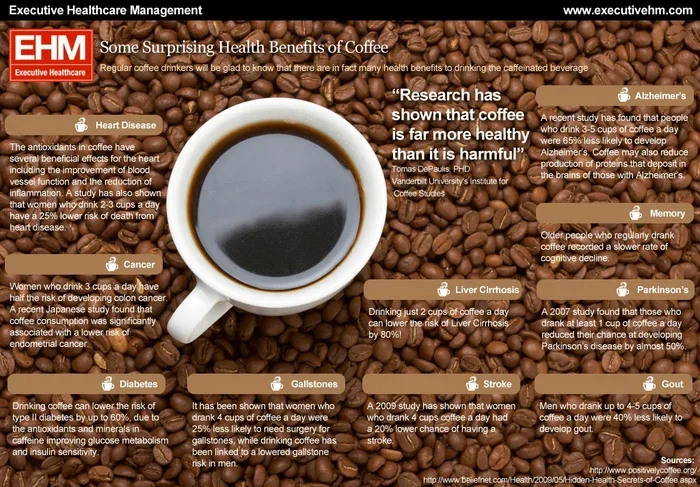
Visual guide about coffee beans health benefits
Image source: i.pinimg.com
This means coffee can help you push harder during workouts. You may feel less fatigue and more endurance. Many people drink a cup about 30 to 60 minutes before exercise to get the best effect. This is one of the most practical health benefits of coffee for people who stay active.
Fat Burning and Metabolic Support
Caffeine can slightly raise your metabolic rate. This means your body burns more calories even when you are at rest. The effect is modest, but it adds up over time. Coffee may also help your body use insulin more effectively, which supports better blood sugar control.
Better insulin sensitivity is a big deal. It lowers the risk of type 2 diabetes and helps your body manage energy more efficiently. Many studies show that regular coffee drinkers have a lower risk of developing diabetes compared to non-drinkers. This is a strong example of how coffee has health benefits that reach beyond the morning cup.
Tips for Using Coffee Before Workouts
If you want to use coffee for exercise, keep it simple. Drink a moderate cup of black coffee or with a splash of milk. Avoid heavy sugar and cream, which can slow you down. Time it right, and you may notice better focus and stamina.
Remember that everyone reacts differently. Some people feel great with caffeine before a workout. Others feel jittery or get stomach upset. Start with a small amount and see how your body responds. Listening to your own signals is the best way to make coffee work for your fitness routine.
Coffee and Disease Prevention: What Research Shows
One of the most exciting areas of coffee research is disease prevention. Scientists have studied large populations and found patterns that link coffee to lower risks of several chronic conditions. These findings do not prove that coffee cures disease. They do suggest that coffee can be part of a protective lifestyle.
Here are some of the conditions where coffee shows promise:
- Type 2 diabetes: Regular coffee drinkers often have a lower risk, likely due to better insulin sensitivity and antioxidants.
- Liver disease: Coffee appears to protect the liver and may lower the risk of cirrhosis and liver cancer.
- Certain cancers: Some studies show reduced risks for liver and colorectal cancers among coffee drinkers.
- Neurodegenerative diseases: Coffee may lower the risk of Alzheimer’s and Parkinson’s, as mentioned earlier.
These patterns are encouraging. They show that a simple daily habit can have wide-reaching effects. The health benefits of coffee come from a mix of caffeine, antioxidants, and anti-inflammatory compounds working together.
The Role of Moderation
More is not always better. Drinking very large amounts of coffee can cause problems. Too much caffeine can lead to anxiety, poor sleep, headaches, and digestive upset. It can also raise blood pressure in sensitive people. The sweet spot for most adults is around 3 to 4 cups per day.
If you are pregnant, have anxiety disorders, or struggle with sleep, you may need less. Talk with a healthcare provider if you are unsure. The goal is to enjoy coffee without letting it control your day or harm your sleep. Moderation is what keeps the coffee health benefits positive.
How to Maximize the Benefits of Your Daily Cup
You can get more out of your coffee by making a few smart choices. The way you brew, what you add, and when you drink all matter. Small changes can help you enjoy the health benefits of coffee while avoiding the downsides.
Choose the Right Brew and Beans
Freshly ground beans usually taste better and retain more beneficial compounds. Grinding right before brewing keeps the oils and antioxidants intact. If you want a smoother cup with less bitterness, try a medium roast. Darker roasts have a bolder flavor but may lose some antioxidants during roasting.
Water quality matters too. Clean, filtered water makes a cleaner cup. If you use a machine, keep it clean so old oils do not affect the taste. For those who love pour-over coffee, the right gear can make a big difference. You can explore our picks for the best gooseneck kettle for pour over coffee to improve your brewing setup.
Watch What You Add
This is where many people lose the health edge. A black cup of coffee has almost no calories. Add sugar, flavored syrups, whipped cream, or heavy cream, and the calorie count climbs fast. Over time, extra sugar and fat can cancel out the benefits of coffee.
Try these lighter options:
- A splash of milk or plant-based milk
- A tiny bit of honey or cinnamon for flavor
- Unsweetened cocoa powder for a mocha vibe
- Ice and a hint of vanilla for a cold drink
These swaps keep your coffee tasty without turning it into a dessert. You still get the coffee health benefits while keeping your sugar and calorie intake in check.
Timing and Daily Habits
When you drink coffee matters. Early in the day is usually best. Caffeine can stay in your system for several hours, so a late-afternoon cup may disrupt your sleep. Good sleep is essential for health, so protect it by setting a coffee cutoff time.
Also, pay attention to how your body feels. If coffee makes you nervous or upset your stomach, try drinking it with food or switching to a smaller cup. You can also alternate with water or herbal tea. Building a balanced routine helps you enjoy coffee without overdoing it.
Common Mistakes to Avoid
Even with all the health benefits of coffee, it is easy to make mistakes that reduce the positives. Here are some common traps and how to skip them:
- Drinking too much: More than 4 to 5 cups a day can cause jitters, anxiety, and sleep problems for many people.
- Loading it with sugar: Sweeteners and syrups add calories and can spike blood sugar, which works against coffee’s metabolic benefits.
- Ignoring sleep: Late-day caffeine can ruin your rest, and poor sleep hurts your health more than a cup of coffee can help.
- Using stale beans: Old, oxidized coffee tastes flat and may have fewer beneficial compounds. Freshness matters.
- Assuming coffee fixes everything: Coffee supports health, but it cannot replace a good diet, exercise, and medical care.
Avoid these mistakes, and you will get much more out of your daily brew. Coffee works best as part of a balanced lifestyle, not as a magic fix.
Expert Insights and Practical Tips
Nutrition experts often say that coffee can be a healthy habit when kept in check. The consensus is simple: enjoy it, do not overdo it, and pay attention to what you put in it. Here are a few practical tips from the pros:
- Keep it simple: Black coffee or coffee with a small amount of milk gives you the most benefit with the fewest extra calories.
- Stay hydrated: Coffee does not dehydrate you in normal amounts, but it is still wise to drink water throughout the day.
- Mind your timing: Set a caffeine cutoff in the early afternoon to protect your sleep.
- Rotate your drinks: Mix coffee with water, tea, or other healthy beverages so you do not rely on caffeine all day.
- Listen to your body: If you feel anxious, restless, or sleepless, cut back and see if things improve.
These small habits make a big difference. They help you keep the health benefits of coffee while avoiding the common pitfalls that come with too much caffeine or poor habits.
Final Thoughts on Coffee and Wellness
So, does coffee have health benefits? The answer is yes, when you drink it wisely. Coffee brings antioxidants, supports brain function, may protect your heart, and can even help your body manage energy and blood sugar better. It is one of the most studied beverages in the world, and the overall picture is encouraging.
The key is balance. Choose good beans, brew them well, keep additives light, and stick to a moderate amount. Pay attention to your sleep, your stress, and how your body feels. When you do that, your daily cup can be a genuine boost to your health and your day.
If you want to dig deeper into coffee habits, you can read more about how many scoops of coffee per cup of water to get your brew just right. Small tweaks in your routine can help you enjoy coffee in a way that feels good and supports your wellness goals.
Frequently Asked Questions
Does coffee have health benefits for everyone?
Most people can enjoy health benefits of coffee in moderation, but some need to limit caffeine. Pregnant women, people with anxiety, and those with certain heart conditions should talk to a doctor. Your personal response matters more than general advice.
How many cups of coffee a day are safe?
For most adults, 3 to 4 cups a day is considered moderate and safe. This amount is linked to many coffee health benefits without major side effects. If you feel jittery or lose sleep, try drinking less.
Can coffee help with weight loss?
Coffee may support weight loss by boosting metabolism and increasing fat burning during exercise. However, it is not a magic solution. Black coffee has almost no calories, but added sugar and cream can work against your goals.
Does coffee dehydrate you?
Coffee does not dehydrate you in normal amounts because it still provides fluid. Mild caffeine effects can make you need to urinate more, but the net hydration is usually positive. Drinking water alongside coffee is still a good habit.
Is black coffee better than coffee with milk and sugar?
Black coffee gives you the most health benefits of coffee with the fewest extra calories and sugars. A small splash of milk is fine for most people. Heavy sugar and cream can reduce the positive effects by adding calories and spiking blood sugar.
Can coffee improve mental focus and mood?
Yes, caffeine can improve alertness, reaction time, and mood by affecting brain chemicals like dopamine. Many people feel clearer and more motivated after a cup. These coffee health benefits are strongest when you avoid too much caffeine and poor sleep.