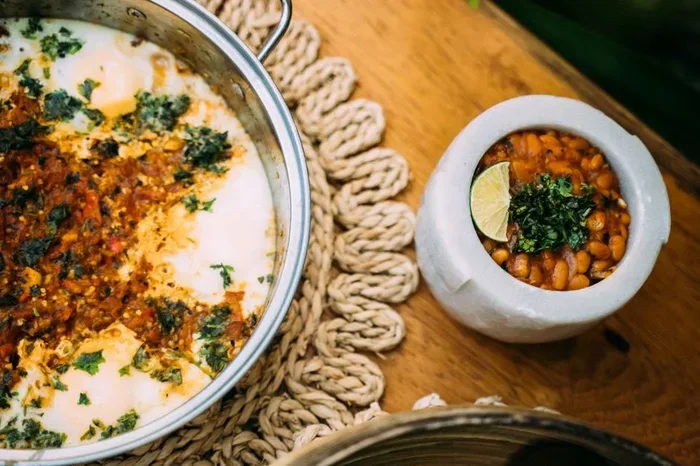
Are brown beans a must-have in classic chili? Dive into this comprehensive guide to explore their role, benefits, and best practices for using them in your chili.
Welcome, chili lovers! Today, we’re diving into a question that’s been puzzling chili enthusiasts for ages – are brown beans a must-have in classic chili? The answer might surprise you, so let’s get started!
Why Brown Beans in Chili?
Brown beans, also known as pinto beans, are a staple in classic chili due to their unique texture and flavor. They have a creamy, smooth interior that contrasts perfectly with the hearty, spicy tomato base of chili. Plus, their mild, nutty flavor complements a wide range of spices and ingredients.
The Benefits of Brown Beans
Brown beans aren’t just tasty; they’re also packed with nutrients. They’re an excellent source of plant-based protein, fiber, and various essential vitamins and minerals. Including them in your chili boosts its nutritional value, making it a more filling and healthier meal.
Brown Beans in Different Chili Styles
Brown beans aren’t exclusive to traditional chili. They’re also a popular choice in vegetarian and vegan chili, serving as a protein-rich base. In fact, many plant-based chili recipes rely on brown beans for their creaminess and texture. So, whether you’re a meat lover or a plant-based enthusiast, brown beans can enhance your chili experience.
Preparing Brown Beans for Chili
To ensure your brown beans are perfect in your chili, it’s essential to prepare them correctly.
Soaking: Soak your beans overnight to soften them and reduce cooking time. This step also helps to remove any anti-nutrients and makes the beans easier to digest.
Cooking: After soaking, cook the beans until they’re tender. This can take anywhere from 45 minutes to 2 hours, depending on the age and size of the beans. For faster cooking, consider using a pressure cooker or an Instant Pot.
Brown Bean Substitutes
While brown beans are the gold standard for chili, you can use other types if needed. Here are a few alternatives:
Black Beans: These have a firmer texture and a slightly nuttier flavor than brown beans. They work well in chili, especially if you’re looking to add some contrast to the dish.
Kidney Beans: These are another popular choice, with a similar texture to brown beans but a slightly stronger flavor.
Canned Beans: While not as fresh as dried beans, canned beans can save you time and are a convenient option. Just be sure to drain and rinse them to remove excess sodium.
Expert Tips for Cooking with Brown Beans
Using brown beans in your chili can elevate your dish, but it’s essential to do it right. Here are some tips from chili experts:
Add Them Early: Brown beans take a while to cook, so add them early in the cooking process to ensure they’re tender and Creamy by the time your chili is done.
Season Them Separately: Before adding your beans to the chili, season them separately. This ensures that every bite of your chili has a burst of flavor.
Don’t Overcook: Be careful not to overcook your beans. They can become mushy and lose their texture if left to cook too long.
Common Mistakes to Avoid
While brown beans are fairly forgiving, there are a few common mistakes to avoid:
Adding Them Too Late: If you add your beans too late, they won’t have enough time to cook properly and could remain firm and undercooked.
Not Soaking: Skipping the soaking step can lead to tough, hard-to-digest beans.
* Overcooking: As mentioned earlier, overcooking can lead to mushy beans that lose their texture.
The Role of Brown Beans in Classic Chili
Brown beans are a central component of classic chili. They add texture, flavor, and nutritional value to this beloved dish. Whether you’re a chili purist or a plant-based enthusiast, brown beans can elevate your chili game.
Can You Make Chili Without Brown Beans?
While brown beans are a classic choice, you can make delicious chili without them. Some recipes use ground meat or vegetables as the base instead. However, if you’re looking for that traditional, hearty texture, brown beans are hard to beat.
Key Takeaways
Brown beans are a staple in classic chili due to their unique texture, mild flavor, and nutritional benefits. They’re versatile, easy to prepare, and can enhance various chili styles. By understanding how to use them correctly, you can create a chili that’s not only delicious but also nutritious and satisfying.
Conclusion
So, are brown beans essential in classic chili? Absolutely! Their creamy texture, mild flavor, and nutritional value make them an indispensable ingredient in this beloved dish. By understanding how to prepare and use them correctly, you can create a chili that’s both comforting and nourishing. Now, get cooking, and happy chili making!
Key Takeaways
- Central Role: Brown beans are a staple in classic chili due to their texture, flavor, and nutritional value.
- Versatility: They can be used in various types of chili, from traditional to vegetarian.
- Soaking and Cooking: Proper preparation ensures perfect, tender beans in your chili.
- Substitutes: While brown beans are ideal, other types can be used if needed.
- Nutritional Boost: Brown beans add essential nutrients and fiber to your chili.
Frequently Asked Questions
What can I substitute for brown beans in chili?
Black beans, kidney beans, or canned beans can be used as substitutes. Each has a unique texture and flavor that can add a twist to your chili.
Do I need to soak brown beans for chili?
Soaking brown beans before cooking helps to soften them, reduce cooking time, and improve digestibility. It’s recommended but not always necessary, especially if you have a pressure cooker or Instant Pot.
How long does it take to cook brown beans for chili?
The cooking time for brown beans varies from 45 minutes to 2 hours, depending on their age, size, and whether you’ve soaked them. Using a pressure cooker or Instant Pot can significantly reduce the cooking time.
Can I add brown beans to chili at the beginning or end of cooking?
For the best results, add brown beans to your chili at the beginning of the cooking process. This ensures they have enough time to cook and become tender.
Why do my brown beans turn mushy in chili?
Overcooking is the most common reason for mushy beans. To prevent this, keep an eye on your beans and test them for doneness regularly.
Are brown beans in chili gluten-free?
Yes, brown beans are naturally gluten-free. However, always check any seasonings or added ingredients to ensure they’re also gluten-free.