Cooking chateaubriand perfectly is easier than you think with the right technique and a little patience. This guide walks you through every step, from selecting the best beef tenderloin to achieving a flawless sear and perfect internal temperature. You will learn how to make chateaubriand restaurant-quality at home.
Key Takeaways
- Choose the right cut: A center-cut beef tenderloin is essential for an even cook and tender texture.
- Season simply but effectively: Salt, pepper, garlic, and fresh herbs bring out the best in chateaubriand.
- Sear before roasting: A hot pan sear creates a flavorful crust that locks in juices.
- Use a meat thermometer: Pulling the roast at 125°F for medium-rare ensures perfect doneness every time.
- Rest the meat: Letting chateaubriand rest for 10-15 minutes keeps it juicy and makes carving easier.
- Pair with the right sauce: A classic béarnaise or red wine sauce elevates the dish beautifully.
- Slice against the grain: This simple step guarantees tender, easy-to-chew slices every time.
📑 Table of Contents
- How to Cook Chateaubriand Like a Pro
- Choosing the Best Beef Tenderloin
- Preparing the Chateaubriand Roast
- Searing the Chateaubriand
- Roasting the Chateaubriand
- The Perfect Sauce for Chateaubriand
- Serving and Carving Your Chateaubriand
- Pairing Chateaubriand with Sides
- Storing Leftover Chateaubriand
- Final Thoughts
How to Cook Chateaubriand Like a Pro
Chateaubriand is one of the most elegant beef dishes you can make at home. It is a thick center-cut roast from the beef tenderloin, and it has been a showstopper on fancy dinner tables for over a century. The best part? You do not need a professional kitchen to nail it.
Whether you are cooking for a special anniversary dinner or just want to impress your guests, this guide covers everything you need to know. We will walk you through selecting the right cut, seasoning it well, cooking it to perfection, and serving it with confidence. By the end, you will feel like a chateaubriand expert.
The beauty of this dish lies in its simplicity. A few quality ingredients and proper technique are all you need. No fancy equipment required. Just a good oven, a cast iron skillet, and a reliable meat thermometer.
Choosing the Best Beef Tenderloin
What to Look for at the Butcher
Not all beef tenderloins are created equal. When you are shopping for chateaubriand, look for a center-cut portion that is thick and uniform. This ensures even cooking from edge to center. Ask your butcher for a cut that is at least 3 inches thick. That thickness gives you room to get a good sear without overcooking the inside.
Color matters too. Look for bright red meat with fine marbling. The fat should look creamy white, not yellow. Yellow fat can mean the cow was older, which changes the flavor and texture. Fresh beef tenderloin should smell clean and slightly sweet, never sour or ammonia-like.
Chateaubriand vs Filet Mignon
People often confuse chateaubriand with filet mignon. Both come from the beef tenderloin, but they are different cuts. Filet mignon is a smaller, individual portion cut from the narrower end of the tenderloin. Chateaubriand is a larger, center-cut roast meant to serve two or more people. The cooking approach is similar, but the size changes your timing slightly.
If you have only cooked filet mignon before, the jump to chateaubriand is easy. You just need to adjust your cooking time to account for the extra thickness. A meat thermometer becomes even more important here.
Preparing the Chateaubriand Roast
Bringing the Meat to Room Temperature
Take your roast out of the fridge at least 30 minutes before cooking. This lets the meat come to room temperature, which means it cooks more evenly. A cold roast going into a hot pan creates uneven results, with a gray band running through the center.
While the meat rests, pat it dry with paper towels. Moisture is the enemy of a good sear. The drier the surface, the better the crust will be. Do not skip this step. It makes a real difference in the final result.
Seasoning for Maximum Flavor
Chateaubriand does not need a lot of seasoning. Simple is better here. Generous kosher salt and freshly cracked black pepper on all sides form the perfect base. Some cooks like to add minced garlic, fresh thyme, and a drizzle of olive oil for extra depth.
You can also add a touch of smoked paprika or a sprinkle of onion powder if you want a slightly different flavor profile. Just keep it light. The beef itself is the star of the show. If you want to tenderize the meat further before cooking, you can explore natural meat tenderizing methods that work beautifully with premium cuts like this.
Searing the Chateaubriand
Why Searing Matters
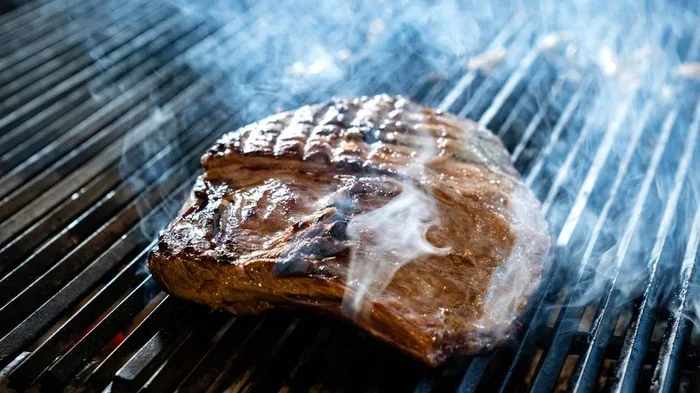
Searing is the step that builds flavor. When you place a hot roast in a screaming hot skillet, the Maillard reaction kicks in. This is the chemical process that creates that deep, brown, flavorful crust on the outside of the meat. It does not seal in juices, as many people believe, but it does add incredible depth of flavor.
Use a cast iron skillet if you have one. It holds heat better than any other pan and gives you the most even sear. Heat the pan over high heat until it is just smoking. Add a high-smoke-point oil like avocado oil or grapeseed oil. You do not want olive oil here, as it burns too easily at high heat.
The Searing Process Step by Step
Place the seasoned roast in the hot pan and do not touch it. Let it sit for 3 to 4 minutes on each side. You want a deep golden-brown crust. Resist the urge to peek or move the meat around. Trust the process.
After searing all sides, you can add butter, crushed garlic cloves, and fresh rosemary to the pan. Baste the roast with the melted butter for an extra layer of richness. This technique is simple but it takes your chateaubriand from good to unforgettable.
Roasting the Chateaubriand
Oven Temperature and Timing
Preheat your oven to 425°F. Once the roast is seared, transfer the skillet directly into the oven. For a 3-inch thick roast, you will need about 20 to 25 minutes for medium-rare. The exact time depends on your oven and the starting temperature of the meat.
Use a meat thermometer inserted into the thickest part of the roast. Here is a quick guide for doneness:
- Rare: 120°F internal temperature
- Medium-Rare: 125°F to 130°F (the sweet spot for chateaubriand)
- Medium: 135°F to 140°F
- Well Done: 155°F and above (not recommended for this cut)
Remember that the temperature will rise about 5 degrees after you pull the roast out. This is called carryover cooking, and it is important to account for it. Pulling the roast at 125°F means you will end up at a perfect 130°F once it rests.
Common Mistakes to Avoid
The biggest mistake people make is overcooking the roast. Beef tenderloin is a lean cut, and it dries out fast once you pass medium. Another mistake is skipping the rest period after cooking. Cutting into the roast too early lets all those precious juices run out, leaving you with dry meat.
Also, do not crowd the pan during searing. If you try to cook two roasts at once, the temperature drops and you end up steaming instead of searing. One roast at a time gives you the best results.
The Perfect Sauce for Chateaubriand
Traditional chateaubriand is served with a sauce, and the classic choice is béarnaise. This creamy, tangy sauce made with butter, egg yolks, tarragon, and white wine vinegar is a perfect match. It adds richness without overpowering the delicate flavor of the beef.
If béarnaise feels too ambitious, a simple red wine reduction works beautifully too. Just deglaze the skillet you used for searing with a good red wine, add a splash of beef broth, and let it reduce by half. Stir in a knob of cold butter at the end for shine and silkiness.
For something even easier, a compound butter with fresh herbs and a squeeze of lemon is fantastic. Just mix softened butter with chopped parsley, chives, garlic, and a pinch of salt. Plop a spoonful on top of each hot slice and watch it melt into the meat.
Serving and Carving Your Chateaubriand
Resting the Meat
Once your roast hits the target temperature, pull it out of the oven and transfer it to a cutting board. Tent it loosely with aluminum foil and let it rest for 10 to 15 minutes. This resting period allows the juices to redistribute throughout the meat. When you finally slice, every piece will be moist and tender.
Do not skip this step. It might feel like you are wasting time, but resting is just as important as cooking. During roasting, the heat pushes the juices toward the center. Resting lets them spread back out evenly.
How to Slice for the Best Results
Use a sharp carving knife and slice against the grain. The grain in beef tenderloin runs lengthwise along the roast. Cutting across it shortens the muscle fibers, making each slice much easier to chew. Aim for slices that are about 1 to 1.5 inches thick.
Serve the slices on warm plates. Cold plates cool the meat too fast and diminish the eating experience. Arrange the slices overlapping slightly for an elegant presentation, and spoon your chosen sauce over the top or serve it on the side.
Pairing Chateaubriand with Sides
Chateaubriand pairs well with simple sides that let the beef shine. Roasted asparagus, creamy mashed potatoes, and a fresh green salad are all classic choices. You want sides that complement without competing.
For a heartier meal, try roasted root vegetables or a gratin dauphinois. If you are keeping things light, a warm beet salad with goat cheese and walnuts adds a beautiful contrast. The key is balance on the plate.
When it comes to wine, a bold red pairs best. A Bordeaux, a Burgundy, or a good Cabernet Sauvignon all work wonderfully. The wine should be as good as the beef, so choose something you would enjoy drinking on its own.
Storing Leftover Chateaubriand
If you have leftovers, let them cool completely before storing. Place sliced chateaubriand in an airtight container and refrigerate within two hours. It will keep in the fridge for up to 3 days. Reheat gently in a low oven or in a skillet with a little broth to keep the meat moist.
You can also freeze cooked chateaubriand for up to 2 months. Wrap individual slices tightly in plastic wrap and then in aluminum foil. Thaw overnight in the refrigerator before reheating. The texture will not be quite as pristine as fresh, but it still makes a delicious meal.
Final Thoughts
Cooking chateaubriand at home is one of the most rewarding things you can do in the kitchen. It looks impressive, tastes incredible, and once you master the basic technique, it becomes second nature. The key is to focus on quality ingredients, proper seasoning, a good sear, and precise temperature control.
Do not be intimidated by the fancy reputation of this dish. At its core, chateaubriand is just a beautifully cooked piece of beef tenderloin. Treat it with respect, give it your attention, and it will reward you with a meal worth remembering. Start with this recipe, make it your own, and soon you will be the one everyone calls when they want to know how to cook a perfect roast.
Remember, every great cook started somewhere. Your first chateaubriand might not be flawless, and that is perfectly okay. Each time you cook it, you will learn something new. Trust your instincts, use a thermometer, and most importantly, enjoy the process.
Frequently Asked Questions
What is chateaubriand and where does it come from?
Chateaubriand is a thick center-cut roast from the beef tenderloin, traditionally associated with French cuisine. It is named after the French writer François-René de Chateaubriand, who popularized this method of cooking beef. The dish became famous in the 19th century and remains a classic elegant roast to this day.
What is the best internal temperature for chateaubriand?
The ideal internal temperature for medium-rare chateaubriand is 125°F to 130°F. This is the sweet spot where the meat is juicy, tender, and has a beautiful pink center. Always pull the roast about 5 degrees before your target temp, since carryover cooking will raise the temperature as the meat rests.
Can I cook chateaubriand on the stove without an oven?
Yes, you can. After searing all sides of the roast on the stove, you can finish it in a low oven or even continue cooking on the stovetop over indirect heat. However, using an oven gives you more even results and better temperature control. If you are cooking on the stovetop, use a heavy pot and keep the heat low to medium.
How long should I let chateaubriand rest before slicing?
Let the roast rest for 10 to 15 minutes after cooking. This resting period is crucial because it allows the juices to redistribute throughout the meat. If you cut too soon, the juices will run out onto the cutting board instead of staying in the meat, leaving you with dry slices.
What sauce pairs best with chateaubriand?
The classic pairing is béarnaise sauce, which is made with butter, egg yolks, tarragon, and white wine vinegar. A red wine reduction is another excellent choice that is easier to make. For a quick option, a compound butter with fresh herbs and lemon adds richness and flavor without much effort.
How do I know if my beef tenderloin is good quality?
Look for bright red color, fine marbling, and creamy white fat. The meat should smell fresh and slightly sweet. Buy from a reputable butcher or trusted meat supplier. A center-cut portion that is at least 3 inches thick will give you the best results for chateaubriand. If you are unsure about selecting the right cut, asking your butcher for guidance is always a smart move.
=== CONCLUSION ===
Now you have everything you need to cook chateaubriand perfectly at home. From selecting the right beef tenderloin to getting that flawless sear and nailing the internal temperature, each step matters. The process is straightforward, but the results are extraordinary.
Start with quality meat, season it well, sear it hard, roast it with precision, and let it rest properly. These simple steps will take your chateaubriand from ordinary to restaurant-worthy. Serve it with a classic sauce and your favorite sides, and you will have a meal that deserves a standing ovation.
So go ahead, give it a try. Your next dinner party will thank you.