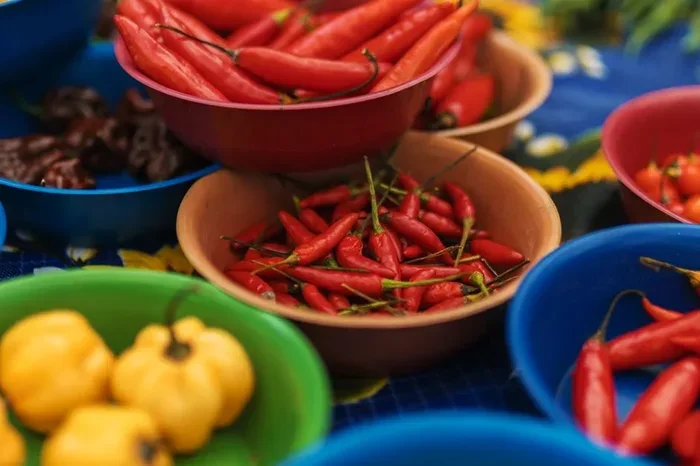
The scoville scale measures how hot peppers are by detecting the compound called capsaicin that creates the burning sensation. Created in 1912 by Wilbur Scoville, this spice rating system still helps us compare pepper heat today. Whether you love mild jalapeños or fiery habaneros, understanding the scoville scale pepper heat levels helps you choose the right pepper for every dish.
The world of spicy food is fascinating. Some peppers taste sweet and mild. Others make your eyes water and your tongue feel like it’s on fire. But how do we measure that burn? That is where the scoville scale pepper heat system comes in.
In this guide, we will break down everything you need to know about how the scoville scale works. You will learn what capsaicin is, how hot peppers are tested, and where your favorite peppers rank. Whether you are a cooking beginner or a spice lover, this guide has something for you.
The scoville scale was invented over a hundred years ago. Yet it remains the most popular way to rate pepper heat today. Let us dive in and explore how this simple idea turned into a global standard for measuring spiciness.
Key Takeaways
- Scoville Heat Units (SHU): The scoville scale assigns a number to each pepper based on its pungency and capsaicin content.
- Capsaicin is the key: This natural compound triggers the burning sensation your tongue feels when eating spicy food.
- Pepper heat varies widely: From mild bell peppers at zero SHU to the Carolina Reaper exceeding 2 million SHU.
- Growing conditions matter: Soil, water, and sunlight can affect how hot a pepper grows.
- Heat tolerance is personal: Genetics play a big role in how sensitive your taste buds are to capsaicin.
- Safety first: Always wear gloves when handling very hot peppers to avoid skin irritation.
📑 Table of Contents
What Is the Scoville Scale and Why Does It Matter?
The scoville scale was created in 1912 by a pharmacist named Wilbur Scoville. He wanted a way to measure how hot different peppers tasted. His method became known as the scoville organoleptic test. It was the first system to give a number to the heat of a pepper.
Back then, testing was done by human tasters. They would mix pepper extract with sugar water until the heat was no longer noticeable. The more sugar water needed, the higher the scoville rating. Today, we use high-performance liquid chromatography (HPLC) for more accurate results. But the scale still uses Scoville Heat Units, or SHU, as its measurement.
So why does this matter to you? If you cook with chili peppers often, knowing the scoville scale pepper heat helps you pick the right pepper every time. You do not want a superhot pepper in a mild salsa. And you do not want a bland pepper in a spicy stir fry.
How Capsaicin Creates the Burning Sensation
Capsaicin is the natural chemical that makes peppers hot. When you eat a spicy pepper, capsaicin binds to receptors in your mouth. These receptors normally sense heat and pain. That is why hot peppers feel like they are burning your tongue.
Interestingly, capsaicin does not actually cause physical damage. Your brain receives a pain signal, but there is no real tissue harm. This is why you can eat very hot peppers without injuring your mouth permanently.
The amount of capsaicin in a pepper determines its place on the pepper heat index. Peppers with more capsaicin score higher on the scoville scale. Bell peppers have almost no capsaicin. That is why they sit at zero SHU. Ghost peppers and Carolina Reapers have massive amounts. That is why they sit at the top.
How the Scoville Test Actually Works
Wilbur Scoville’s original method relied on human taste buds. Here is how it worked in simple terms:
- A pepper extract was dissolved in sugar water.
- A panel of trained tasters would taste the mixture.
- More sugar water was added until the heat disappeared.
- The dilution level became the pepper’s scoville rating.
A sweet bell pepper needed zero dilution. It scored 0 SHU. A mild jalapeño might need 2,000 to 8,000 times dilution. A fiery habanero could need 100,000 to 350,000 times dilution. The higher the number, the hotter the pepper.
Today, scientists use a lab method called HPLC. This machine measures the exact amount of capsaicinoids in a pepper. It is much more precise than human tasting. But the results are still converted to scoville heat units for easy comparison.
Why Human Taste Tests Were Replaced
The original scoville test had some big problems. Human tasters could get tired or distracted. Their sense of taste changes from day to day. One person might rate a pepper as very hot. Another person might barely feel it.
Lab testing removes this inconsistency. HPLC gives a clear, repeatable number every time. Still, the scoville scale pepper heat rating remains the standard way people talk about spice levels. It is simple and widely understood.
When you are growing hot peppers in your garden, remember that conditions like soil quality and sunlight can change the heat level. A habanero grown in poor conditions might be milder than one grown in perfect sunshine. So the scoville rating is an average, not an exact guarantee for every single pepper.
The Scoville Scale: From Mild to Extra Hot
The scoville scale spans a huge range. Let us look at how different peppers rank. This will help you understand spiciness levels in a practical way.
| Pepper | Scoville Heat Units (SHU) | Heat Level |
|---|---|---|
| Bell Pepper | 0 | No Heat |
| Poblano | 1,000 – 2,000 | Mild |
| Jalapeño | 2,000 – 8,000 | Medium |
| Serrano | 10,000 – 23,000 | Medium-Hot |
| Cayenne | 30,000 – 50,000 | Hot |
| Habanero | 100,000 – 350,000 | Very Hot |
| Ghost Pepper (Bhut Jolokia) | 800,000 – 1,041,427 | Extremely Hot |
| Carolina Reaper | 1,400,000 – 2,200,000 | Ultra Hot |
As you can see, the range is enormous. A bell pepper and a Carolina Reaper could not be more different. The scoville scale pepper heat system gives us a common language to talk about all of them.
What Does Each Heat Level Feel Like?
Mild peppers like poblanos add flavor without much burn. They are great for stuffed peppers and mild salsas. Medium peppers like jalapeños are the workhorses of the kitchen. You will find them in nachos, jalapeño poppers, and many hot sauce recipes.
Hot peppers like cayenne bring real fire. They are common in chili powders and spicy dishes. Very hot peppers like habaneros demand respect. A little goes a long way. And ultra hot peppers like the Carolina Reaper are not for casual cooking. They are for thrill seekers and competitive eaters.
If you are new to spicy food, start mild and work your way up. Your taste buds need time to build tolerance. And always keep a glass of milk nearby. Dairy helps neutralize capsaicin far better than water.
Factors That Affect Pepper Heat
Not all peppers of the same type taste the same. A jalapeño from one farm might be mild. Another jalapeño from a different farm might be much hotter. What causes this variation?
Several factors influence how hot a pepper grows:
- Growing conditions: Hot, dry climates tend to produce hotter peppers. Stress on the plant can increase capsaicin production.
- Genetics: The pepper’s DNA determines its potential heat level. Some plants are simply bred to be hotter.
- Age and ripeness: Red peppers are usually hotter than green ones. The longer they stay on the vine, the more capsaicin builds up.
- Soil and water: Nutrient-rich soil and consistent watering can affect heat. Some growers deliberately stress plants to boost spiciness.
When you buy hot peppers at the store, the scoville rating on the label is an average. Your specific pepper might be slightly above or below that number.
Can You Make a Pepper Hotter at Home?
Not really. You cannot change a pepper’s genetics after it is picked. But you can control how you use it. Removing the seeds and white ribs inside the pepper reduces the heat. These parts contain the most capsaicin. Leaving them in keeps the full flavor heat intact.
If you are cooking with hot peppers, always handle them with care. Wear gloves when chopping superhot varieties. Avoid touching your eyes. And wash your hands thoroughly with soap afterward. Capsaicin oil can linger on your skin and cause a painful burning sensation.
Uses Beyond the Kitchen
The scoville scale is not just for cooking. It has real-world applications in many fields. Pepper spray, for example, is measured on the scoville scale. Police-grade pepper spray typically rates between 2 million and 5 million SHU. That is far hotter than any edible pepper.
In the food industry, scoville ratings help manufacturers label their products correctly. Hot sauce companies use the scale to tell customers what to expect. This helps people with different spice tolerances find the right product.
Even when you are using best heat resistant mats for kitchen worktops to protect your counters while cooking with spicy ingredients, understanding pepper heat helps you plan your kitchen workflow better. The same goes for wearing best heat resistant arm sleeves for cooking when handling large quantities of hot peppers during meal prep.
Scientists also study capsaicin for health benefits. Research suggests it may boost metabolism, reduce pain, and have anti-inflammatory properties. While more studies are needed, the connection between the scoville scale and health science is an exciting area of ongoing research.
Common Mistakes People Make With Pepper Heat
Many people misunderstand how the scoville scale works. Here are some common mistakes to avoid:
- Confusing flavor with heat: Some peppers taste fruity or smoky but are still very hot. The scoville scale measures capsaicin, not flavor.
- Thinking all red peppers are hot: Red bell peppers are still zero SHU. Color does not always indicate heat.
- Using water to cool the burn: Water spreads capsaicin around. Milk or yogurt works much better because fat neutralizes the compound.
- Assuming the label is exact: Scoville ratings are averages. Individual peppers can vary widely.
- Ignoring the buildup effect: Eating several hot peppers in a row makes each one feel hotter. Your mouth becomes more sensitive over time.
Being aware of these mistakes helps you cook with confidence. It also keeps you safe when experimenting with very hot peppers. If you store your hot peppers or homemade hot sauces, using a best heat sealing machine for plastic bags can keep them fresh longer and prevent accidental spills.
Quick Tips for Handling Superhot Peppers
Want to cook with the hottest peppers safely? Follow these simple tips:
- Always wear disposable gloves.
- Work in a well-ventilated area.
- Do not touch your face while chopping.
- Keep milk or yogurt nearby for emergencies.
- Wash cutting boards and knives immediately after use.
- Start with a tiny amount and taste as you go.
These habits protect you and make cooking with spicy food a fun experience instead of a painful one.
Conclusion
The scoville scale pepper heat system has stood the test of time for over a century. It gives us a clear, reliable way to understand and compare how hot different peppers are. From mild bell peppers to record-breaking Carolina Reapers, every pepper has its place on the scale.
Understanding capsaicin and scoville heat units empowers you in the kitchen. You can choose the right pepper for every recipe. You can adjust the heat to suit your family’s taste. And you can handle superhot peppers safely.
Next time you reach for a pepper, think about the scoville scale behind it. That little number tells a big story about flavor, fire, and the science of spiciness. Embrace the heat, cook with confidence, and enjoy the journey from mild to wild.
Frequently Asked Questions
What does SHU stand for?
SHU stands for Scoville Heat Units. It is the measurement used on the scoville scale to rate how hot a pepper is based on its capsaicin content.
Is the scoville scale accurate?
The modern HPLC lab method is very accurate. The original human taste test was less reliable. But today’s lab-converted scoville ratings are trusted by scientists and food manufacturers alike.
Why does milk help with pepper heat?
Capsaicin is oil-based and does not dissolve in water. Milk contains casein, a fat-based protein that breaks down capsaicin and relieves the burning sensation much more effectively than water.
Can eating hot peppers damage your stomach?
For most healthy people, eating hot peppers does not cause lasting damage. Capsaicin triggers a temporary burning sensation but does not harm your digestive tract. However, people with sensitive stomachs should eat spicy food in moderation.
What is the hottest pepper in the world?
The Carolina Reaper currently holds the record with a scoville rating of over 2 million SHU. It was certified by Guinness World Records as the hottest pepper on Earth in 2013.
Does cooking a pepper make it less hot?
Yes, cooking can reduce the perceived heat of a pepper. High heat breaks down some capsaicin over time. However, the pepper will still retain much of its spiciness, especially if cooked for a short time.