This guide covers everything you need to know about cooking a prime rib roast at home, from choosing the right cut to mastering oven and slow cooker methods. You will learn essential prep steps, cooking times, temperatures, and pro tips for a juicy, tender result. Whether you are a beginner or a seasoned cook, this guide will help you serve a show-stopping roast with confidence.
A prime rib roast is one of the most impressive cuts of beef you can serve at home. It is rich, juicy, and full of flavor. Whether you are cooking for a holiday dinner or a special weekend meal, this cut always delivers.
Many people think cooking prime rib roast at home is only for experienced chefs. That is not true at all. With the right guidance, anyone can prepare a restaurant-quality roast in their own kitchen. This guide walks you through every step, from selecting the perfect cut to slicing and serving.
We will cover oven roasting methods, slow cooker options, and essential tips that make the difference between a good roast and a great one. You will also learn about common mistakes to avoid and how to get the most out of every bite. Let us get started.
Key Takeaways
- Choose the Right Cut: Look for well-marbled standing rib roasts with a thick fat cap for the best flavor and tenderness.
- Low and Slow Works Best: Cooking at a lower temperature for longer keeps the roast juicy and evenly cooked.
- Use a Meat Thermometer: This is the single most important tool for hitting the perfect internal temperature every time.
- Rest Before Slicing: Letting the roast rest for at least 20 minutes locks in the juices and makes slicing easier.
- Slow Cooker Is an Option: If you prefer hands-off cooking, a crockpot can produce a tender prime rib roast with minimal effort.
- Avoid Common Mistakes: Skipping the sear, overcooking, and not resting are the top errors home cooks make.
📑 Table of Contents
What Is Prime Rib Roast?
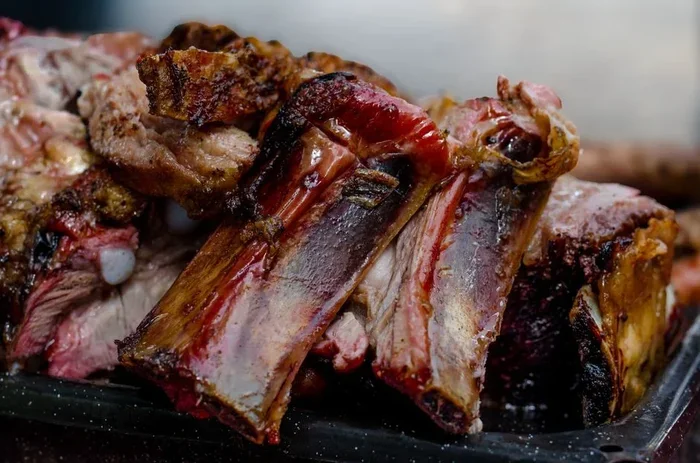
A prime rib roast, also called a standing rib roast, comes from the primal rib section of the cow. It is one of the most prized cuts of beef because of its natural marbling and rich flavor. The marbling, which is the thin streaks of fat running through the meat, is what gives this roast its buttery texture and deep beefy taste.
This cut is often associated with special occasions and holiday meals. A perfectly cooked prime rib roast is tender, juicy, and full of beefy aroma. It is the kind of dish that brings everyone to the table with excitement.
There are a few things that set prime rib apart from other beef roasts. First, the fat content is higher, which keeps the meat moist during cooking. Second, the bones add extra flavor to the roast as it cooks. And third, the natural marbling means you do not need much seasoning to make it taste amazing.
Prime Rib vs. Ribeye
People often confuse prime rib with ribeye. While they come from the same area of the cow, they are different cuts. Prime rib is a larger roast that includes the bone and more marbling. Ribeye is a smaller, boneless steak cut from the same primal section. Both are delicious, but prime rib is the better choice when you want to cook a whole roast for a group.
Choosing the Right Cut of Beef
Picking the right roast is the first step to a great meal. Not all prime rib roasts are created equal. Here is what to look for when you are shopping.
Look for Good Marbling
Marbling is the white flecks of fat inside the meat. The more marbling a roast has, the more tender and flavorful it will be. When you are at the butcher or grocery store, look for a roast with evenly distributed fat throughout the meat. Avoid roasts that look too lean.
Check the Fat Cap
The fat cap is the layer of fat on the outside of the roast. A thick fat cap helps protect the meat during cooking and keeps it moist. Ask your butcher to leave the fat cap intact. You can trim it slightly after cooking if needed.
Size Matters
A general rule is to plan for about one pound of bone-in prime rib roast per person. If you are feeding a crowd, go for a larger roast with more ribs. A three-bone roast typically serves six to eight people comfortably.
Bone-In vs. Boneless
Bone-in roasts have more flavor, but boneless roasts are easier to slice and serve. Both options work well. Choose based on your comfort level and the occasion. If you are new to cooking roast beef, a boneless option might be simpler to handle.
How To Cook Prime Rib Roast in the Oven
The oven method is the most popular way to cook a prime rib roast at home. It gives you a beautiful sear on the outside and a perfectly pink center. Here is a step-by-step guide.
Step 1: Prep the Roast
Remove the roast from the refrigerator about one hour before cooking. Let it come to room temperature. This helps the roast cook more evenly. Pat it dry with paper towels and season generously with salt, pepper, garlic powder, and fresh rosemary or thyme.
Step 2: Sear the Roast
Preheat your oven to 450°F. Place the roast on a rack in a roasting pan and sear it for about 15 minutes. Searing creates a flavorful crust on the outside that locks in the juices. Do not skip this step. It makes a big difference in the final flavor.
Step 3: Lower the Temperature
After searing, reduce the oven temperature to 325°F. Continue cooking the roast until it reaches your desired internal temperature. For medium-rare, aim for 130°F to 135°F. For medium, target 135°F to 145°F. Use a meat thermometer to check the temperature in the thickest part of the roast.
Step 4: Rest the Roast
Once the roast is done, take it out of the oven and let it rest for at least 20 minutes. Tent it loosely with aluminum foil. Resting allows the juices to redistribute throughout the meat. If you cut too early, the juices will run out and the roast will be dry.
Cooking Time Guide
As a general guideline, a bone-in prime rib roast takes about 15 to 20 minutes per pound at 325°F after searing. Use the table below as a rough reference.
- 3-bone roast (4-5 lbs): About 1.5 to 2 hours total
- 4-bone roast (6-7 lbs): About 2 to 2.5 hours total
- 7-bone roast (8-10 lbs): About 2.5 to 3.5 hours total
Always rely on the internal temperature rather than time alone. Every oven is different, and the size of the roast varies.
Slow Cooker and Crockpot Methods
If you prefer hands-off cooking, a slow cooker or crockpot is a fantastic option for making prime rib roast. This method is perfect for busy days when you want to come home to a fully cooked, tender roast.
Why Use a Slow Cooker?
Slow cooking uses low heat over a long period of time. This gentle cooking process breaks down the connective tissues in the beef, resulting in an incredibly tender and juicy roast. It is almost impossible to overcook a roast in a slow cooker if you follow the right time and temperature guidelines.
How To Cook Prime Rib Roast in a Crockpot
Start by searing the roast on the stovetop in a hot skillet with a little oil. This step adds flavor and color. Then place the roast in the slow cooker and add your favorite aromatics. Onion, garlic, beef broth, and Worcestershire sauce work wonderfully together.
Cook on low for 8 to 10 hours or on high for 4 to 5 hours. Check the internal temperature before removing the roast. Let it rest for 15 to 20 minutes before slicing.
For more slow cooker beef roast inspiration, check out these 24 Crockpot Beef Roast Recipes That Are Juicy Tender for creative variations and flavor combinations.
Mississippi Pot Roast in a Slow Cooker
If you love bold, savory flavors, you might enjoy a Mississippi-style slow cooker roast. This popular recipe uses ranch seasoning mix, pepperoncini peppers, and butter to create a rich, tangy sauce that pairs perfectly with beef. For a detailed recipe, you can explore 22 Slow Cooker Mississippi Pot Roast Recipe for easy step-by-step instructions.
While Mississippi pot roast is typically made with chuck roast, the same seasoning techniques can be applied to prime rib roast for a fun twist on the classic.
Slicing, Resting, and Serving
How you slice and serve your prime rib roast matters just as much as how you cook it. The right technique keeps every slice juicy and tender.
The Importance of Resting
Resting is not optional. It is a crucial step in the cooking process. When the roast comes out of the oven or slow cooker, the juices are concentrated in the center. Resting allows those juices to spread evenly throughout the meat. This results in a more flavorful and moist slice.
A good rule of thumb is to rest the roast for 15 to 30 minutes depending on its size. Use a loose tent of foil to keep it warm without trapping too much steam, which can make the crust soggy.
How To Slice Against the Grain
Always slice your prime rib roast against the grain. The grain is the direction of the muscle fibers in the meat. Slicing against the grain shortens those fibers, making each bite more tender. If you slice with the grain, the roast will be chewy and harder to eat.
Use a sharp carving knife for clean cuts. A dull knife will tear the meat and cause the juices to escape. Take your time and cut slices about half an inch thick for the best results.
Serving Suggestions
Prime rib roast pairs beautifully with a variety of sides. Here are some ideas:
- Creamy mashed potatoes: A classic pairing that soaks up the savory juices.
- Roasted vegetables: Carrots, parsnips, and Brussels sprouts add color and texture.
- Fresh green salad: A light salad balances the richness of the roast.
- Homemade au jus: Use the drippings from the roasting pan to make a simple dipping sauce.
For an extra touch, sprinkle flaky sea salt on each slice just before serving. It enhances the natural beef flavor and adds a nice crunch.
Common Mistakes To Avoid
Even experienced home cooks make mistakes when preparing prime rib roast. Here are the most common errors and how to avoid them.
Skipping the Sear
Some people skip the searing step to save time. This is a mistake. Searing creates a deep, caramelized crust that adds layers of flavor to the roast. It is a quick step that makes a noticeable difference in the final dish.
Not Using a Meat Thermometer
Guessing the doneness of your roast is a recipe for disaster. Overcooked prime rib roast becomes dry and tough. A meat thermometer removes all the guesswork. Insert it into the thickest part of the roast, away from the bone, for an accurate reading.
Cooking at Too High a Temperature
High heat may seem like a shortcut, but it often leads to a burnt outside and a raw inside. Low and slow cooking is the secret to an evenly cooked, juicy roast. Trust the process and be patient.
Forgetting to Rest the Roast
Cutting into the roast immediately after cooking releases all the juices onto the cutting board. You will lose much of the flavor and moisture. Always let the roast rest before slicing. This single step can elevate your roast from good to great.
Overseasoning
Prime rib roast has a naturally rich flavor. You do not need a lot of spices to make it taste incredible. Salt, pepper, and a few fresh herbs are usually enough. Let the quality of the beef speak for itself.
Buying a Low-Quality Roast
The quality of the roast matters more than any cooking technique. Choose a well-marbled, high-quality cut from a reputable butcher. A cheap, lean roast will never taste as good as a properly marbled prime rib roast, no matter how perfectly you cook it.
Expert Tips for the Perfect Prime Rib Roast
Here are some pro tips that will take your prime rib roast to the next level.
- Dry brine overnight: Salt the roast the night before and leave it uncovered in the refrigerator. This draws out moisture, which gets reabsorbed into the meat, creating a deeper flavor and crispier crust.
- Use bone-in for more flavor: The bone acts as a natural heat shield and adds richness to the meat.
- Let the roast sit at room temperature: This reduces cooking time and promotes even cooking throughout.
- Save the drippings: The pan drippings are liquid gold. Use them to make gravy or au jus for dipping.
- Slice thin and against the grain: This is the single best way to ensure tenderness in every bite.
For more beef roast recipes and cooking ideas, explore our collection of juicy tender crockpot beef roast recipes that pair perfectly with a prime rib roast centerpiece.
Conclusion
Cooking a prime rib roast at home is easier than you think. With the right cut, proper seasoning, and a reliable cooking method, you can create a meal that rivals any steakhouse. Whether you choose the oven method for a classic sear or the slow cooker for a hands-off approach, the results are always impressive.
Remember to always use a meat thermometer, let the roast rest before slicing, and choose a well-marbled cut for the best flavor. These simple steps will transform your cooking and impress your guests every time.
A prime rib roast is more than just a meal. It is a centerpiece that brings people together. So the next time you are planning a special dinner, give this guide a try. Your family and friends will thank you.
Frequently Asked Questions
What temperature should prime rib roast be cooked to?
The ideal internal temperature for prime rib roast depends on your preference. For medium-rare, aim for 130°F to 135°F. For medium, target 135°F to 145°F. Always use a meat thermometer for the most accurate reading.
How long does it take to cook a prime rib roast?
Cooking time varies based on the size of the roast and the method used. A bone-in roast typically takes 15 to 20 minutes per pound in the oven after searing. Slow cooker methods take 8 to 10 hours on low or 4 to 5 hours on high.
Should I cover my prime rib roast while cooking?
No, you should not cover the roast while cooking in the oven. Leaving it uncovered allows the heat to circulate evenly and creates a beautiful crust on the outside. You can tent it loosely with foil during the resting phase.
Can I cook prime rib roast from frozen?
It is not recommended to cook prime rib roast from frozen. Thaw the roast in the refrigerator for 24 to 48 hours before cooking. Cooking from frozen leads to uneven cooking and can result in a dry or undercooked center.
What is the best way to reheat leftover prime rib roast?
The best way to reheat leftover prime rib roast is in a low oven at 250°F. Wrap the slices in foil and heat for about 15 to 20 minutes. This keeps the meat moist and prevents it from drying out. You can also reheat slices in a skillet with a little beef broth.
How do I make gravy from prime rib roast drippings?
Simply pour the pan drippings into a saucepan, skim off excess fat, and bring to a simmer. Add a little beef broth and whisk in a tablespoon of flour or cornstarch mixed with water. Cook until the gravy thickens and season with salt and pepper to taste.