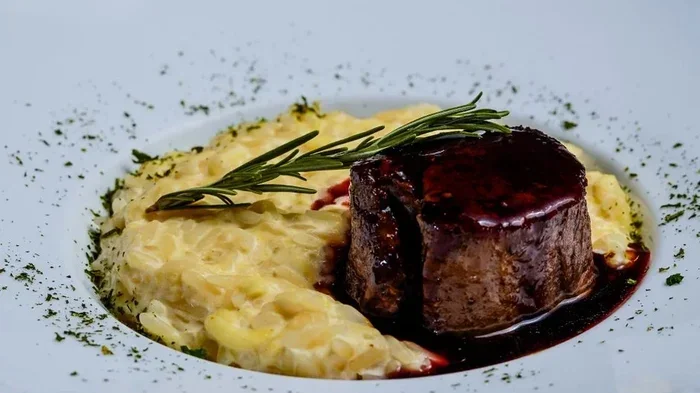
Master filet mignon cooking temperatures with our easy-to-use chart. Enjoy perfectly cooked steaks, from rare to well-done, every time you grill or sear. Elevate your culinary skills today!
Welcome to the Ultimate Filet Mignon Temp Chart
Cooking the perfect filet mignon is an art, and understanding the ideal cooking temperature is the key to success. Here, we present a comprehensive filet mignon cooking temperature chart to help you achieve steakhouse-quality results at home.
Why Filet Mignon Temperature Matters
Cooking steak to the right temperature ensures a tender, juicy, and flavorful experience. Overcooking leads to dry, chewy meat, while undercooking can result in an unappealing texture and potential food safety issues. By using our filet mignon temp chart, you’ll consistently cook your steaks to perfection.
Understanding Steak Doneness
Before diving into the chart, let’s clarify the different doneness levels:
– Rare: Red, juicy center with a warm, soft texture.
– Medium-Rare: Mostly pink center with some red, very tender.
– Medium: Pinkish-red center, still tender but less pink than medium-rare.
– Medium-Well: Small amount of pink in the center, slightly firmer than medium.
– Well-Done: No pink, dry and firm.
The Perfect Filet Mignon Cooking Temperature Chart
| Doneness Level | Internal Temperature (°F) | Cooking Time (approx., for 1-inch thick steak) |
|—|—|—|
| Rare | 125°F (52°C) | 2-3 minutes per side |
| Medium-Rare | 135°F (57°C) | 3-4 minutes per side |
| Medium | 145°F (63°C) | 4-5 minutes per side |
| Medium-Well | 155°F (69°C) | 5-6 minutes per side |
| Well-Done | 160°F (71°C) | 6-7 minutes per side |
Cooking Filet Mignon: Step-by-Step
1. Preheat your pan or grill to high heat. A well-heated surface ensures even cooking and beautiful sear marks.
2. Season your steak generously with salt and freshly ground black pepper on both sides.
3. Sear the steak for 2-3 minutes on each side, depending on your desired doneness.
4. Use a meat thermometer to monitor the internal temperature. Insert it horizontally into the thickest part of the steak.
5. Remove the steak from heat once it reaches the desired temperature (see our chart above).
6. Let it rest for half the cooking time. This allows juices to redistribute throughout the steak.
Pro Tips for Cooking Filet Mignon
– Reverse searing is an excellent method for even cooking and better control over doneness. Cook the steak in the oven at a low temperature (around 275°F/135°C) until it reaches an internal temp of 125°F (52°C), then sear it in a hot pan.
– Use high smoke point oils like grapeseed, canola, or avocado oil for searing to prevent smoking and maintain a high heat.
– Avoid piercing the steak with a fork while cooking, as this can release juices and cause the steak to become dry.
Best Pairs for Filet Mignon
– Wine: Full-bodied reds like Cabernet Sauvignon, Syrah, or Malbec complement the richness of filet mignon.
– Sides: Try pairing your steak with classic sides like garlic mashed potatoes, sautéed mushrooms, or a simple green salad.
– Sauces: Top your steak with a rich pan sauce, compound butter, or a tangy chimichurri for added flavor.
Common Mistakes to Avoid When Cooking Filet Mignon
– Overcooking: Be patient and trust the cooking temperature chart. Overcooking leads to dry, tough meat.
– Rushing the resting process: Allowing your steak to rest is crucial for redistributing juices and achieving optimal tenderness.
– Using a fork to turn the steak: This can pierce the meat and release precious juices. Use tongs instead.
Conclusion: Mastering Filet Mignon Temperatures
With our comprehensive filet mignon cooking temperature chart and expert tips, you’re well on your way to becoming a steak master. Embrace the art of cooking and enjoy perfectly tender, juicy filet mignon every time. Happy grilling!
Key Takeaways
- Internal Temperature Matters: Focus on the steak’s internal temp, not cooking time.
- Resting is Essential: Let your steak rest for half the cooking time to redistribute juices.
- Use a Meat Thermometer: Invest in a reliable meat thermometer for accurate results.
- Preheat Your Pan or Grill: Ensure even cooking by preheating your cooking surface.
- Rare to Well-Done: Our chart covers the full range of doneness levels.
- Bonus Tip: Season your steak generously with salt and freshly ground black pepper.
Frequently Asked Questions
**
What’s the ideal temperature for a medium-rare filet mignon?
The perfect internal temperature for medium-rare filet mignon is 135°F (57°C).
How long should I cook a 1-inch thick filet mignon to achieve medium-rare doneness?
For a 1-inch thick filet mignon, aim for 3-4 minutes per side on a high-heat surface for medium-rare doneness.
Why is it important to let my steak rest?
Resting allows juices to redistribute throughout the steak, ensuring a more tender and flavorful eating experience.
Can I use my oven light to check if my steak is done?
No, the oven light can cause the steak’s surface to cook further, leading to inaccurate results. Use a meat thermometer instead.
What’s the best way to store leftover filet mignon?
Store leftover filet mignon in an airtight container in the refrigerator for up to 3 days. Reheat gently in the oven to maintain its tenderness.
Can I cook filet mignon from frozen?
While you can cook frozen steak, it’s best to thaw it first for improved texture and cooking consistency. Use the defrost setting on your microwave or refrigerate overnight.