
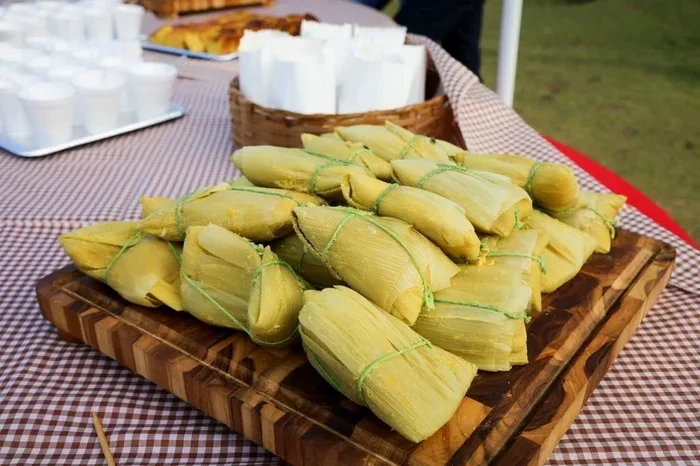
This tamales recipe walks you through making authentic homemade tamales with masa dough, flavorful fillings, and corn husks. You will learn how to prepare pork, chicken, and cheese tamales step by step. With a little practice, you will be wrapping and steaming perfect tamales like a pro.
There is something truly special about homemade tamales. They bring families together. They fill the kitchen with a warm, comforting aroma. And once you learn the basics, you will wonder why you ever bought them from a store.
This tamales recipe is designed for beginners and seasoned cooks alike. I will walk you through every single step. From making the dough to choosing the perfect filling, you will have everything you need. By the end, you will feel confident enough to make tamales for your next gathering or quiet weeknight dinner.
Tamales have been a staple of Mexican cuisine for thousands of years. They are more than just food. They are a tradition. Families gather every holiday to spread masa on corn husks, add fillings, and steam them to perfection. Now you can carry on that tradition in your own kitchen.
Key Takeaways
- Homemade tamales are easier than they look: Once you master the basic technique, you can whip up dozens of tamales in under two hours.
- Masa harina is the star ingredient: This specially treated corn flour gives tamales their signature soft, moist texture.
- You can customize your fillings: Pork, chicken, cheese, and beans all work beautifully in this tamales recipe.
- Steaming is the key cooking method: Proper steaming ensures your tamales cook evenly and develop the right consistency.
- Corn husks make wrapping easy: They are reusable and give tamales their classic presentation.
- Tamales freeze well: You can make a big batch and store them for later enjoyment.
📑 Table of Contents
- What Makes This Tamales Recipe Special
- Ingredients You Will Need for Authentic Tamales
- How to Make Tamale Dough From Scratch
- Preparing Your Fillings
- Assembling and Steaming Your Tamales
- Tips for Perfect Tamales Every Time
- Serving and Storing Your Tamales
- Variations to Try in Your Next Batch
- Why You Should Make Tamales at Home Today
What Makes This Tamales Recipe Special
Many tamales recipes overcomplicate things. This one keeps it simple and practical. You do not need fancy equipment. You do not need years of experience. You just need the right ingredients and a little patience.
What sets this homemade tamales approach apart is the balance of flavor and texture. The masa dough is light and airy. The fillings are rich and savory. And the steaming process locks in all the moisture. Every bite should be tender and full of flavor.
Another reason this tamales recipe stands out is flexibility. You can make them with pork, chicken, cheese, or even beans. Vegetarian options work just as well. You can adjust the spice level to match your family’s taste. This is truly a recipe that adapts to you.
Why Homemade Tamales Beat Store-Bought
Store-bought tamales are convenient. But they cannot compare to the taste of homemade. When you make tamales at home, you control every ingredient. You decide how much salt goes in. You choose fresh meats and real cheese. The difference in flavor is night and day.
Homemade tamales also let you experiment. Try a new filling. Mix in different salsas. Add extra cheese if you like. There are no rules holding you back. This freedom is what makes cooking tamales at home so rewarding.
Ingredients You Will Need for Authentic Tamales
Having the right ingredients is the foundation of any great tamales recipe. Let me break everything down so you can shop with confidence.
For the Masa Dough
- Masa harina: This is the most important ingredient. Look for a brand like Maseca or Bob’s Red Mill. Do not substitute regular cornmeal. Masa harina is treated with lime, which gives it a unique flavor and texture.
- Lard or vegetable shortening: Lard makes the most authentic tamales. It creates a fluffy, rich dough. If you prefer, vegetable shortening works too.
- Broth: Chicken or pork broth adds moisture and flavor. Warm broth blends into the dough more easily.
- Baking powder: A small amount helps the dough rise and become light.
- Salt: Do not skip this. It brings out all the flavors.
For the Fillings
- Pork shoulder: Slow-cooked pork makes excellent tamales. Shred it after cooking for the best texture.
- Chicken breast: You can use instant pot shredded chicken breast for a quick and easy option. It shreds perfectly and absorbs flavors beautifully.
- Ground beef: Brown it with spices for a hearty filling. Check out blackstone ground beef recipe ideas for seasoning inspiration that works great in tamales too.
- Cheese: Oaxaca cheese or Monterey Jack melts wonderfully inside tamales.
- Beans: Refried pinto beans are a classic vegetarian option.
For Serving and Wrapping
- Corn husks: These are the traditional wrapper. Soak them in warm water for at least one hour before using.
- Salsa verde or salsa roja: Adds moisture and flavor to the filling.
- Enchilada sauce: A drizzle on top after steaming adds extra richness.
How to Make Tamale Dough From Scratch
The masa dough is the heart of every tamale. Getting it right makes all the difference. Follow these steps and you will have perfect dough every time.
Step 1: Whip the Lard First
Start by beating your lard or shortening until it is light and fluffy. This is the secret to tender tamales. Use a hand mixer or stand mixer. Beat for about three to five minutes until the lard turns pale and almost white.
Do not rush this step. Many people skip it and end up with dense, heavy tamales. Properly whipped lard incorporates air into the dough. That air is what gives homemade tamales their soft, melt-in-your-mouth texture.
Step 2: Mix in the Masa Harina
Gradually add the masa harina to the whipped lard. Mix on low speed. Add the broth a little at a time. The dough should be the consistency of thick peanut butter. It should spread easily but not be runny.
Add the baking powder and salt. Mix everything together until smooth. Taste a tiny bit of the dough. It should be well seasoned. Remember, the dough is part of the final flavor.
Step 3: Test the Dough
Drop a small ball of dough into a cup of cold water. If it floats, it is ready. If it sinks, add a little more whipped lard and mix again. Floating dough means it has enough air incorporated. This test has been passed down through generations of tamale makers.
Preparing Your Fillings
The filling is where you can get creative. Traditional tamales use meats cooked in rich, flavorful sauces. But you can also go vegetarian or try something new.
Pork Tamale Filling
Pork is the most classic tamale filling. Slow cook a pork shoulder with garlic, onion, cumin, and chili powder. Once it is tender, shred it with two forks. Mix the shredded pork with some of the cooking liquid or salsa verde. The filling should be moist but not soupy.
Chicken Tamale Filling
Shredded chicken works wonderfully inside tamales. Season the chicken with cumin, paprika, and a pinch of oregano. Mix the shredded chicken with a little cheese or green chiles for extra flavor. The instant pot method produces incredibly tender chicken that is perfect for tamales.
Cheese and Bean Tamale Filling
For a vegetarian option, combine refried beans with shredded cheese. Spread a layer of beans on the husk, add cheese on top, and roll. The cheese melts into a gooey, delicious center. This is one of the most popular tamales recipe variations for meat-free meals.
Assembling and Steaming Your Tamales
Assembly is the part that looks intimidating but is actually quite fun. Once you do it a few times, it becomes second nature.
Step 1: Prepare Your Workspace
Set up a assembly line. Place your masa dough in a bowl. Have your soaked corn husks ready. Keep your fillings in separate bowls. You will also need a small spoon or spatula for spreading the dough.
Keep a damp towel nearby. Cover your husks and dough so they do not dry out while you work. Dry husks crack and break, which makes wrapping difficult.
Step 2: Spread the Dough
Take a corn husk and place it with the wide end facing you. Spread about two tablespoons of masa dough in the center. Use the back of the spoon to spread it evenly. Leave a border around the edges. The dough should be about a quarter-inch thick.
Do not spread the dough too thin. Thick tamales hold together better during steaming. Thin dough can tear and leak filling.
Step 3: Add the Filling
Place a spoonful of filling down the center of the dough. Do not overfill. A little goes a long way. Too much filling makes it hard to fold and can cause the tamale to burst during cooking.
Step 4: Fold and Wrap
Fold one side of the husk over the other so the dough wraps around the filling. Then fold the narrow bottom end up. Tie it with a thin strip of husk if needed. The tamale should look like a small package with the open end facing up.
Place the finished tamales upright in a steamer basket. The open end should face up so the dough does not get soggy from trapped steam.
Step 5: Steam to Perfection
Fill your steamer pot with water and bring it to a gentle boil. Place the tamales in the steamer basket. Cover with a lid and steam for about one to one and a half hours. Check the water level periodically and add more hot water as needed.
The tamales are done when the dough pulls away from the husk cleanly. If the dough sticks, they need more time. This is the best test for doneness.
Tips for Perfect Tamales Every Time
Making tamales takes practice. Even experienced cooks sometimes run into issues. Here are some tips that will help you succeed.
Common Mistakes to Avoid
- Skipping the husk soaking: Dry husks crack and break during wrapping. Always soak them for at least one hour.
- Overfilling the tamales: This is the number one beginner mistake. Less filling makes rolling much easier.
- Using the wrong dough consistency: Too dry and the tamales crack. Too wet and they fall apart. Aim for thick peanut butter consistency.
- Not steaming long enough: Tamales need time to cook through. Do not rush the steaming process.
- Opening the steamer too often: Every time you lift the lid, you lose steam and add cooking time.
Quick Tips for Success
- Make the dough the night before. This saves time on cooking day.
- Use a deep pot with a wire steamer basket for even heat distribution.
- Make a big batch. Tamales freeze beautifully for up to three months.
- Serve with taco salad recipe for quick weeknight dinners on the side for a complete Mexican-inspired meal.
- Pair leftover tamales with a side of creamy boursin cheese pasta for a delicious dinner combination.
Expert Insight: The Importance of Resting the Dough
Letting the masa dough rest for at least thirty minutes before using it makes a noticeable difference. The masa hydrates fully during this time. The result is a smoother, more spreadable dough that produces better tamales. This small step is often overlooked but it truly elevates your homemade tamales.
Serving and Storing Your Tamales
Tamales are best served hot right out of the steamer. Remove the husk and place the tamale on a plate. Drizzle with enchilada sauce or salsa verde. A sprinkle of crumbled queso fresco adds a nice finishing touch.
Leftover tamales can be stored in the refrigerator for up to five days. Wrap them individually in plastic wrap to keep them moist. Reheat by steaming for ten to fifteen minutes or microwaving for one to two minutes.
Freezing is the best way to preserve a big batch. Wrap each tamale tightly in plastic wrap and then in foil. Place them in a freezer bag. When you are ready to eat, unwrap and steam for twenty to thirty minutes. They taste almost as good as fresh.
Variations to Try in Your Next Batch
Once you master the basic tamales recipe, the fun begins. Try these popular variations to keep things interesting.
- Sweet tamales: Fill with cinnamon sugar and raisins. Drizzle with condensed milk for a dessert tamale.
- Green chile and cheese: Roasted green chiles mixed with melted cheese make a spicy, creamy filling.
- Breakfast tamales: Scrambled eggs, bacon, and cheese inside a tamale make a hearty morning meal.
- Mole tamales: Use rich mole sauce as both a filling and a topping for an authentic Mexican experience.
Each variation brings its own unique flavor profile. Do not be afraid to experiment. That is the beauty of making tamales at home. You can tailor every batch to suit your personal taste and the preferences of your family.
Why You Should Make Tamales at Home Today
Making tamales at home is a rewarding experience. It connects you to a rich culinary tradition. It fills your kitchen with incredible aromas. And it produces food that tastes far better than anything you can buy at a store.
This tamales recipe gives you everything you need to get started. The ingredients are simple and affordable. The process is straightforward once you practice it a few times. And the results are absolutely worth the effort. Whether you are making tamales for a holiday celebration or a casual family dinner, homemade tamales always impress.
So gather your ingredients. Set up your assembly line. And enjoy the process. Making tamales should be fun. It should bring people together. And most importantly, it should result in a delicious meal that you are proud to share.
Frequently Asked Questions
Can I use a rice cooker instead of a steamer for tamales?
Yes, you can. Place the tamales upright in the rice cooker basket with the open end facing up. Add water to the bottom of the rice cooker and set it to cook. Check periodically and add hot water if needed. It works surprisingly well and produces great results.
How long do homemade tamales last in the freezer?
Homemade tamales freeze well for up to three months. Wrap each tamale tightly in plastic wrap and foil before placing them in a freezer bag. When ready to eat, steam them for twenty to thirty minutes without unwrapping first, then remove the husks.
Can I make tamales without lard?
Absolutely. Vegetable shortening is the most common substitute. It produces a slightly different flavor but still creates a light and fluffy dough. Some people even use coconut oil for a dairy-free option. The key is to whip it well until it becomes light and airy.
What is masa harina and where can I buy it?
Masa harina is a type of corn flour that has been treated with lime water, a process called nixtamalization. This treatment removes the hull and changes the nutritional profile and flavor of the corn. You can find it in the international or baking aisle of most grocery stores or at any Latin market.
Why do my tamales stick to the corn husk?
If the dough sticks to the husk, the tamales likely need more steaming time. They are done when the dough pulls away cleanly. Also, make sure you are using enough fat in the dough. A well-made masa with sufficient lard or shortening releases from the husk naturally once fully cooked.
Can I prepare tamales ahead of time?
Yes, assembling tamales ahead of time is a great time saver. You can wrap them and store them in the refrigerator for up to twenty-four hours before steaming. Some people even assemble a full batch and freeze them uncooked, then steam them straight from frozen when ready to eat.
=== CONCLUSION ===
Making authentic tamales at home is one of the most satisfying cooking experiences you can have. This tamales recipe gives you a solid foundation to build on. Start with simple pork or chicken fillings. Master the dough. Perfect your wrapping technique. Then let your creativity run wild with new flavors and variations.
Remember, every batch of homemade tamales brings you closer to the tradition. The process takes time, but the results are worth every minute. Share them with family and friends. Freeze extras for busy weeknights. And most importantly, enjoy the journey of learning this timeless culinary art.



