
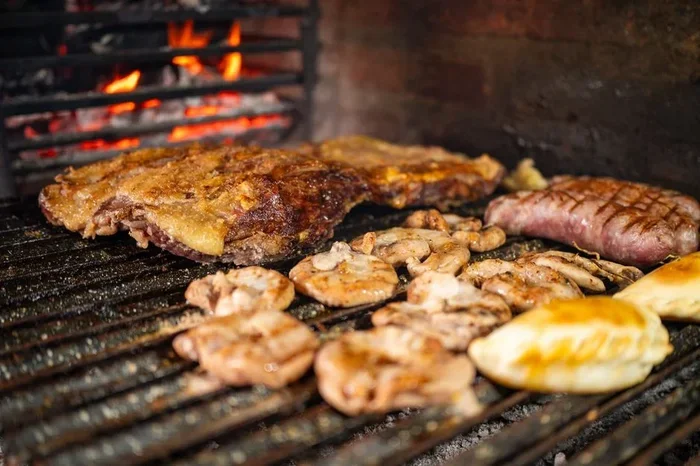
Cooking chateaubriand steak at home is easier than you think. This guide walks you through selecting the perfect cut, seasoning it right, and searing it to juicy perfection. You will learn how to achieve a golden crust while keeping the inside tender and pink. With the right tools and a little patience, you can serve a restaurant-quality meal on your table tonight.
Key Takeaways
- Choose the right cut: A thick center-cut beef tenderloin is essential for an authentic chateaubriand steak.
- Sear at high heat: A hot pan creates a flavorful crust while keeping the inside perfectly pink.
- Rest your steak: Letting the steak rest for 10 minutes keeps the juices locked in.
- Use a meat thermometer: Internal temperature is the most reliable way to judge doneness.
- Slice against the grain: This ensures every slice is tender and easy to chew.
- Store leftovers properly: Follow proper beef storage tips to keep leftovers fresh and safe.
📑 Table of Contents
- What Is Chateaubriand Steak?
- Choosing the Perfect Chateaubriand Steak
- Tools and Ingredients You Will Need
- Step-by-Step Guide to Cooking Chateaubriand Steak
- Slicing and Serving Your Chateaubriand
- Storing and Reheating Leftover Steak
- Common Mistakes to Avoid
- Expert Tips for the Perfect Chateaubriand
- Why Chateaubriand Steak Deserves a Spot on Your Dinner Table
What Is Chateaubriand Steak?
Chateaubriand steak is a classic French dish that has won hearts around the world. It is a thick, center-cut piece of beef tenderloin. The name comes from a famous French literary figure, and the dish has been a symbol of elegant dining for centuries. Unlike regular steaks, chateaubriand is always served as a shared roast, making it perfect for special occasions.
The beauty of this cut lies in its tenderness. The tenderloin is the most delicate part of the cow. It has very little fat, which means it cooks quickly and stays incredibly soft. When you cook chateaubriand steak right, every bite melts in your mouth. It is a dish that feels fancy but is surprisingly simple to make at home.
Many people think this dish requires a professional kitchen. That is simply not true. With a good pan, a sharp knife, and a little confidence, you can pull off a stunning chateaubriand. Let us walk you through everything you need to know.
Choosing the Perfect Chateaubriand Steak
What to Look for at the Butcher
The first step to a great steak starts at the meat counter. You want a center-cut piece of beef tenderloin that is at least 2 inches thick. Thickness matters a lot. A thin cut will overcook before you can build a good crust. Aim for a piece that weighs between 1 and 2 pounds.
Look for beef with a bright red color. The meat should feel firm but slightly soft when you press it. Avoid any cuts that look brown or gray. Those colors mean the meat has been sitting too long. A good butcher can help you pick the perfect piece. Do not be afraid to ask questions.
Grass-Fed vs. Grain-Fed
Both grass-fed and grain-fed beef work well for this recipe. Grain-fed beef tends to have more marbling, which adds flavor. Grass-fed beef is leaner and has a more earthy taste. Choose whichever you prefer. The cooking method stays the same either way. What matters most is the thickness and freshness of the cut.
Before cooking, take the steak out of the fridge about 30 minutes ahead. Letting it come to room temperature helps it cook more evenly. This small step makes a big difference in the final result.
Tools and Ingredients You Will Need
You do not need a lot of fancy equipment to make a great chateaubriand. Here is what you will need:
- A heavy-bottomed cast iron skillet or stainless steel pan
- A meat thermometer (this is non-negotiable)
- Sharp kitchen tongs
- A sharp knife for slicing
- Butter and olive oil
- Fresh garlic cloves
- Fresh thyme and rosemary
- Coarse sea salt and black pepper
- A cutting board
Your pan needs to be heavy. A thin pan will not hold enough heat to create a proper sear. Cast iron is the gold standard. If you do not have one, a thick stainless steel pan works too. A sharp knife is also critical when it comes time to slice your steak. A dull blade will tear the meat instead of cutting it cleanly. You can learn more about keeping blades sharp in our guide on how to sharpen a Damascus knife if you want to maintain your best kitchen knives.
For seasoning, keep it simple. Salt, pepper, garlic, and fresh herbs are all you need. The quality of the beef speaks for itself. Do not overload it with spices. Let the meat be the star of the show.
Step-by-Step Guide to Cooking Chateaubriand Steak
Step 1: Season the Steak
Pat the steak dry with paper towels. This is an important step. Moisture on the surface creates steam, and steam prevents browning. Generously coat all sides with coarse salt and freshly cracked black pepper. Press the seasoning into the meat so it sticks.
Some cooks like to add garlic powder or onion powder. That is fine, but keep it minimal. The natural flavor of the beef tenderloin is delicate and should shine through.
Step 2: Preheat the Pan
Place your cast iron skillet on the stove over high heat. Let it get really hot. You should see a light shimmer in the air above the pan. Add a tablespoon of olive oil and let it just begin to smoke. This is the sweet spot for a great sear.
Do not add butter yet. Butter burns at high temperatures and will turn brown too quickly. You will use butter later for basting.
Step 3: Sear the Steak
Place the chateaubriand steak in the hot pan. You should hear a loud sizzle. That is exactly what you want. Let it sear untouched for about 3 to 4 minutes. Do not move it around. Let the heat do its work. You will see a beautiful brown crust form on the bottom.
Flip the steak and sear the other side for another 3 to 4 minutes. Then, lay the steak on its side and sear the edges for about 1 minute each. This gives you an even crust all around.
Step 4: Butter Baste for Extra Flavor
After searing both sides, reduce the heat to medium. Add a generous knob of butter to the pan. Toss in a few smashed garlic cloves and fresh thyme sprigs. As the butter melts, tilt the pan slightly and spoon the fragrant butter over the steak repeatedly. This is called basting, and it adds incredible flavor and richness.
Baste for about 1 to 2 minutes. This step takes your steak from great to absolutely unforgettable. The garlic and herbs infuse the butter, which soaks into the crust.
Step 5: Check the Temperature
This is the most important step. Insert a meat thermometer into the thickest part of the steak. Here are the target temperatures for different levels of doneness:
- Rare: 120°F (49°C)
- Medium Rare: 130°F (54°C)
- Medium: 140°F (60°C)
- Medium Well: 150°F (66°C)
Remember that the temperature will rise a few degrees after you remove the steak from the pan. This is called carryover cooking. Pull the steak off the heat a few degrees before it hits your target. For most people, medium rare at 130°F is the sweet spot.
Step 6: Rest the Steak
Transfer the steak to a cutting board and let it rest for at least 10 minutes. This is not optional. Resting allows the juices to redistribute throughout the meat. If you cut too soon, all those flavorful juices will run out onto the board instead of staying in the steak.
During resting, you can make a quick pan sauce. Just add a splash of red wine or beef broth to the hot pan and scrape up the browned bits. That is called deglazing, and it creates a sauce that pairs beautifully with the steak.
Slicing and Serving Your Chateaubriand
How to Slice for the Best Results
Once the steak has rested, it is time to slice. Use your sharpest knife and cut against the grain. The grain is the direction of the muscle fibers. Cutting against it shortens those fibers, making each bite more tender. If you cut with the grain, the steak will feel chewy no matter how well you cooked it.
Slice the steak about half an inch thick. Arrange the slices on a warm plate and drizzle any accumulated juices over the top. A little flaky sea salt on top adds a nice finishing touch.
Best Side Dishes to Serve
Chateaubriand steak pairs wonderfully with simple sides. Here are some ideas:
- Crispy roasted potatoes
- Steamed asparagus or green beans
- A fresh mixed green salad with vinaigrette
- Creamy mashed potatoes
- Grilled seasonal vegetables
Keep the sides light and fresh. The steak is the main event. Heavy sides will overpower the delicate flavor of the beef. A bright salad or simple roasted vegetables balance the richness perfectly.
Storing and Reheating Leftover Steak
Sometimes there are leftovers, and that is not a bad thing. Cooked steak stores well in the fridge for up to 3 days. Let the steak cool to room temperature first, then wrap it tightly in plastic wrap or foil. Place it in an airtight container. For longer storage, you can freeze cooked beef for up to 3 months. Proper storage keeps your beef safe and tasty.
If you want to learn more about keeping your beef fresh, check out our detailed guide on how to store beef for best practices on refrigeration and freezing.
To reheat, use a low oven set to 250°F. Place the steak on a wire rack over a baking sheet and warm it gently for 15 to 20 minutes. This prevents the meat from drying out. Avoid microwaving, which tends to make the steak tough and rubbery.
Common Mistakes to Avoid
Even experienced cooks make mistakes with steak. Here are the most common ones to watch out for:
- Starting with a cold steak: A cold center cooks unevenly. Always bring the steak to room temperature before cooking.
- Skipping the dry pat: Moisture on the surface prevents a good sear. Always pat the meat dry.
- Moving the steak too soon: Let the crust form before you flip. Moving it too early tears the surface.
- Overcooking: Use a meat thermometer. Guessing leads to dry, tough steak every time.
- Cutting too soon: Resting is essential. Cutting too early releases all the juices.
- Using a dull knife: A dull blade tears the meat instead of slicing it cleanly.
Avoiding these simple mistakes will elevate your steak game significantly. Each one is easy to fix once you know about it.
Expert Tips for the Perfect Chateaubriand
Here are some pro-level tips that make all the difference:
- Dry brine the night before: Sprinkle salt on the steak and leave it uncovered in the fridge overnight. This draws out moisture, which then gets reabsorbed, seasoning the meat deeply and creating a drier surface for a better sear.
- Use compound butter: Mix softened butter with minced garlic, fresh herbs, and a pinch of salt. Roll it into a log and chill it. Place a slice on top of the hot steak right before serving. It melts over the meat and adds a luxurious finish.
- Let the pan cool between batches: If you are cooking more than one steak, let the pan come back up to temperature before adding the next one. This ensures an even sear every time.
- Sear the edges first: Some chefs prefer to sear the edges before the flat sides. This creates a uniform crust all around. Experiment and see which method you like better.
These small details separate a good steak from a great one. Try them next time you make this dish and taste the difference.
Why Chateaubriand Steak Deserves a Spot on Your Dinner Table
This classic dish is more than just a steak. It is an experience. The thick, juicy center-cut beef tenderloin, seared to perfection and served with a rich pan sauce, is the kind of meal that brings people together. Whether you are celebrating a special occasion or simply treating yourself, chateaubriand steak delivers on every level.
The best part is that it is achievable at home. You do not need a fancy restaurant or expensive equipment. A quality cut of beef, a hot pan, and a little attention are all you need. Once you master this recipe, you will wonder why you ever ordered steak out. Your kitchen will become your favorite steakhouse.
Start with a good cut of beef. Follow the steps carefully. Respect the resting time. And most importantly, enjoy the process. Cooking a beautiful chateaubriand steak is one of the most rewarding things you can do in the kitchen. It is a skill that will impress everyone at your table and give you confidence in your cooking.
So go ahead. Pick up a beautiful center-cut tenderloin this weekend. Fire up your stove. And make the kind of steak that restaurant menus are jealous of. You have got this.
Frequently Asked Questions
What cut of beef is used for chateaubriand steak?
Chateaubriand steak is made from the center-cut of the beef tenderloin. This is the same part of the cow used for filet mignon, but the chateaubriand cut is thicker and meant to be shared. It is the most tender part of the beef, with very little fat or marbling.
How thick should a chateaubriand steak be?
You want your chateaubriand steak to be at least 2 inches thick. Thicker cuts give you more room for error and allow you to build a great crust without overcooking the inside. A 1.5 to 2.5 pound piece is ideal for most recipes.
What is the best internal temperature for chateaubriand steak?
Medium rare at 130°F is the most popular and recommended temperature. It gives you a warm pink center that is juicy and tender. Use a meat thermometer to check the thickest part of the steak, and remember that the temperature will rise a few degrees as the steak rests.
Can I cook chateaubriand steak in the oven?
Yes, you can finish the steak in the oven after searing it on the stovetop. After building a crust on all sides, transfer the pan to a 400°F oven and cook until it reaches your desired internal temperature. This method is sometimes called reverse searing and works beautifully for thick cuts.
How long should I rest chateaubriand steak before slicing?
Let the steak rest for at least 10 minutes on a cutting board. During this time, the juices redistribute throughout the meat, making every slice moist and flavorful. Resist the urge to cut too soon, as that will cause the juices to run out and leave the steak dry.
What is the best way to tenderize beef before cooking?
For chateaubriand steak, the meat is already naturally tender since it comes from the tenderloin. However, you can enhance tenderness by dry brining with salt overnight. If you want to learn more about natural tenderizing methods for other cuts of meat, our guide on how to tenderize meat naturally has helpful tips you can apply.



