
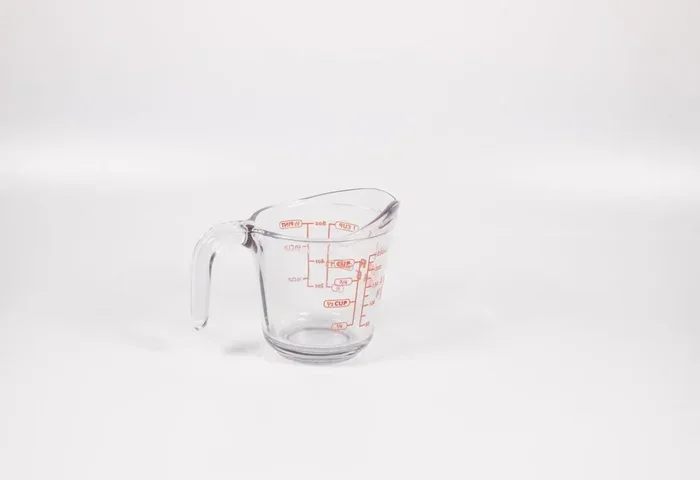
Knowing how many cups are in 32 ounces is a simple kitchen skill that saves time and prevents cooking mistakes. 32 fluid ounces equals 4 cups, and this conversion works for liquids like water, milk, and broth. Whether you are scaling a recipe up or down, understanding this basic volume conversion makes cooking and baking much easier and more accurate.
Have you ever stared at a recipe and wondered, “How many cups is 32 ounces?” You are not alone. This question comes up all the time in kitchens around the world. Whether you are a beginner cook or someone who has been cooking for years, understanding basic volume conversions makes your life so much easier.
The good news is that the answer is simple. 32 fluid ounces equals 4 cups. That is it. Once you know this, a whole world of cooking confidence opens up. You will never have to guess how much liquid to pour again. In this guide, we will break down everything you need to know about cups, ounces, and why this conversion matters for your everyday cooking.
Key Takeaways
- 32 fluid ounces equals 4 cups: This is the standard liquid measurement conversion every home cook should know.
- Fluid ounces and dry ounces are different: Weight and volume are not the same, so the type of ingredient matters.
- Using the right measuring tools ensures accuracy: Liquid measuring cups and dry measuring cups serve different purposes.
- Mastering basic conversions helps with recipe scaling: You can easily double or halve any recipe with confidence.
- Common mistakes include confusing weight and volume: Avoid these pitfalls with a little awareness and the right tools.
📑 Table of Contents
What Is a Cup and What Is an Ounce?
Before we dive into the conversion, let us clear up what these units actually mean. A cup is a unit of volume. It measures the space something takes up. In the United States, one standard cup equals 8 fluid ounces. That is the number you will use most often in the kitchen.
An ounce can mean two different things, and this is where people get confused. A fluid ounce measures volume, like how much liquid fits in a container. A dry ounce measures weight, like how heavy something is. When a recipe calls for 32 ounces of a liquid ingredient, it means fluid ounces. When it calls for 32 ounces of flour or sugar, it means weight ounces. These are not the same thing at all.
Why the Difference Matters
Think of it this way. A cup of water weighs about 8 ounces. But a cup of flour weighs only about 4.5 ounces. Same volume, very different weight. This is why knowing whether a recipe uses fluid ounces or weight ounces changes everything. If you are working with liquids, the 8 fluid ounces per cup rule works perfectly. For dry ingredients, you need a kitchen scale for the most accurate results.
How Many Cups in 32 Ounces: The Simple Answer
The direct answer is 4 cups. Here is the math: 32 divided by 8 equals 4. Since one cup holds 8 fluid ounces, 32 fluid ounces fills exactly 4 cups. This is one of the most common conversions you will use in the kitchen, so it is worth memorizing.
This conversion works for any liquid. Water, milk, broth, oil, juice, and melted butter all follow the same rule. If a recipe calls for 32 fluid ounces of chicken broth, you know you need 4 full cups. If you are making a big batch of soup and the recipe says 32 ounces of water, grab your measuring cup and fill it four times.
Quick Conversion Chart for Common Amounts
Here is a handy reference you can keep in mind:
- 8 fluid ounces = 1 cup
- 16 fluid ounces = 2 cups
- 24 fluid ounces = 3 cups
- 32 fluid ounces = 4 cups
- 40 fluid ounces = 5 cups
Keep this chart in mind whenever you are working with liquid ingredients. It will speed up your cooking and take the guesswork out of measuring.
Liquid vs. Dry Measurements: What Is the Difference?
This is one of the most important topics in any kitchen. Liquid measurements and dry measurements are not interchangeable. Using the wrong type of measuring tool can throw off your entire recipe.
Liquid Measuring Cups
Liquid measuring cups are usually made of glass or plastic. They have a spout for pouring. You fill them to the markings on the side. These cups are designed for things like water, milk, and cooking oils. When you measure a liquid, you place the cup on a flat surface and bend down to read the marking at eye level. This ensures you get an accurate amount.
If you are boiling water in an Instant Pot, knowing your liquid measurements is essential. Most recipes call for at least one cup of water, and getting this right affects the cooking time and results.
Dry Measuring Cups
Dry measuring cups come in sets of different sizes: 1 cup, 1/2 cup, 1/3 cup, and 1/4 cup. You fill them to the top and level them off with a flat edge. These are best for ingredients like flour, sugar, rice, and oats. For the most precise dry measurements, a kitchen scale is your best friend.
Measuring Coffee and Other Small Quantities
When you are measuring something small, like coffee grounds, the right tool matters a lot. If you want to learn more about getting the right amount for your brew, check out our guide on how to measure coffee in a coffee maker. The principles of accurate measuring apply across the board, whether you are making coffee or a big pot of soup.
Why Accurate Measurements Matter in Cooking
You might think that eyeballing measurements is fine. And for some things, like tossing a salad, it really is. But for baking and precise cooking, accuracy is everything. Baking is a science. The ratio of flour to liquid to leavening determines whether your bread rises or your cake falls flat.
Here are a few reasons why getting your measurements right matters:
- Consistency: Your recipes turn out the same way every time.
- Texture and flavor: Too much or too little of an ingredient changes the final product.
- Food safety: Getting the right amount of liquid when cooking rice or grains ensures proper cooking temperatures.
- Recipe scaling: If you want to double a recipe, accurate measurements make the math easy.
For example, if you are reheating leftover rice and the recipe calls for 32 ounces of water to cook a fresh batch, knowing that is 4 cups helps you measure quickly without any confusion. Check out our guide on how to reheat rice in a rice cooker for more tips on getting the water-to-rice ratio just right.
Common Measurement Mistakes to Avoid
Even experienced cooks make measurement errors sometimes. Here are the most common ones:
- Scooping flour with the measuring cup: This packs the flour down and gives you more than the recipe intended. Spoon it in and level it off instead.
- Reading liquid measurements from above: Always bend down to eye level for an accurate reading.
- Confusing fluid ounces with weight ounces: Remember that 32 fluid ounces of water is not the same as 32 weight ounces of flour.
- Using the wrong size cup: Make sure your measuring cups are standard size. Some older or imported cups may not hold exactly 8 fluid ounces.
How to Use Conversions in Everyday Cooking
Once you know that 32 ounces equals 4 cups, you can apply this knowledge in so many ways. Let us look at some real-life situations where this conversion comes in handy.
Scaling Recipes Up or Down
Say you have a soup recipe that serves 4 people and calls for 32 ounces of broth. That is 4 cups. If you want to feed 8 people, you double everything to 64 ounces, or 8 cups. If you only want to serve 2 people, you halve it to 16 ounces, or 2 cups. Simple math, and it all starts with knowing your basic conversions.
Cooking with Large Batches
When you are meal prepping or cooking for a crowd, you deal with bigger numbers. A big pot of chili might need 32 ounces of tomato sauce. That is 4 cups. A batch of iced tea for a party might call for 32 ounces of water. You know exactly how many cups to pour.
Baking with Confidence
Baking is where precision really counts. If a bread recipe calls for 32 fluid ounces of warm water, you know to measure out 4 cups. This kind of confidence takes the stress out of baking and lets you focus on the fun parts, like mixing and shaping your dough.
Quick Tips for Measuring Like a Pro
Here are some practical tips to help you measure ingredients quickly and accurately every single time:
- Always use the right tool: Liquid measuring cups for liquids, dry measuring cups for dry ingredients, and a kitchen scale for weight measurements.
- Level off dry ingredients: Use the back of a knife to sweep across the top of your measuring cup for an exact amount.
- Check your cups at home: Fill a standard cup with water and weigh it. It should be close to 8 ounces. If it is way off, your cups may not be standard size.
- Memorize the key conversions: 8 ounces = 1 cup, 16 ounces = 2 cups, 32 ounces = 4 cups. Once these are second nature, you will never have to think twice.
- When in doubt, use a scale: A kitchen scale takes the guesswork out of measuring and is especially helpful for baking.
These small habits add up to big improvements in your cooking. You will notice that your dishes turn out more consistent and your recipe scaling becomes second nature.
Key Takeaways
- 32 fluid ounces equals 4 cups: This is the standard liquid measurement conversion every home cook should know.
- Fluid ounces and dry ounces are different: Weight and volume are not the same, so the type of ingredient matters.
- Using the right measuring tools ensures accuracy: Liquid measuring cups and dry measuring cups serve different purposes.
- Mastering basic conversions helps with recipe scaling: You can easily double or halve any recipe with confidence.
- Common mistakes include confusing weight and volume: Avoid these pitfalls with a little awareness and the right tools.
Frequently Asked Questions
How many cups is 32 ounces of water?
32 fluid ounces of water equals exactly 4 cups. This is because one standard cup holds 8 fluid ounces. So 32 divided by 8 gives you 4 cups. This applies to any liquid, not just water.
Is 32 ounces the same as 4 cups for all ingredients?
For liquids, yes. 32 fluid ounces always equals 4 cups. For dry ingredients, the weight can vary. A cup of flour weighs less than a cup of sugar, so the conversion from ounces to cups depends on the ingredient’s density. For the most accurate dry measurements, use a kitchen scale.
Can I use a regular drinking cup to measure 32 ounces?
It is not recommended. A standard measuring cup holds exactly 8 fluid ounces, but a regular drinking cup can vary in size. Using a proper measuring cup ensures your recipes turn out right every time.
How do I convert 32 ounces to cups for baking?
For liquid ingredients in baking, divide 32 by 8 to get 4 cups. For dry ingredients like flour or sugar, it is better to measure by weight using a kitchen scale. This gives you the most accurate results for baking, where precision really matters.
Does the type of liquid change the 32-ounce to 4-cup conversion?
No. Whether it is water, milk, broth, oil, or juice, 32 fluid ounces always equals 4 cups. The conversion is the same for all liquids because it is based on volume, not the type of liquid.
What is the easiest way to remember that 32 ounces equals 4 cups?
Just remember that 1 cup equals 8 fluid ounces. Multiply 8 by 4, and you get 32. Once you know this one fact, you can quickly figure out any similar conversion. It is one of the handiest kitchen math tricks you will ever learn.
=== CONCLUSION ===
Understanding how many cups are in 32 ounces is one of those small kitchen skills that makes a big difference. The answer is simple: 32 fluid ounces equals 4 cups. Once you know this, you can scale recipes, measure ingredients, and cook with confidence every single day.
Remember that fluid ounces and dry ounces are not the same thing. Use liquid measuring cups for liquids and dry measuring cups for dry ingredients. When precision really matters, like in baking, a kitchen scale is your best investment.
Keep the quick conversion chart handy, avoid the common mistakes we talked about, and soon these measurements will feel like second nature. Happy cooking!



