Cooking cabbage on the stove is one of the easiest and most rewarding ways to bring out its natural flavor and nutrients. Whether you prefer it sautéed, braised, or boiled, stove-top cabbage unlocks a world of delicious possibilities with minimal effort. This guide shares simple tips to help you perfectly cook cabbage on the stove every single time.
How to Cook Cabbage on the Stove with These Simple Tips
Learning how to cook cabbage on stove is one of those kitchen skills that changes everything. Cabbage is affordable, packed with nutrients, and incredibly versatile. Whether you want caramelized cabbage as a side dish or a hearty braised cabbage for dinner, your stovetop can do it all. I have cooked cabbage more ways than I can count, and I am here to share what actually works.
This guide covers everything from picking the right head of cabbage to mastering different cooking methods. You will learn cabbage preparation tricks, timing guidelines, and common mistakes to avoid. By the end, you will feel confident enough to make stove top cabbage a regular part of your meal rotation. Let us get started.
Cabbage is one of those vegetables that people either love or avoid. The ones who avoid it usually had a bad experience overcooked mush that tasted like nothing. But done right, cabbage is crispy, sweet, and deeply satisfying. The good news is that cooking it on the stove gives you much more control than other methods. You can adjust heat, timing, and seasoning in real time. That makes the stove the best place to learn how to cook this humble vegetable well.
Key Takeaways
- Slice cabbage thinly: Uniform pieces cook evenly and absorb flavors faster on the stove.
- Preheat your pan first: A hot pan with oil prevents sticking and jumpstarts caramelization.
- Add salt at the right time: Season halfway through cooking to draw out moisture without making cabbage soggy.
- Stir occasionally, don’t overmix: Gentle stirring develops golden edges while keeping texture intact.
- Cook on medium heat: High heat burns leaves; medium heat softens cabbage perfectly every time.
- Add acid at the end: A splash of vinegar or lemon brightens flavor and balances sweetness.
- Don’t skip the rest: Letting cooked cabbage sit for a minute lets flavors meld before serving.
📑 Table of Contents
Choosing the Right Cabbage for Stove Cooking
Types of Cabbage You Can Use
Not all cabbages are the same, and choosing the right one matters for your recipe. Green cabbage is the most common and widely available. It has a mild flavor and holds up well to high heat. Red cabbage is another great option. It looks stunning and adds a slightly peppery taste. Napa cabbage, also called Chinese cabbage, is tender and works beautifully for quick stove top cooking.
Savoy cabbage has crinkly leaves and a delicate texture. It cooks faster than green cabbage and is perfect for lighter dishes. Bok choy is technically a type of cabbage too. It stir fries wonderfully on the stove and adds a subtle crunch. Each type brings something different to the table, so pick based on what you are making.
What to Look For When Buying
When you are at the store, look for cabbages that feel heavy for their size. The leaves should be tight and firm, not wilted or loose. Avoid any heads with brown spots or soft areas. A good cabbage should look fresh and vibrant. If the outer leaves are damaged, that is fine. You will peel those off during cabbage preparation anyway.
Smaller cabbages tend to be sweeter and more tender than larger ones. They also cook more evenly, which makes them ideal for beginners. If you are buying cabbage for the first time, go for a medium-sized green head. It is forgiving and works with almost every cooking method.
Preparing Cabbage for the Stove
Washing and Cutting Basics
Before you start cooking, you need to prep your cabbage properly. Start by removing the outer leaves. These are often tough or damaged. Cut the cabbage in half through the core, then cut it into your desired shape. For stir fries and sautéed dishes, thin shreds work best. For braised or boiled cabbage, wedges hold their structure better.
Rinse the cabbage pieces under cold water to remove any dirt or residue. If you are worried about bugs or insects hiding in the leaves, soak the cabbage in salted water for about 10 minutes. This is a trick many experienced cooks swear by. After soaking, give it a final rinse and pat it dry with a clean towel.
Seasoning Basics That Make a Difference
Seasoning is where cabbage recipes really come alive. At a minimum, you will want salt, pepper, and a fat like butter or olive oil. Butter adds richness and helps the cabbage brown beautifully. Olive oil is a lighter option that still delivers great flavor. For a savory twist, add minced garlic and a splash of soy sauce.
If you enjoy a bit of sweetness, a pinch of sugar or a drizzle of honey works wonders when caramelizing cabbage. Apple cider vinegar brightens the flavor and cuts through richness. Red pepper flakes add a gentle heat that pairs well with almost any type of cabbage. Keep it simple at first, then experiment as you get comfortable.
Methods for Cooking Cabbage on the Stove
There are several ways to cook cabbage on the stove, and each method brings out different flavors and textures. Below are the three most popular techniques, along with step-by-step instructions.
Sautéed Cabbage
Sautéing is the fastest and most popular way to cook cabbage on the stove. It produces tender yet slightly crispy results with deep, browned flavors. This method works beautifully for shredded cabbage and is perfect as a cabbage side dish.
- Heat a large pan over medium-high heat and add 2 tablespoons of butter or olive oil.
- Add your shredded cabbage and spread it in a single layer. Do not overcrowd the pan.
- Cook without stirring for 3 to 4 minutes until the bottom starts to brown.
- Toss or flip the cabbage, then cook for another 3 to 5 minutes.
- Season with salt, pepper, and any additional spices you like. Serve immediately.
This method takes about 8 to 10 minutes total. It is simple, fast, and hard to mess up. For extra flavor, toss in some diced onion or minced garlic during the first minute of cooking.
Braised Cabbage
Braising is a slower, more hands-off method that produces melt-in-your-mouth results. This technique is perfect for cabbage wedges and works especially well with green or Savoy cabbage. The low and slow cooking process allows the cabbage to absorb all the flavors of your braising liquid.
- Heat oil in a deep skillet or Dutch oven over medium heat.
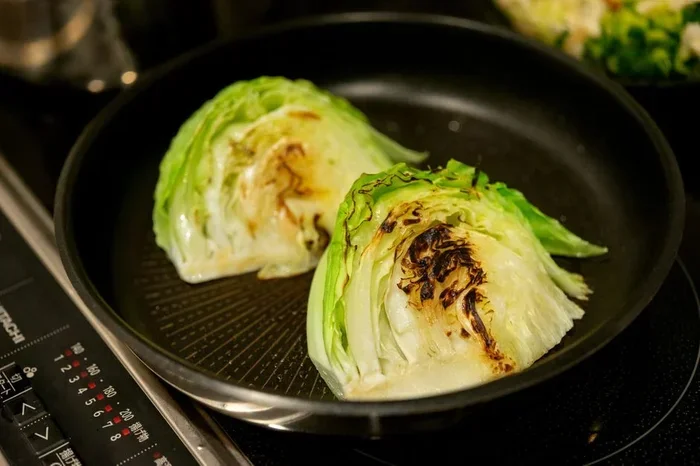
- Sear the cabbage wedges on both sides until golden brown, about 3 to 4 minutes per side.
- Add your braising liquid. This can be broth, beer, or a mix of broth and tomato sauce.
- Reduce the heat to low, cover the pan, and let it simmer for 20 to 30 minutes.
- Check tenderness with a fork. The cabbage should be soft but not falling apart.
Braised cabbage tastes even better the next day. If you have time, make it ahead and gently reheat on the stove before serving. The flavors deepen overnight, making it one of the best cabbage recipes for meal prep.
Boiled Cabbage
Boiling is the simplest method and a great starting point for beginners. It produces soft, tender cabbage that works well in salads, soups, or as a standalone side dish. This method is also one of the most common ways to cook vegetables on the stove when you want a neutral, clean flavor.
- Bring a large pot of salted water to a rolling boil.
- Add your cabbage wedges or shredded cabbage to the pot.
- Cook for 5 to 8 minutes for wedges or 3 to 5 minutes for shredded cabbage.
- Drain the cabbage and toss with butter, salt, and pepper to taste.
Boiled cabbage can taste bland if you do not season it well. Always salt the water generously. A bay leaf or a splash of vinegar in the cooking water adds subtle flavor. This method is also a great base for adding cabbage to soups and stews later.
Comparison of Cooking Methods
| Method | Time | Texture | Best For | Difficulty |
|---|---|---|---|---|
| Sautéed | 8-10 min | Crispy edges, tender inside | Side dishes, stir fries | Easy |
| Braised | 25-35 min | Soft, melt-in-mouth | Main dishes, meal prep | Medium |
| Boiled | 3-8 min | Tender, soft | Salads, soups, beginners | Very Easy |
How Long to Cook Cabbage on the Stove
Cooking Time by Method
Timing is the most important factor when you are learning how to cook cabbage on stove. Undercooked cabbage is tough and chewy. Overcooked cabbage turns mushy and loses its flavor. Here is a quick guide to help you nail the timing every time.
- Sautéed shredded cabbage: 8 to 10 minutes over medium-high heat.
- Sautéed wedges: 10 to 12 minutes, flipping halfway through.
- Braised wedges: 20 to 30 minutes on low heat, covered.
- Boiled wedges: 5 to 8 minutes in boiling water.
- Boiled shredded cabbage: 3 to 5 minutes in boiling water.
These times are approximate and can vary based on the thickness of your cuts and the size of your cabbage pieces. Always check for doneness by poking the cabbage with a fork. It should slide through easily but still have some structure.
Signs Your Cabbage Is Done
Knowing when cabbage is ready comes down to a few simple signs. The color changes from bright white or pale green to a deeper, slightly golden tone. The texture should be tender but not mushy. You should be able to cut through it with a fork or spatula without much resistance.
For sautéed cabbage, look for browned edges and a slightly crispy appearance. For braised cabbage, the leaves should be soft enough to fold easily. If you are boiling cabbage, taste a piece frequently after the 3-minute mark. Everyone has a different preference for tenderness, so trust your own palate.
Tips and Tricks for Perfect Stove-Top Cabbage
Quick Tips That Elevate Your Results
- Do not overcrowd the pan. Cabbage releases water as it cooks. Too much cabbage in the pan creates steam instead of browning. Use a large pan and cook in batches if needed.
- Preheat your pan before adding oil. A hot pan helps the cabbage sear immediately, locking in flavor and creating those desirable golden edges.
- Cut pieces evenly. Uniform sizes mean even cooking. This one simple step prevents some pieces from being raw while others are overdone.
- Season at the end. Salt draws moisture out of cabbage. If you salt too early, your cabbage will release water and steam instead of sautéing. Add salt in the last few minutes of cooking.
- Use a lid when braising. Trapping steam helps the cabbage cook through evenly without drying out.
These small adjustments make a big difference. I learned most of them through trial and error, and I wish someone had told me sooner. You can save yourself a lot of frustration by keeping these tips in mind from the start.
Common Mistakes to Avoid
The biggest mistake people make is cooking cabbage on too high a heat. High heat burns the outside while leaving the inside raw and crunchy. Medium to medium-high heat is the sweet spot for most methods. Patience is your best friend here.
Another common error is skipping the drying step after washing. Wet cabbage splatters in hot oil and steams instead of sautéing. Always pat your cabbage dry with a towel or let it air dry for a few minutes. This is similar to the principle behind how to fry an egg without oil where moisture control is key to proper cooking.
Over-seasoning is also something to watch out for. Cabbage has a mild flavor that can be overwhelmed by too much spice. Start with less seasoning than you think you need, then adjust to taste. You can always add more, but you cannot take it away.
Expert Insights on Stove-Top Cabbage
Professional chefs often say that cabbage rewards simple treatment. You do not need fancy techniques or expensive ingredients to make it shine. A hot pan, good fat, and proper seasoning are all you need. Some chefs recommend adding a splash of acid like lemon juice or vinegar right at the end of cooking. This brightens the flavor and keeps the cabbage from tasting flat.
If you are looking to add cabbage and onion together, cook the onions first until they are soft and translucent, then add the cabbage. The onions create a flavorful base that the cabbage absorbs as it cooks. This is a classic combination that works across many cuisines, from German to Korean to Mexican.
Proper cabbage preparation also includes storing leftovers correctly. Cooked cabbage keeps well in the refrigerator for up to 5 days. Store it in an airtight container to maintain moisture and prevent it from absorbing odors from other foods. For longer storage, you can freeze cooked cabbage, though the texture will change slightly. This is why stove top vegetables like cabbage are best enjoyed fresh or within a few days.
Key Takeaways
Cooking cabbage on the stove is simpler than most people think. With the right cabbage, proper preparation, and the correct cooking method, you can create delicious cabbage dishes in under 15 minutes. Here is what to remember:
- Choose firm, heavy cabbages with tight leaves for the best results.
- Sautéing is the fastest method and produces the most flavor.
- Braising creates tender, melt-in-your-mouth cabbage perfect for meal prep.
- Boiling is the easiest method and ideal for beginners.
- Timing matters. Follow the recommended times and check for doneness often.
- Avoid common mistakes like overcrowding the pan or over-seasoning.
The beauty of cooking cabbage on the stove is how forgiving it is. Even if you make a mistake, cabbage is affordable and easy to try again with. Once you master the basic techniques, you will find yourself reaching for cabbage more and more. It is a vegetable that deserves a regular spot in your kitchen.
Start with the sautéed method if you are new to cooking cabbage. It is quick, requires minimal ingredients, and delivers impressive results every time. Once you are comfortable, try braising for a richer, deeper flavor. Before long, you will have your own go-to cabbage recipe that you make without even thinking about it. Happy cooking.
Frequently Asked Questions
How to Cook Cabbage on the Stove Without It Getting Mushy?
Cut your cabbage into thin, even strips and cook them over medium heat. Stir occasionally and keep the lid slightly ajar to let steam escape. This helps the cabbage stay slightly crisp while softening evenly.
How Long Does It Take to Cook Cabbage on the Stove?
Thinly sliced cabbage typically takes about 8 to 12 minutes to cook on the stove. Shredded cabbage cooks faster, usually around 5 to 7 minutes. Larger wedges may need 15 to 20 minutes depending on how tender you like them.
Do You Need to Soak Cabbage Before Cooking It on the Stove?
Soaking is not always necessary, but it can help remove any hidden dirt or bugs from the leaves. If you skip soaking, rinsing the cabbage thoroughly under cold water works just as well. This step is especially helpful when you are preparing fresh cabbage from the garden.
What Is the Best Oil to Use When Cooking Cabbage on the Stove?
Olive oil and butter are both excellent choices for stove-top cabbage. Avocado oil works well too if you want a neutral flavor with a high smoke point. Use about one to two tablespoons per head of cabbage to prevent sticking.
How Do You Know When Cabbage Is Fully Cooked on the Stove?
The cabbage should be tender but not completely falling apart, with a slightly golden color. You can test it by piercing a piece with a fork — it should slide through easily. Taste a small piece to check for your preferred level of softness.
What Seasonings Work Best for Stove-Top Cabbage?
Garlic, onion, salt, and black pepper form a classic base for flavorful cabbage. Adding a splash of apple cider vinegar or a pinch of red pepper flakes gives it extra depth. For a richer taste, try a sprinkle of smoked paprika or a dash of soy sauce near the end of cooking.