
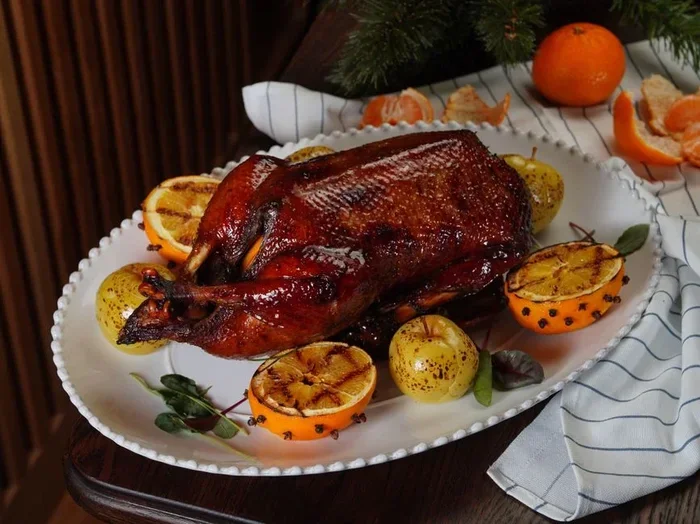
Finding the right oven temp for turkey is the key to a juicy, safe, and delicious bird every single time. Whether you are roasting a whole turkey for Thanksgiving or a weeknight dinner, knowing your target temperature makes all the difference. This guide walks you through the ideal oven temp for turkey, cooking times, and expert tips to avoid dry meat.
Cooking a turkey can feel intimidating. There is so much to think about. But here is the good news. Mastering oven temp for turkey is simpler than you think. You do not need to be a professional chef to get great results. A little knowledge and the right temperature make all the difference.
Whether you are preparing a holiday feast or a simple Sunday dinner, this guide has you covered. We will walk you through everything you need to know about roasting turkey in the oven. You will learn the best temperature settings, how long to cook, and how to tell when your bird is perfectly done. No guesswork required.
The oven temp for turkey might seem like a small detail. But it has a huge impact on the final result. Too hot and your turkey dries out. Too low and you risk food safety issues. Getting it just right means juicy, flavorful meat that everyone will love. Let us dive in.
Key Takeaways
- Target oven temp for turkey: Roast at 325°F for the best balance of juicy meat and food safety.
- Internal temperature matters most: Turkey is done when it reaches 165°F in the thickest parts.
- Resting time is essential: Let your turkey rest for 20-30 minutes after removing it from the oven.
- Use a meat thermometer: Never rely on color or time alone to judge doneness.
- Convection ovens need adjustments: Lower the temp by 25°F when using a fan-forced oven.
- Pan choice affects results: The right pan helps distribute heat evenly around your turkey.
📑 Table of Contents
- What Is the Best Oven Temp for Turkey?
- How Long to Cook Turkey at Different Temperatures
- Choosing the Right Pan for Your Turkey
- Turkey Safety and Internal Temperature
- Pro Tips for Perfect Turkey Every Time
- Convection Oven vs. Regular Oven for Turkey
- How to Keep Your Turkey Warm After Cooking
- Final Thoughts on Oven Temp for Turkey
What Is the Best Oven Temp for Turkey?
The short answer is 325°F. This is the go-to temperature recommended by most food experts and the USDA. At 325°F, your turkey cooks evenly. The meat stays moist. And you minimize the risk of burning the outside before the inside is done.
Here is a quick breakdown of common oven temp for turkey settings:
- 325°F: The standard roasting temperature. Great for most whole turkeys.
- 350°F: A slightly higher option. Good for smaller birds or when you are short on time.
- 300°F: A low-and-slow approach. Best for very large turkeys or when you want extra tender meat.
- 400°F: A faster method. Some cooks start at this temp to crisp the skin, then lower it.
For most home cooks, 325°F is the sweet spot. It gives you a reliable cook with minimal monitoring. If you use a convection oven, drop the temperature by 25 degrees. That means you roast at 300°F instead. The fan circulates the heat more efficiently, so you need less temperature.
Why 325°F Works So Well
At 325°F, the heat penetrates the turkey slowly and evenly. This gives the meat time to cook through without drying out. The fat renders gradually. The skin turns golden and crispy. And the interior stays juicy and tender.
Higher temperatures can cause the outer layers to overcook before the center reaches the safe internal temperature of 165°F. This is why a steady, moderate heat works so well for roasting turkey. It is all about balance.
How Long to Cook Turkey at Different Temperatures
Cooking time depends on a few factors. The size of your bird matters most. A smaller turkey cooks faster than a large one. Whether you are cooking a bone-in or boneless turkey also changes things. And your starting oven temp for turkey plays a role too.
Here is a general guide for oven-baked turkey cooking times:
- 8-12 pounds: About 2.5 to 3 hours at 325°F
- 12-16 pounds: About 3 to 3.5 hours at 325°F
- 16-20 pounds: About 3.5 to 4 hours at 325°F
- 20-24 pounds: About 4 to 4.5 hours at 325°F
These times are estimates. Always use a meat thermometer to check for doneness. The internal temperature of turkey is the only reliable way to know your bird is ready.
Turkey Breast vs. Thigh Temperature
Different parts of the turkey reach safe temperatures at different rates. The breast meat is leaner and dries out faster. The thigh meat has more fat and can handle higher heat. Here is what you should know:
- Turkey breast: Should reach 165°F internally. Check the thickest part of the breast.
- Turkey thigh: Should reach 175-180°F for the best texture. The higher temp helps break down the connective tissue.
- Stuffed turkey: The stuffing must also reach 165°F. This is especially important for food safety.
If you want perfectly cooked turkey, consider the oven temp for turkey and where you place the thermometer probe. Insert it into the thickest part of the thigh without touching the bone. The bone conducts heat differently and can give you a false reading.
Choosing the Right Pan for Your Turkey
Did you know your pan choice affects how your turkey roasts? A good pan allows air to circulate around the bird. This helps the oven temp for turkey work evenly on all sides.
Here are some pan options to consider:
- Roasting pan with rack: The best choice. The rack lifts the turkey off the bottom. Hot air flows underneath. This promotes even browning.
- Deep baking dish: A solid option if you do not have a rack. The turkey sits in its own juices.
- Cast iron skillet: Great for heat retention. Gives you a beautifully crispy skin.
If you want to elevate your roasting game, check out the best pans for cooking turkey in the oven. The right pan makes a real difference in your results.
Should You Cover Your Turkey?
Some cooks cover their turkey with foil for the first part of cooking. This traps moisture and keeps the breast from drying out. Then they remove the foil for the last 30-45 minutes to crisp the skin.
This is a great technique if you are roasting a larger bird. It gives you the best of both worlds. Moist meat and crispy skin. Experiment to find what works for your oven and your turkey size.
Turkey Safety and Internal Temperature
Food safety is no joke when it comes to cooking poultry. The USDA recommends cooking all poultry to an internal temperature of 165°F. This kills harmful bacteria like Salmonella and Campylobacter.
Here are the key safety points to remember:
- Always use a meat thermometer. Do not rely on pop-up timers or color alone.
- Check multiple spots. Test the thickest part of the breast, the innermost part of the thigh, and the wing joint.
- Let the turkey rest. The temperature will rise a few degrees after you take it out of the oven. This is called carryover cooking.
- Do not skip the resting step. Cutting into a hot turkey releases all those juices. You want them to stay in the meat.
Wondering if your meat thermometer is safe for oven use? Check out this guide on oven-safe meat thermometers. Using the right thermometer ensures accurate readings every time.
Common Turkey Cooking Mistakes to Avoid
Even experienced cooks make mistakes. Here are a few to watch out for:
- Skipping the thermometer: Time estimates are just that. Estimates. Your oven may run hot or cold.
- Cooking at too high a temperature: This dries out the turkey fast. Stick to 325°F for reliable results.
- Not letting the turkey rest: Cutting too early means losing precious juices.
- Overcrowding the pan: Give your turkey room. Crowding blocks airflow and leads to uneven cooking.
Pro Tips for Perfect Turkey Every Time
Want to take your turkey game to the next level? Here are some expert tips that make a real difference:
Bring your turkey to room temperature first. Take it out of the fridge 30-60 minutes before cooking. This helps it cook more evenly. A cold turkey going into a hot oven cooks unevenly.
Brine your turkey overnight. A simple saltwater brine adds flavor and moisture. This is especially helpful for leaner breast meat. Even a quick dry brine with salt works wonders.
Use a roasting rack. It lifts the turkey and allows hot air to circulate underneath. You get crispier skin on all sides. If you do not have a rack, you can use chopped vegetables as a stand.
Baste your turkey every 45 minutes. This adds flavor and keeps the surface moist. Use the pan juices for basting. It is an easy step that pays off big time.
Let your turkey rest for at least 20 minutes. Tent it loosely with foil. The juices redistribute throughout the meat. When you finally carve, every slice is moist and flavorful.
If you are cooking a smaller bird or a turkey breast, check out best small cookie sheets for toaster ovens for alternative cooking options when a full-size oven is not available.
Convection Oven vs. Regular Oven for Turkey
Many modern ovens have a convection setting. This uses a fan to circulate hot air around the food. It cooks faster and more evenly. But it also changes how you should approach your oven temp for turkey.
When using a convection oven, reduce the temperature by 25°F. So if the recipe says 325°F, set your convection oven to 300°F. The fan does the work of distributing heat, so you do not need as much raw temperature.
Convection ovens also cook about 25% faster. So reduce your cooking time as well. Start checking your turkey for doneness about 15-20 minutes earlier than the standard recipe suggests.
The benefit of convection roasting is even browning. Your turkey comes out beautifully golden on all sides. Just keep an eye on it. Convection can dry things out if you are not careful.
For more on convection cooking, see our best air fryer basket for convection oven guide. The principles are similar when it comes to managing heat circulation.
Quick Comparison: Convection vs. Regular Oven
Here is a simple side-by-side look at roasting turkey in both oven types:
Regular oven at 325°F gives you a traditional roast. The heat comes from the top and bottom elements. It is steady and reliable. You get good results with minimal effort.
Convection oven at 300°F circulates the heat with a fan. This cooks faster and more evenly. The skin tends to crisp up better. But you need to watch it more closely to avoid overcooking.
Both methods produce excellent turkey. Choose based on your oven and your comfort level. Either way, always use a thermometer to verify doneness.
How to Keep Your Turkey Warm After Cooking
Once your turkey is done, you need to keep it warm until serving time. This is especially important during holiday meals when everything comes out together.
Here is how to keep your turkey warm safely:
- Tent with foil: Loosely cover the turkey with aluminum foil. This holds in the heat without steaming the skin.
- Use a warm oven: Turn your oven off and leave the turkey inside with the door closed. It will stay warm for about 30-45 minutes.
- Check the temperature: Make sure the internal temp stays above 140°F. This is the safe holding zone.
If you want detailed advice on this topic, read our complete guide on keeping a turkey warm in the oven. It covers timing, temperatures, and common pitfalls.
Another great option is to carve the turkey and serve it in batches. This keeps each portion hot and fresh. Nobody likes cold turkey slices.
Final Thoughts on Oven Temp for Turkey
Getting the oven temp for turkey right is the foundation of a great roast. Stick with 325°F for a standard roast. Adjust to 300°F for convection ovens. And always use a meat thermometer to confirm your turkey has reached the safe internal temperature of 165°F.
Remember the resting time. Let your turkey sit for at least 20 minutes before carving. This simple step makes a huge difference in juiciness. And do not forget to brine, baste, and give your bird plenty of room in the pan.
Roasting turkey does not have to be stressful. With the right temperature, the right tools, and a little patience, you will serve a beautiful, delicious turkey every time. Your family and guests will be impressed. And you will feel confident in the kitchen.
So go ahead. Set your oven to the right oven temp for turkey. Trust the process. And enjoy every bite of that perfectly roasted bird.
Frequently Asked Questions
What is the best oven temp for turkey?
The best oven temp for turkey is 325°F. This temperature cooks the bird evenly and keeps the meat juicy. The USDA recommends roasting poultry at this temperature for optimal safety and quality.
How long does it take to cook a turkey at 325°F?
Cooking time depends on the size of your bird. A general rule is about 13-15 minutes per pound. A 12-pound turkey typically takes about 3 to 3.5 hours at 325°F. Always use a meat thermometer to confirm doneness.
Can you cook a turkey at 350°F?
Yes, you can cook a turkey at 350°F. This is a slightly higher temperature that reduces cooking time. However, it increases the risk of drying out the meat. If you use 350°F, keep a close eye on your turkey and check the internal temperature frequently.
What internal temperature should turkey reach?
Turkey should reach an internal temperature of 165°F in the thickest parts. Check the breast, thigh, and wing joint. The thigh can go up to 175-180°F for the best texture. Always let the turkey rest after cooking, as the temperature will rise a few degrees.
Should I cover my turkey with foil while roasting?
Covering your turkey with foil for the first part of cooking helps retain moisture. Remove the foil for the last 30-45 minutes to crisp the skin. This technique works especially well for larger birds that might dry out otherwise.
How long should turkey rest after cooking?
Let your turkey rest for at least 20-30 minutes before carving. Tent it loosely with foil during this time. The resting period allows the juices to redistribute throughout the meat, resulting in a more moist and flavorful turkey when you slice it.
=== INTERNAL LINKS USED ===
1. best pan to cook turkey in oven
2. oven-safe meat thermometer
3. keeping turkey warm in the oven



